Artwork
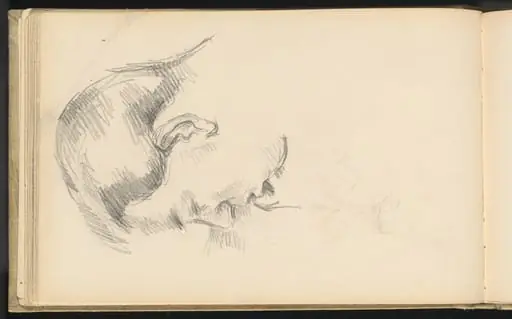
Study of Desiderio da Settignano's "Bust of a Child"
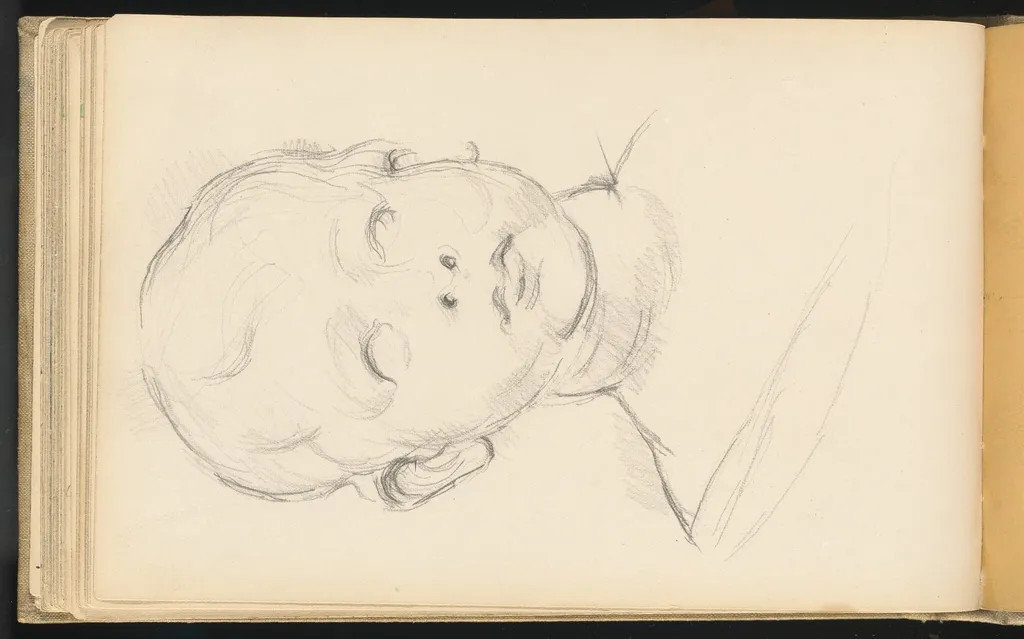
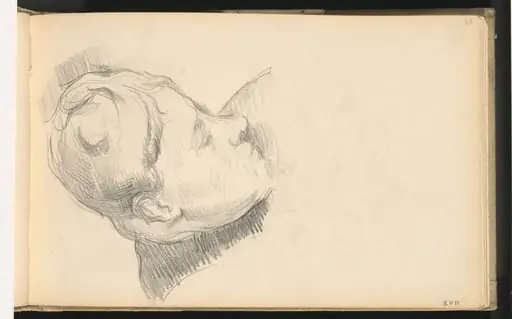
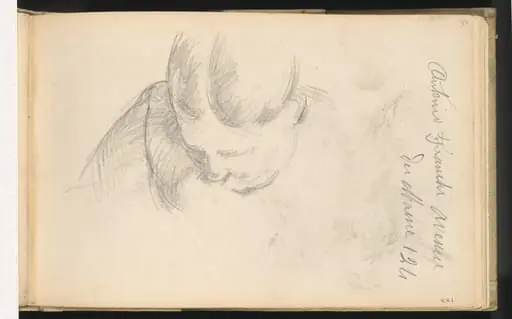
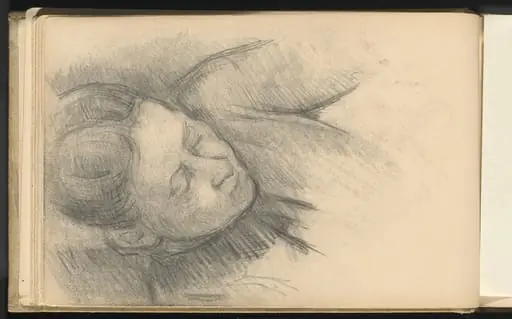
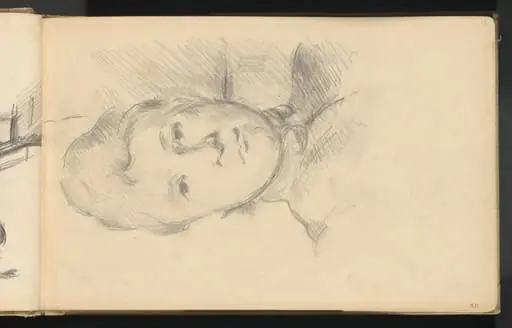
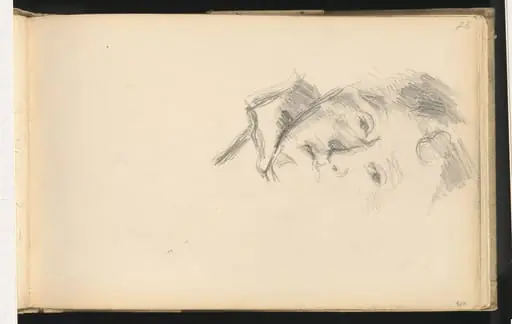
Study of Desiderio da Settignano's "Bust of a Child" is a graphite drawing by the Impressionist artist Paul Cezanne. It dates from 1895 and is held in the collection of the National Gallery of Art.
About this work
Overview
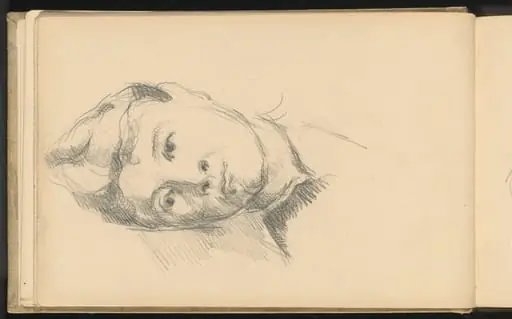
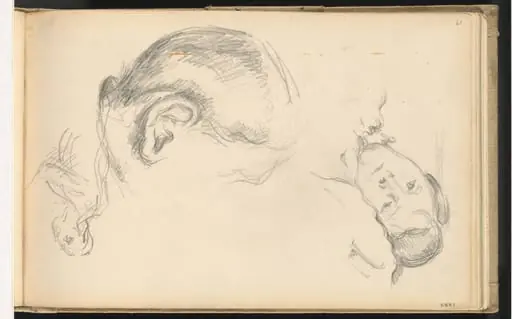
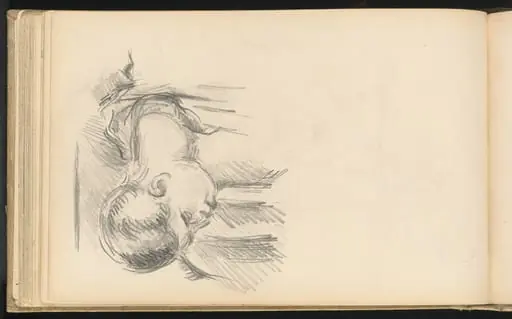
Paul Cézanne produced this graphite drawing around 1895 as a preparatory study of the Renaissance sculptor Desiderio da Settignano's "Bust of a Child." The work is executed on wove paper, allowing the artist to explore the form and line of the original marble sculpture through a monochrome medium.
Subject & Meaning
The drawing captures the delicate profile of a youthful figure, echoing the tender realism of Settignano's marble bust. By rendering the sculpture in graphite, Cézanne investigates the interplay of light and shadow on the child's features, emphasizing the timeless quality of the subject while probing his own interest in anatomical observation.
Technique & Style
Cézanne employs fine, controlled strokes to suggest the volume and texture of the stone without relying on color. The use of wove paper provides a smooth surface that supports subtle tonal gradations, allowing the artist to model the child's cheek and hair with layered hatching and cross-hatching typical of his late nineteenth-century drawing practice.
History & Provenance
Created circa 1895, the study reflects Cézanne's engagement with Renaissance masters during a period of intensive artistic research. The drawing has remained in private collections before entering a museum context, where it serves as evidence of the painter's methodical approach to studying historic sculpture as a source of formal inspiration.
Artist & collection
Artist
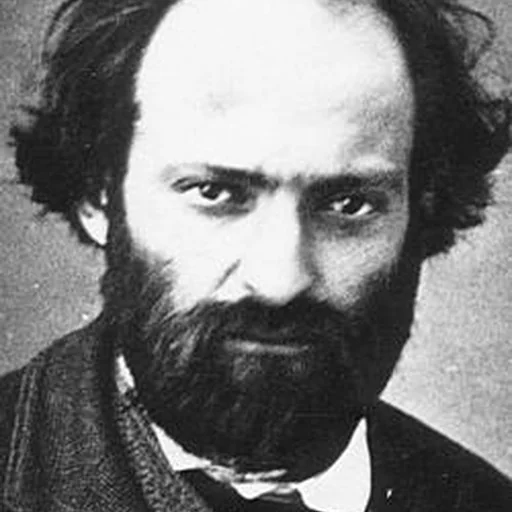
Paul Cézanne was born on January 19, 1839, in Aix-en-Provence, the son of a hatter turned wealthy banker.

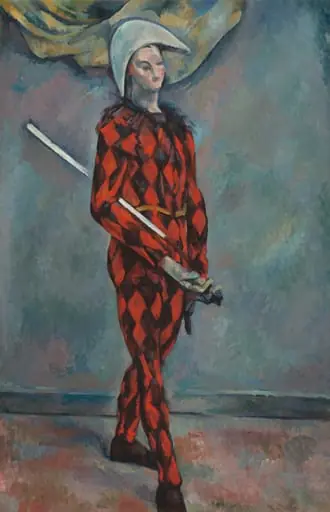 Harlequin
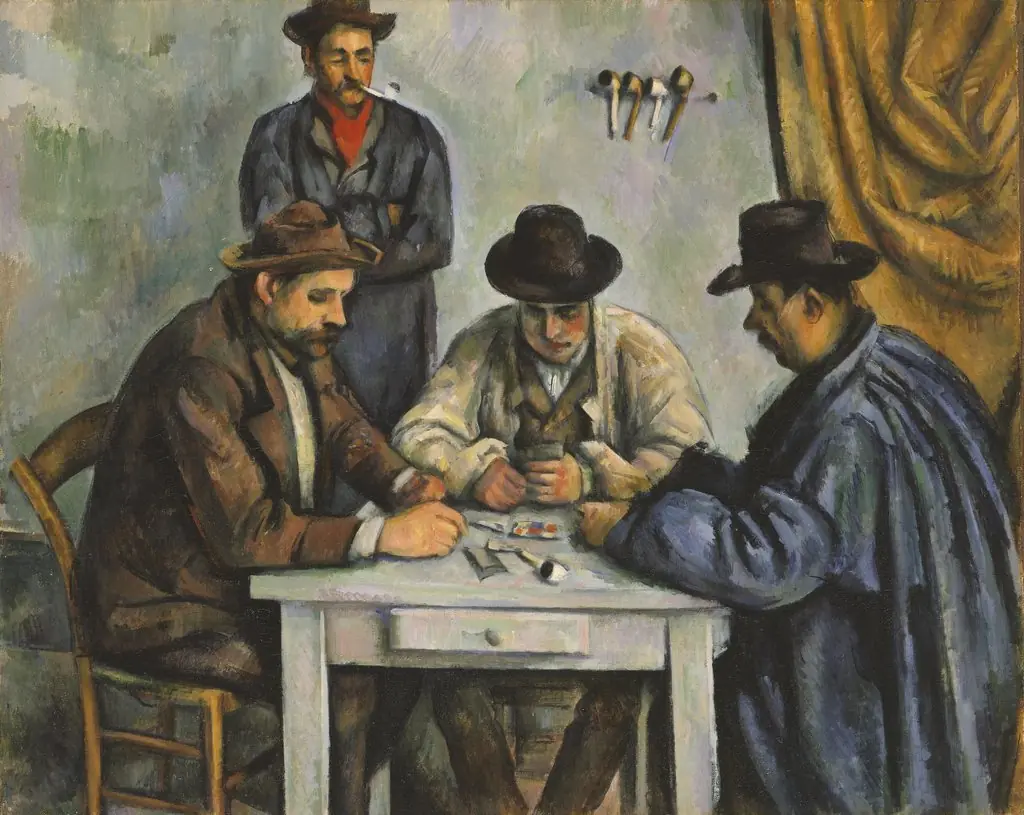 The Card Players
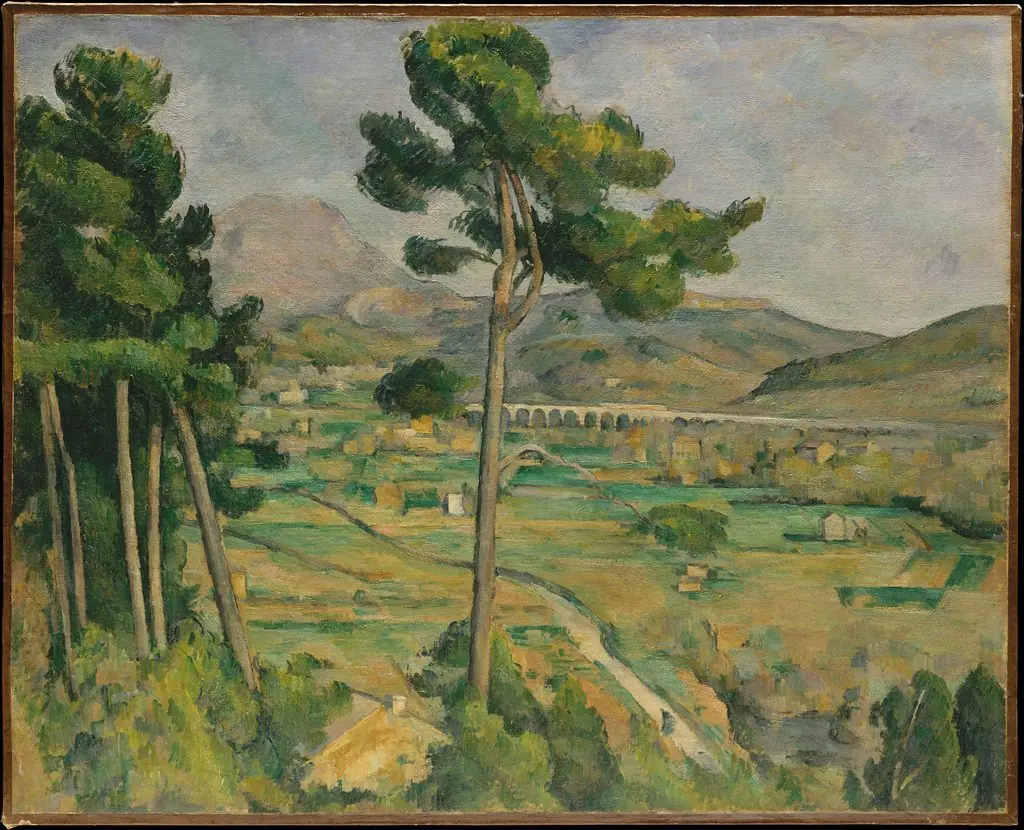 Mont Sainte-Victoire and the Viaduct of the Arc River Valley
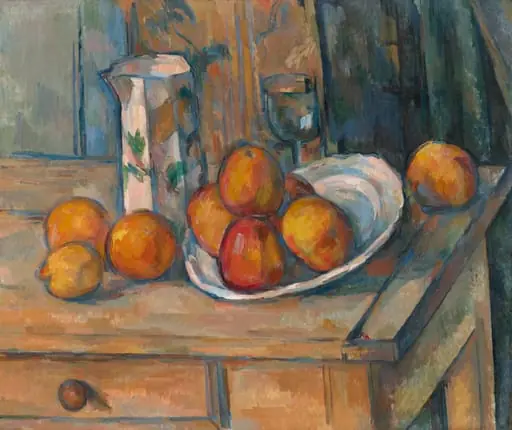 Still Life with Milk Jug and Fruit
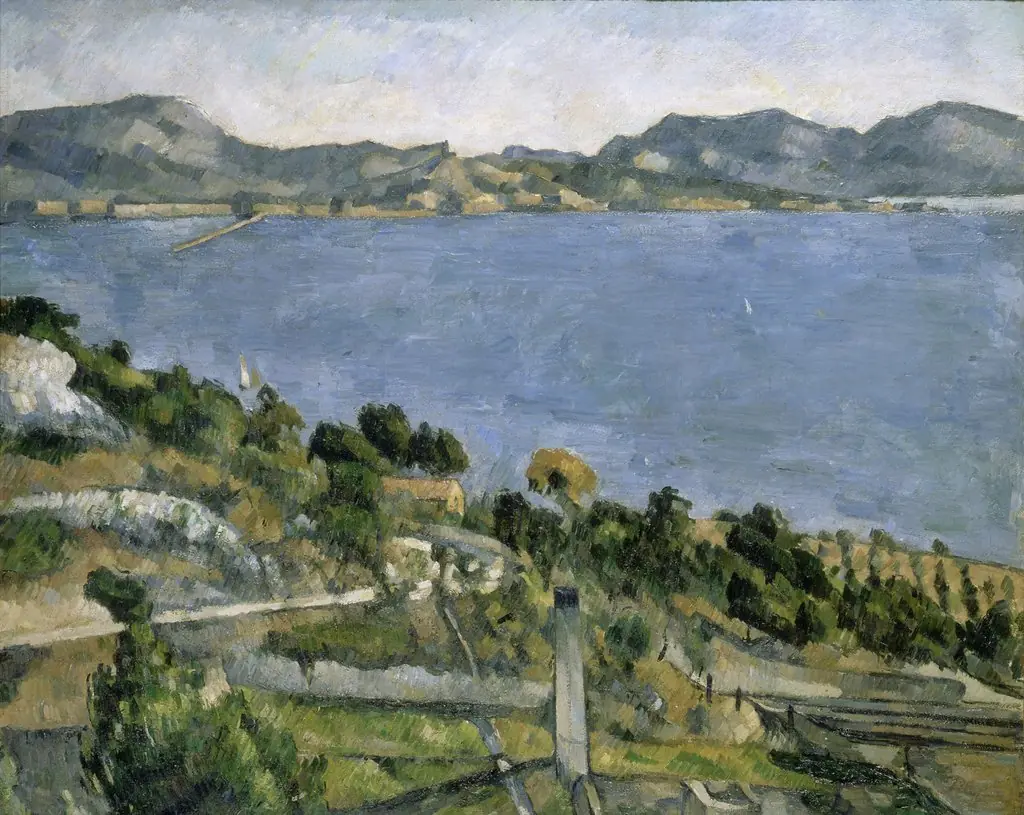 Le Golfe de Marseille vu de l'Estaque (The Gulf of Marseille Seen from L'Estaque)
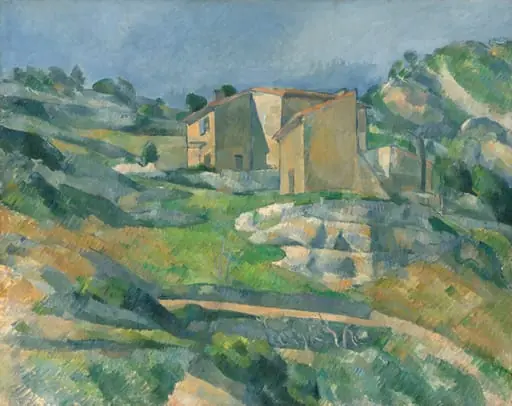 Houses in Provence: The Riaux Valley near L'Estaque
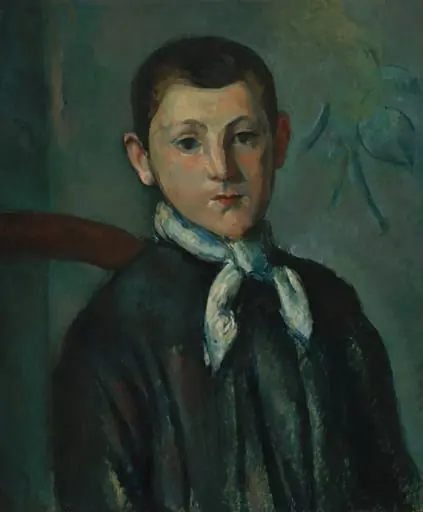 Louis Guillaume
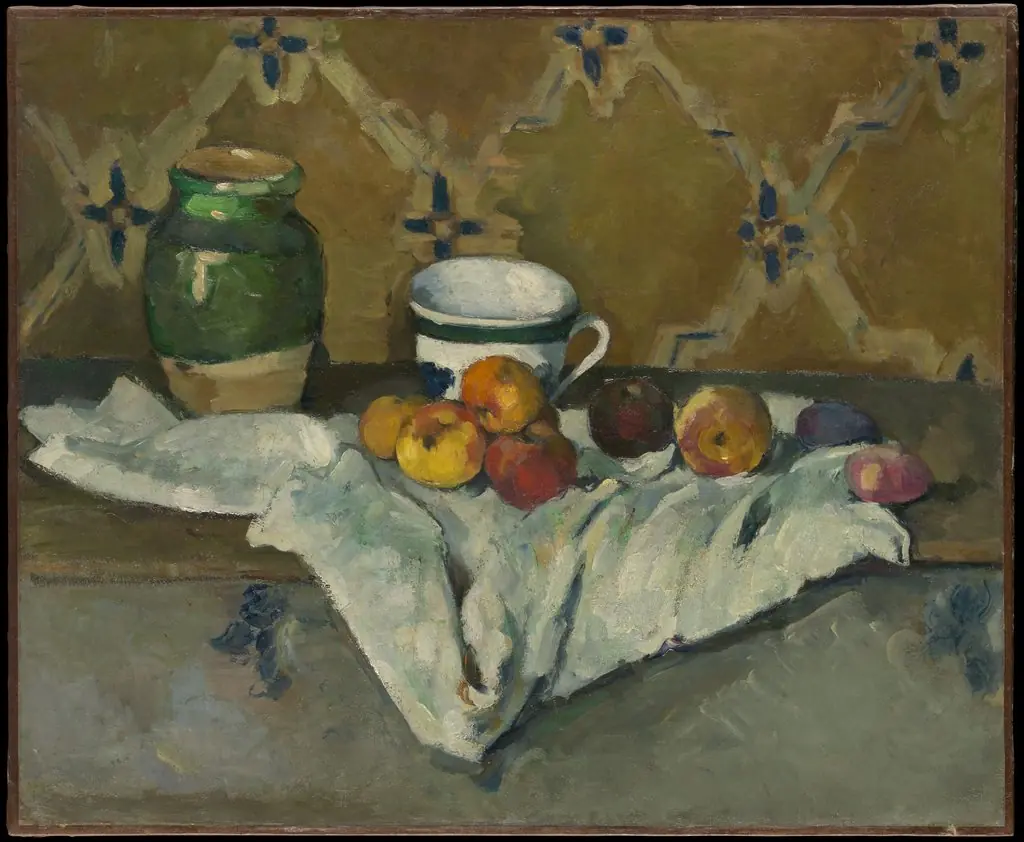 Still Life with Jar, Cup, and Apples
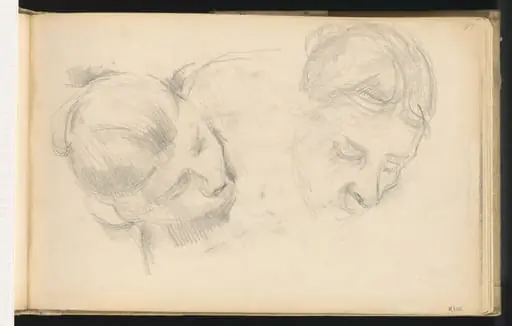
![Bust of Madame Cezanne [verso], by Paul Cezanne](https://artifactworldgallery.com/img/paul-cezanne--bust-of-madame-cezanne-verso--8686f7640dae3212-w320.webp)