Artwork
The Pranksters (Les Espiègles)
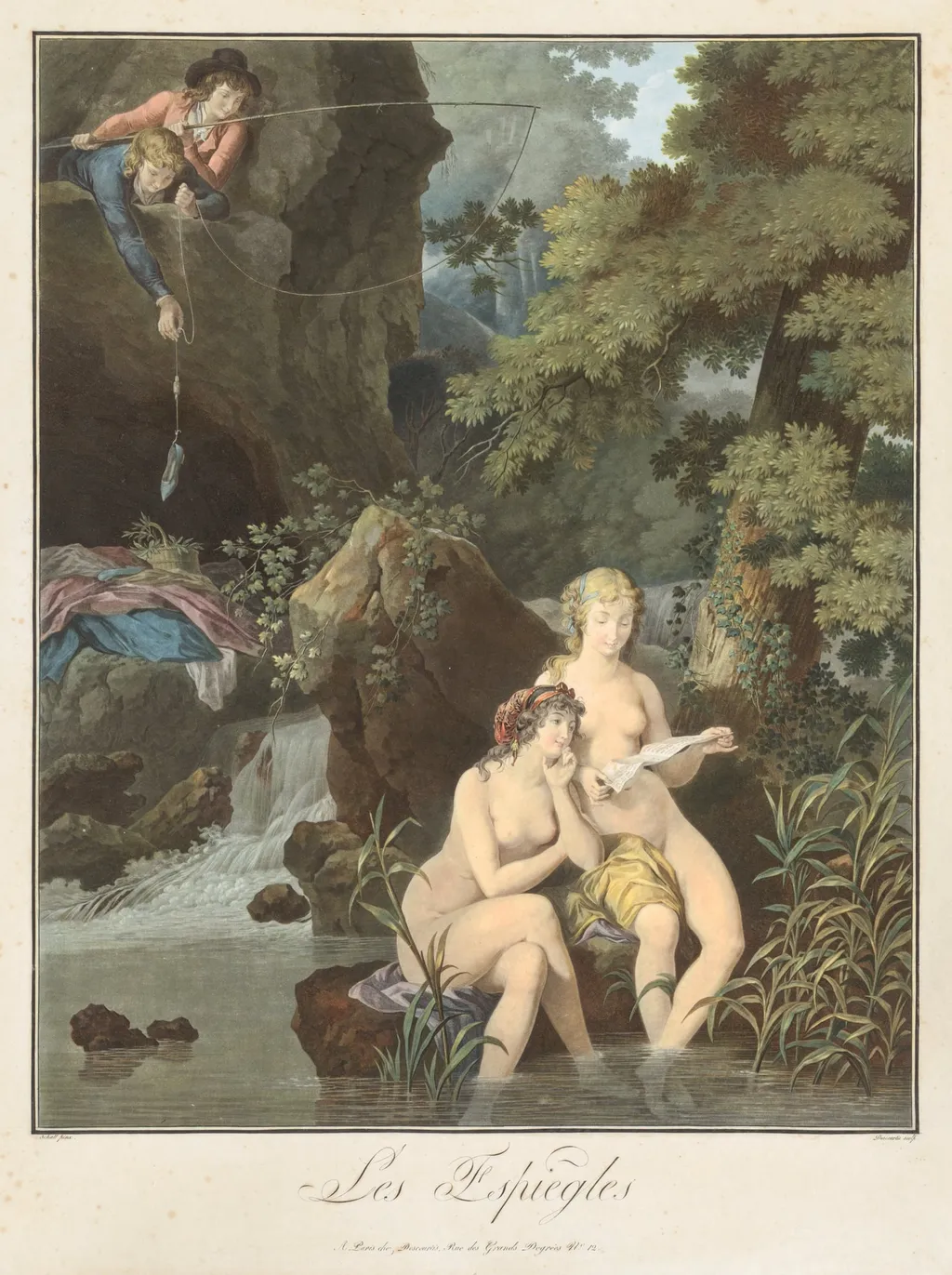
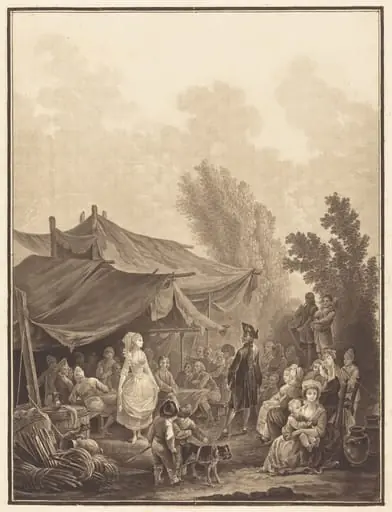
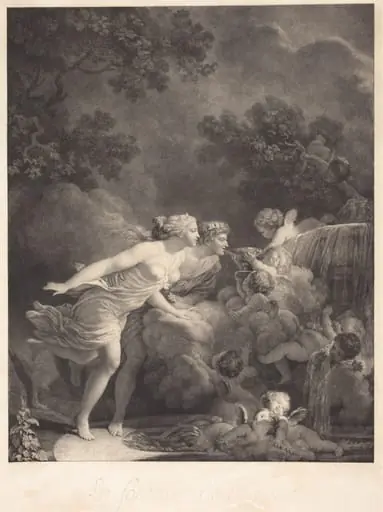
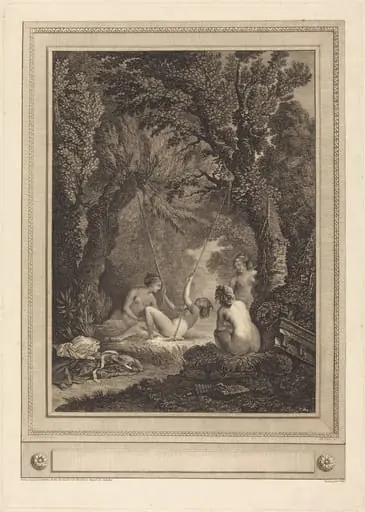
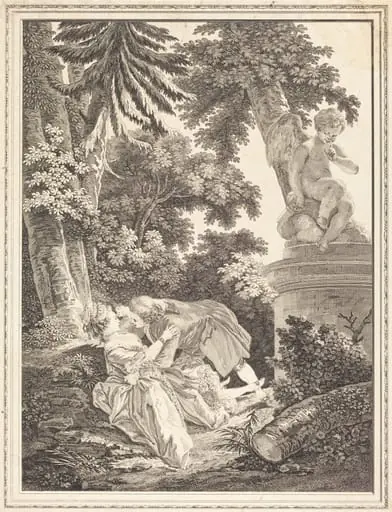
The Pranksters (Les Espiègles) is a print by the Romanticist artist Charles-Melchior Descourtis. It dates from 1798 and is held in the collection of the Cleveland Museum of Art.
About this work
Overview
Created around 1800, it reflects a brief revival of pre-Revolutionary print techniques before cheaper hand-coloring methods became dominant.
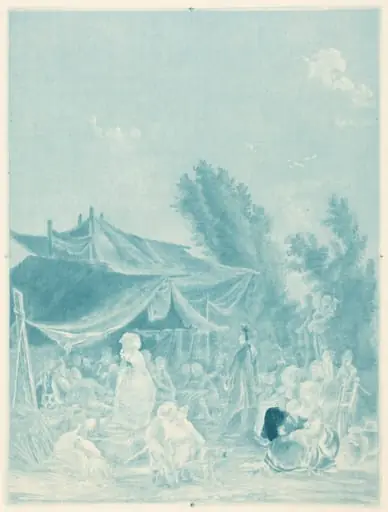
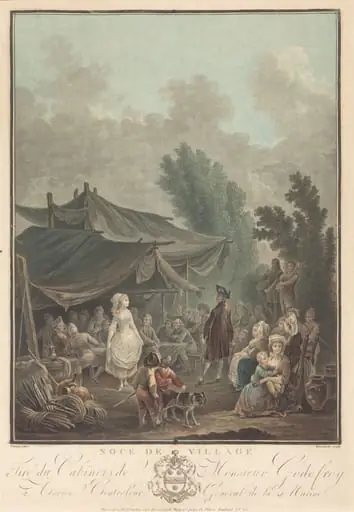
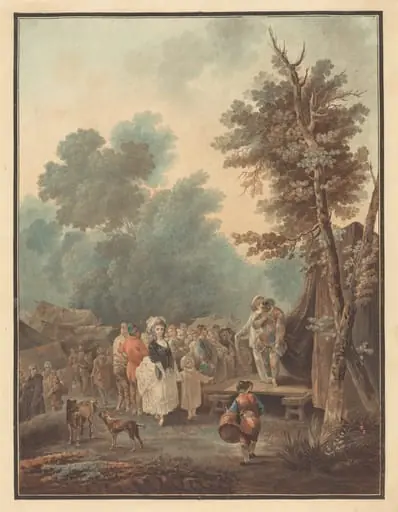
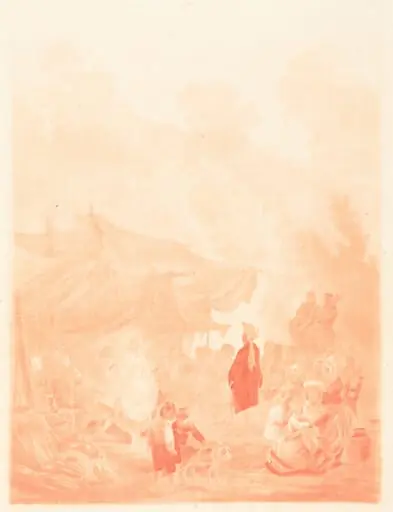
The Pranksters (Les Espiègles) is a color print derived from an oil painting by Jean-Frédéric Schall, produced during a period when elaborate chromatic printing had fallen out of favor. Created around 1800, it reflects a brief revival of pre-Revolutionary print techniques before cheaper hand-coloring methods became dominant. The work preserves a lighthearted genre scene through a labor-intensive process that was rapidly becoming obsolete.
Subject & Meaning
The scene depicts a group of individuals engaged in playful deception, capturing a moment of social humor rather than moral instruction. Rooted in everyday life, the imagery avoids grand narratives or political symbolism, instead focusing on interpersonal mischief. Its subject matter, once associated with aristocratic leisure, was deemed inappropriate during the Revolution but regained marginal acceptance as societal norms shifted after 1800.
Technique & Style
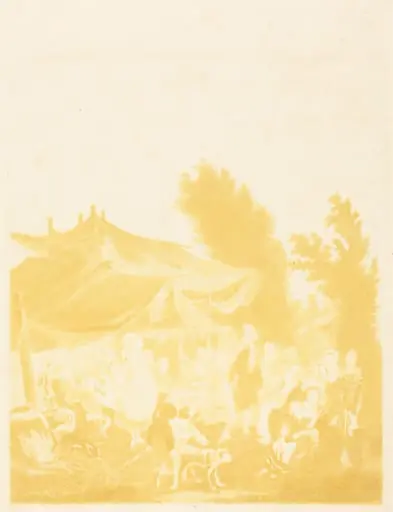
The print was produced using multiple engraved plates, each applying a separate layer of tinted ink to achieve subtle color gradations. This method, inherited from pre-Revolutionary practices, required precision and considerable time. Unlike later mass-produced hand-colored prints, this version retains the nuance of layered pigments, though its execution is restrained compared to earlier luxury editions.
History & Provenance
Created during the early 1800s, the print emerged as the market for ornate color prints was transitioning from artisanal production to industrial efficiency. Though Schall’s original painting dated to the 1780s, the print’s production coincided with a temporary resurgence of interest in such imagery after revolutionary austerity. Its rarity stems from the high cost and declining demand for multi-plate printing by this time.
Context
The French Revolution disrupted the patronage of decorative arts, especially those perceived as indulgent or frivolous. Genre scenes like The Pranksters, which depicted playful social interactions, were temporarily suppressed as symbols of pre-revolutionary excess. By 1800, as political fervor waned, such subjects reappeared in print form, though now under economic pressures favoring speed and affordability over craftsmanship.
Legacy
The print stands as a transitional artifact, bridging the decline of pre-Revolutionary printmaking and the rise of industrial reproduction. It preserves a technique that would soon be abandoned in favor of hand-coloring, making it a rare example of a fading craft. Its survival offers insight into how artistic production adapted to shifting political and economic climates in early 19th-century France.
Artist & collection

Artist
Charles-Melchior Descourtis (1753–1820) was a French artist, born in Paris.