Artwork
Etchings of Paris: The Exchange Bridge
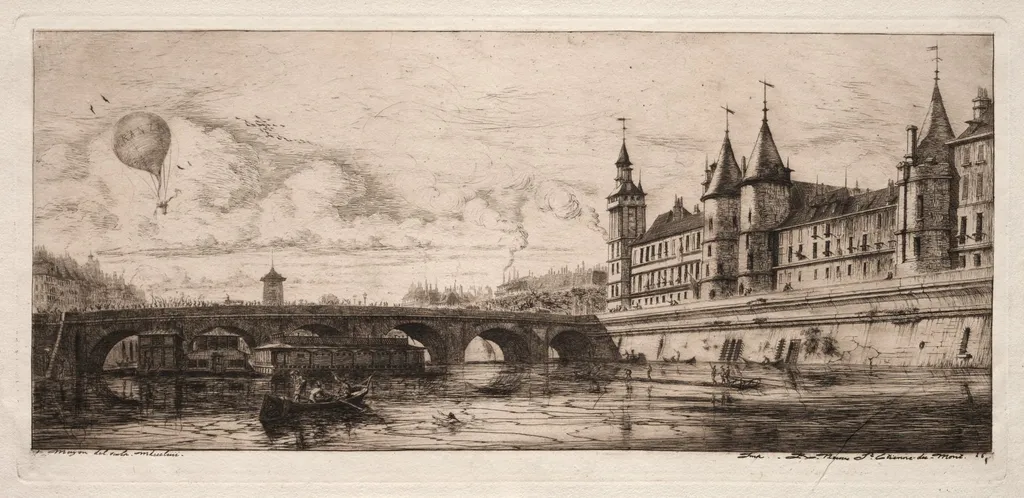
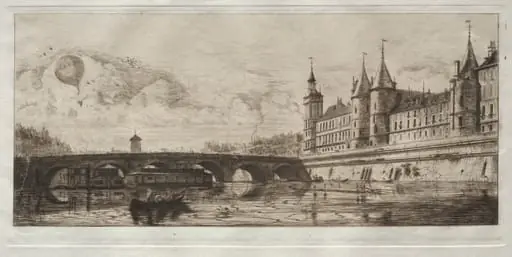
Etchings of Paris: The Exchange Bridge is a print by the Impressionist artist Charles Meryon. It dates from 1854 and is held in the collection of the Cleveland Museum of Art. Created in 1854, this etching presents a view of the Pont du Change spanning the Seine.
About this work
Overview
Created in 1854, this etching presents a view of the Pont du Change spanning the Seine. A stone bridge teems with pedestrians while a modest boat drifts below. Beyond the river rises a massive, fortress‑like building crowned with spires and chimneys, beneath which a hot‑air balloon ascends. The composition juxtaposes familiar urban activity with the novelty of aerial travel.
Subject & Meaning
Meryon captures a moment of everyday Parisian life, emphasizing the coexistence of historic architecture and emerging technology. The bustling bridge and river traffic reflect the city’s routine, whereas the balloon, a recent invention, signals progress and the expanding horizons of the mid‑nineteenth century.
Technique & Style
Executed almost entirely in etching, the work relies on crisp, linear incisions that render architectural detail with a drawing‑like precision. The artist’s colour blindness led him to emphasize tonal contrast, producing a chiaroscuro effect where light and shadow delineate forms and convey depth without pigment.
History & Provenance
Charles Meryon, regarded as France’s pre‑eminent 19th‑century etcher, produced this piece as part of a broader series of Paris views. The series reflects his personal vision of the city during a period marked by mental illness; Meryon died in an asylum in 1868. The etching remains a key example of his oeuvre.
Artist & collection
Artist
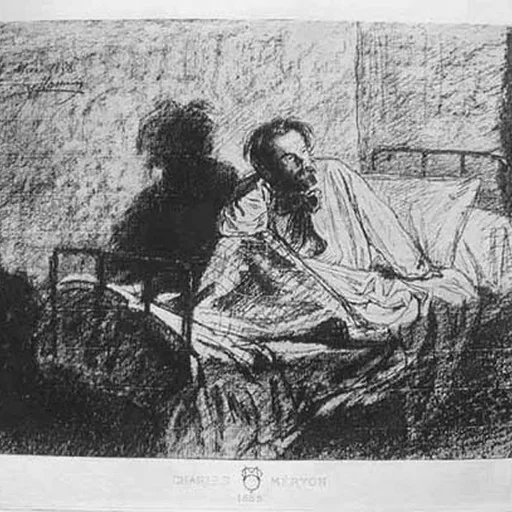
Charles Meryon (sometimes Méryon, 23 November 1821 – 14 February 1868) was a French artist who worked almost entirely in etching, as he had colour blindness.

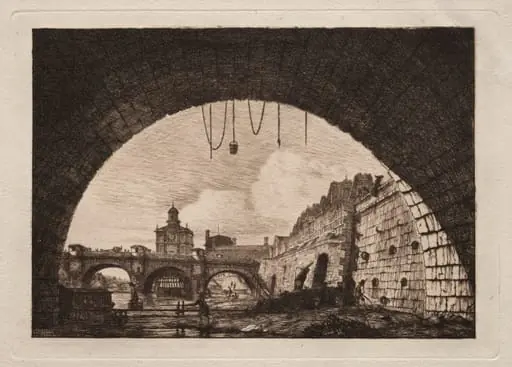 The New Bridge and the Samaritaine seen from under the First Arch of the Exchange Bridge, Paris
 Le Pont-au-Change
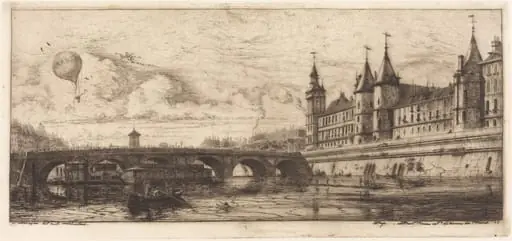 Le Pont-au-Change, Paris
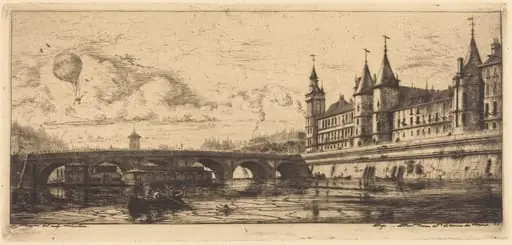 Le Pont-au-Change, Paris
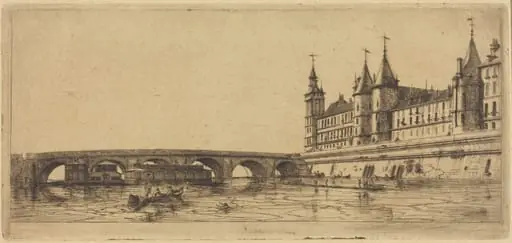 Le Pont-au-Change, Paris
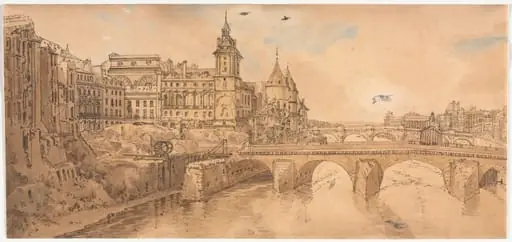 A Selection of Twenty of the Most Picturesque Views in Paris: View of Pont au Change, the City Theatre, Pont Neuf, Conciergerie Prison, and taken from Pont Notre Dame
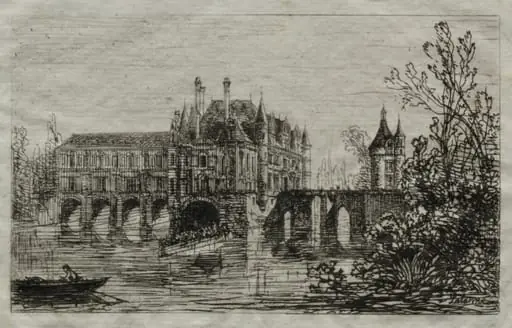 Château de Chenonceau
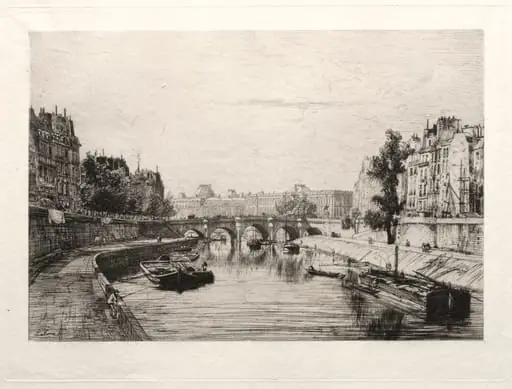 View from Pont St. Michel
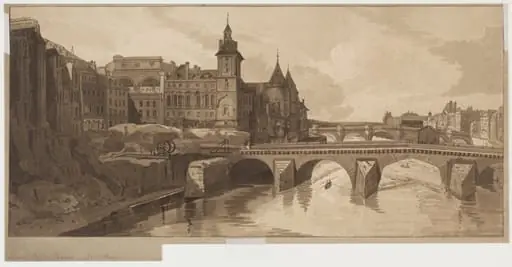 Selection of Twenty of the Most Picturesque Views in Paris:View of Pont au Change