Artwork
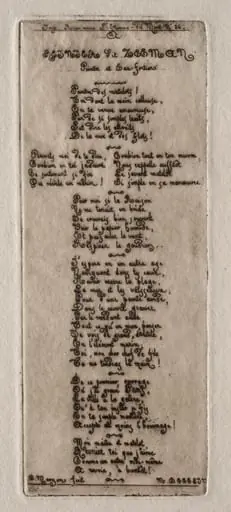
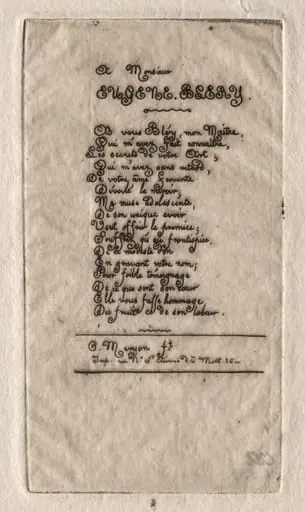
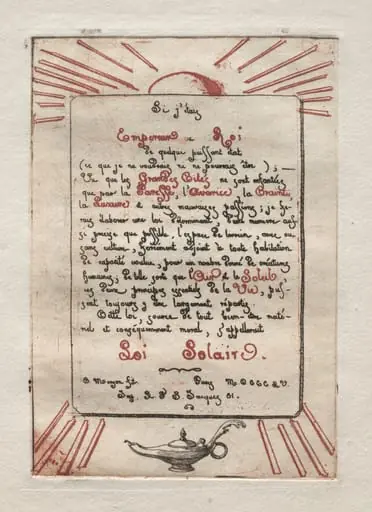
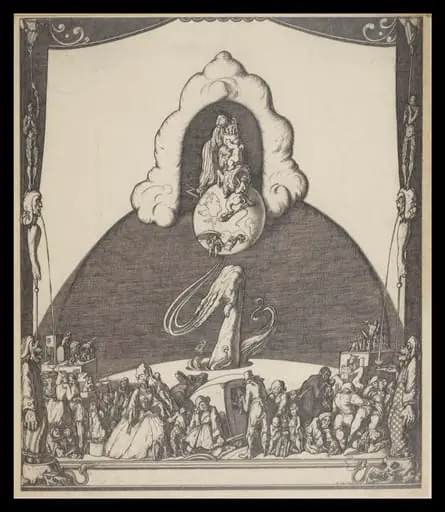
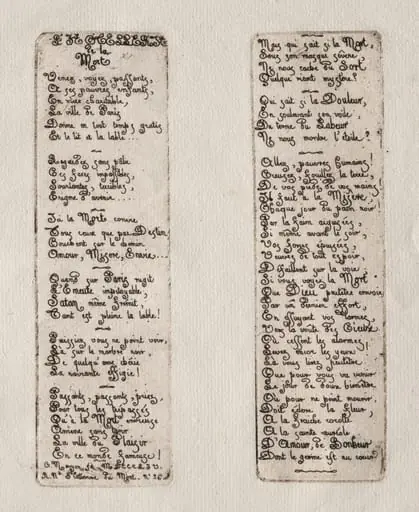
Etchings of Paris: The Notre Dame Pump, Small Plate
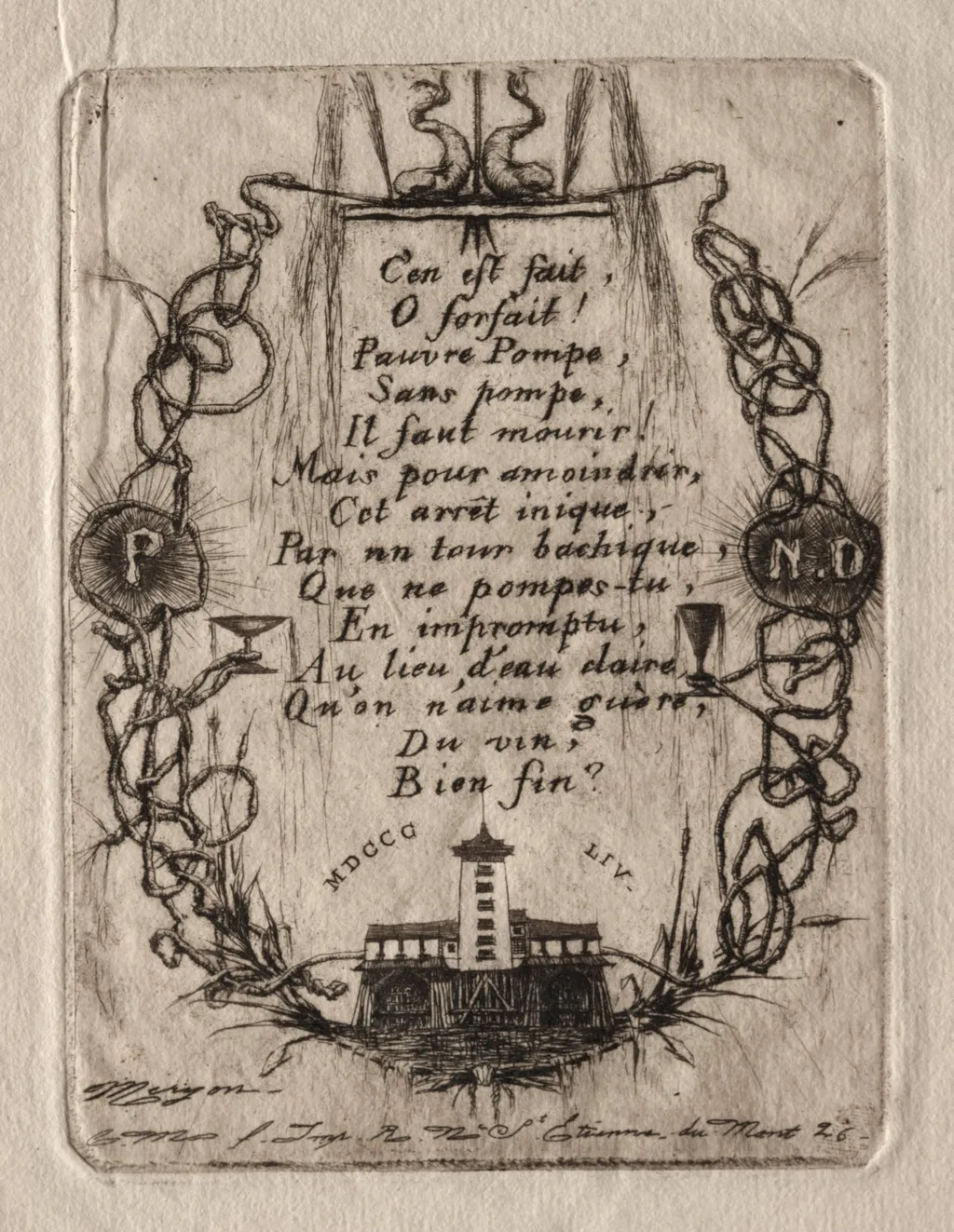
Etchings of Paris: The Notre Dame Pump, Small Plate is a print by the Impressionist artist Charles Meryon. It dates from 1854 and is held in the collection of the Cleveland Museum of Art.
About this work
Overview
Created in 1854 by Charles Meryon, this small etching captures a modest public water pump near Notre-Dame in Paris. Meryon, who worked almost exclusively in etching due to his color blindness, focused on urban architecture and everyday scenes. This piece belongs to a broader series documenting Parisian streetscapes, rendered with meticulous line work and atmospheric depth rather than color.
Subject & Meaning
The scene depicts a utilitarian stone pump, its iron handle and spout worn by daily use, with two figures collecting water in glass vessels.
The scene depicts a utilitarian stone pump, its iron handle and spout worn by daily use, with two figures collecting water in glass vessels. Behind it rises a modest tower, likely part of a nearby building or church annex. The inclusion of French text above suggests a functional label, grounding the image in the lived reality of mid-19th-century Paris. The work elevates the mundane, reflecting a quiet dignity in ordinary urban life.
Technique & Style
Meryon employed fine, rapid etching lines to model light and shadow, creating a sense of texture and volume without color. The sketchlike quality—dense hatching, uneven contours, and deliberate roughness—echoes the immediacy of early photographic studies. His method prioritizes tonal gradation over precision, lending the scene a somber, introspective mood characteristic of his approach to urban subjects.
History & Provenance
This print was produced during Meryon’s most active period, when he was systematically documenting Paris’s architectural fabric. It was likely issued as part of a private or limited edition series, circulated among collectors and artists. Unlike many contemporaries, Meryon avoided commercial reproduction, making his small plates rare and closely tied to his personal vision of the city’s evolving identity.
Context
In the 1850s, Paris underwent rapid modernization under Haussmann’s renovations. Meryon’s etchings, including this one, recorded structures and routines soon to be erased. His focus on overlooked details—public pumps, narrow alleys, weathered stonework—contrasted with official narratives of progress. His work aligns with Realist tendencies in art, emphasizing authenticity over idealization.
Legacy
Meryon’s etchings influenced later generations of printmakers and urban observers, including the Nabis and early 20th-century French artists. His ability to convey emotional weight through line and shadow established etching as a serious medium for social observation. Though little known in his lifetime, his body of work is now recognized as a vital record of Paris before its transformation.
Artist & collection
Artist
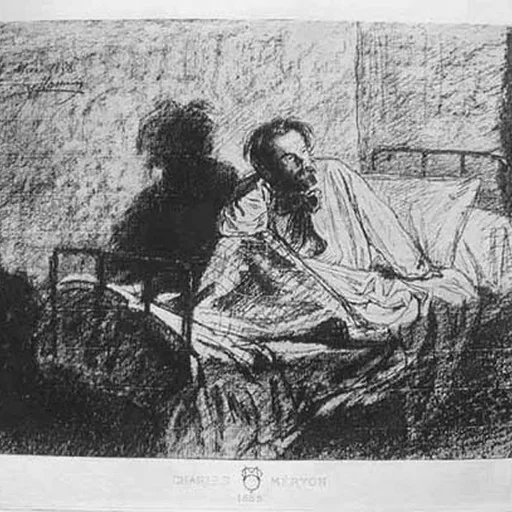
Charles Meryon (sometimes Méryon, 23 November 1821 – 14 February 1868) was a French artist who worked almost entirely in etching, as he had colour blindness.