Artwork
Rebus: "Beranger was not really strong for he never had the key to the fields"
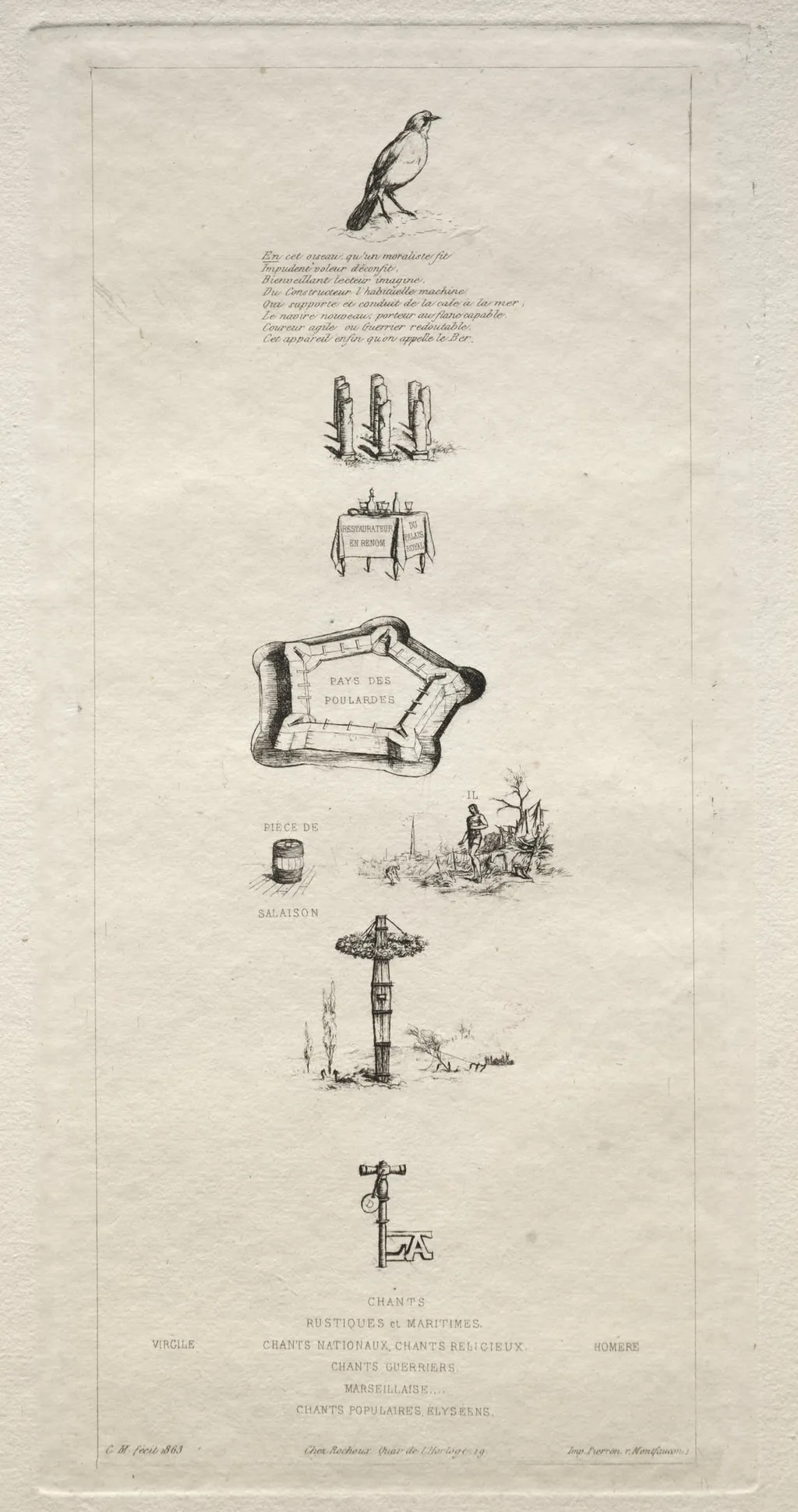
Rebus: "Beranger was not really strong for he never had the key to the fields" is a print by the Impressionist artist Charles Meryon. It dates from 1863 and is held in the collection of the Cleveland Museum of Art.
About this work
Overview
Meryon, who worked exclusively in etching due to his color blindness, used fine lines and tonal contrasts to convey meaning beyond literal representation.
Created in 1863, this etching by Charles Meryon is part of a series of symbolic prints that blend visual riddles with literary allusion. Unlike his more famous urban landscapes, this piece departs from architectural detail to present a sparse, allegorical scene. Meryon, who worked exclusively in etching due to his color blindness, used fine lines and tonal contrasts to convey meaning beyond literal representation.
Subject & Meaning
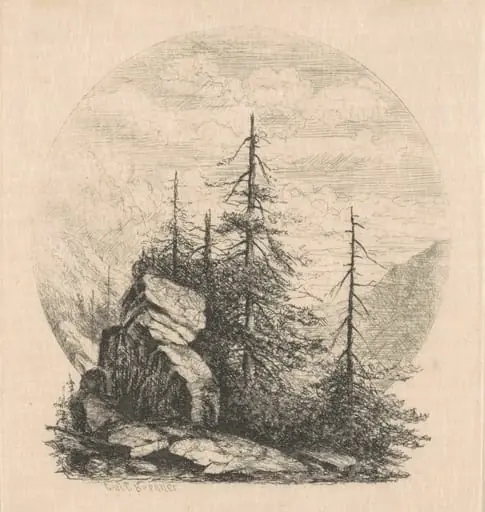
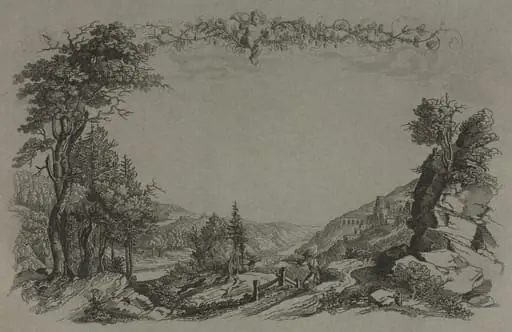
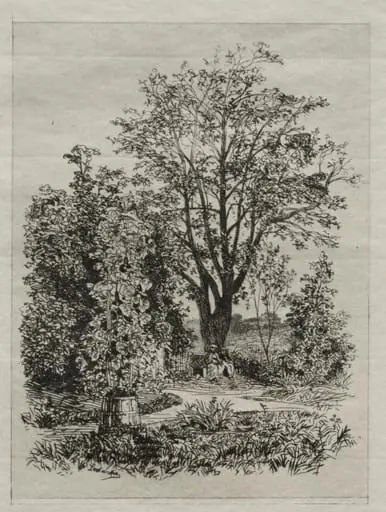
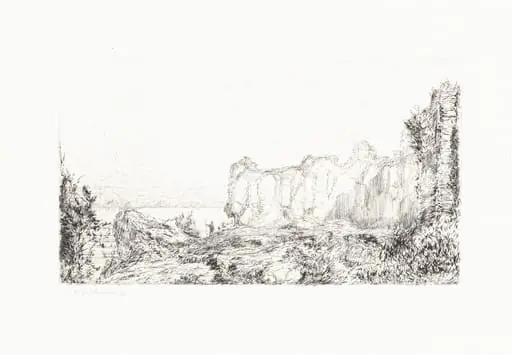
The image references the French poet Pierre-Jean de Béranger, whose verses often critiqued authority. The title suggests his political ineffectiveness—lacking the 'key to the fields' implies exclusion from power or freedom. A bird, a key, a locked structure, and an open field form a visual metaphor. The table and chair, minimally rendered, suggest absence or waiting, reinforcing themes of limitation and unfulfilled potential.
Technique & Style
Meryon employed fine-line etching to achieve precision and quiet intensity. The composition is deliberately restrained: no shading overwhelms the forms, and negative space anchors the symbolic elements. The bird, fence, and key are rendered with clinical clarity, contrasting with the ambiguity of their meaning. His technique avoids ornamentation, favoring economy of line to heighten the enigmatic tone.
History & Provenance
This print emerged during Meryon’s later period, when his mental health deteriorated and his work grew more introspective. It was likely produced in Paris, where he lived and worked despite increasing isolation. Few of his symbolic prints were widely circulated; this one survives in limited impressions, held primarily in institutional collections. Its provenance traces back to private French collections of the late 19th century.
Context
In 1860s France, political repression followed the 1851 coup, and literary satire became a subtle form of resistance. Béranger’s songs, once popular, were now viewed as relics of liberal dissent. Meryon’s rebus reflects this cultural shift—using visual language to evoke silenced voices. His work existed apart from Impressionism and Realism, aligning instead with Symbolist precursors who valued suggestion over depiction.
Legacy
Though overshadowed by his Parisian views, this etching exemplifies Meryon’s intellectual depth and formal discipline. It influenced later Symbolist printmakers who sought to merge poetry with visual metaphor. Scholars recognize it as a rare instance of his direct engagement with contemporary political poetry, revealing a layer of his artistry beyond the Gothic cityscapes for which he is best known.
Artist & collection
Artist
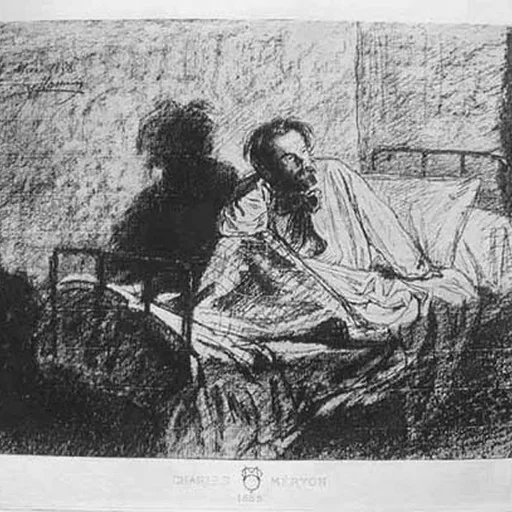
Charles Meryon (sometimes Méryon, 23 November 1821 – 14 February 1868) was a French artist who worked almost entirely in etching, as he had colour blindness.