Artwork
Toppan Webster
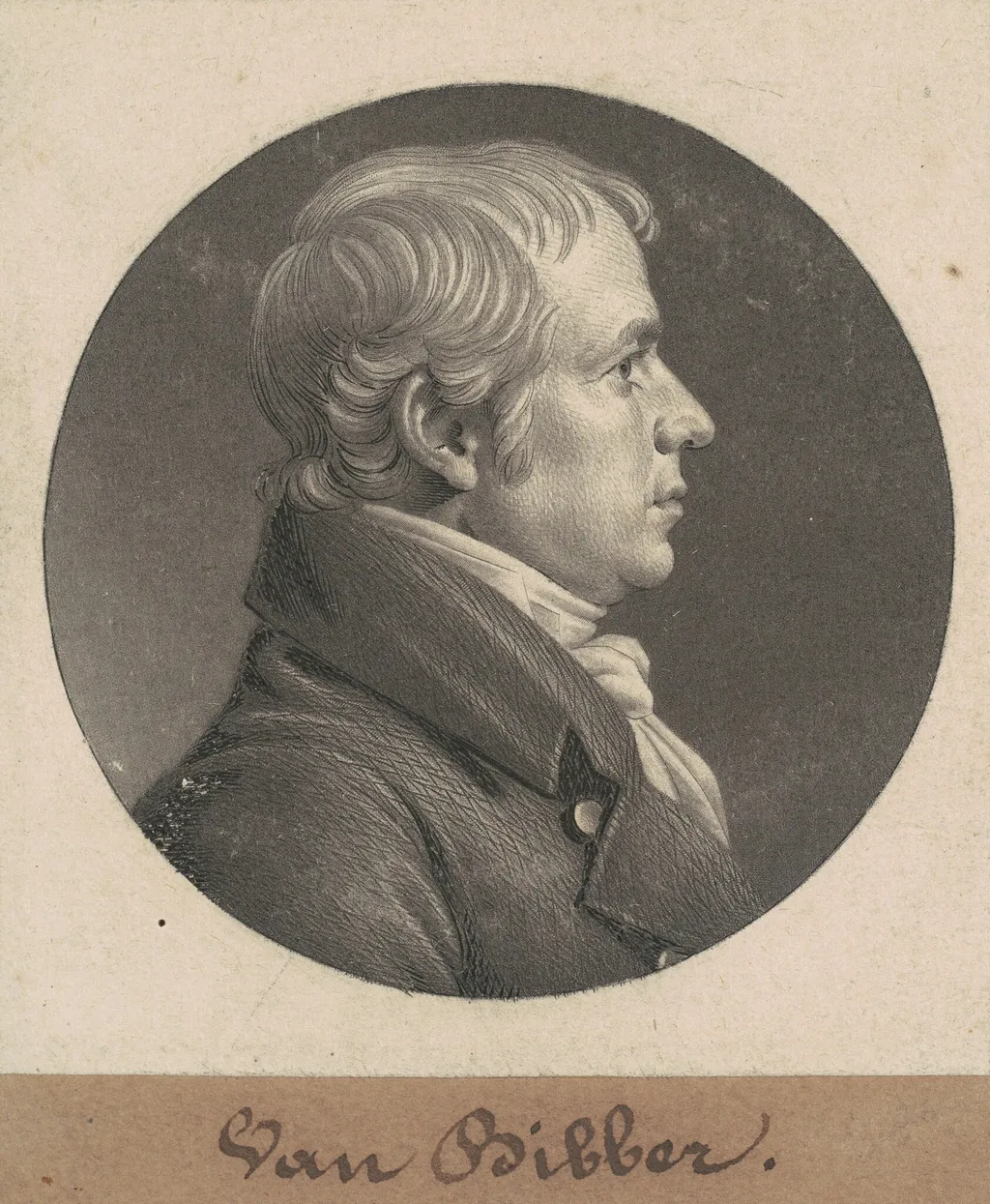
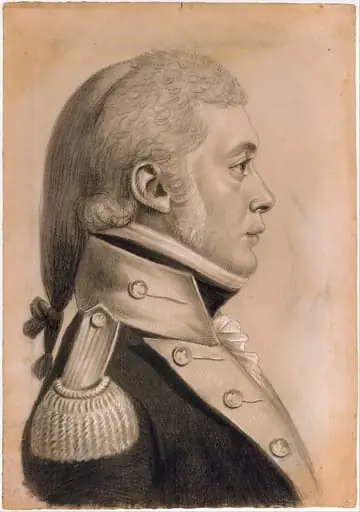
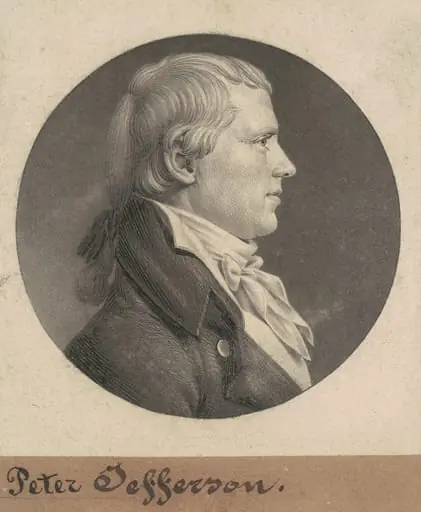
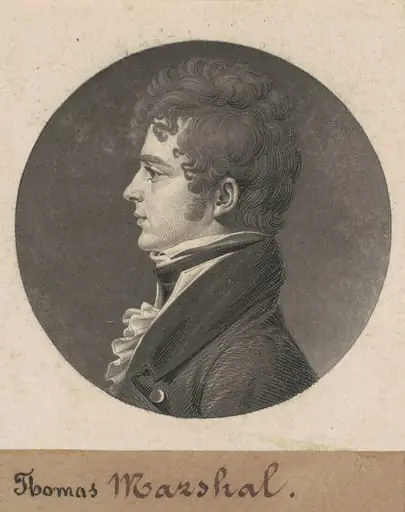
Toppan Webster is an ink print by the Romanticist artist Charles Balthazar Julien Févret de Saint-Mémin. It dates from 1804 and is held in the collection of the National Gallery of Art. Created in 1803, this oval print combines mezzotint and engraving techniques on wove paper, later mounted to a brown wove backing.
About this work
Overview
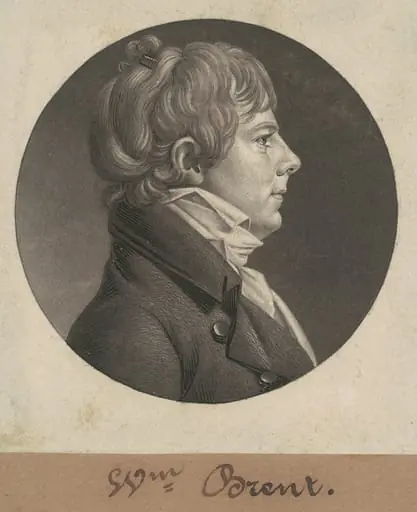
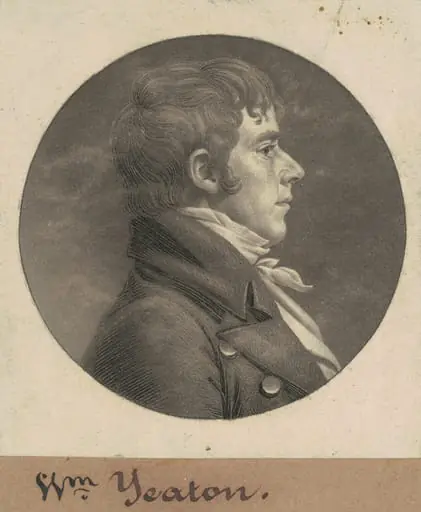
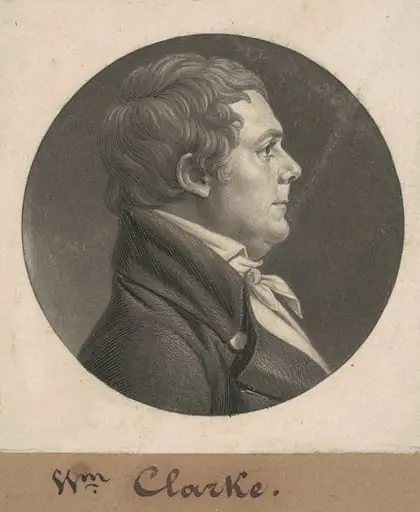
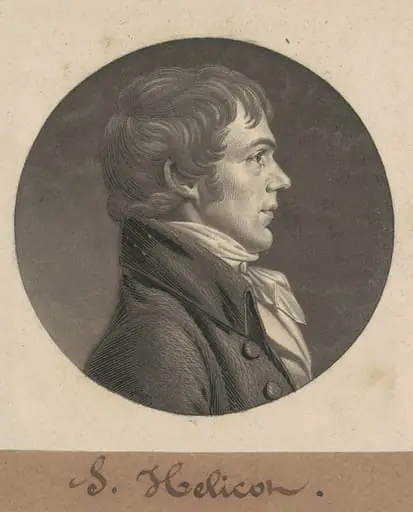
Created in 1803, this oval print combines mezzotint and engraving techniques on wove paper, later mounted to a brown wove backing. The work depicts Thomas Webster in a profile view, showing only his upper torso and turned-away face. It is catalogued in the National Gallery of Art’s collection but is currently not on display.
Subject & Meaning
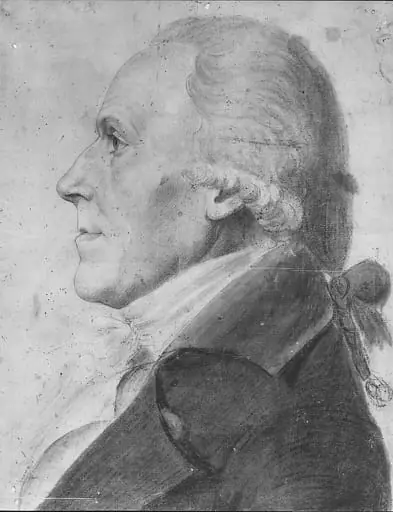
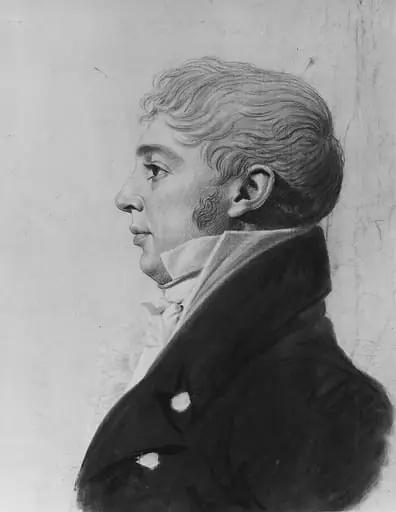
The portrait presents Webster in a dignified side pose, a conventional format for early‑19th‑century portraiture that emphasizes the sitter’s profile and attire. By focusing on the upper body rather than a full figure, the image conveys a sense of restraint and formality typical of the period’s genteel portrait conventions.
Technique & Style
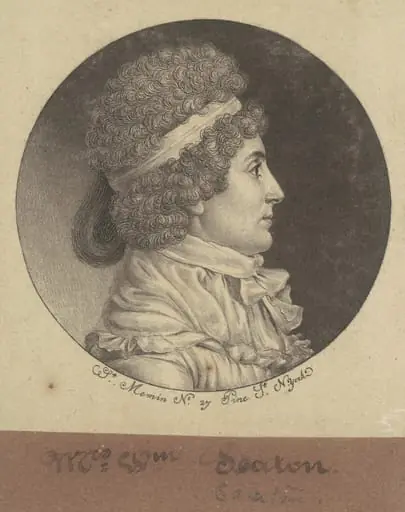
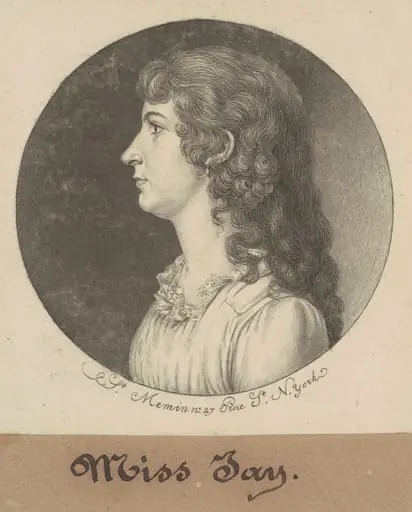
Charles B. J. Févret de Saint‑Mémin employed a hybrid process: a mezzotint ground provides rich tonal gradations, while fine engraving lines sharpen details such as facial features and clothing folds. The oval format and careful balance of light and shadow reflect the artist’s skill in merging two printmaking methods to achieve a nuanced, almost painterly effect.
History & Provenance
The print was produced shortly after Saint‑Mémin’s return to France from the United States, during a prolific phase of portrait commissions. It entered the National Gallery of Art’s holdings through acquisition in the mid‑20th century, though it has remained in storage and is not presently exhibited.
Context
At the turn of the 19th century, mezzotint and engraving were often combined to meet the demand for affordable yet high‑quality portrait reproductions. Saint‑Mémin, known for his work in both mediums, applied this hybrid approach to capture the likeness of notable individuals such as Thomas Webster, a figure of social standing in his era.
Artist & collection

Artist
Charles Balthazar Julien Févret de Saint-Mémin
Charles Balthazar Julien Févret de Saint-Mémin (French pronunciation: ; 1770–1852) was a French portrait painter and museum director.