Artwork
Bonaparte Reviewing the Consular Guard (La Revue du Quintidi)
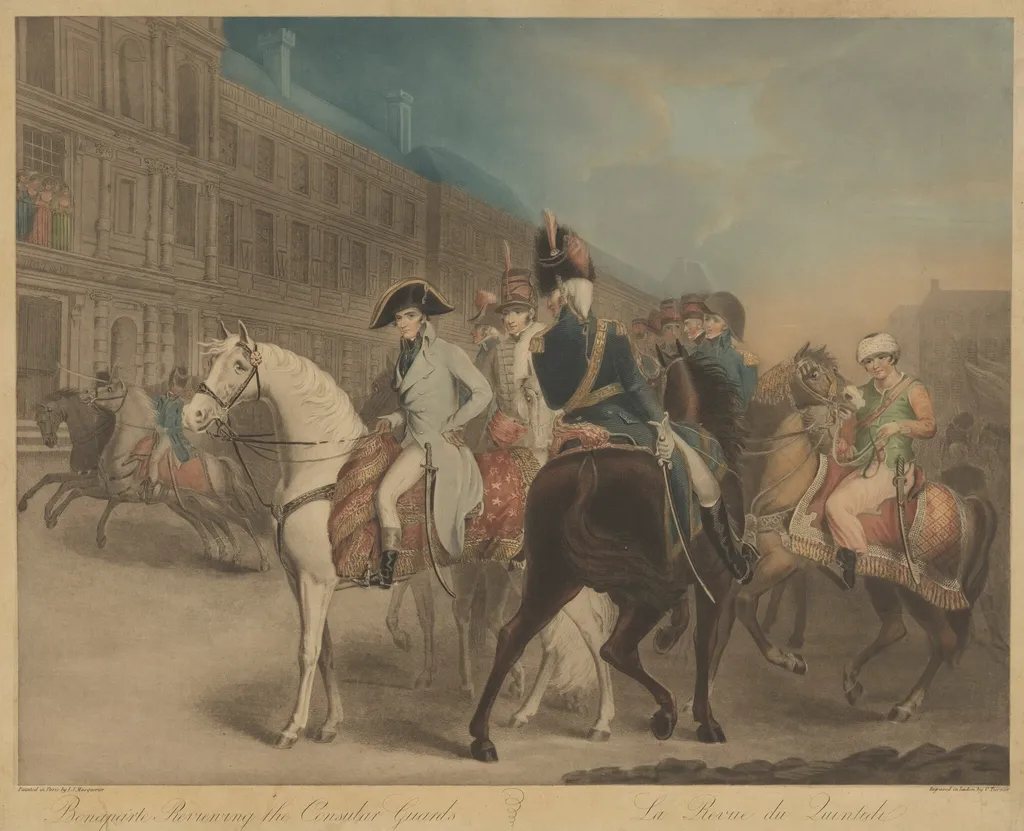
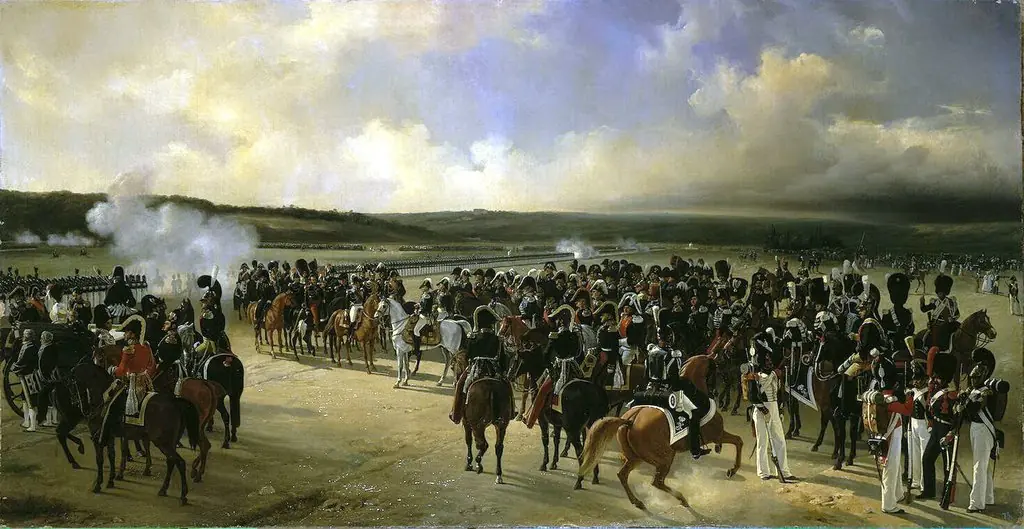
Bonaparte Reviewing the Consular Guard (La Revue du Quintidi) is an ink print by the Romanticist artist Charles Turner. It dates from 1815 and is held in the collection of the National Gallery of Art.
About this work
Overview
Executed in color aquatint, mezzotint, and etching, the work combines multiple intaglio techniques to achieve rich tonal variation and fine detail.
Created in 1815 by English engraver Charles Turner, this print captures Napoleon Bonaparte inspecting the Consular Guard. Executed in color aquatint, mezzotint, and etching, the work combines multiple intaglio techniques to achieve rich tonal variation and fine detail. Turner, known for his portraiture and collaborations with J.M.W. Turner, translated a dynamic military scene into a layered printed image, reflecting the visual language of early 19th-century British printmaking.
Subject & Meaning
The scene portrays Napoleon on horseback, centrally positioned, as he reviews his elite guard in an urban setting. Figures in ornate uniforms, some with plumed hats and white breeches, ride in motion, while a banner bearing stars is held aloft. The composition conveys authority and ceremonial momentum, reinforcing Napoleon’s role as military leader. The urban backdrop, with its uniform windows and restrained architecture, frames the spectacle without distraction, emphasizing the hierarchy and discipline of the moment.
Technique & Style
Turner employed aquatint for subtle gradations of color, mezzotint for velvety shadows, and etching for crisp linear detail. The layered process allowed for nuanced rendering of fabric, horse musculature, and architectural texture. The use of color—likely hand-applied—enhances the vibrancy of uniforms and banners, while the energetic lines suggest movement. This technical complexity reflects the period’s ambition to elevate printmaking beyond mere reproduction into a medium capable of expressive depth.
History & Provenance
Produced in 1815, the year of Napoleon’s final defeat, the print emerged amid shifting political tides in Europe. Though created in England, it responded to widespread public fascination with Napoleon’s legacy. Charles Turner, a respected engraver with ties to the British art establishment, likely intended the work for a domestic audience curious about continental figures. Its survival in institutional collections suggests early recognition of its technical merit and historical resonance.
Context
The print aligns with Romantic-era interests in heroism, movement, and national identity. While not overtly propagandistic, its dramatic composition and emphasis on individual leadership echo Romantic ideals. Contemporary British audiences, though politically opposed to Napoleon, were captivated by his persona. The work reflects a cultural moment in which military spectacle, even of an enemy, was rendered with aesthetic gravity, bridging political tension and artistic curiosity.
Legacy
Though not widely reproduced today, the print stands as an example of high-quality British intaglio work from the Napoleonic era. It demonstrates how printmakers translated political imagery into sophisticated visual narratives, blending technical precision with emotional resonance. Charles Turner’s contribution to the medium helped elevate printmaking as a serious artistic form, influencing later generations of engravers and illustrators in Britain.
Artist & collection
Artist
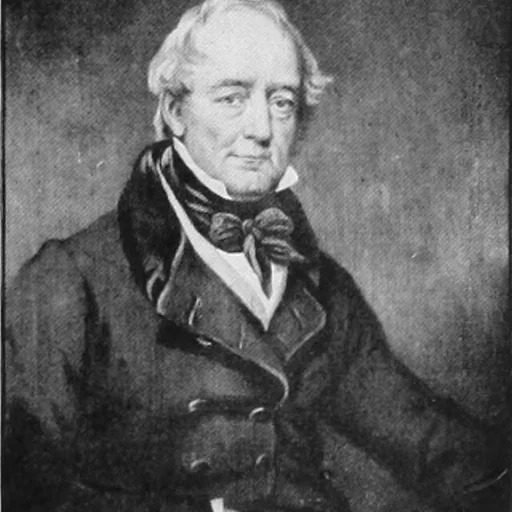
Charles Turner (31 August 1774 – 1 August 1857) was an English engraver and draughtsman who specialised in portraiture. He collaborated with J. M. W. Turner (to whom he was not related) on the early plates of the same's Liber Studiorum.

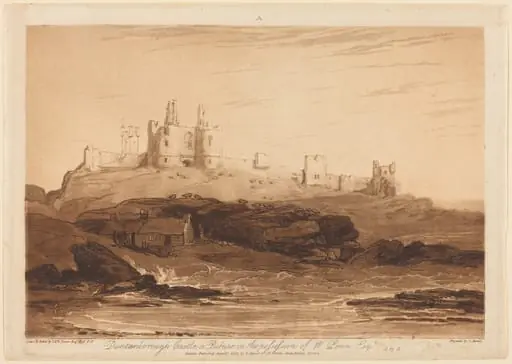
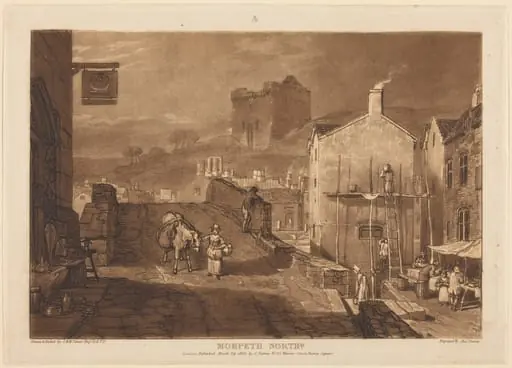
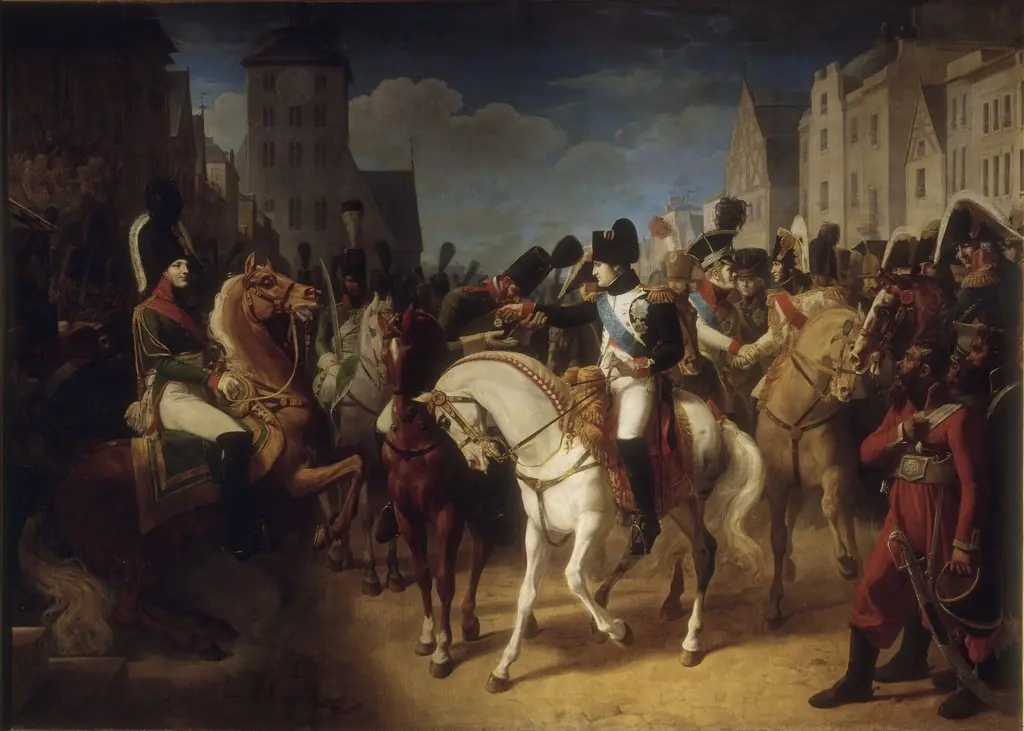 Napoleon I decorated a soldier of the Russian army in Tilsitt with the cross of the Legion of Honor
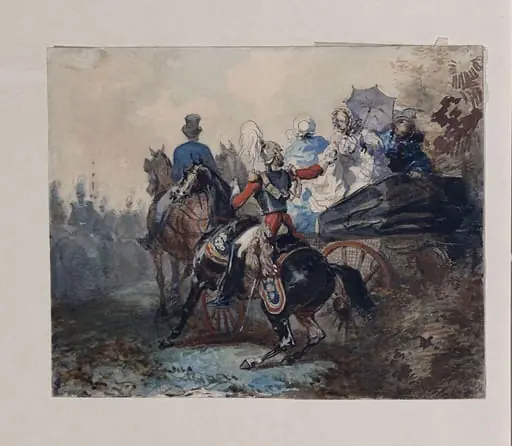 Life Guards at a Review in Windsor Park
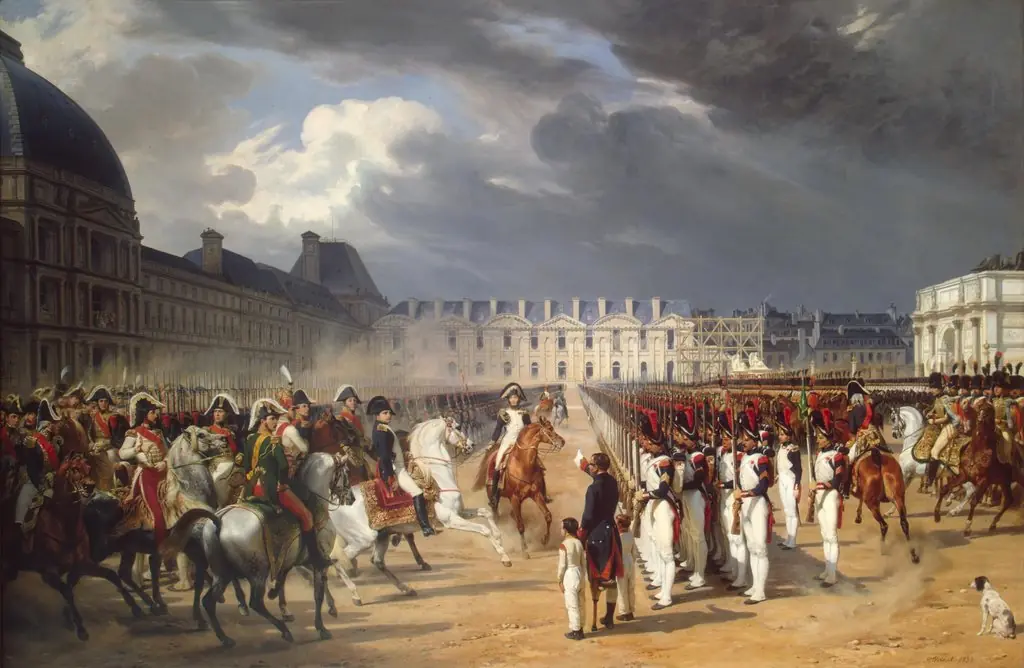 Invalid handing a petition to Napoleon at the parade in the court of the Tuileries Palace
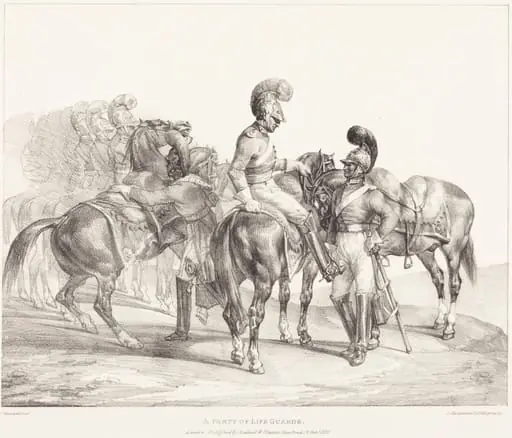 A Party of Life Guards
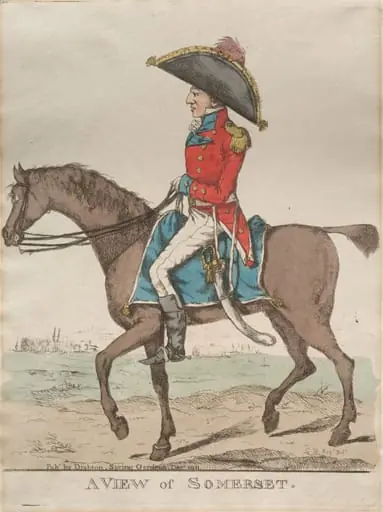 A View of Somerset
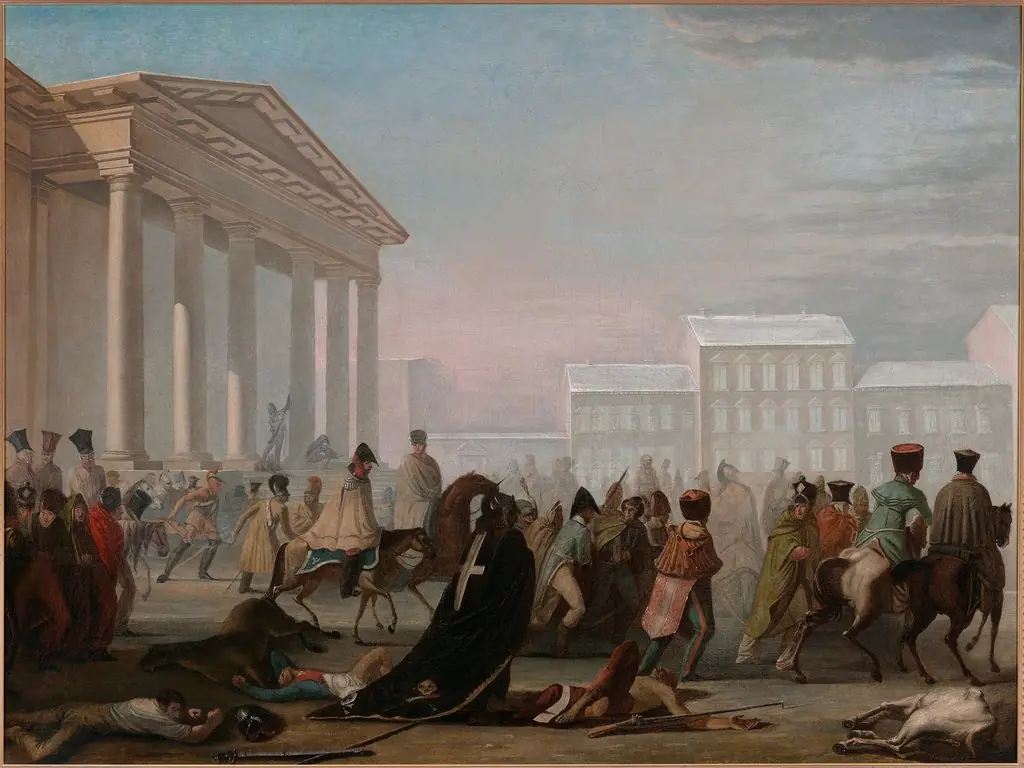 Retreat of Napoleon's army
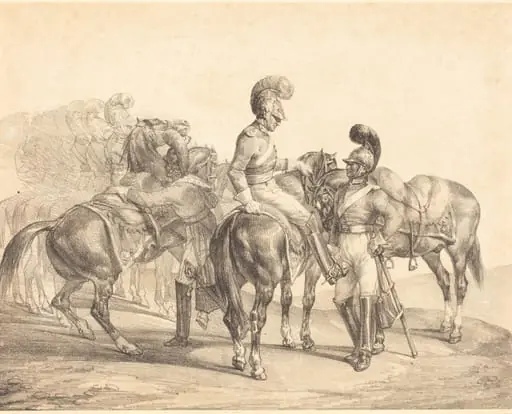 A Party of Life Guards
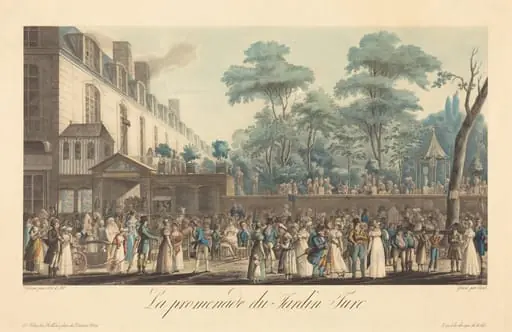 La promenade au Jardin Turc
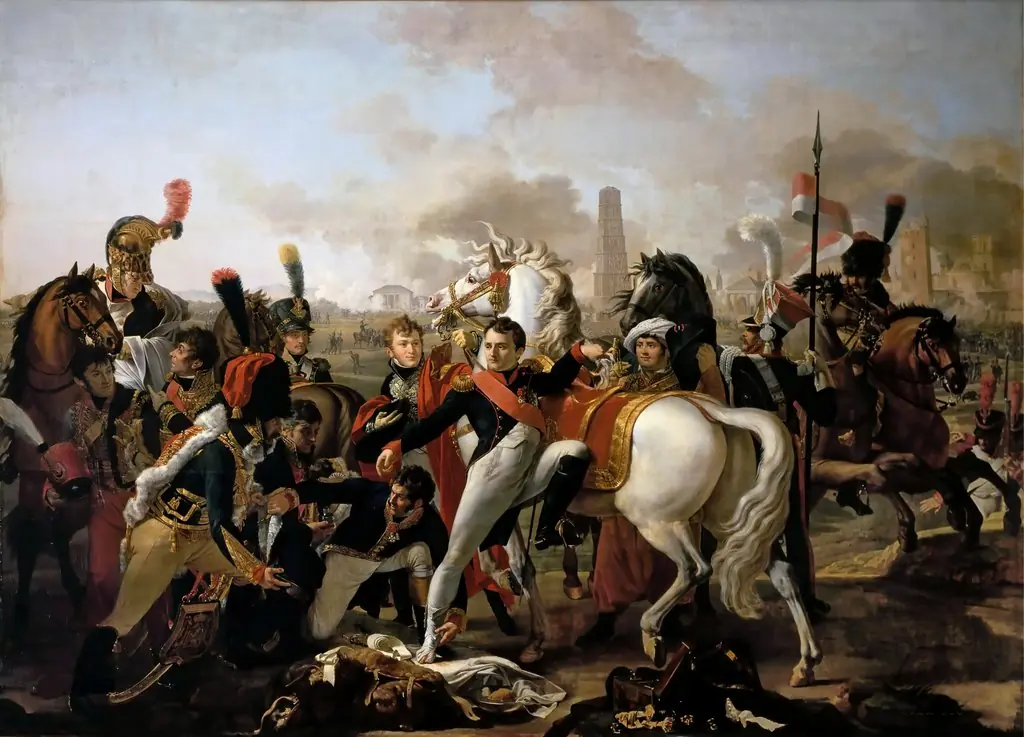 Napoleon dismounting with an injured foot at Regensburg, aided by the Surgeon, Yvan, April 23, 1809
 Attentat de Fieschi. Revue de la Garde nationale, 28 juillet 1835
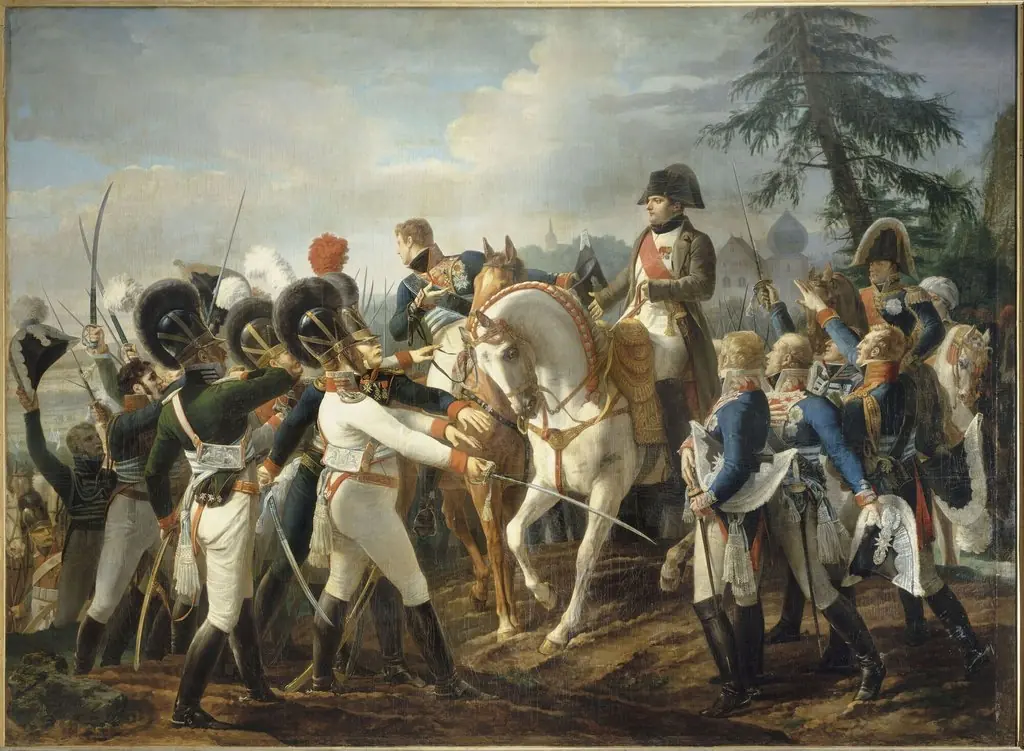 Napoléon harangue les troupes bavaroises et wurtembourgeoises à Abensberg, 20 avril 1809
 Review of the French Guards in the Presence of Charles X