Artwork
Bacchanale
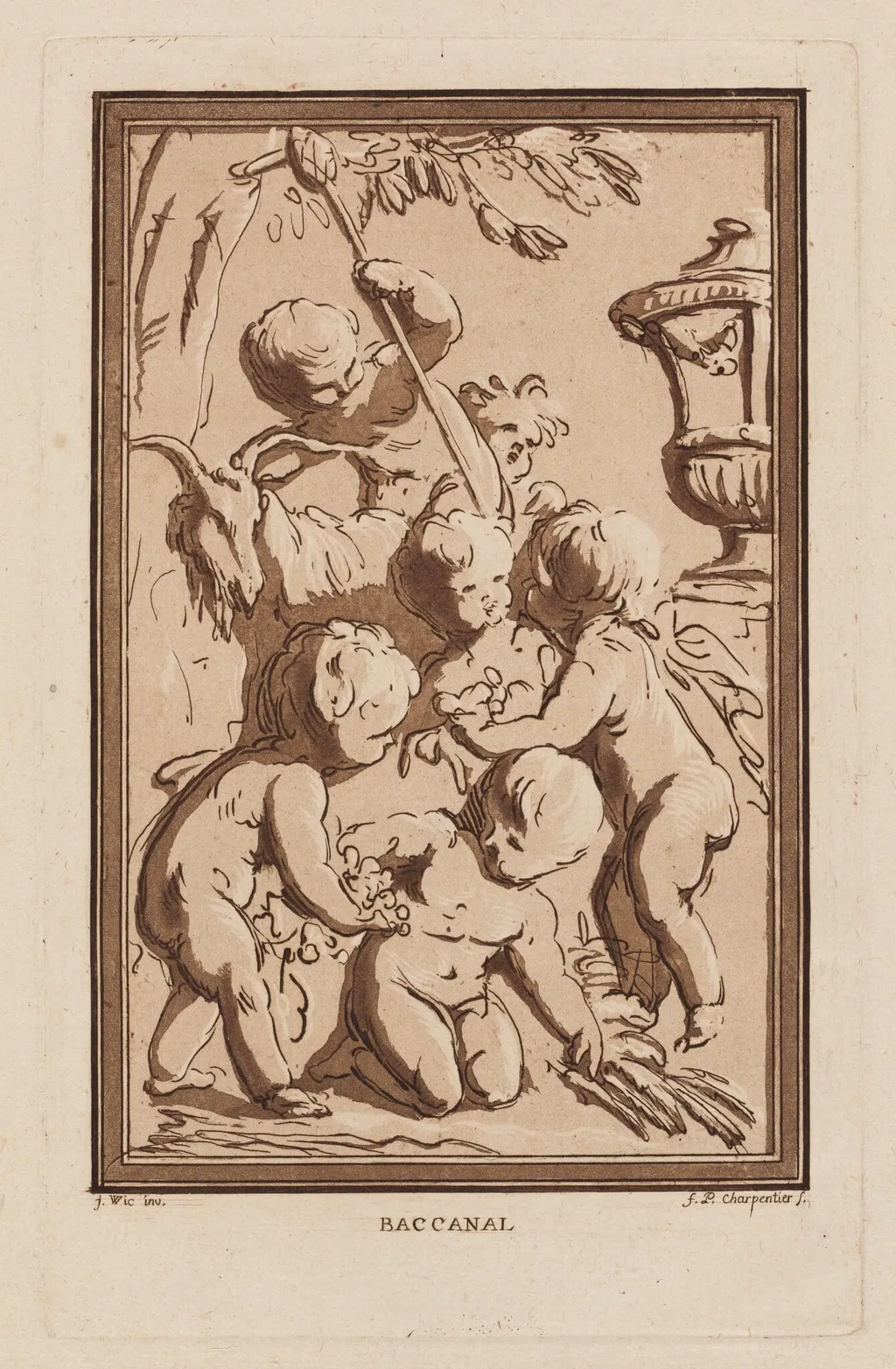
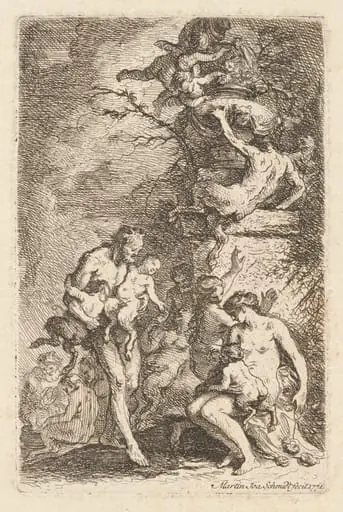
Bacchanale is an ink print by the Romanticist artist François-Philippe Charpentier. It dates from 1766 and is held in the collection of the National Gallery of Art.
About this work
Overview
This work exemplifies his early experimentation with aquatint and roulette, tools that allowed nuanced tonal effects in relief-based printing.
François-Philippe Charpentier, a French engraver born in 1734, produced *Bacchanale* in 1766 as an etching and aquatint on laid paper. After leaving Jesuit education due to financial hardship, he trained in Paris and became known for refining printmaking methods. This work exemplifies his early experimentation with aquatint and roulette, tools that allowed nuanced tonal effects in relief-based printing.
Subject & Meaning
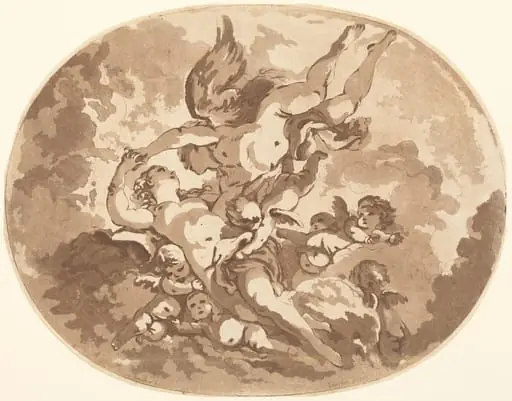
The print portrays a disorderly gathering of putti engaged in unrestrained revelry, evoking the mythological rites of Bacchus. Figures climb vines, grasp grapes, and lean against a shattered urn, suggesting both abundance and decay. The scene draws from ancient Roman festivals associated with wine and ecstasy, but rendered with a playful, almost chaotic energy that prioritizes movement over narrative clarity.
Technique & Style
Charpentier combined etching, aquatint, and roulette to build layered shadows and textured surfaces. The loose, rapid linework conveys spontaneity, while the aquatint’s soft gradations model form without hard outlines. The roulette, a toothed tool, added stippled textures to suggest foliage and skin, enhancing tactile depth. These methods allowed him to achieve atmospheric richness uncommon in prints of the period.
History & Provenance
Created in 1766, *Bacchanale* emerged during Charpentier’s formative years in Paris, when he was refining his technical innovations. Though little is documented about its early ownership, the print reflects his broader efforts to elevate printmaking beyond reproductive work. It was likely circulated among collectors interested in experimental graphic arts rather than traditional iconography.
Context
In mid-18th-century France, printmaking was shifting from strict reproduction toward expressive experimentation. Charpentier’s work aligned with growing interest in mythological themes and tactile surface effects. His use of aquatint responded to broader European trends, yet his integration of the roulette was distinctive, positioning him as a technical innovator within a conservative print culture.
Legacy
Charpentier’s techniques in *Bacchanale* influenced later printmakers seeking tonal variation without stippling or mezzotint. Though not widely celebrated in his lifetime, his methods contributed to the evolution of aquatint as a vehicle for painterly effects. The print remains a quiet testament to his role in expanding the expressive potential of intaglio processes.
Artist & collection

Artist
François-Philippe Charpentier (b. Blois, 1734; d. there 22 July 1817) was a French engraver and inventor. His father was a bookbinder, a poor man who reportedly made many sacrifices so that his son might attend the…

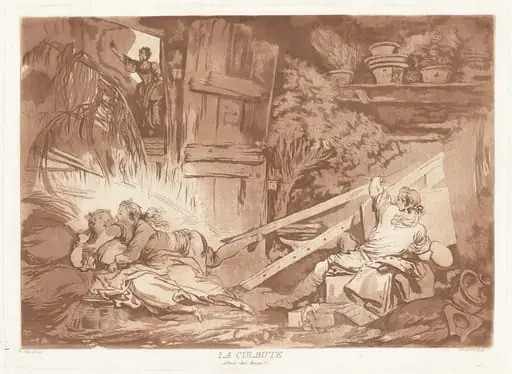 La Culbute (The Tumble)
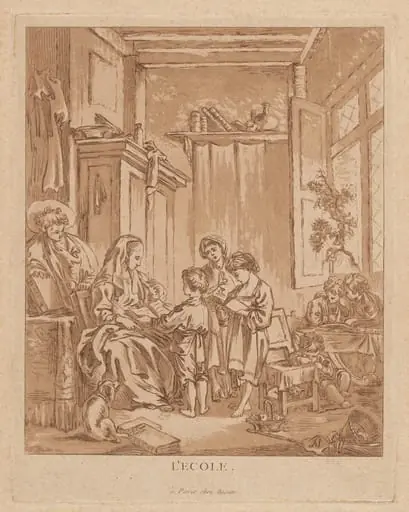 L’École (The School)
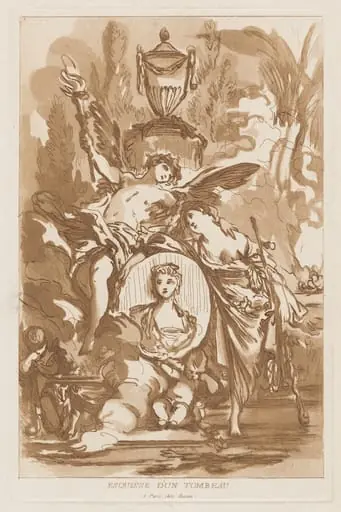 Esquisse d’un tombeau (Sketch for a Tomb)
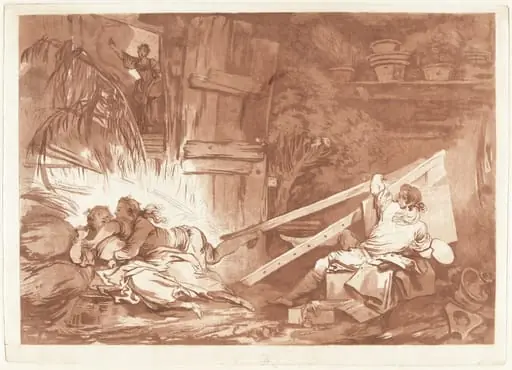 The Tumble
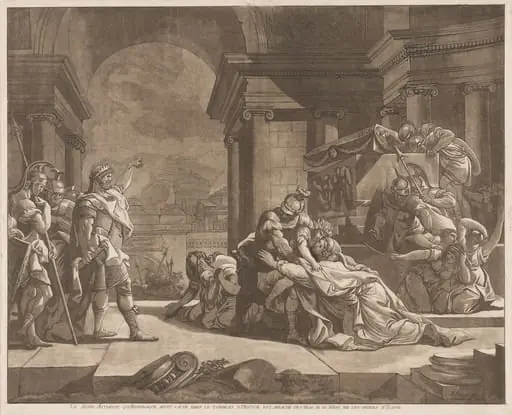 Le Jeune Astianax qu’Andromaque avoit caché dans le tombeau d’Hector est arraché des bras de sa Mere par les ordres d'Ulisse (Young Astianax, who Andromache Hid in Hector's Tomb, is Seized from his Mother's Arms by Ulysses' Orders)
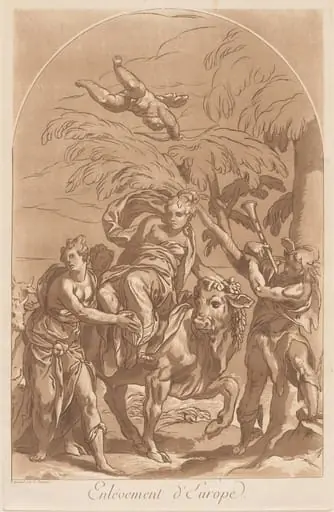 Rape of Europa
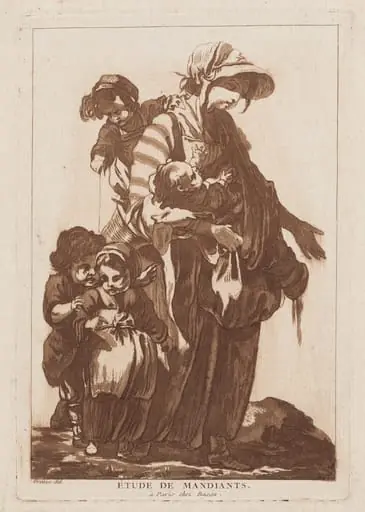 Étude de Mandiants (Study of Beggars)
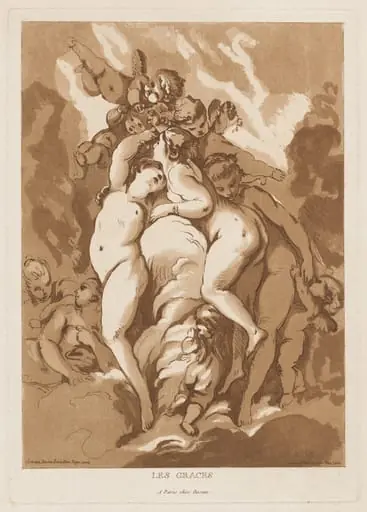 Les Graces (The Graces)
![The Altar of Friendship [l’Autel de l'Amitié], by François Boucher](https://artifactworldgallery.com/img/francois-boucher--the-altar-of-friendship-l-autel-de-l-amitie--7a8337d956e95de0-w320.webp)