Artwork
Repos de Chasse (Rest from Hunting)
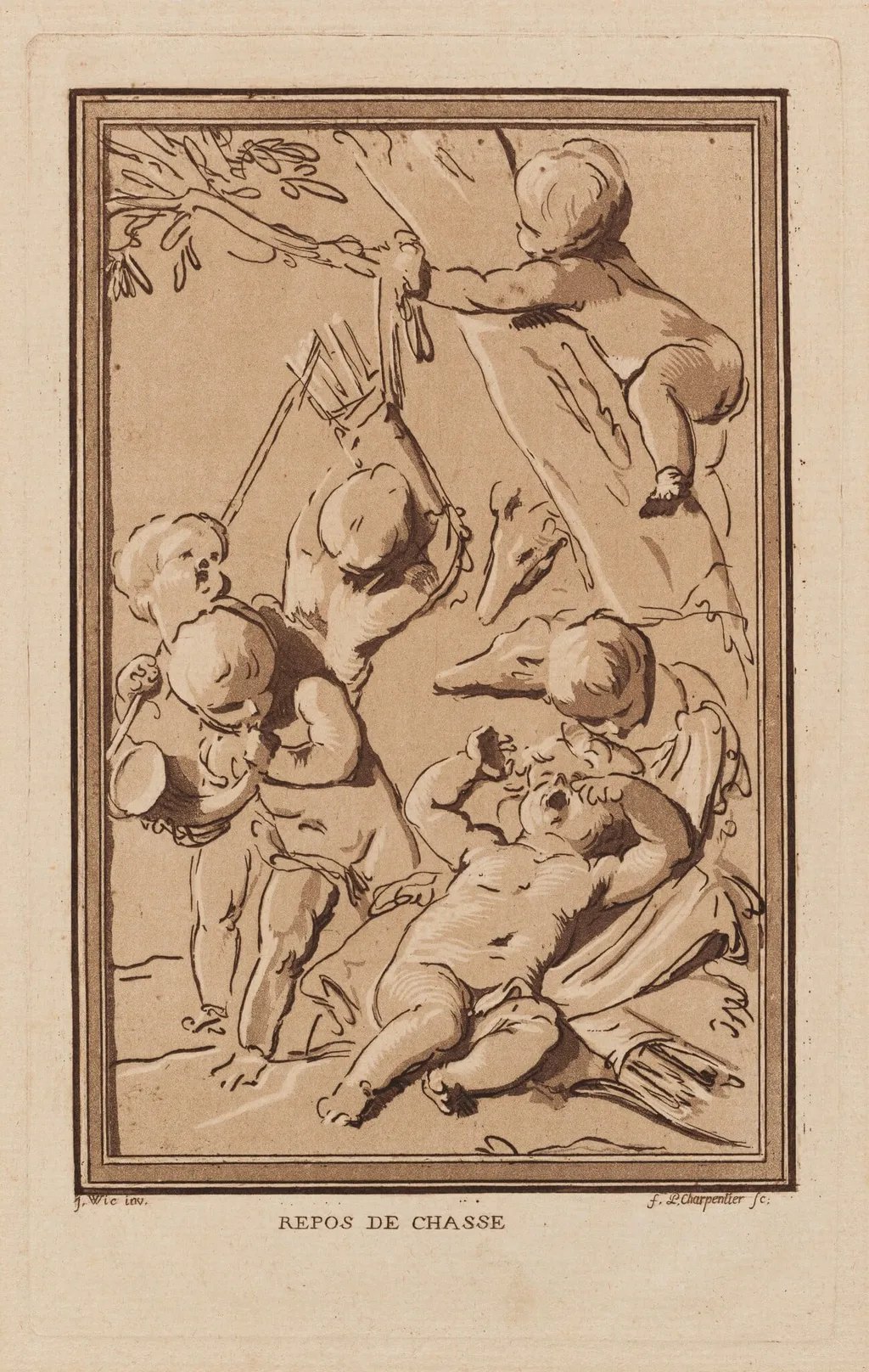
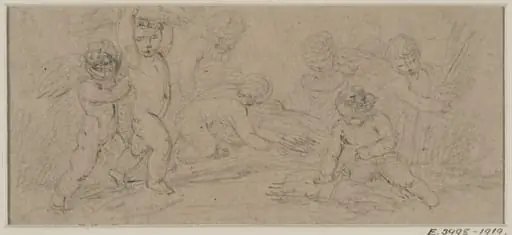
Repos de Chasse (Rest from Hunting) is an ink print by the Romanticist artist François-Philippe Charpentier. It dates from 1766 and is held in the collection of the National Gallery of Art.
About this work
Overview
This work exemplifies mid-18th-century innovations in tonal printing, using brown ink to achieve subtle gradations and a sketchlike texture.
François-Philippe Charpentier, a French engraver born in 1734, produced *Repos de Chasse* in 1766 as an etching and aquatint on laid paper. Trained in a Parisian copperplate workshop after minimal formal education, he became known for refining mechanical methods in printmaking. This work exemplifies mid-18th-century innovations in tonal printing, using brown ink to achieve subtle gradations and a sketchlike texture.
Subject & Meaning
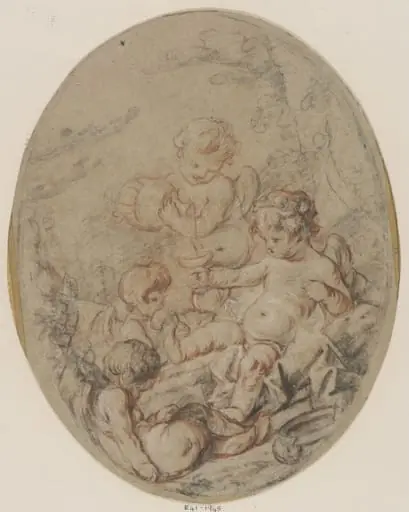
The print portrays a group of putti—naked, plump child figures—relaxing after a hunt. One leans on a spear, another lies sprawled, and a third sits with legs raised; a dog rests nearby, and the carcass of a deer emerges from foliage. These figures, drawn from classical tradition, symbolize unburdened playfulness. The title, 'Rest from Hunting,' frames the scene as a lighthearted pause, contrasting the violence of the hunt with serene idleness.
Technique & Style
Charpentier employed etching for fine linear detail and aquatint to create soft, wash-like tonal areas, both printed in brown. The result is a loose, atmospheric composition that mimics a drawn sketch. The technique allowed him to blend sharp outlines with blurred shadows, enhancing the sense of movement and casual repose. This method reflected contemporary efforts to expand printmaking beyond line work into richer, more painterly effects.
History & Provenance
Created in 1766, the print emerged during a period of active experimentation in French printmaking. Charpentier, the son of a bookbinder, developed mechanical aids to improve aquatint precision, positioning him as a technical innovator. While the print’s early ownership is undocumented, its survival in institutional collections suggests it was valued for its technical ingenuity and charming subject matter within artistic circles of the late 18th century.
Context
In mid-18th-century France, genre scenes and pastoral themes gained popularity among collectors and artists alike. Charpentier’s depiction of putti in a hunting rest aligns with this trend, drawing from classical mythology and Rococo sensibilities. The use of putti as symbols of innocence and play was widespread, but his application in a hunting context offered a whimsical twist on traditional allegory.
Legacy
Charpentier’s work contributed to the evolution of aquatint as a viable medium for tonal expression in prints. Though not widely celebrated in his lifetime, his technical refinements influenced later printmakers seeking to emulate the effects of watercolor and drawing. *Repos de Chasse* remains a notable example of how mechanical innovation and playful subject matter intersected in 18th-century French graphic arts.
Artist & collection

Artist
François-Philippe Charpentier (b. Blois, 1734; d. there 22 July 1817) was a French engraver and inventor. His father was a bookbinder, a poor man who reportedly made many sacrifices so that his son might attend the…

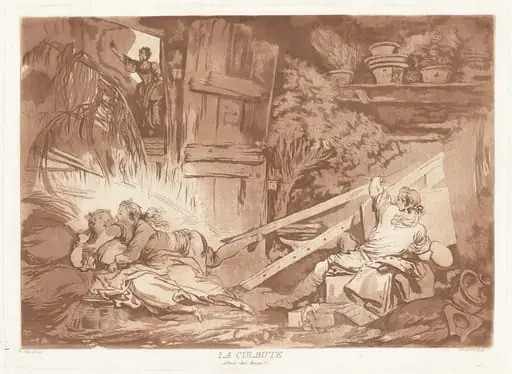 La Culbute (The Tumble)
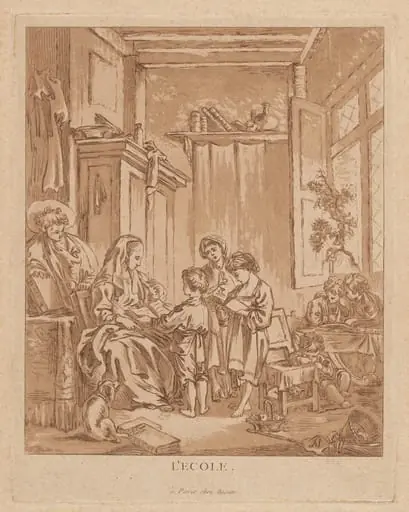 L’École (The School)
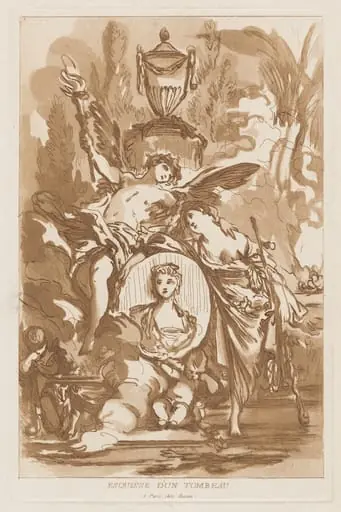 Esquisse d’un tombeau (Sketch for a Tomb)
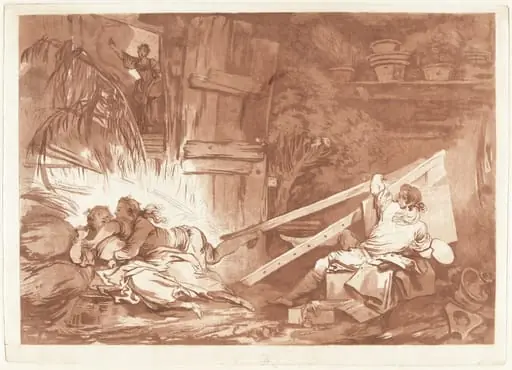 The Tumble
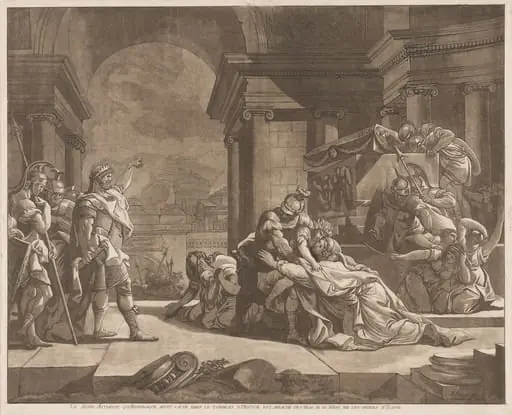 Le Jeune Astianax qu’Andromaque avoit caché dans le tombeau d’Hector est arraché des bras de sa Mere par les ordres d'Ulisse (Young Astianax, who Andromache Hid in Hector's Tomb, is Seized from his Mother's Arms by Ulysses' Orders)
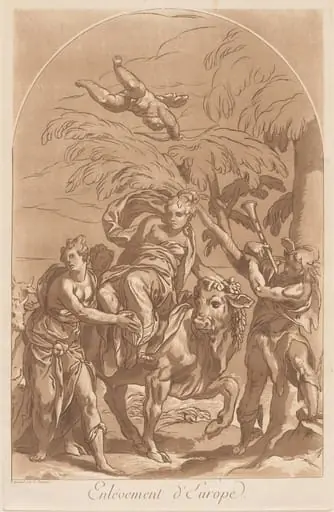 Rape of Europa
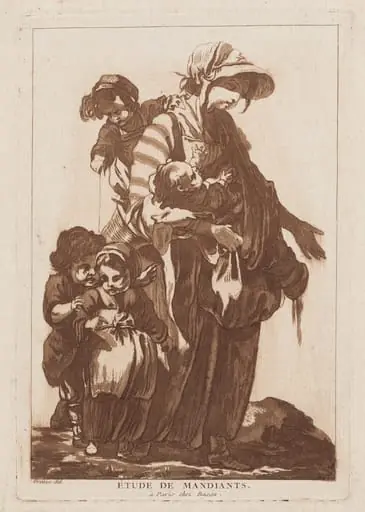 Étude de Mandiants (Study of Beggars)
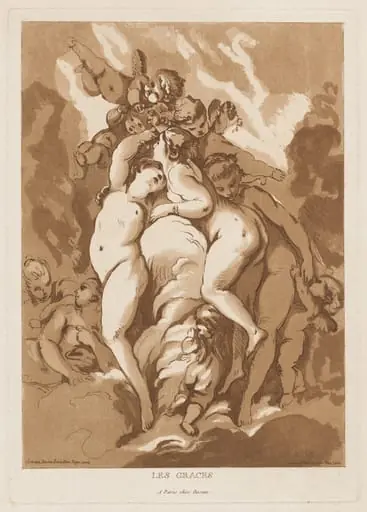 Les Graces (The Graces)