Artwork
Copy of a detail of the Ghent Altarpiece, Adoration of the Lamb, by Hubert and Jan van Eyck in the church of St Bavon, Ghent.
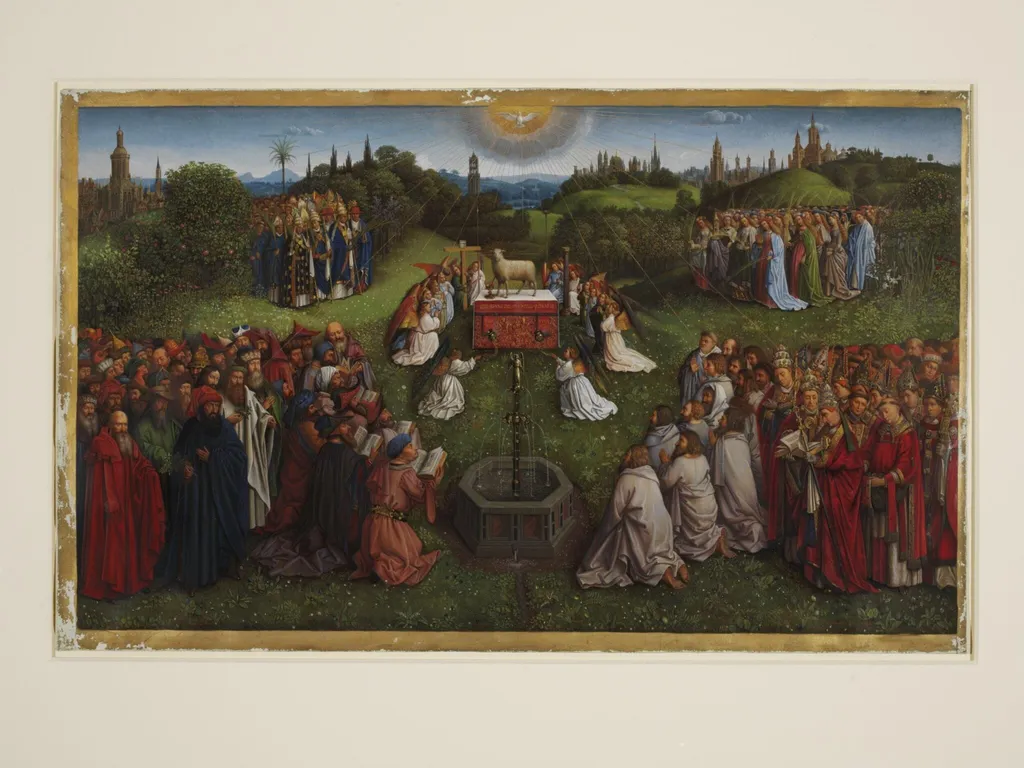
Copy of a detail of the Ghent Altarpiece, Adoration of the Lamb, by Hubert and Jan van Eyck in the church of St Bavon, Ghent. is a watercolor work on paper by the Impressionist artist Christian Schultz. It dates from 1865 and is held in the collection of the Victoria and Albert Museum.
About this work
Overview
This watercolour is a 19th-century copy of a specific detail from the medieval Ghent Altarpiece's 'Adoration of the Lamb' panel, executed by Christian Schultz in 1865.
Subject & Meaning
The scene depicts a multitude gathered in a field around a golden altar, where a white lamb and an open book are placed. Figures in various robes (red, blue, white) and some aerial beings converge towards the altar, set against a backdrop of a towered city and a dove-shaped glow. The original's religious depth is reflected in this copy.
Technique & Style
Schultz utilized watercolour to recreate the chosen detail, differing from the original altarpiece's medium. The watercolour technique lends a distinct transparency and delicacy to the copy compared to the oil-on-panel original.
History & Provenance
Commissioned by the Arundel Society, the watercolour was created in 1865 under Schultz's hand and published three years later in 1868 by Hangard-Mauge under the artist's supervision.
Context
This copy was part of 19th-century efforts to reproduce and disseminate famous artworks, making them more accessible. The original Ghent Altarpiece, by Hubert and Jan van Eyck, is a landmark of Early Netherlandish art.
Legacy
The watercolour copy, while derivative, contributes to the broader legacy of the Ghent Altarpiece by serving as an example of how its imagery was reproduced and appreciated in later centuries. It is associated with collections like the Victoria and Albert Museum, which house similar reproductive artworks.
Artist & collection

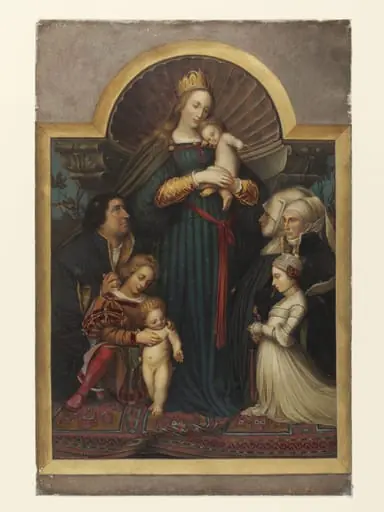 Copy after the painting Virgin and Child and Meyer Family by Hans Holbein in Darmstadt
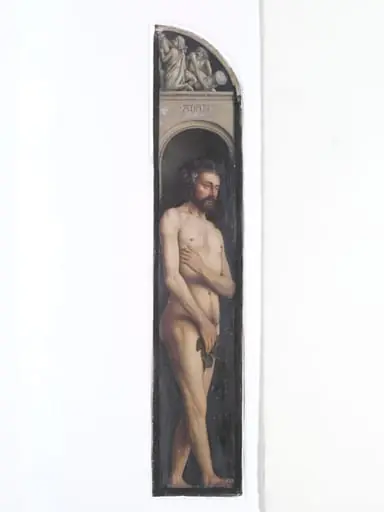 Copy of a detail from the Ghent Altarpiece, Adam, by Hubert and Jan van Eyck in the church of St Bavon, Ghent.
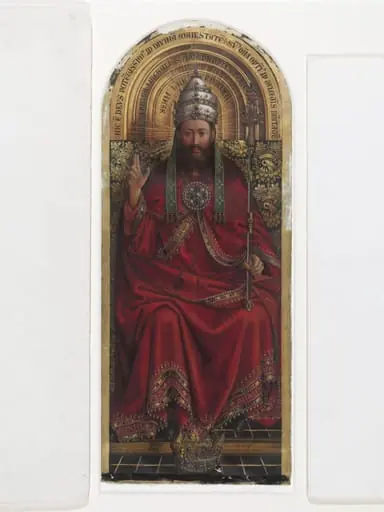 Copy of a detail of the Ghent Altarpiece, Triune God by Hubert and Jan van Eyck in the church of St Bavon, Ghent
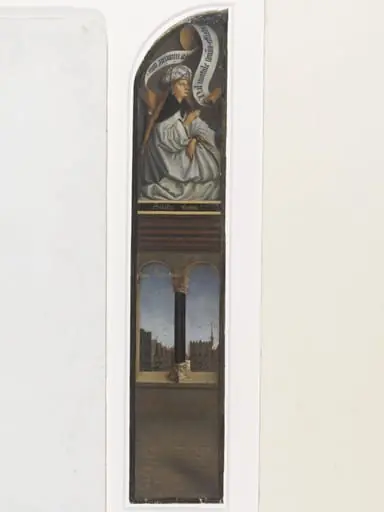 Copy of a detail of the Ghent Altarpiece, Sibyl of Erythrae, by Hubert and Jan van Eyck in the church of St Bavon, Ghent.
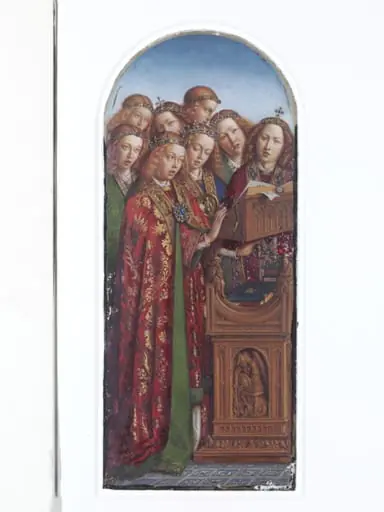 Copy of a detail of the Ghent Altarpiece, Angelic Choir, by Hubert and Jan van Eyck in the church of St Bavon, Ghent.
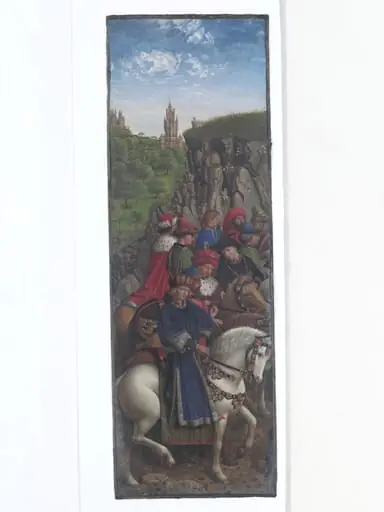 Copy of a detail of the Ghent Altarpiece, The Just Judges, by Hubert and Jan van Eyck in St Bavon, Ghent.
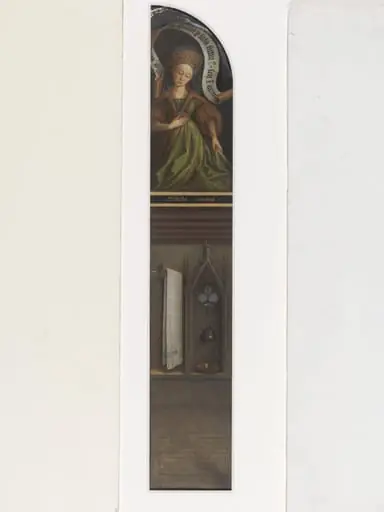 Copy of a detail of the Ghent Altarpiece, Sibyl of Cumaea, by Hubert and Jan van Eyck in the church of St Bavon, Ghent
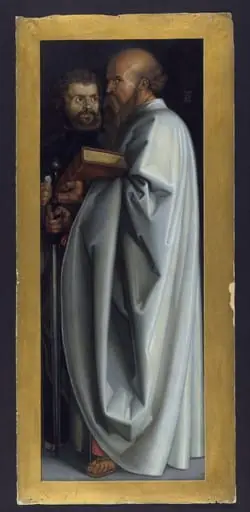 St Mark and St Paul
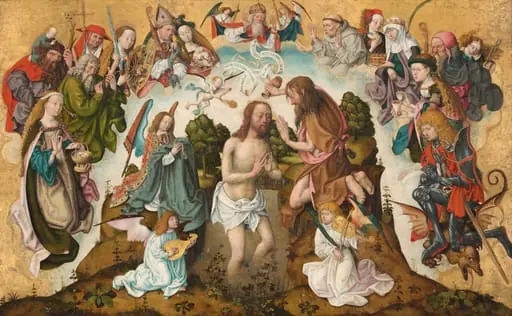 The Baptism of Christ
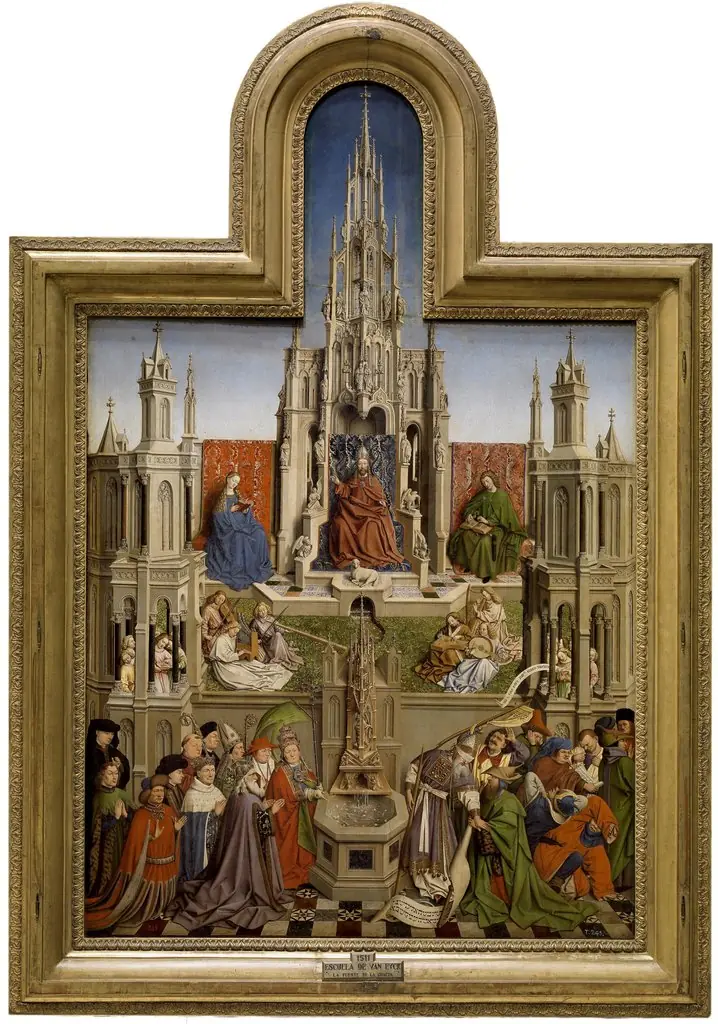 The Fountain of Life
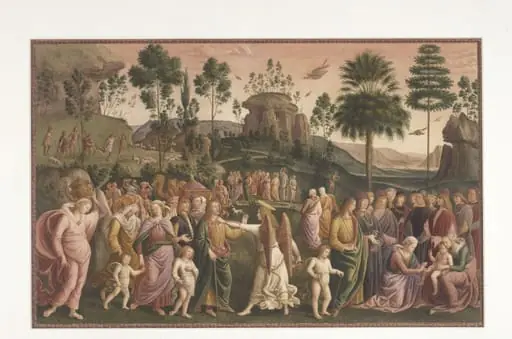 Copy after the painting Moses and the Angel by Perugino in the Collegio del Cambio, Perugia.
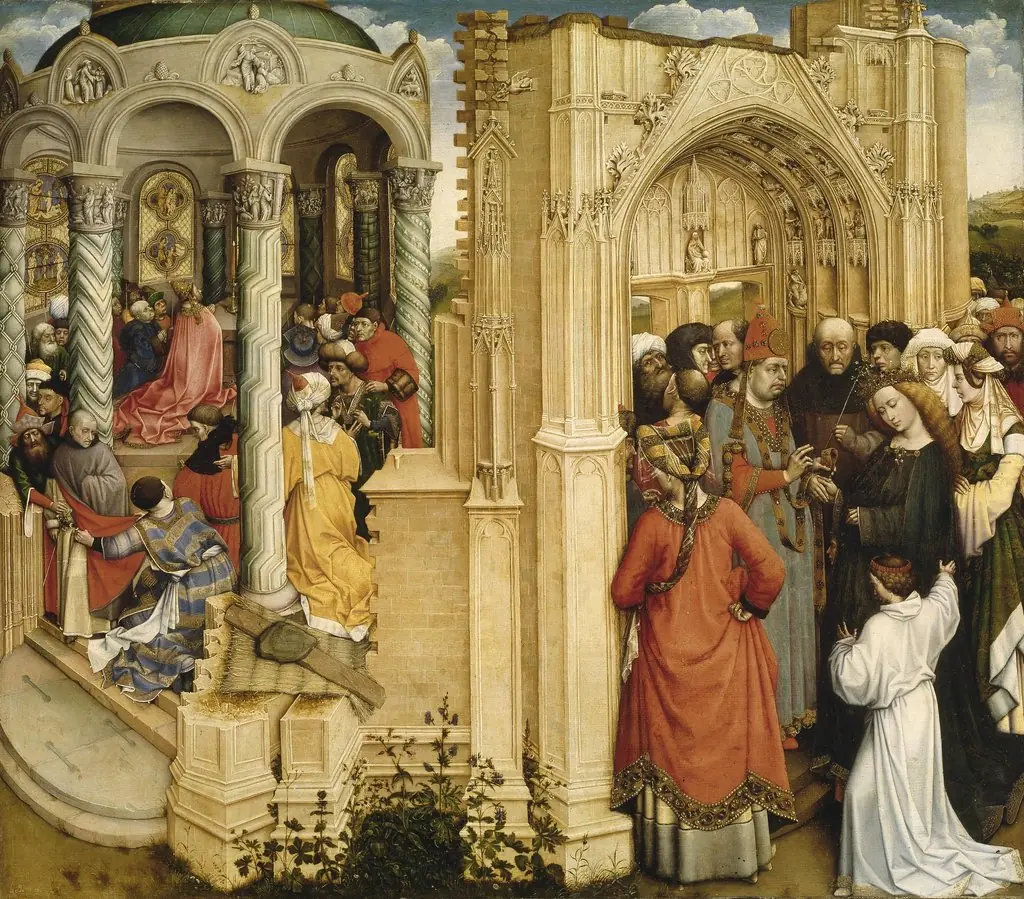 The miracle of the flowering rod (left); the marriage of Mary and Joseph (right)
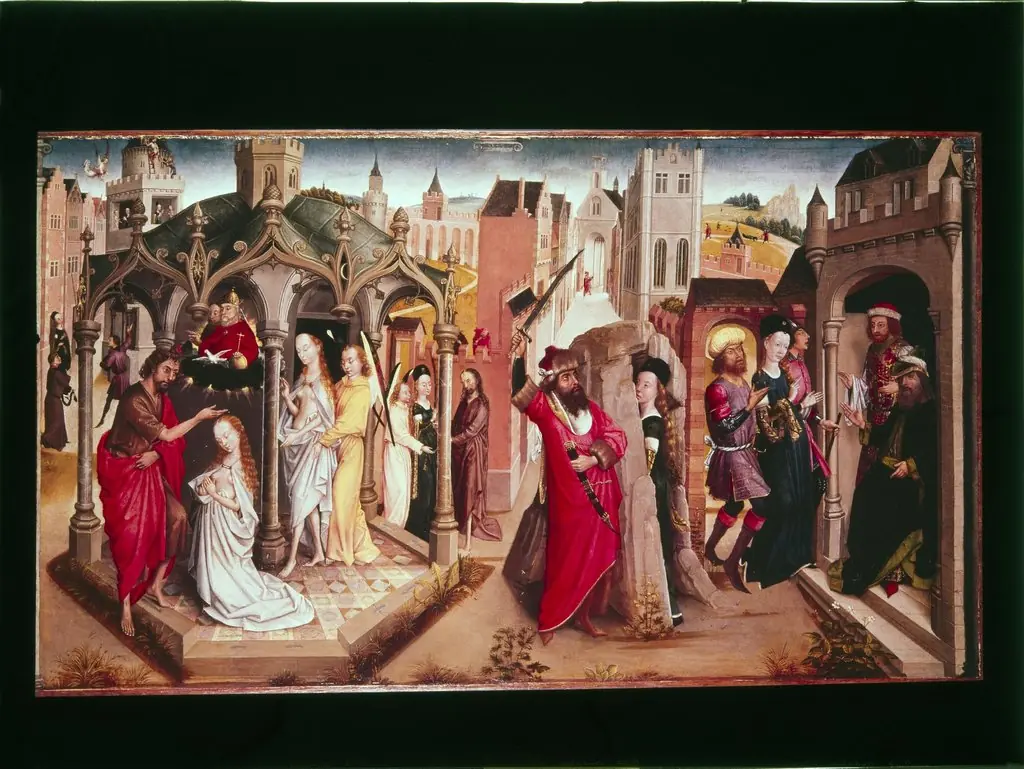 Part of a triptych; Scenes of the Life of St. Barbara
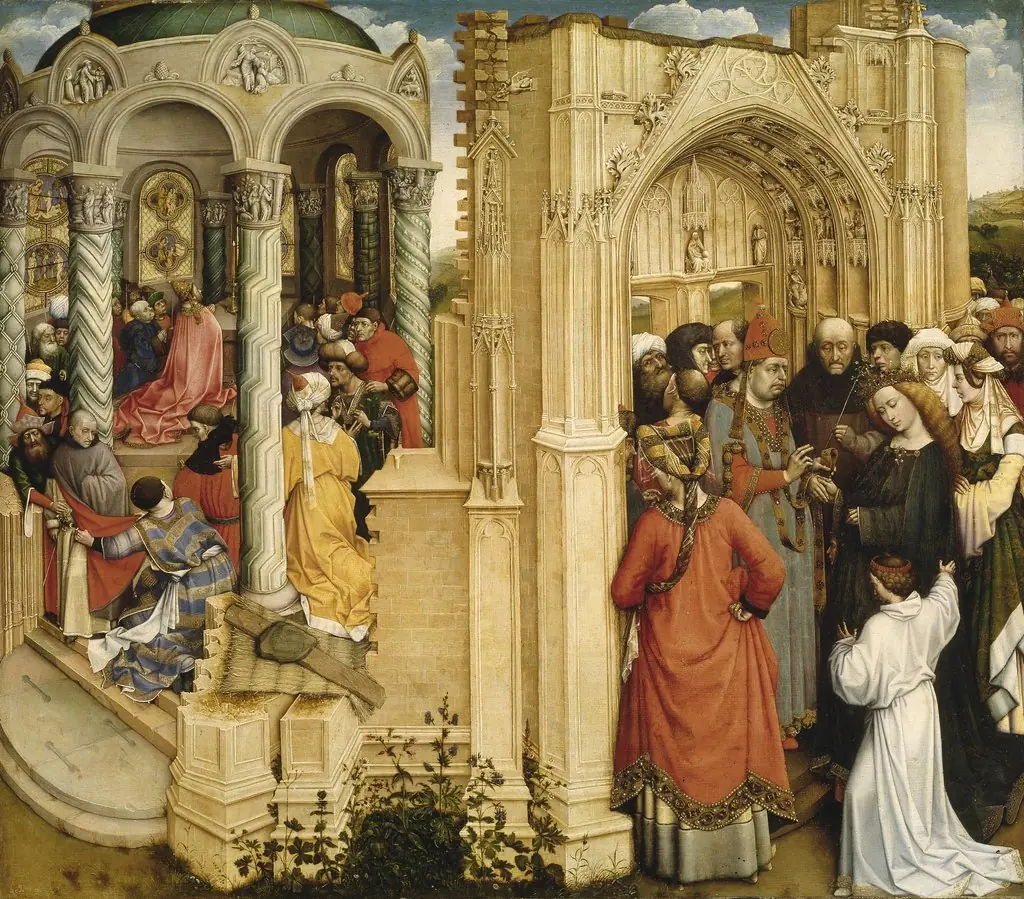 Marriage of the Virgin
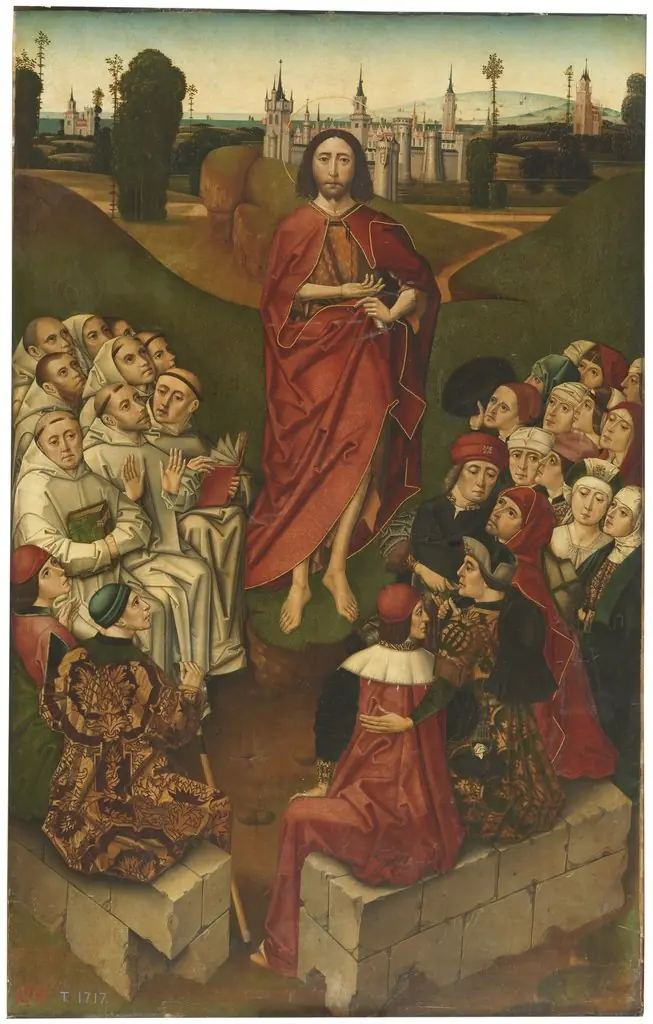 Saint John the Baptist Preaching
 The Mass of Saint Gregory