Artwork
Copy of a detail of the Ghent Altarpiece, Sibyl of Erythrae, by Hubert and Jan van Eyck in the church of St Bavon, Ghent.
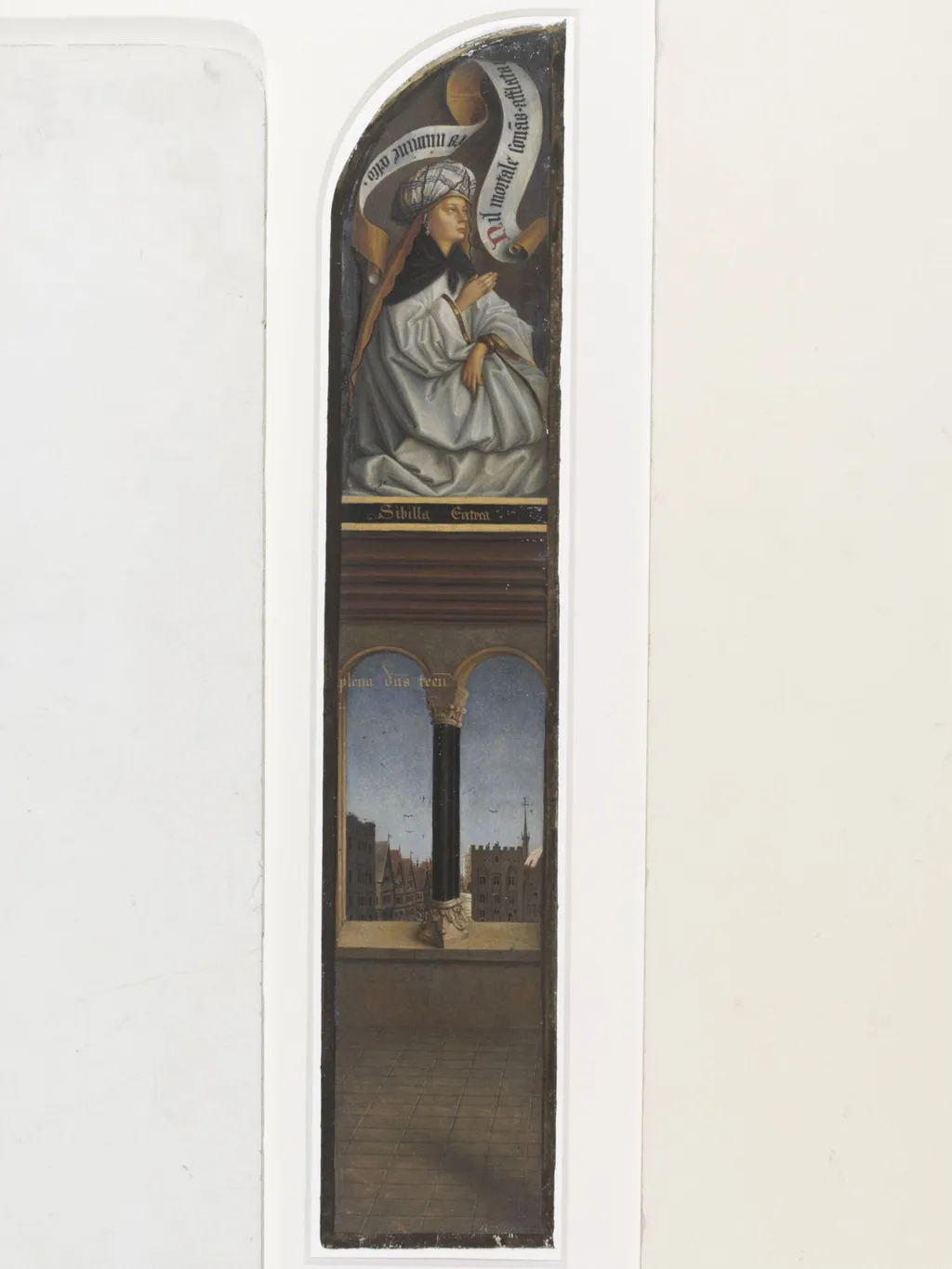
Copy of a detail of the Ghent Altarpiece, Sibyl of Erythrae, by Hubert and Jan van Eyck in the church of St Bavon, Ghent. is a watercolor work on paper by the Impressionist artist Christian Schultz. It dates from 1864 and is held in the collection of the Victoria and Albert Museum.
About this work
Overview
The copy was later published in 1871 under Schultz’s oversight, reflecting 19th-century scholarly interest in preserving visual details of historic works.
In 1864, Christian Schultz created a watercolour reproduction of the Sibyl of Erythrae from the Ghent Altarpiece. Commissioned by the Arundel Society, this study was part of a broader effort to document and disseminate medieval and early Netherlandish art. The copy was later published in 1871 under Schultz’s oversight, reflecting 19th-century scholarly interest in preserving visual details of historic works.
Subject & Meaning
The figure depicts the Sibyl of Erythrae, a classical prophetess traditionally associated with foretelling Christian salvation. In the original altarpiece, she stands among other sibyls and prophets as witnesses to divine truth. Schultz’s copy preserves her kneeling posture and scroll, emphasizing her role as a conduit of sacred knowledge, though the spiritual context is stripped of its original polyptych setting.
Technique & Style
Schultz rendered the figure with meticulous attention to textile folds, delicate linework, and atmospheric depth. The watercolour medium allowed for subtle gradations in tone, particularly in the robe’s light fabric and the distant townscape. Background elements—column, crown, and church steeple—are rendered with precision, mirroring the original’s intricate detail while adapting to the limitations of the smaller scale and medium.
History & Provenance
The watercolour was commissioned by the Arundel Society, a British organization dedicated to reproducing important artworks for educational use. After completion, it was included in a series of publications issued by Hangard-Mauge in 1871. The work remains part of the historical record of 19th-century art documentation practices, though its current location is not specified in available records.
Context
Schultz’s copy emerged during a period of renewed interest in early Netherlandish painting, fueled by academic study and the rise of art historical preservation. The Arundel Society’s projects aimed to make high-quality reproductions accessible to institutions and students, countering the inaccessibility of original works in remote churches like St. Bavo’s in Ghent.
Legacy
This watercolour exemplifies 19th-century efforts to translate complex panel paintings into portable, study-friendly formats. While not an original, it serves as a valuable record of the Ghent Altarpiece’s detail before modern conservation. Such copies helped shape public and scholarly understanding of Early Netherlandish art in an era before widespread photography.
Artist & collection

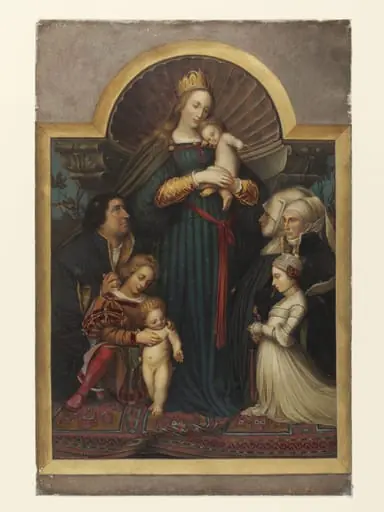 Copy after the painting Virgin and Child and Meyer Family by Hans Holbein in Darmstadt
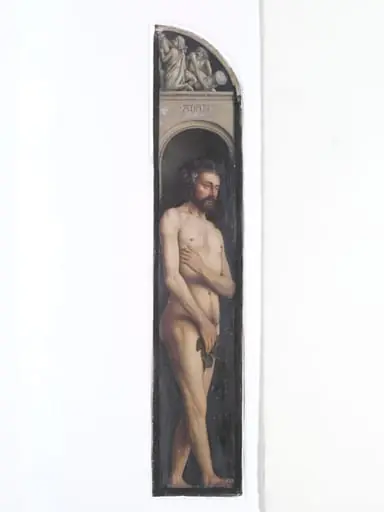 Copy of a detail from the Ghent Altarpiece, Adam, by Hubert and Jan van Eyck in the church of St Bavon, Ghent.
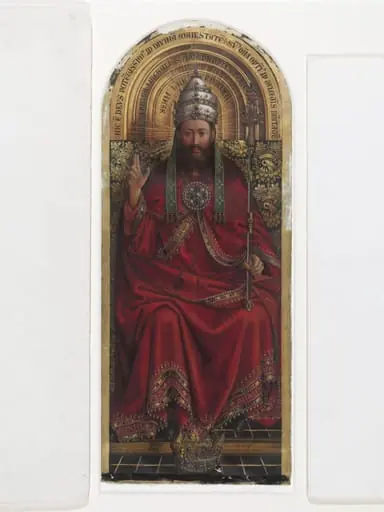 Copy of a detail of the Ghent Altarpiece, Triune God by Hubert and Jan van Eyck in the church of St Bavon, Ghent
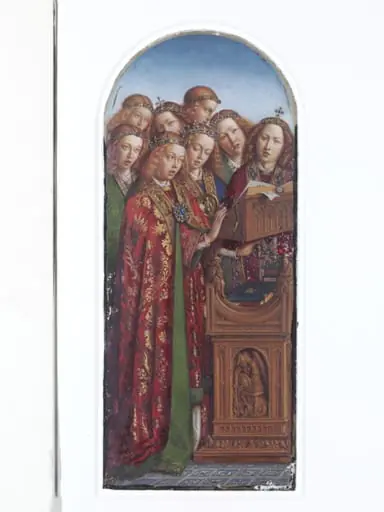 Copy of a detail of the Ghent Altarpiece, Angelic Choir, by Hubert and Jan van Eyck in the church of St Bavon, Ghent.
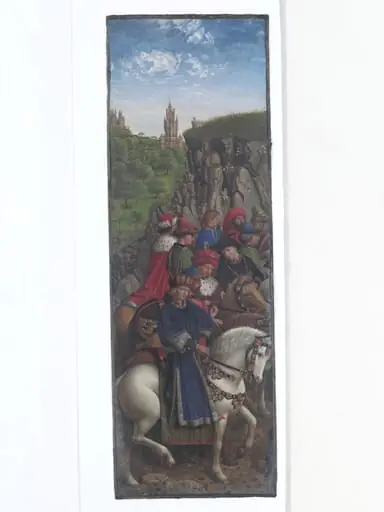 Copy of a detail of the Ghent Altarpiece, The Just Judges, by Hubert and Jan van Eyck in St Bavon, Ghent.
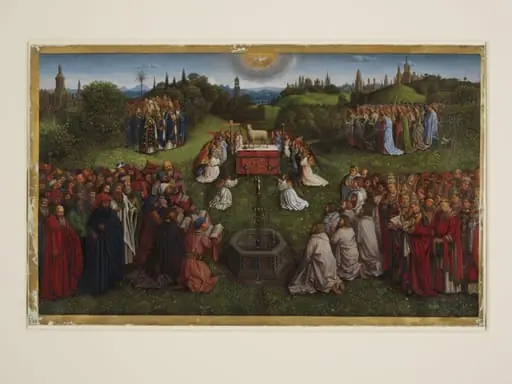 Copy of a detail of the Ghent Altarpiece, Adoration of the Lamb, by Hubert and Jan van Eyck in the church of St Bavon, Ghent.
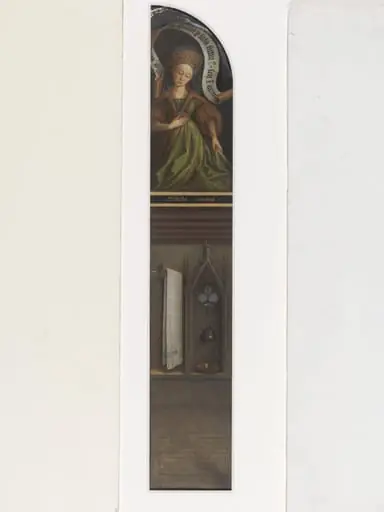 Copy of a detail of the Ghent Altarpiece, Sibyl of Cumaea, by Hubert and Jan van Eyck in the church of St Bavon, Ghent
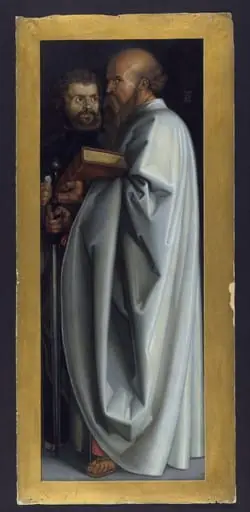 St Mark and St Paul
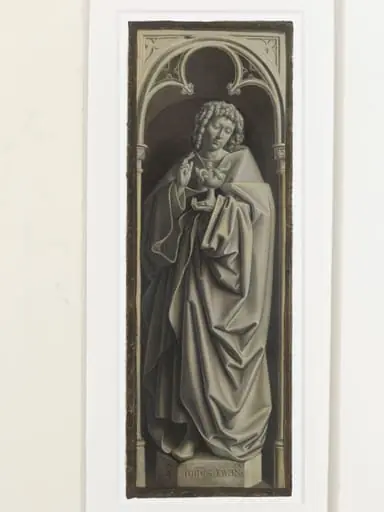 Copy of a detail of the Ghent Altarpiece, St John the Evangelist, by Hubert and Jan van Eyck in the church of St Bavon, Ghent.
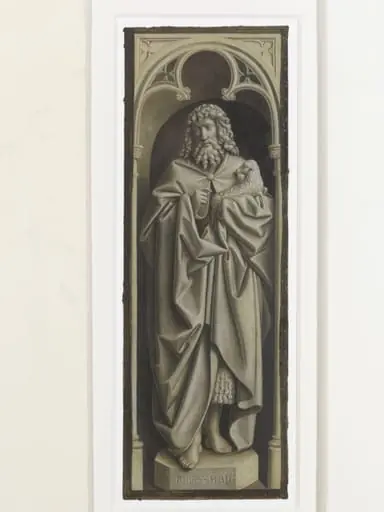 Copy of a detail of the Ghent Altarpiece, St John the Baptist by Hubert and Jan van Eyck in the church of St Bavon, Ghent.
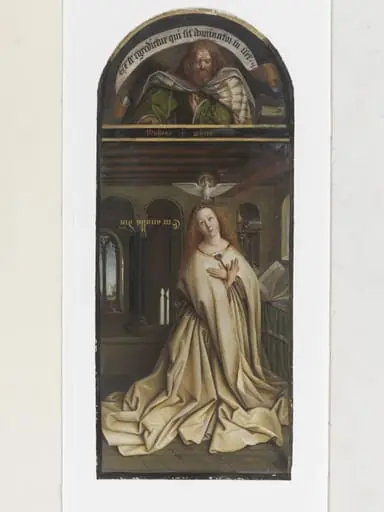 Copy of a detail of the Ghent Altarpiece, Annunicatory Angel and Prophet, by Hubert and Jan van Eyck in the church of St Bavon, Ghent.
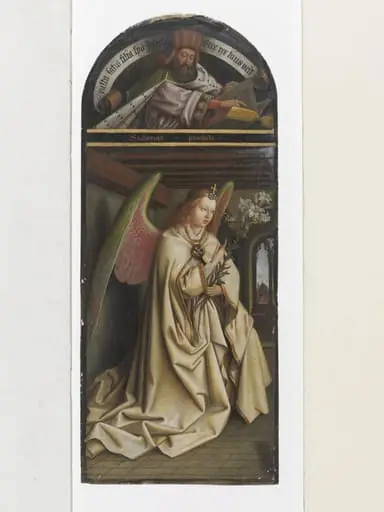 Copy of detail of the Ghent Altarpiece, Virgin Annunciate and Prophet, by Hubert and Jan van Eyck in the church of St Bavon, Ghent.
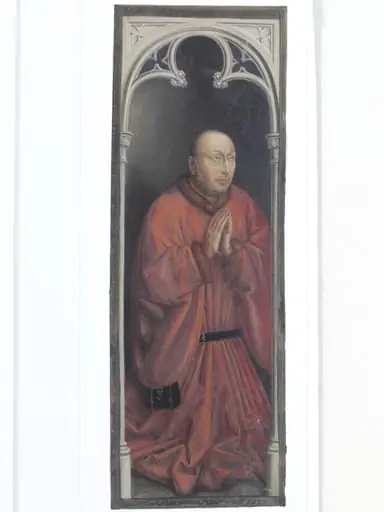 Copy of a detail of the Ghent Altarpiece, Josse Vyd, by Hubert and Jan van Eyck in the church of St Bavon, Ghent
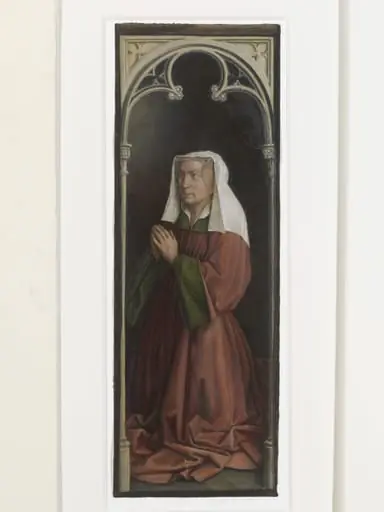 Copy of a detail from the Ghent Altarpiece, Isabelle Borluut, by Hubert and Jan van Eyck in the church of St Bavon, Ghent.
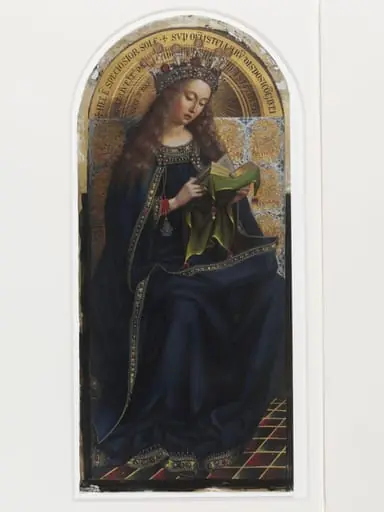 Copy of detail from the Ghent Altarpiece, The Virgin by Hubert and Jan van Eyck in the church of St Bavon, Ghent
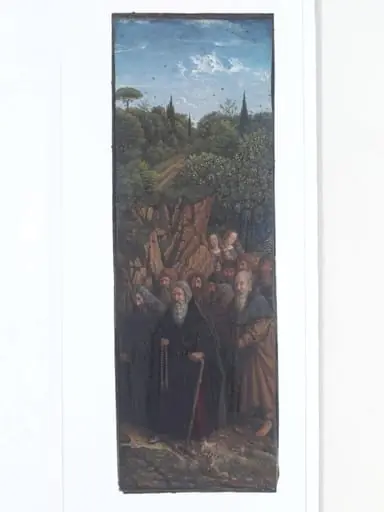 Copy of a detail of the Ghent Altarpiece, The Pilgrims, by Hubert and Jan van Eyck in the church of St. Bavon, Ghent.