Artwork
Richard, Duke of York, taking leave of his mother, Elizabeth Woodville, in the Sanctuary, Westminster
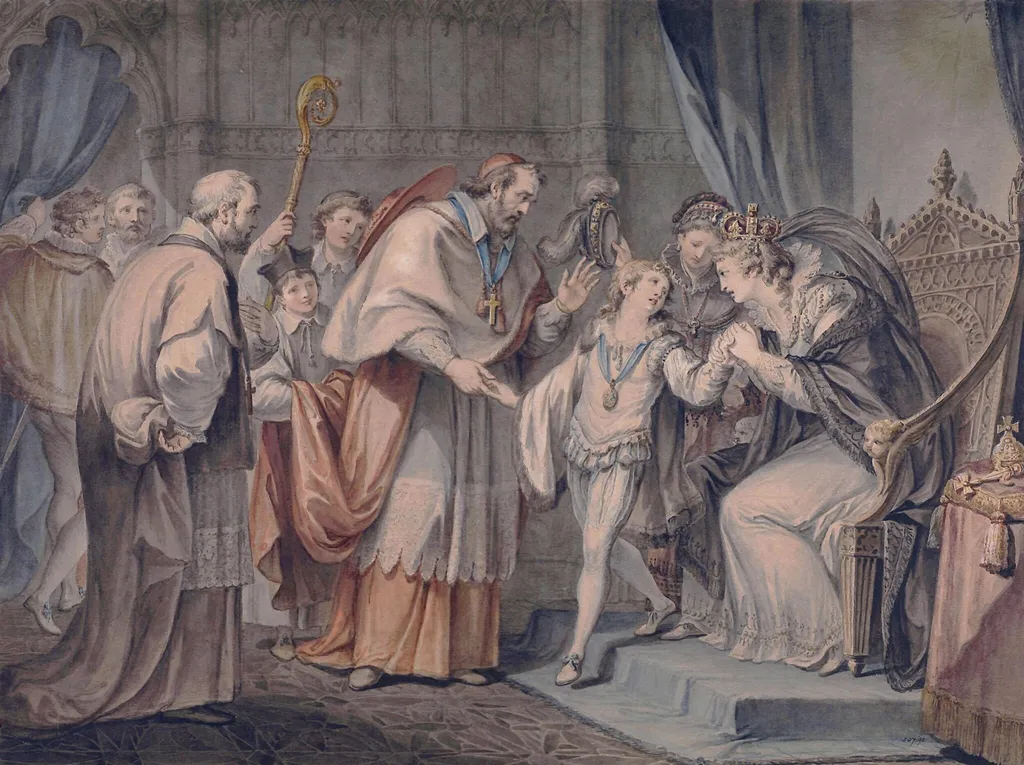
Richard, Duke of York, taking leave of his mother, Elizabeth Woodville, in the Sanctuary, Westminster is a watercolor work on paper by the Rococo painting artist Giovanni Battista Cipriani. It dates from 1785 and is held in the collection of the Victoria and Albert Museum.
About this work
Overview
The artist signed and dated the piece, affirming its authorship and placing it within a specific moment of artistic practice.
This 1785 watercolour by Giovanni Battista Cipriani depicts a private moment between Richard, Duke of York, and his mother, Elizabeth Woodville, within the sanctuary of Westminster Abbey. Created during the late 18th century, the work belongs to a tradition of historical scenes rendered in delicate watercolour, a medium favored for its intimacy and tonal subtlety. The artist signed and dated the piece, affirming its authorship and placing it within a specific moment of artistic practice.
Subject & Meaning
The scene captures Richard, Duke of York, preparing to leave his mother as he enters the sanctuary—a place of legal protection during political turmoil. Though historically ambiguous, the moment reflects the vulnerability of royal children amid dynastic conflict. Cipriani emphasizes emotional restraint rather than drama, suggesting the weight of impending separation without overt gesture, inviting contemplation over sentimentality.
Technique & Style
Cipriani employed watercolour with a restrained palette and fine brushwork to convey texture and atmosphere. The figures are rendered with soft contours, their expressions subdued, while architectural details of the sanctuary are suggested rather than fully defined. This approach aligns with 18th-century British watercolour practices that prioritized mood and narrative nuance over grandeur, reflecting a taste for quiet, introspective history painting.
History & Provenance
The work was completed in 1785, during a period when British artists increasingly turned to historical and literary subjects for patronage. Its origin likely lies in private commissions or academic circles interested in Tudor history. While its early ownership is undocumented, its survival and signature suggest it was valued as a finished work, possibly displayed in a collector’s cabinet or studied as an example of historical watercolour technique.
Context
Cipriani’s depiction emerges from a broader 18th-century fascination with England’s medieval past, particularly the Wars of the Roses. Though the sanctuary scene lacks direct historical documentation, it resonates with contemporary literary and theatrical portrayals of royal tragedy. The choice of watercolour, rather than oil, signals a preference for intimacy and scholarly reflection over public spectacle.
Legacy
Though not widely exhibited today, the work remains a representative example of late 18th-century British watercolour history painting. It illustrates how artists like Cipriani contributed to shaping public memory of medieval England through quiet, emotionally calibrated scenes. Its preservation offers insight into the evolving relationship between historical narrative and artistic medium in an age of antiquarian interest.
Artist & collection
Artist
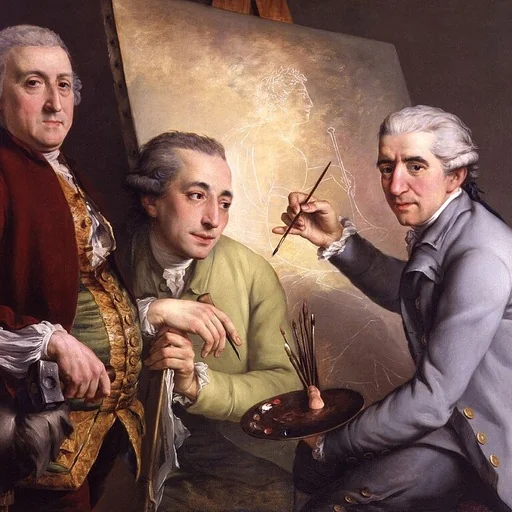
Giovanni Battista Cipriani (1727 – 14 December 1785) was an Italian painter and engraver, who lived in England from 1755.

![Reclining Woman [verso], by Giovanni Battista Cipriani](https://artifactworldgallery.com/img/giovanni-battista-cipriani--reclining-woman-verso--00754221290578f9-w320.webp)
![A Turk [recto], by Giovanni Battista Cipriani](https://artifactworldgallery.com/img/giovanni-battista-cipriani--a-turk-recto--12cde5f9bac9a966-w320.webp)
![Mythological Composition with Chronos and Harpies [recto], by Giovanni Battista Cipriani](https://artifactworldgallery.com/img/giovanni-battista-cipriani--mythological-composition-with-chronos-and-harpies-recto--23e4197a1ba0ae7e-w320.webp)
![Figure Studies [recto], by Giovanni Battista Cipriani](https://artifactworldgallery.com/img/giovanni-battista-cipriani--figure-studies-recto--32b47b1a71716a78-w320.webp)
 The Marriage of the Virgin
 Vittore Pisani receives Holy Communion before taking command of an expedition against the Genoese
 The Presentation in the Temple
 Saint Stephen, king of Hungary Receiving the Legate
 Edwy and Elgiva: A Scene from Saxon History
 Margaret of Austria Receiving the Homage of Cardinals and Prelates
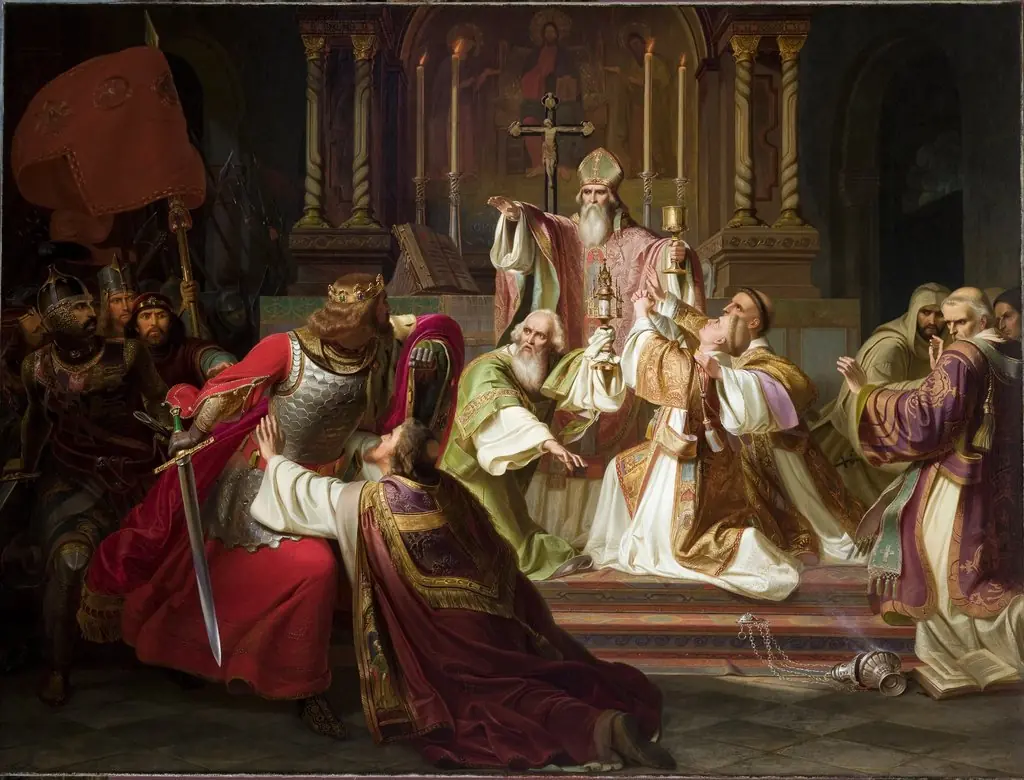 Bishop Stanisław Szczepanowski Putting a Curse on King Bolesław Śmiały
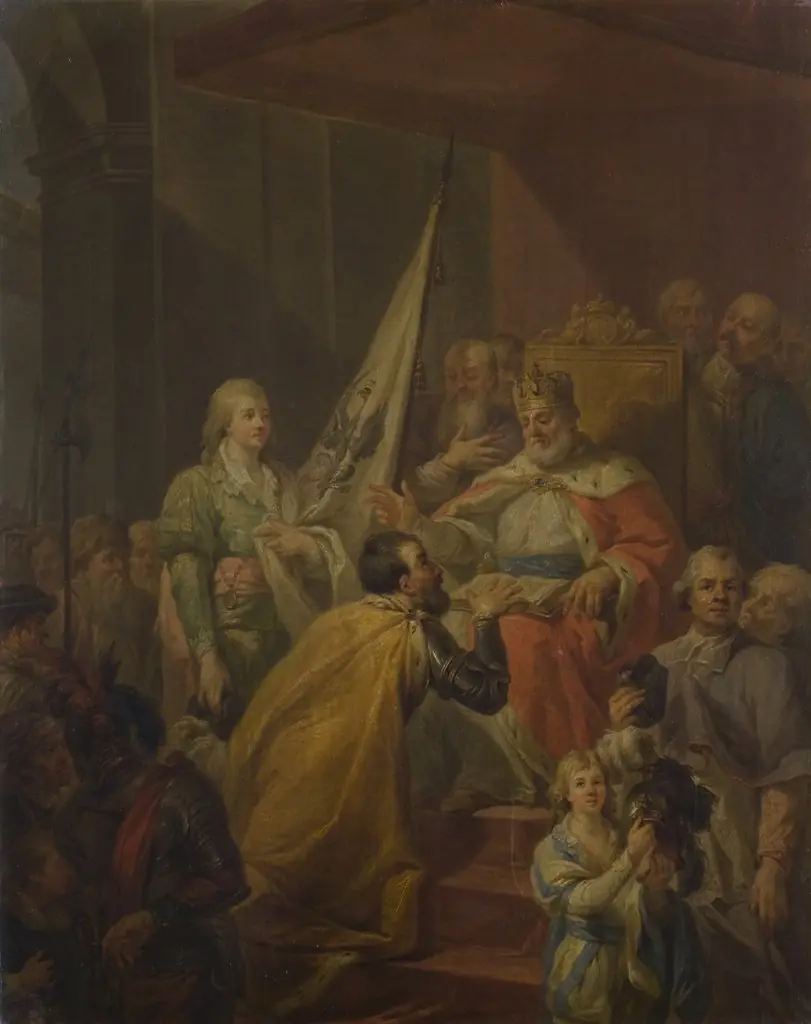 Prussian Homage
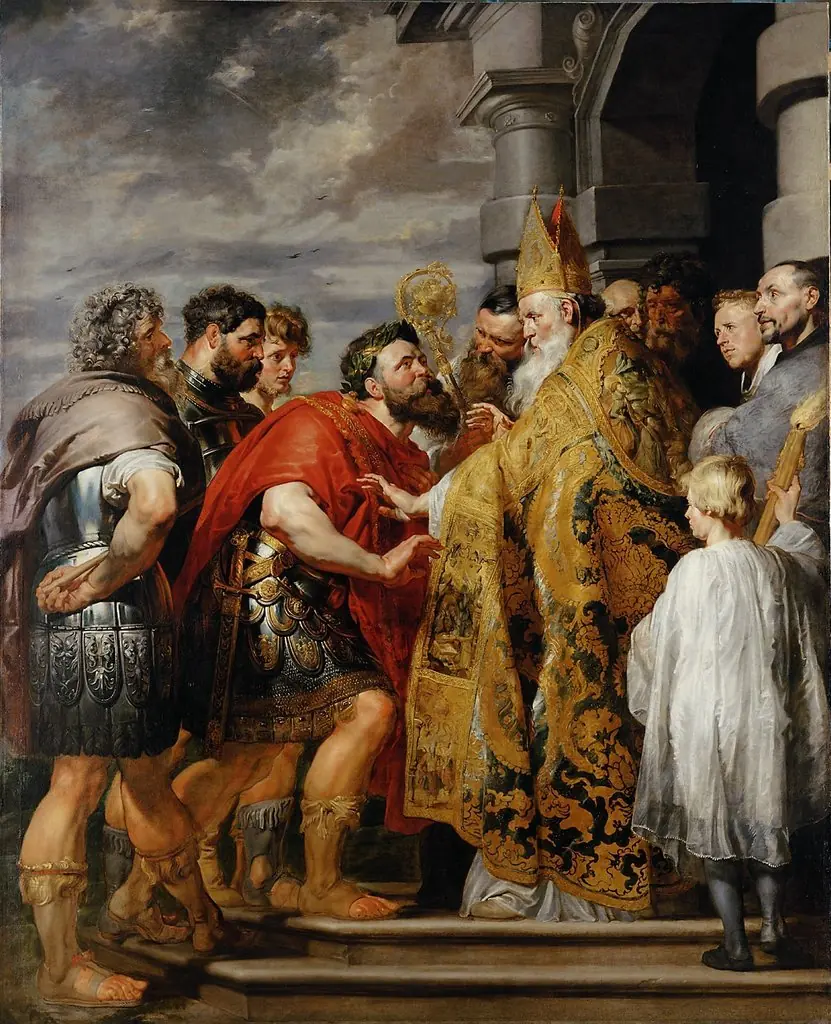 Theodosius and Saint Ambrose
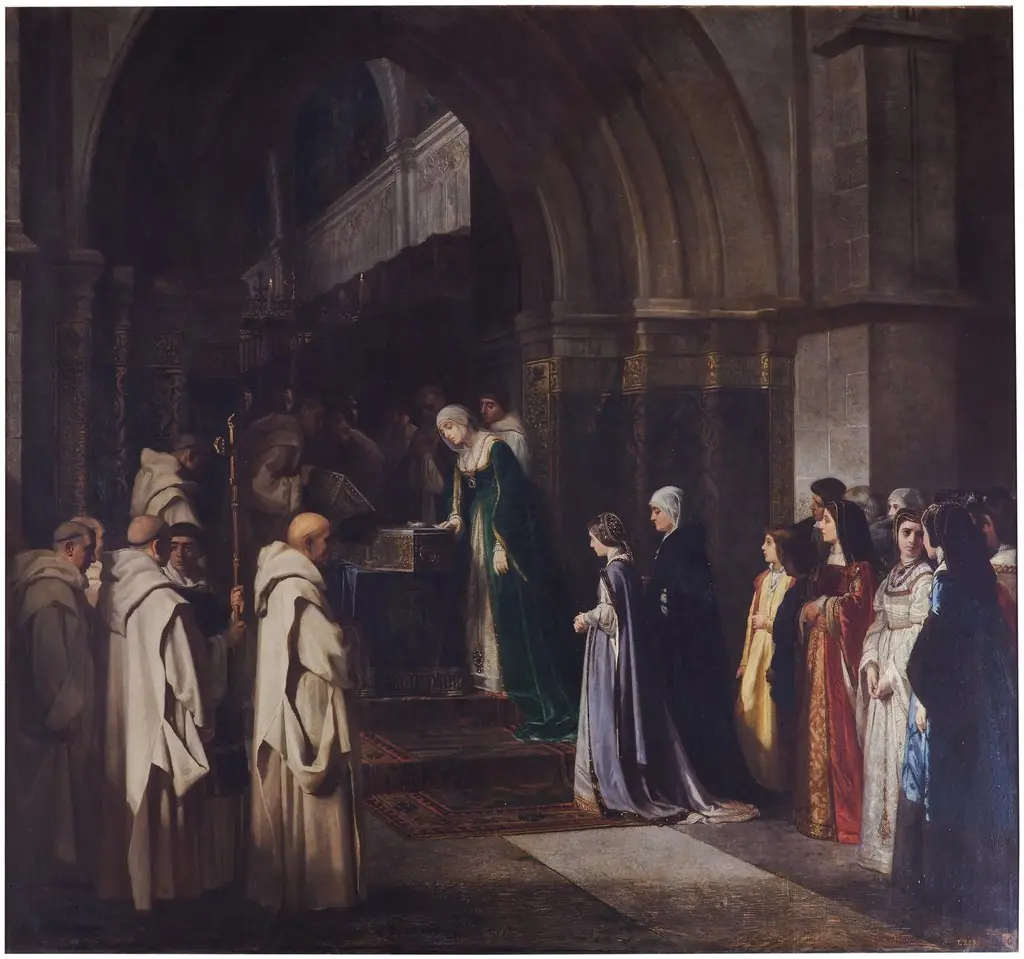 Doña Isabel la Católica en la cartuja de Miraflores
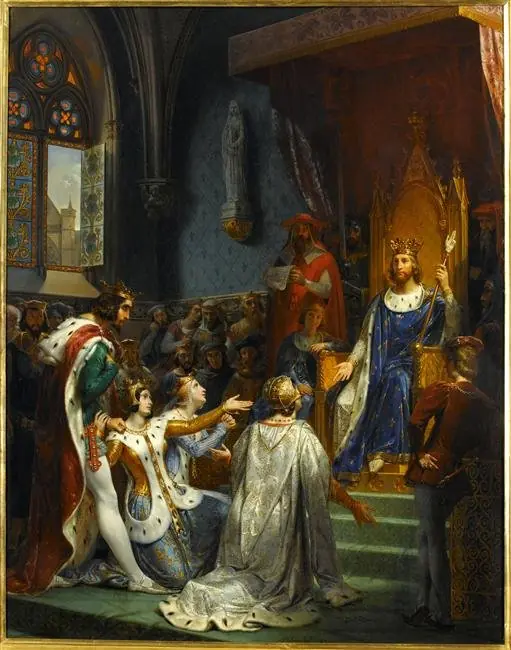 John II receives the submission of Charles II of Navarre
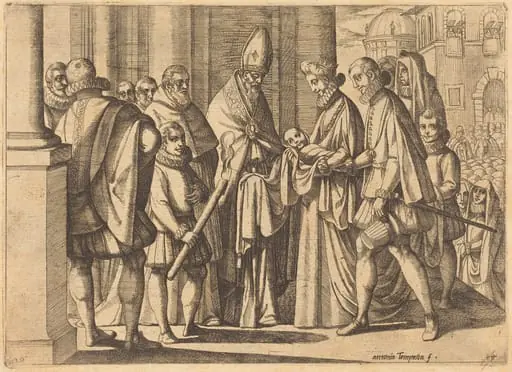 Philip as a Boy before Margaret of Austria