Artwork
Allegory of Virtue
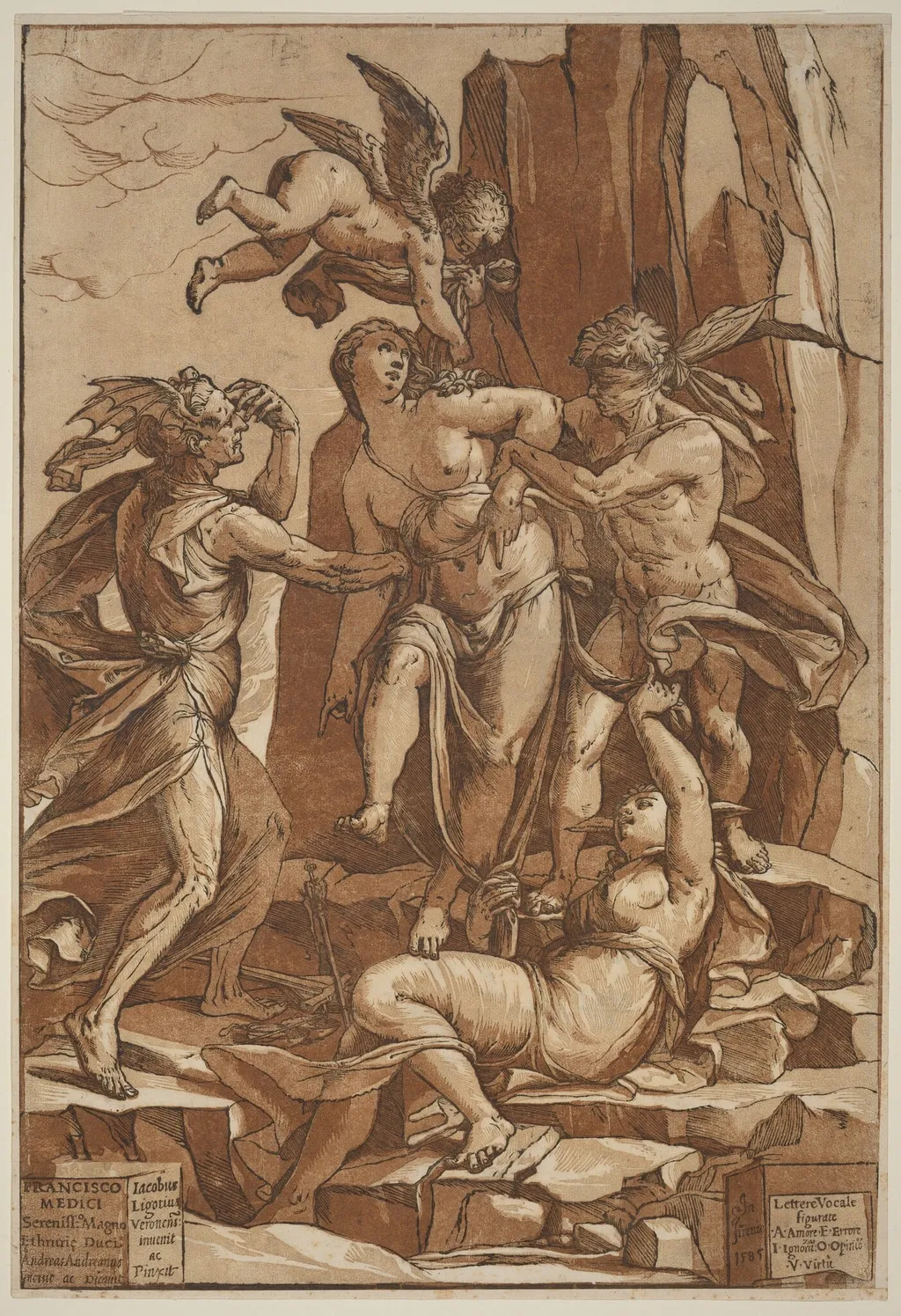
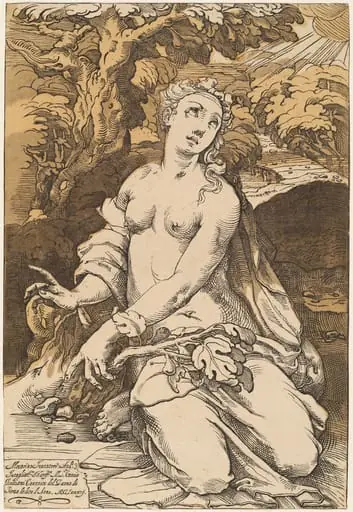
Allegory of Virtue is an ink print by the Renaissance artist Andrea Andreani. It dates from 1585 and is held in the collection of the National Gallery of Art.
About this work
Overview
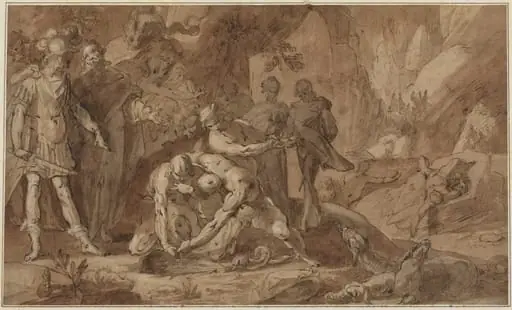
Created in 1585 by Andrea Andreani, this chiaroscuro woodcut presents a symbolic narrative through layered tonal contrasts.
Created in 1585 by Andrea Andreani, this chiaroscuro woodcut presents a symbolic narrative through layered tonal contrasts. The print employs multiple woodblocks to achieve gradations of light and shadow, a technique Andreani refined. Its composition centers on a bound female figure, surrounded by four other characters and a hovering cherub, all rendered with fine linear detail and dramatic lighting. The work belongs to a tradition of moral allegories popular in late Renaissance Italy.
Subject & Meaning
The central figure, bound and draped, represents Virtue under duress. Figures surrounding her suggest opposing forces: one man pulls at her restraints, another holds her arm, while a fallen woman gazes upward, possibly symbolizing Vice or Fallen Humanity. The cherub above may signify divine witness or moral aspiration. Together, the scene conveys the struggle between moral integrity and external corruption, a common theme in humanist allegory of the period.
Technique & Style
Andreani used a multi-block woodcut process to build tonal depth, a hallmark of chiaroscuro printing. Each block was carved to apply specific shades, from deep blacks to delicate grays, creating a painterly effect on paper. The clothing folds, facial expressions, and drapery are meticulously incised, demonstrating technical precision. The absence of color heightens the emotional weight through contrast alone, aligning the print with the aesthetic ideals of Northern Italian printmaking.
History & Provenance
The print was produced in Mantua during Andreani’s active years as a printmaker under the patronage of the Gonzaga court. It was likely circulated among educated elites familiar with classical and Christian allegory. No early ownership records are widely documented, but surviving impressions are held in major European collections, suggesting its recognition among connoisseurs of graphic arts in the 17th century.
Context
Andreani’s work emerged amid a flourishing print culture in northern Italy, where artists adapted Renaissance painting into printed form. Chiaroscuro woodcuts were inspired by drawings in light and shadow, particularly those of Parmigianino and Giulio Romano. This allegory reflects the period’s interest in moral philosophy, blending classical motifs with Christian symbolism to appeal to humanist audiences seeking intellectual and ethical guidance.
Legacy
Andreani’s technique influenced later printmakers in Italy and beyond, though chiaroscuro woodcuts remained a niche medium. His Allegory of Virtue stands as a refined example of how print could convey complex moral narratives with subtlety. While not widely replicated, the work is studied for its craftsmanship and its role in bridging painting and print traditions during the late Renaissance.
Artist & collection


![The Triumph of Julius Caesar [no.9 plus 2 columns], by Andrea Andreani](https://artifactworldgallery.com/img/andrea-andreani--the-triumph-of-julius-caesar-no-9-plus-2-columns--26f4d2249baf2916-w320.webp)
![The Triumph of Julius Caesar [no.3 and 4 plus 2 columns], by Andrea Andreani](https://artifactworldgallery.com/img/andrea-andreani--the-triumph-of-julius-caesar-no-3-and-4-plus-2-columns--58c944449efc96df-w320.webp)
![The Triumph of Julius Caesar [no.1 and 2 plus 2 columns], by Andrea Andreani](https://artifactworldgallery.com/img/andrea-andreani--the-triumph-of-julius-caesar-no-1-and-2-plus-2-columns--72fc49376c9f9633-w320.webp)
![The Triumph of Julius Caesar [no.7 and 8 plus 2 columns], by Andrea Andreani](https://artifactworldgallery.com/img/andrea-andreani--the-triumph-of-julius-caesar-no-7-and-8-plus-2-columns--75ccf1616a5609e2-w320.webp)
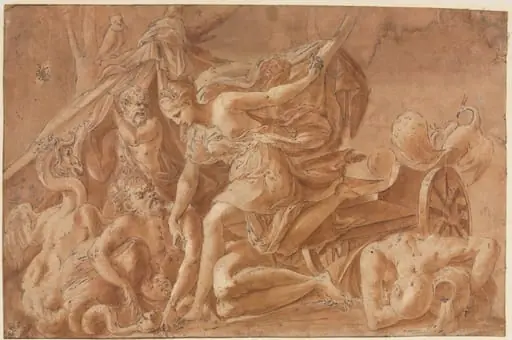 Copy after Primaticcio's Juno Awakening Sleep
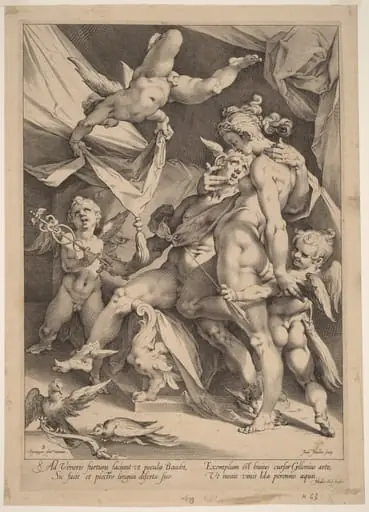 Venus and Mercury
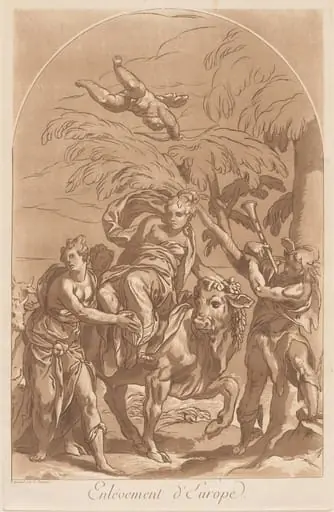 Rape of Europa
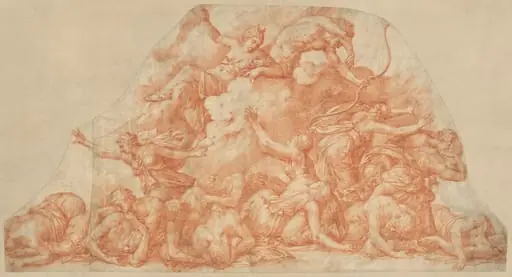 Diana and Apollo Slaughtering the Children of Niobe
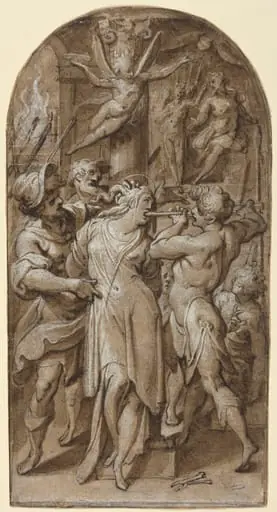 The Martyrdom of Saint Apollonia
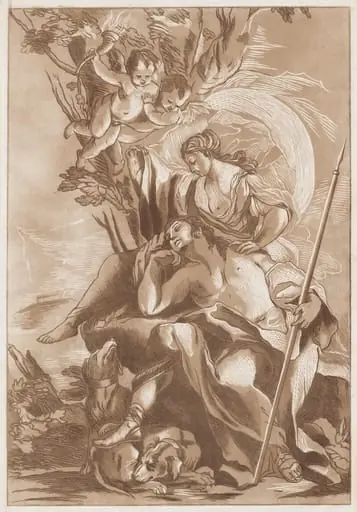 Diana and Endymion
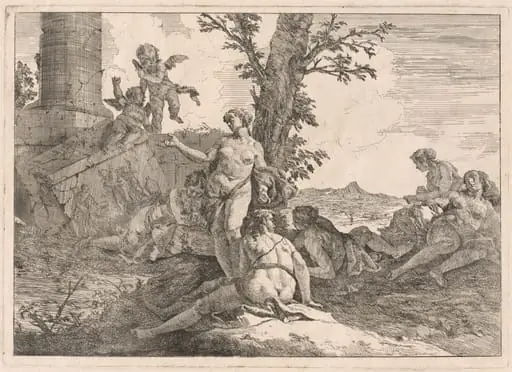 Six Nymphs and Two Cupids in a Landscape
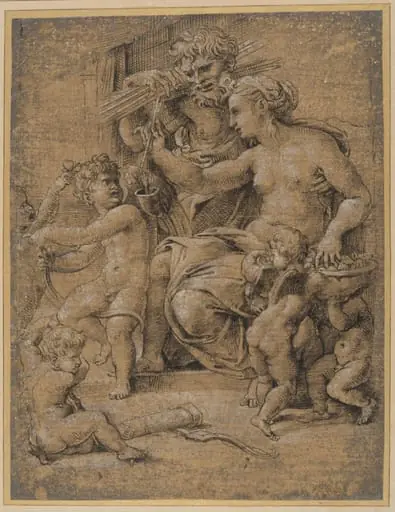 Venus and Vulcan
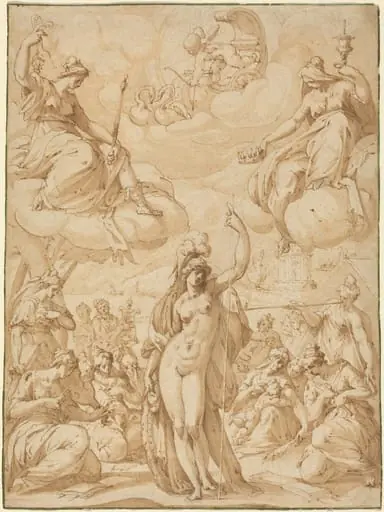 Allegory of Minerva as the Head of the Muses
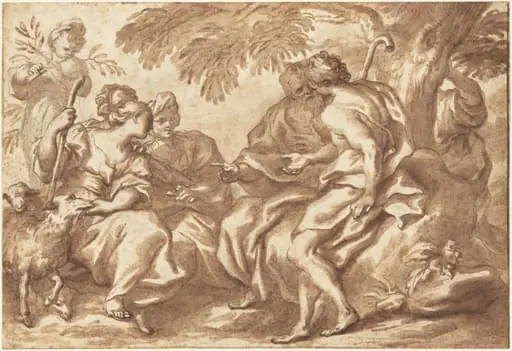 The Meeting of Jacob and Rachel
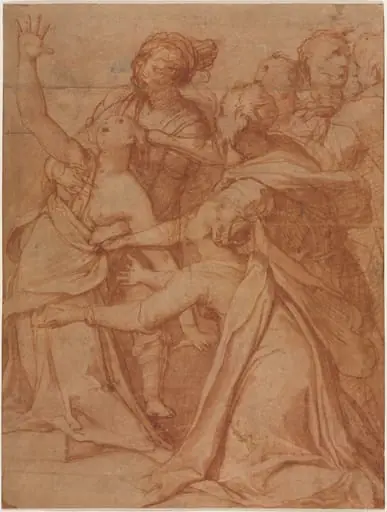 A Miracle of Saint Philip Benizzi: The Healing of a Demoniac Woman
 Odysseus and Teiresias