Artwork
Don Carlos, Prince of Asturias
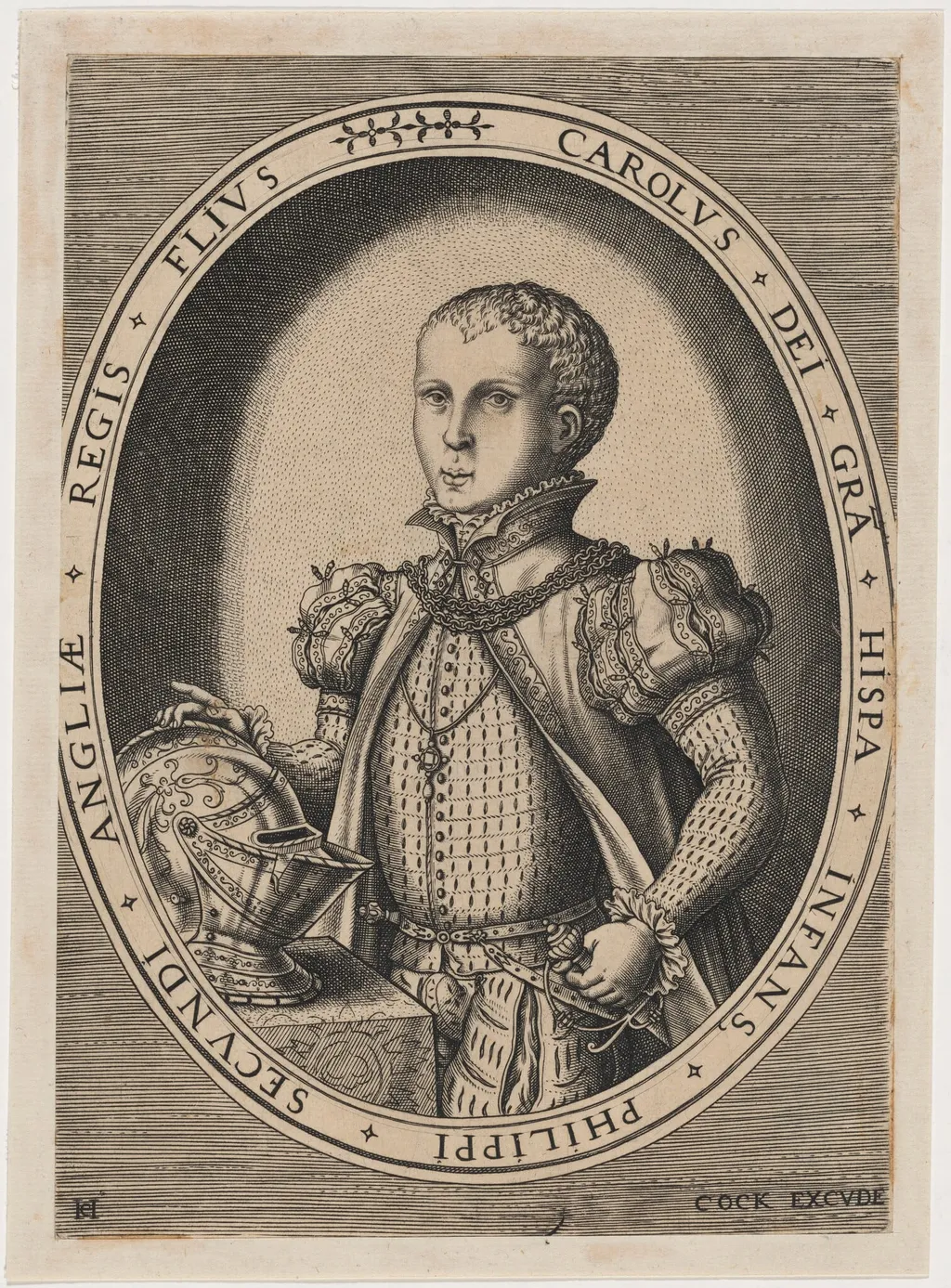
Don Carlos, Prince of Asturias is an ink print by the Renaissance artist Hieronymus Cock. It dates from 1540 and is held in the collection of the National Gallery of Art.
About this work
Overview
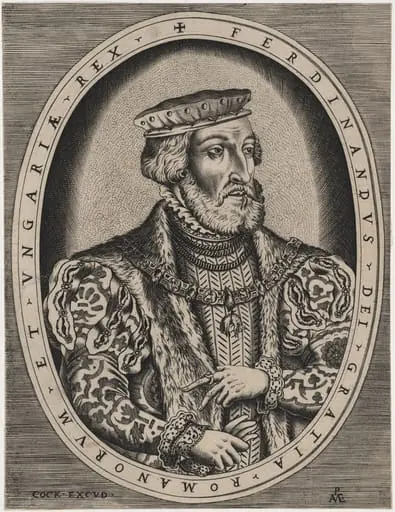
Don Carlos, Prince of Asturias is an engraving created by Hieronymus Cock in 1540, portraying the Spanish prince in formal attire with meticulous detail, reflecting his royal status.
Subject & Meaning
The engraving depicts Don Carlos, son of King Philip II, emphasizing his importance through elaborate clothing, a common practice in portraits of nobility to convey power and wealth.
Technique & Style
Executed with precise engraving techniques characteristic of Cock's work, the piece highlights the subject's face and attire, demonstrating the artist's attention to detail and the medium's capacity for intricacy.
History & Provenance
Produced in 1540 by Hieronymus Cock, a pivotal figure in northern European print culture, this engraving was part of his publishing house's output, which industrialized printmaking in the mid-16th century.
Context
Part of a tradition of portraits showcasing nobility, this work fits within the broader context of 16th-century European royal iconography, where visual representations served to assert lineage and authority.
Artist & collection
Artist
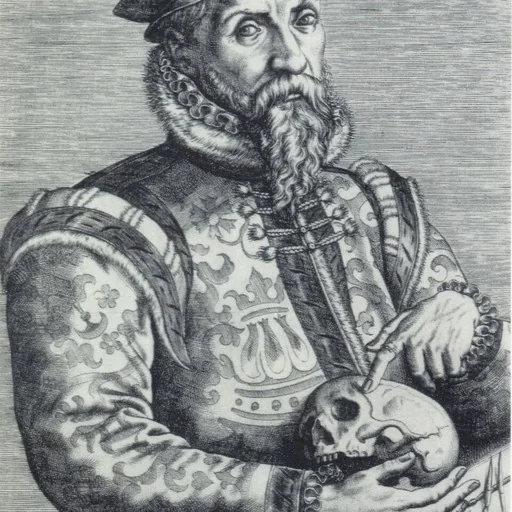
Hieronymus Cock, or Hieronymus Wellens de Cock, (1518 – 3 October 1570) was a Flemish painter and etcher as well as a publisher and distributor of prints.

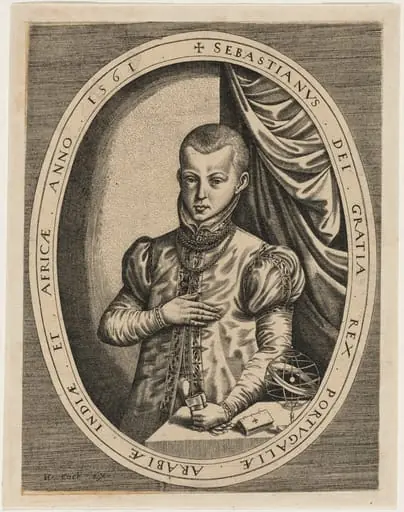 Sebastian, King of Portugal
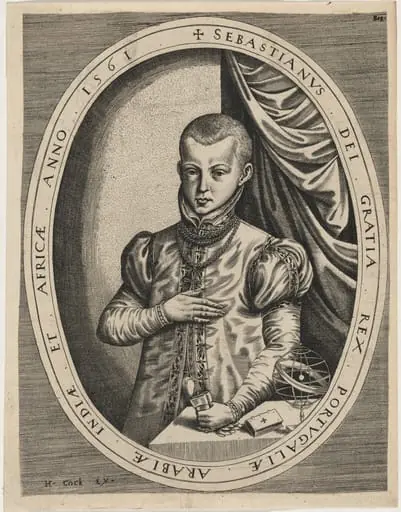 Sebastian, King of Portugal
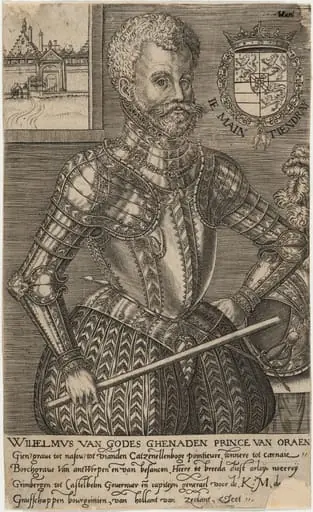 William I, Prince of Orange
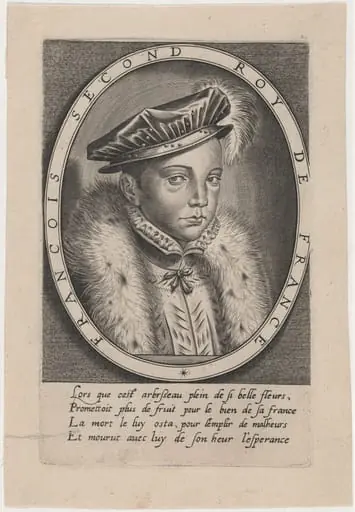 Francis II, King of France
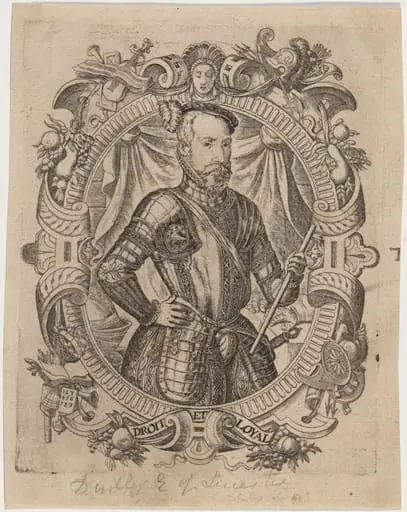 Robert Dudley, Earl of Leicester
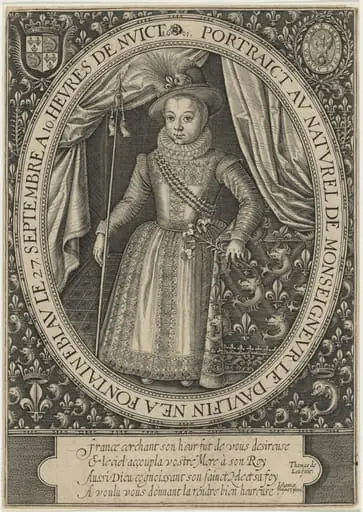 Louis XIII, King of France
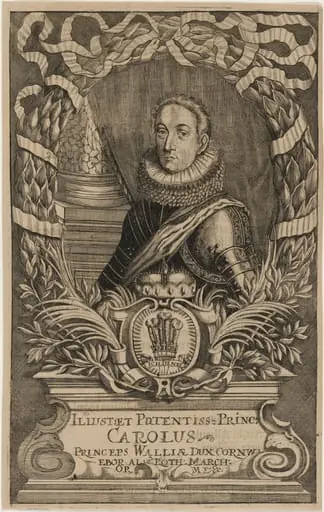 Charles I as Prince of Wales
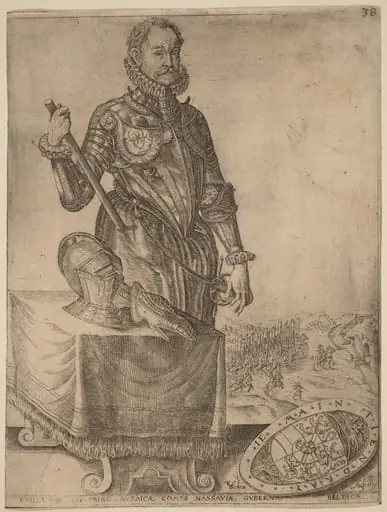 William of Nassau, Prince of Orange
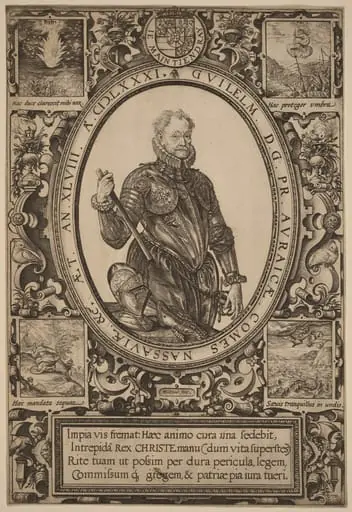 William, Count of Nassau, Prince of Orange
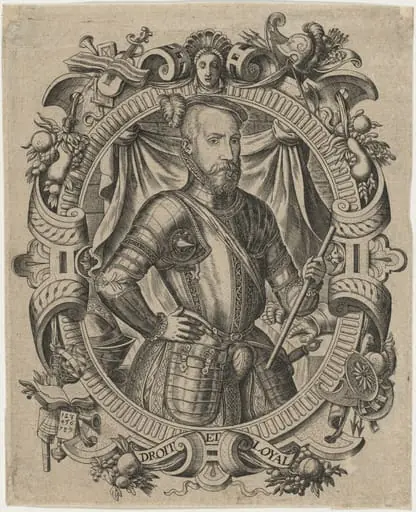 Robert Dudley, Earl of Leicester
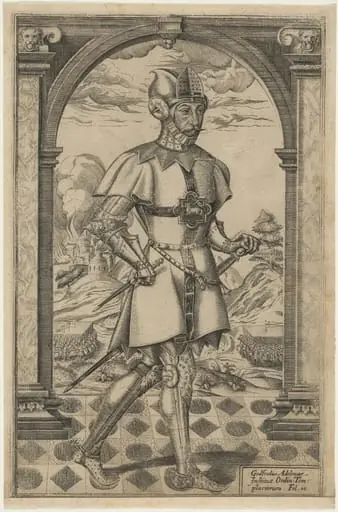 Godfrey Adelmar, Founder of the Knights Templar
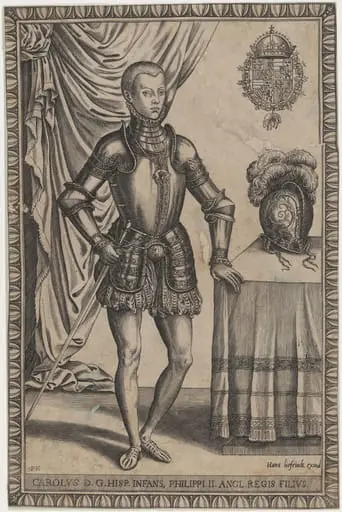 Don Carlos, Prince of Asturias