Artwork
Samuel David
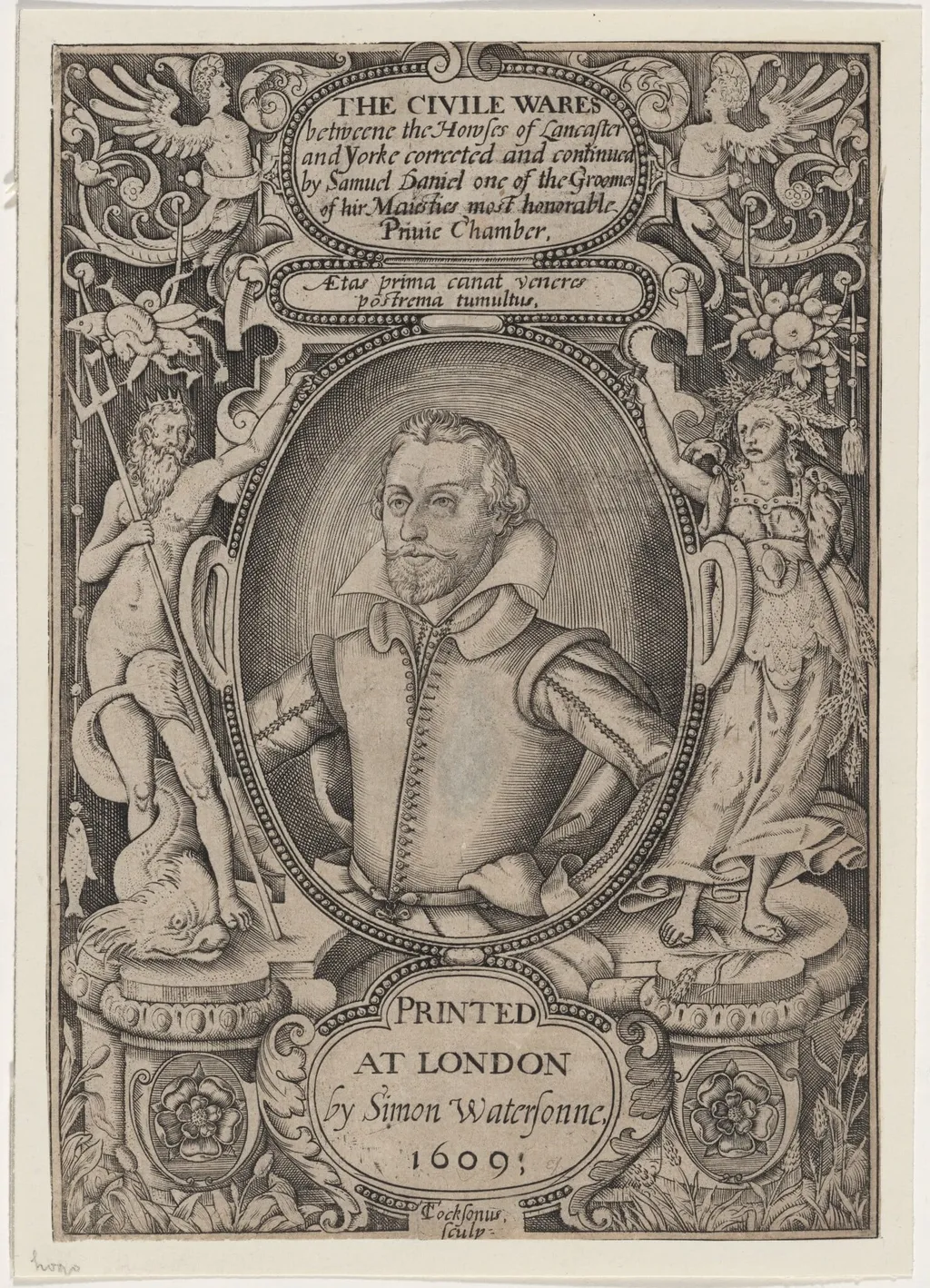
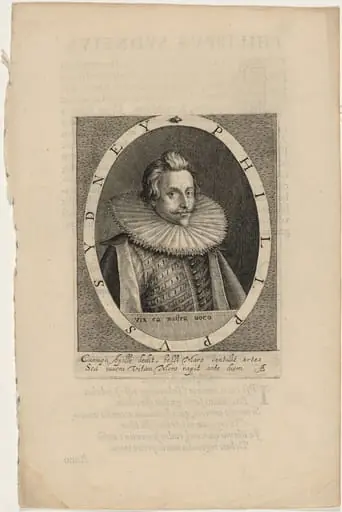
Samuel David is an ink print by the Baroque artist Thomas Cockson. It dates from 1609 and is held in the collection of the National Gallery of Art.
About this work
Overview
This small engraving, dated 1609, depicts Samuel David, a figure of unknown prominence, rendered in fine detail by the English printmaker Thomas Cockson.
This small engraving, dated 1609, depicts Samuel David, a figure of unknown prominence, rendered in fine detail by the English printmaker Thomas Cockson. Executed on metal using the intaglio technique, the work captures a quiet, introspective moment. The composition is restrained, focusing on the subject’s posture and expression rather than elaborate surroundings, reflecting the modest scale and purpose of early 17th-century portrait prints.
Subject & Meaning
Samuel David is portrayed as a scholarly man, dressed in contemporary attire, with one hand resting on a table strewn with documents and the other holding a book. His faint smile and half-shadowed face suggest contemplation rather than grandeur. The image conveys intellectual calm rather than status or power, aligning with the era’s interest in individual character and private virtue, common in portrait prints of the period.
Technique & Style
Cockson employed engraving, a method involving incised lines on a copper plate, inked and pressed onto paper. The precision of the work is evident in the delicate rendering of fabric folds, paper textures, and subtle facial contours. The chiaroscuro effect, achieved through controlled line density, enhances the three-dimensionality of the face and clothing, demonstrating mastery of tonal gradation within the constraints of monochrome printmaking.
History & Provenance
Created in 1609, the engraving is among the few known works by Thomas Cockson, a London-based printmaker active in the early Jacobean period. Its survival suggests it was likely produced for private circulation or as a keepsake, possibly commissioned by David’s associates. No definitive record of its early ownership exists, but its technical quality indicates it was intended for a discerning, literate audience.
Context
In early 17th-century England, portrait engravings served as affordable alternatives to painted likenesses, often used to commemorate scholars, professionals, or minor nobility. Cockson’s work reflects the growing demand for personal imagery tied to literacy and civic identity. This piece aligns with a broader trend of intimate, unadorned portraiture that valued quiet dignity over theatrical display.
Legacy
Though Thomas Cockson left a limited body of work, this engraving remains a notable example of early Jacobean printmaking. Its restrained elegance and technical finesse contribute to the understanding of how personal identity was visually articulated outside the courtly tradition. It stands as a quiet testament to the role of print in shaping individual representation during a formative period in British visual culture.
Artist & collection

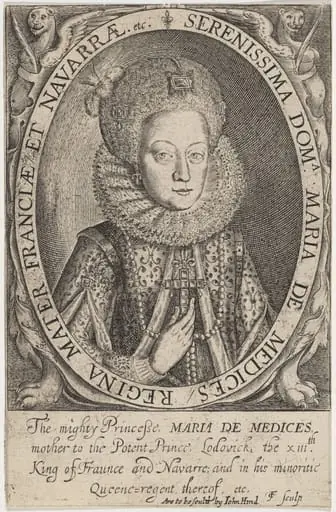
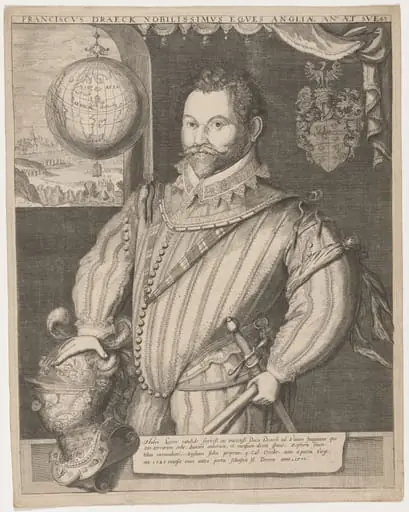 Sir Francis Drake
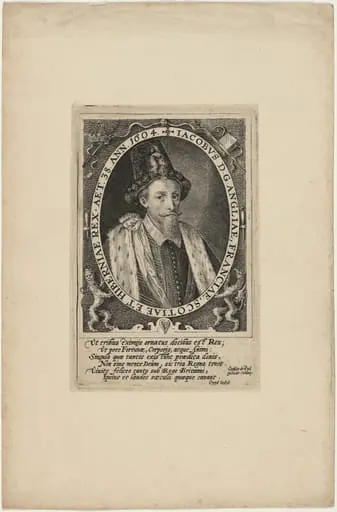 James I, King of England
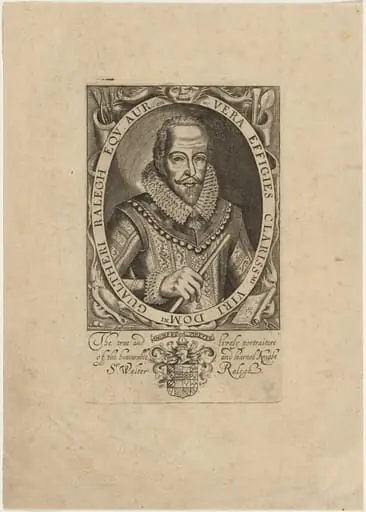 Sir Walter Raleigh
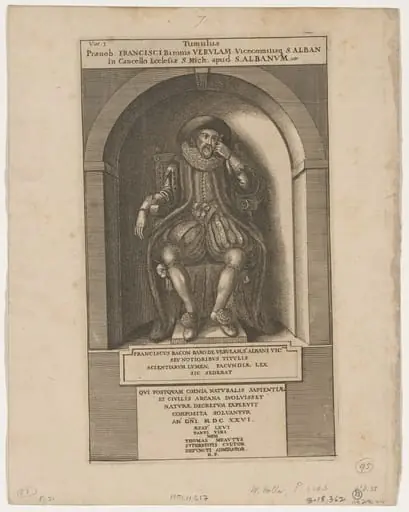 Francis Bacon in a Niche
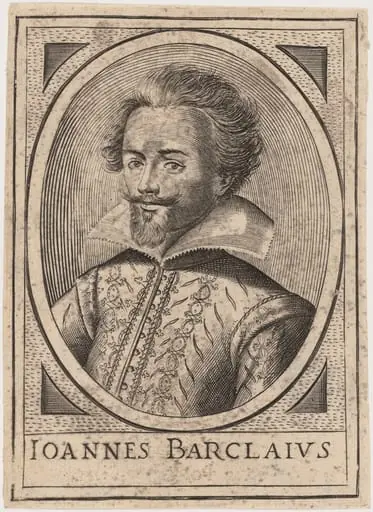 John Barclay
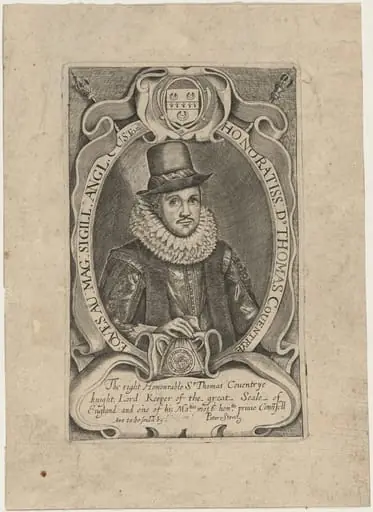 Thomas, First Baron Coventry
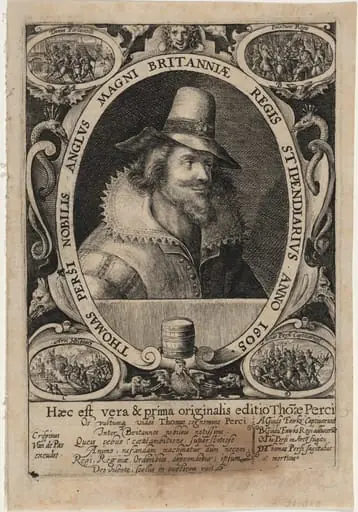 Thomas Percy
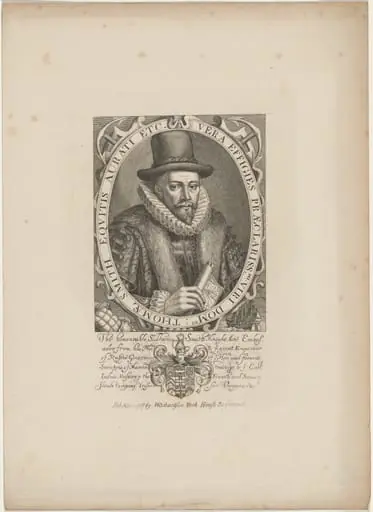 Sir Thomas Smith
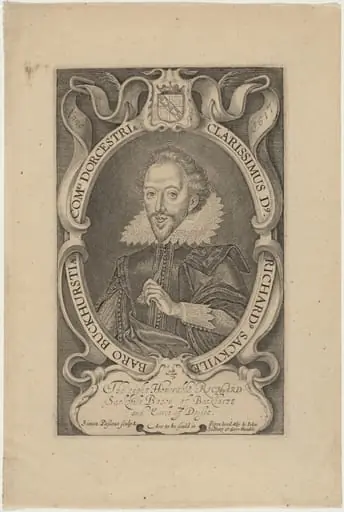 Richard Sackville, Third Earl of Dorset
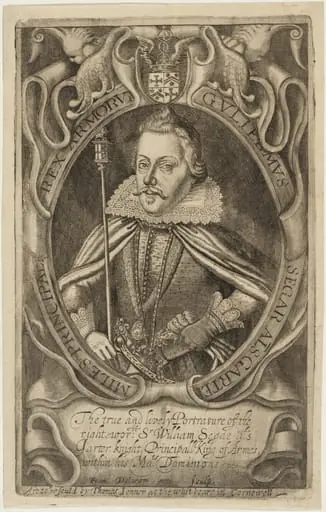 Guliemus Segar (Sir William Segar, Garter King of Arms)
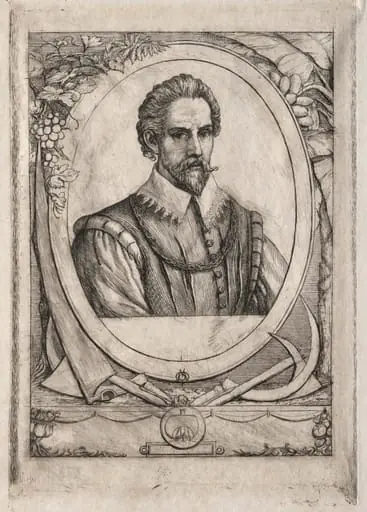 Rene de Laudonniere Sablais (de Burdingale)
 Sir Philip Sidney, Soldier and Poet