Artwork
Francis Bacon in a Niche
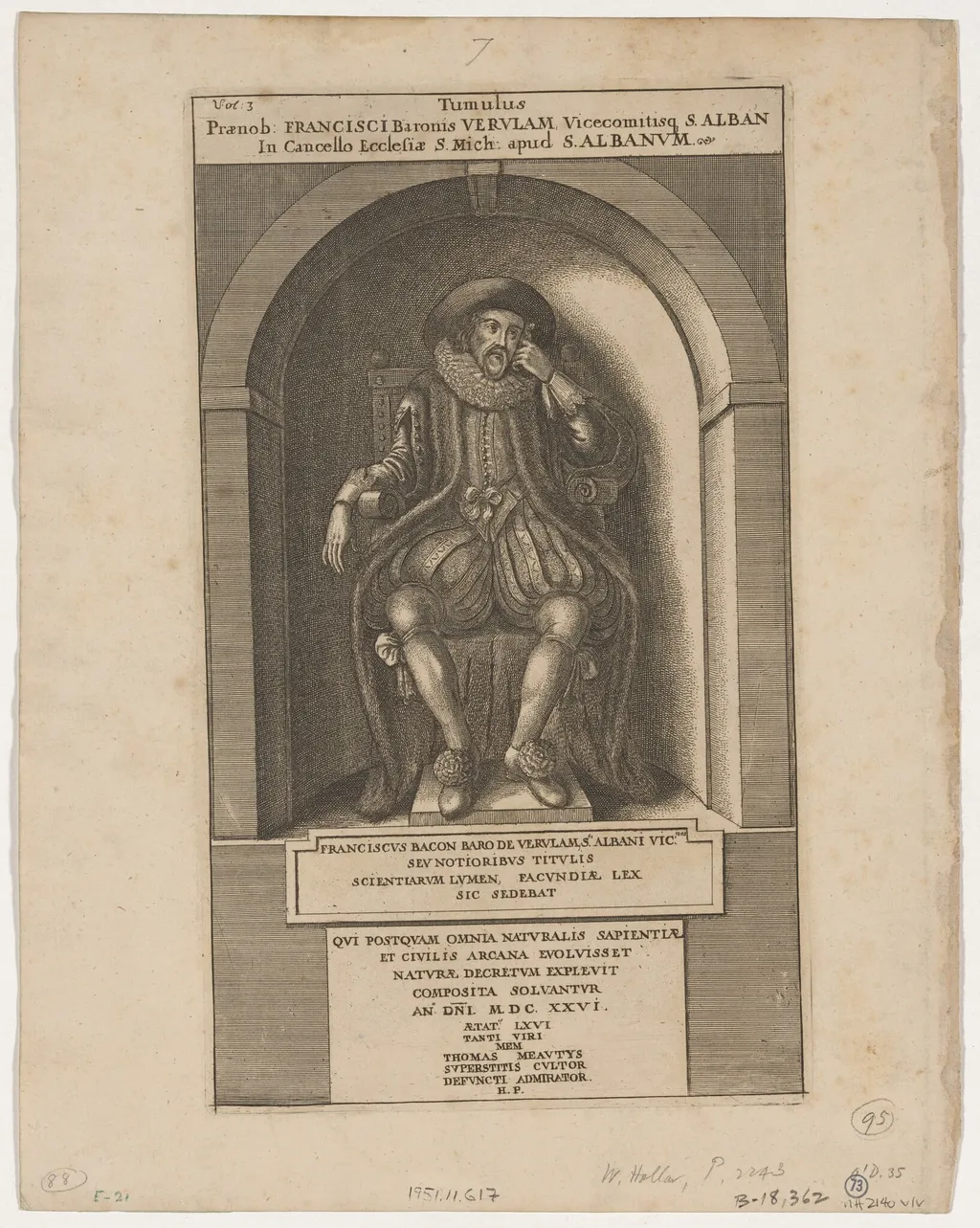
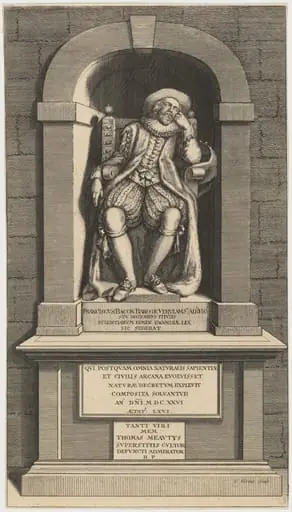
Francis Bacon in a Niche is an ink print by the Baroque artist Wenceslaus Hollar. It dates from 1642 and is held in the collection of the National Gallery of Art.
About this work
Overview
Created in 1642 by Wenceslaus Hollar, this black-and-white engraving portrays the English philosopher Francis Bacon within a shallow architectural recess.
Created in 1642 by Wenceslaus Hollar, this black-and-white engraving portrays the English philosopher Francis Bacon within a shallow architectural recess. Hollar, a Czech artist active in London, employed fine, intersecting lines to model form and texture. The composition is restrained, focusing on Bacon’s seated figure against a minimal background, with Latin inscriptions identifying him and summarizing his intellectual contributions.
Subject & Meaning
The portrait presents Bacon not as a public figure but as a contemplative scholar, seated in a niche that evokes classical statuary. His pose—chin resting on hand, paper in the other—suggests reflection, aligning with his reputation as a pioneer of empirical philosophy. The Latin text reinforces his identity as a thinker, framing the image as a tribute to intellectual legacy rather than personal likeness.
Technique & Style
Hollar used burin engraving to achieve precise, linear detail. Shading is rendered through tightly packed, cross-hatched strokes that model volume without tone gradients. The crisp lines define fabric folds, the curve of the niche, and the texture of Bacon’s ruffled collar. The background is simplified to architectural cues, directing attention to the figure and the textual elements surrounding him.
History & Provenance
Hollar produced this engraving during his years in London, where he documented prominent figures and urban scenes. The print likely circulated among scholars and collectors interested in Bacon’s legacy. Its survival in institutional collections suggests early recognition of its value as both a portrait and a specimen of 17th-century reproductive printmaking.
Context
In the 1640s, England was politically turbulent, yet intellectual circles continued to honor Bacon’s contributions to scientific method. Engravings like this served as portable memorials, bridging the gap between manuscript culture and emerging print media. Hollar’s work reflects a broader European trend of using print to immortalize thinkers, especially those associated with reason and observation.
Legacy
Though not widely reproduced today, the engraving remains a significant example of how early modern printmakers translated philosophical authority into visual form. Hollar’s precision and the image’s restrained elegance influenced later portrait engraving in Britain. It stands as a quiet testament to Bacon’s enduring presence in the intellectual imagination of his time.
Artist & collection
Artist
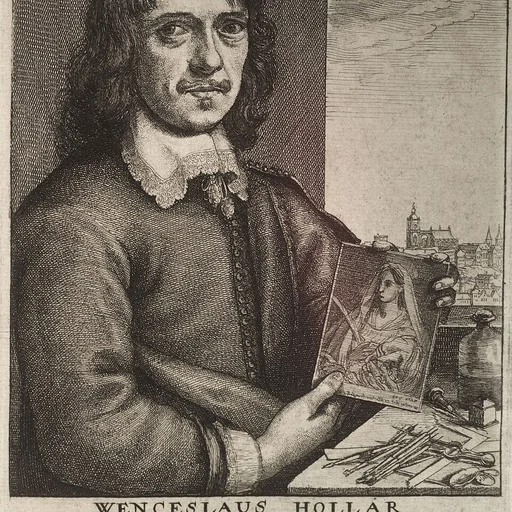
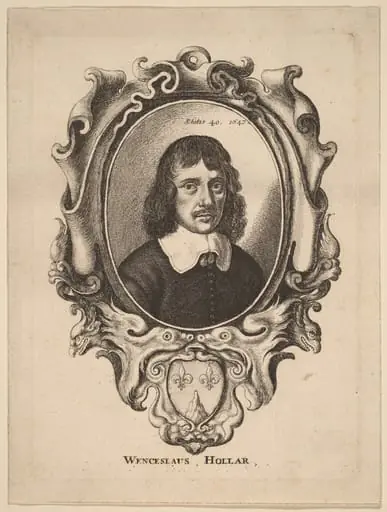
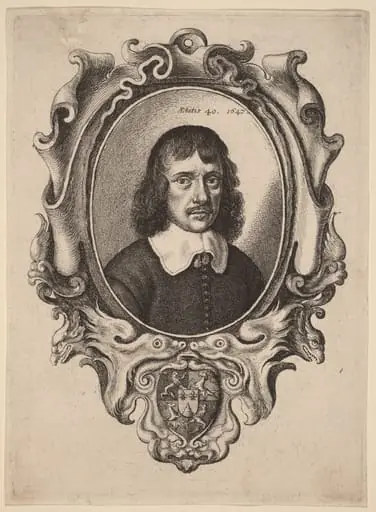
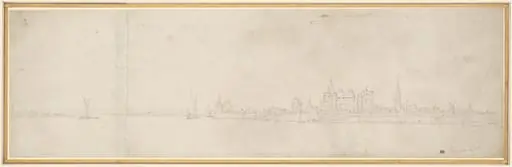
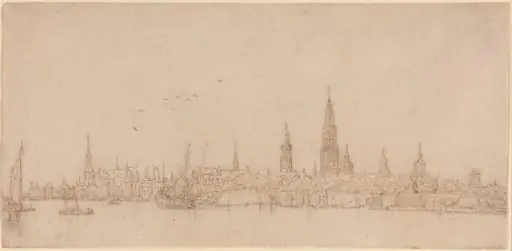
Wenceslaus Hollar (Czech: Václav Hollar (Czech pronunciation: ), German: Wenzel Hollar; 23 July 1607 – 25 March 1677) was a Czech engraver, etcher and painter.


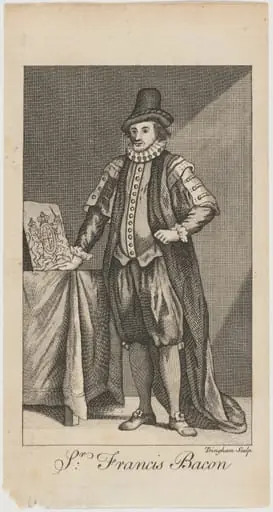 Sir Francis Bacon
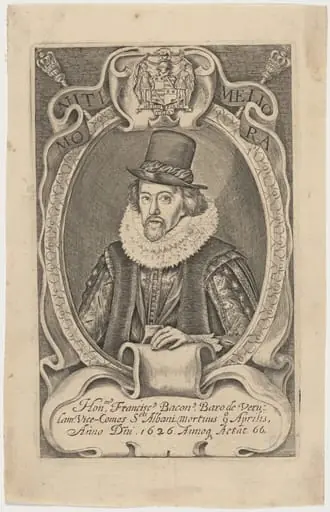 Sir Francis Bacon
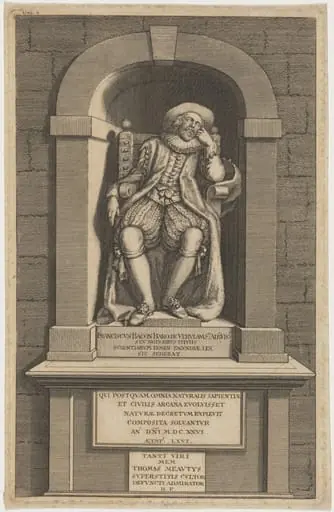 Monument of Bacon in Saint Michael's Church, Saint Albans
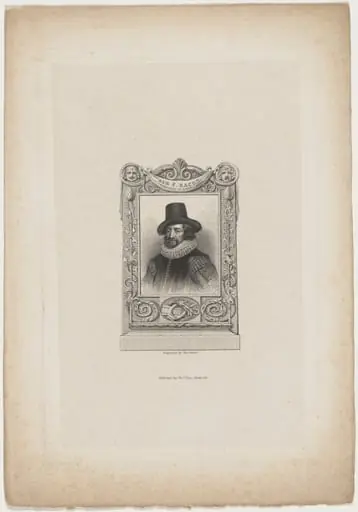 Sir Francis Bacon
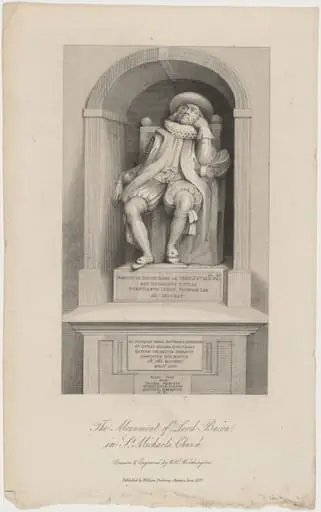 Monument of Lord Bacon in Saint Michael's Church
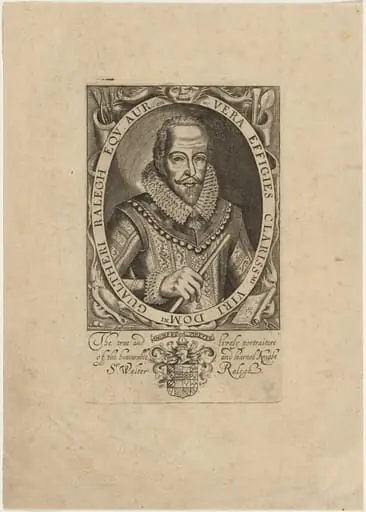 Sir Walter Raleigh
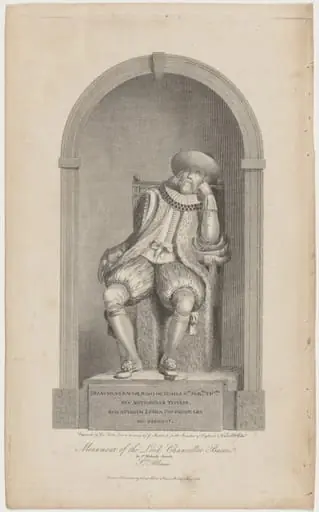 Monument of the Lord Chancellor Bacon, Saint Michael's Church
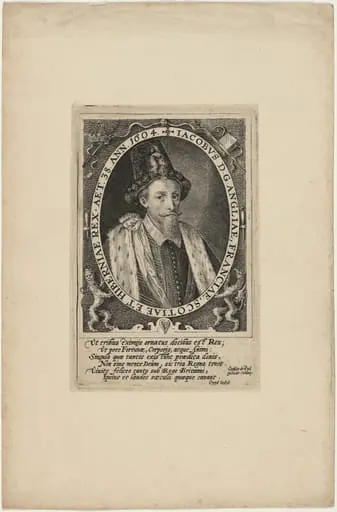 James I, King of England
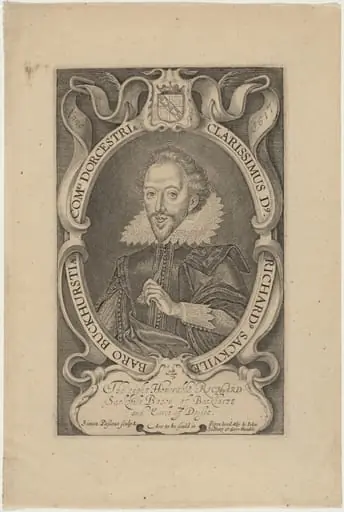 Richard Sackville, Third Earl of Dorset
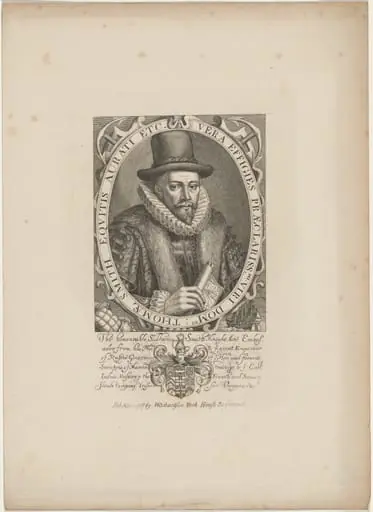 Sir Thomas Smith
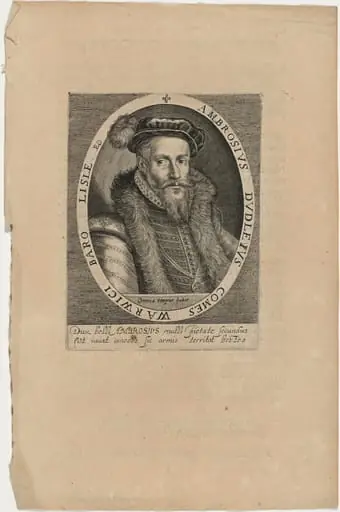 Ambrose Dudley, Earl of Warwick
 Francis Bacon