Artwork
Thesis
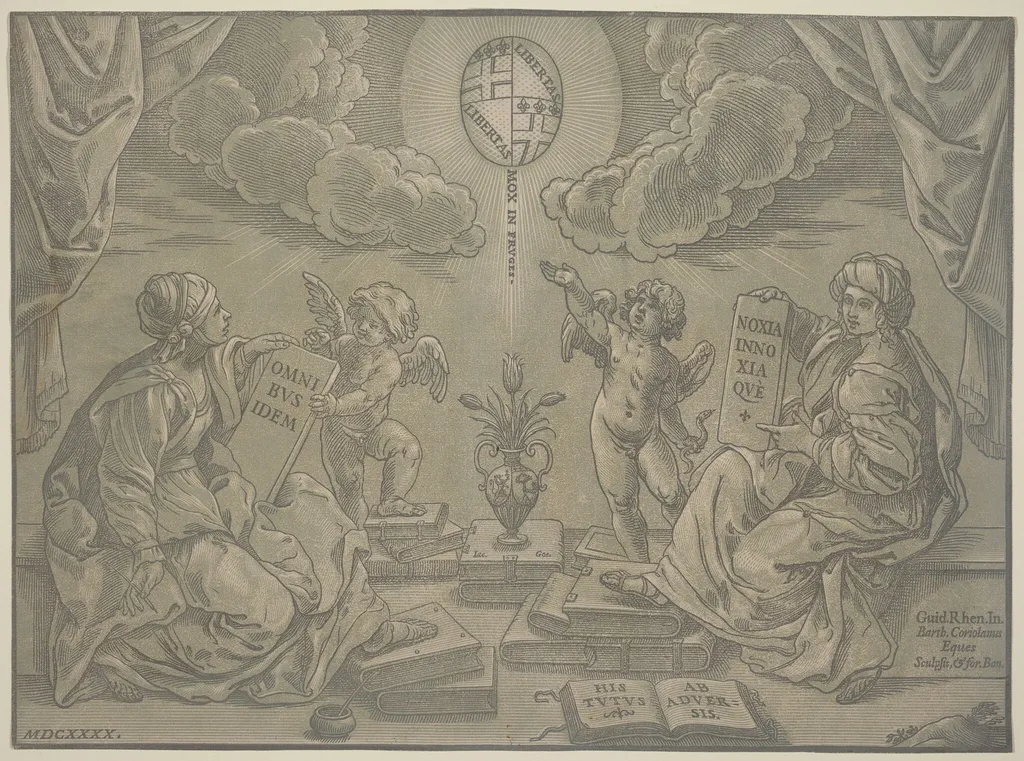
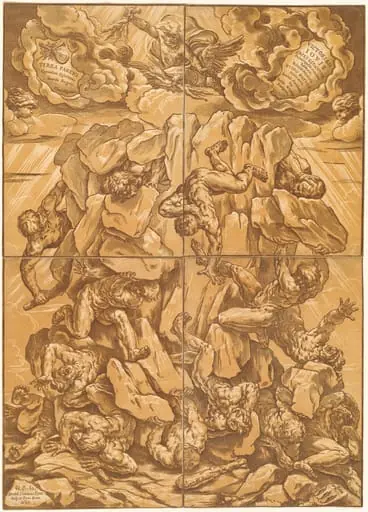
Thesis is an ink print by the Baroque artist Bartolomeo Coriolano. It dates from 1640 and is held in the collection of the National Gallery of Art.
About this work
Overview
Bartolomeo Coriolano’s 1640 print titled *Thesis* is a chiaroscuro woodcut rendered in green and black inks. The composition depicts two kneeling figures on a stony ground, each clutching a Latin placard, while two cherubic figures hover above a clouded sky. A modest edifice with a tower and a few trees occupies the distant background, all unified by stark contrasts of light and shadow.
Subject & Meaning
The kneeling men each bear a Latin inscription: *Omnibus Idem* (“the same for all”) and *Noxia Innovaque* (“guilt and innocence”). Their gestures—one pointing upward toward the cherubs—suggest a moral or theological discourse, perhaps contrasting universal judgment with the duality of sin and virtue, embodied by the winged children and their scroll.
Technique & Style
Coriolano employed the chiaroscuro woodcut method, carving separate blocks for line work and tonal areas. The primary block prints the design in black, while a secondary block adds green washes to model volume and atmospheric depth. This layered approach creates a dramatic chiaroscuro effect, emphasizing the interplay of illuminated forms against a tenebrous backdrop.
Context
Produced in mid‑17th‑century Italy, the print reflects the period’s fascination with allegorical imagery and the moralizing themes prevalent in Counter‑Reformation art. Chiaroscuro woodcuts, popularized by artists such as Ugo da Carpi, allowed printmakers to achieve painterly effects, catering to collectors seeking sophisticated, narrative prints.
History & Provenance
The work is attributed to Bartolomeo Coriolano, a member of a family of Bolognese engravers active in the early Baroque era. While specific ownership records are scarce, the print survives in several European print collections, indicating its circulation among connoisseurs of the chiaroscuro technique during the 17th and 18th centuries.
Artist & collection


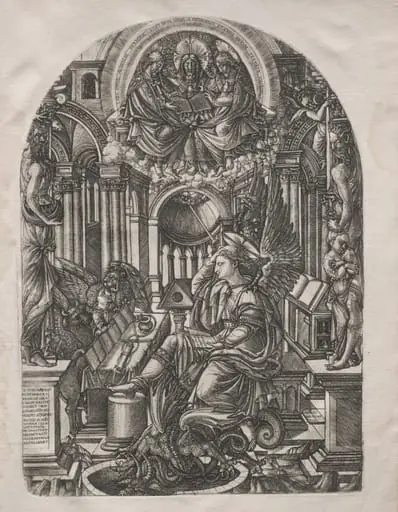 The Apocalypse: St. John on the Island of Patmos
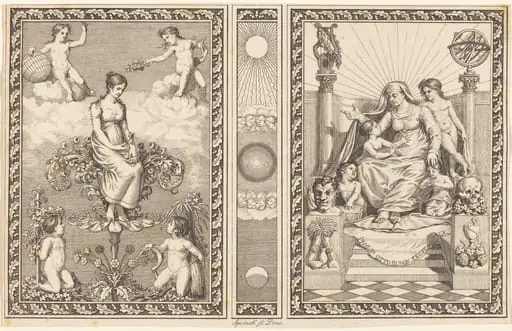 Allegory of Spring (Allegorie des Frühlings)
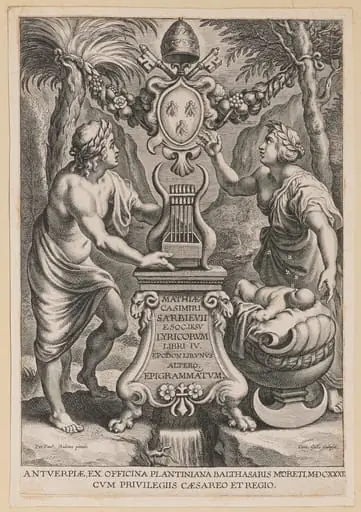 Title Page for M.C. Sarbievski, Lyricorum Libri IV
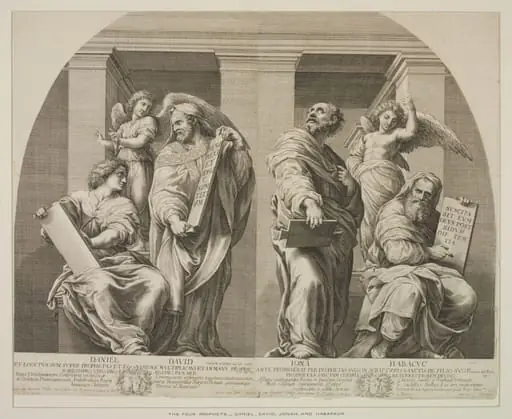 The Four Prophets, Daniel, David, Jonas and Habakkuk
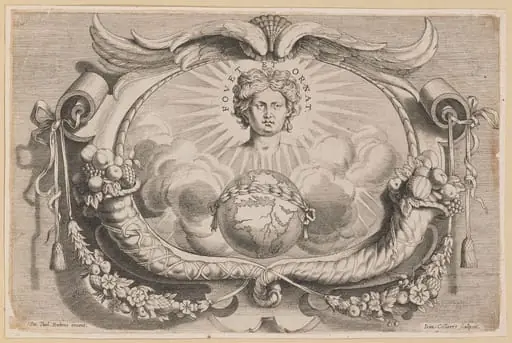 Printer's Device for Jan van Keerbergen: Vignette for Biblia Cum Glossa Ordinaria
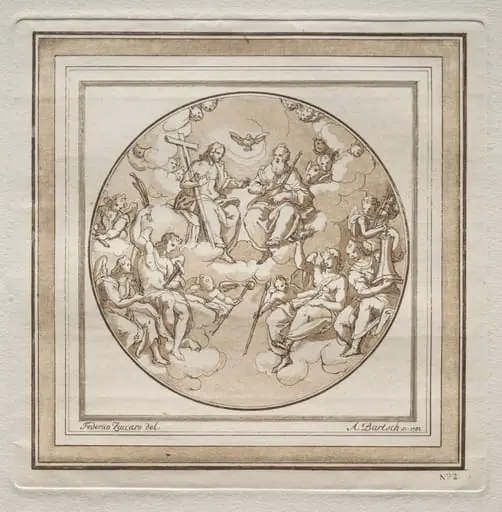 The Trinity
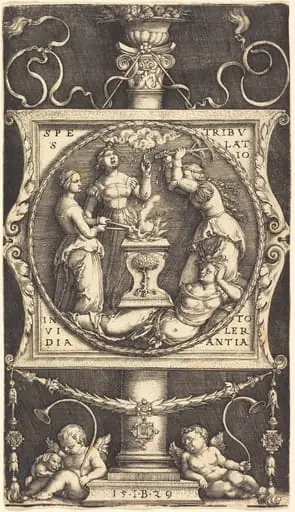 Emblem with Hope, Tribulation, Envy, and Tolerance
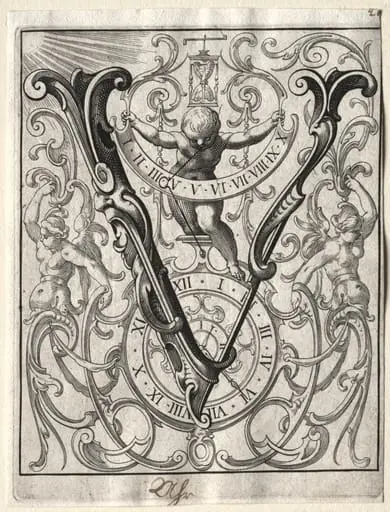 New ABC Booklet: V
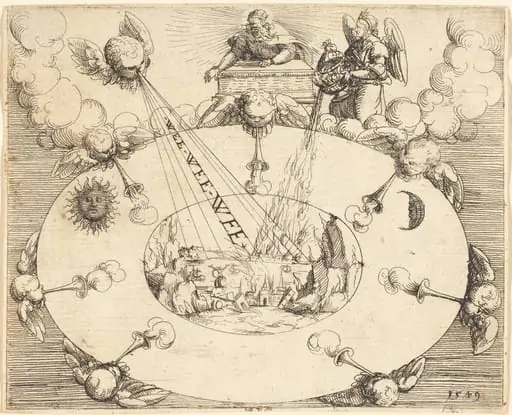 The Opening of the Seventh Seal
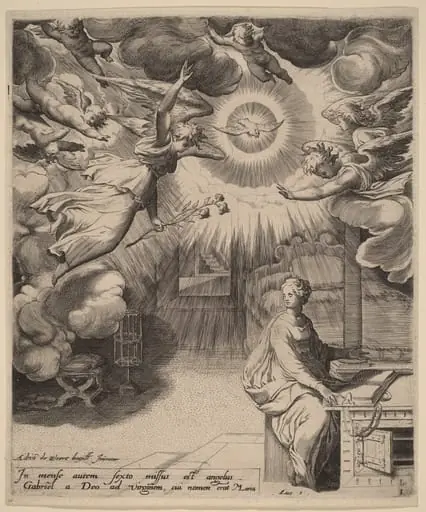 The Annunciation
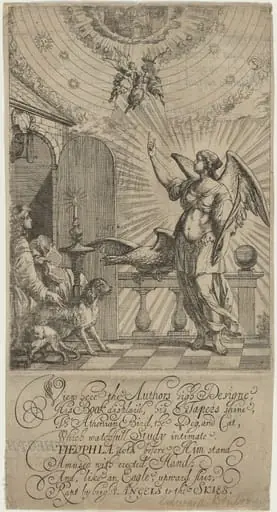 Illustration for Edward Benlowes, Theophila
 H Beard Print Collection