Artwork
La Ventouse
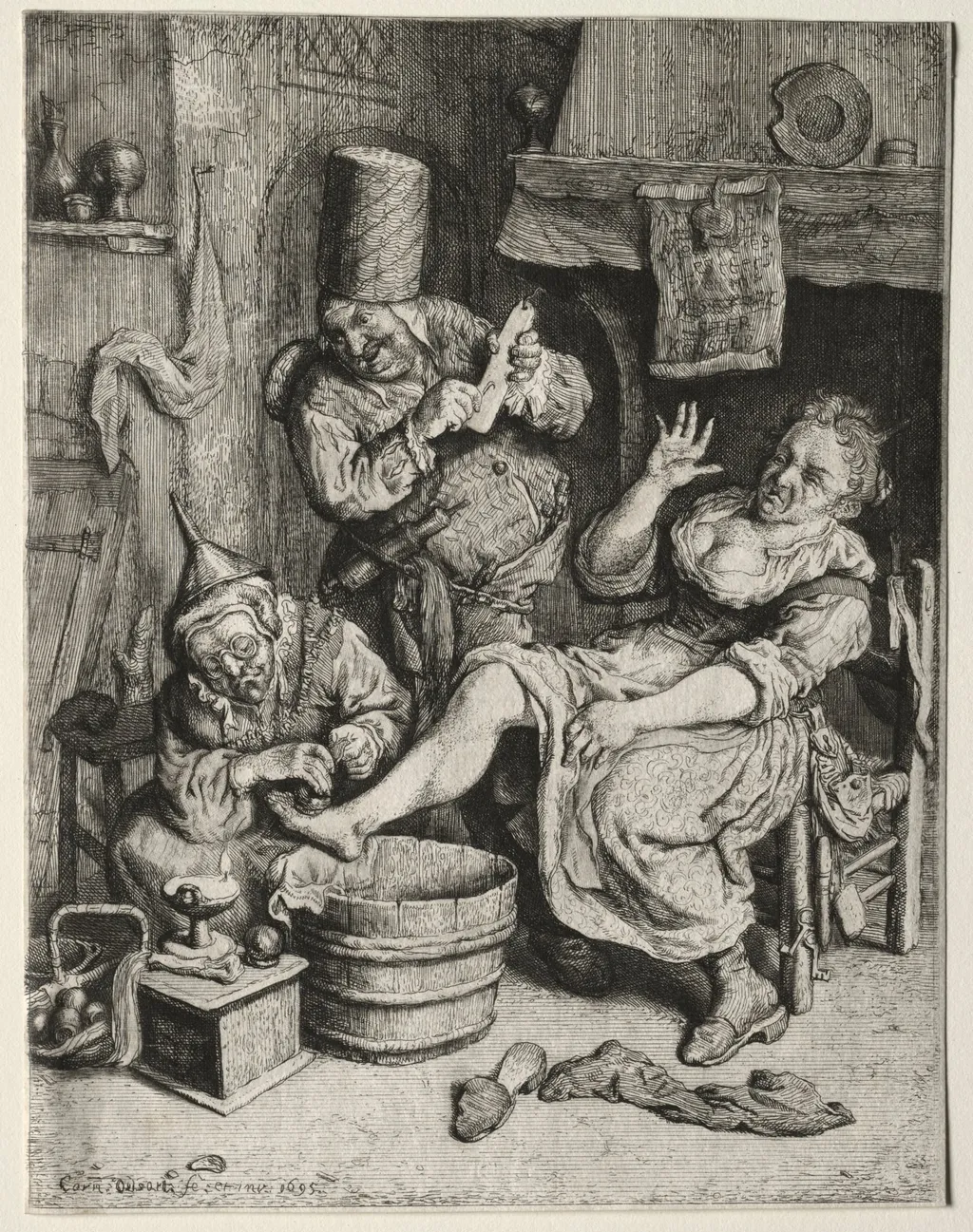
La Ventouse is a print by the Baroque artist Cornelis Dusart. It dates from 1695 and is held in the collection of the Cleveland Museum of Art.
About this work
Overview
Though executed in chalk and watercolor, the composition carries the weight of a narrative moment, capturing an intimate, unidealized interaction.
La Ventouse is a 1695 print by Cornelis Dusart, a Dutch artist trained in Haarlem under Adriaen van Ostade. Dusart, admitted to the Guild of St. Luke in 1679, focused on scenes of rural labor and domestic life. This work exemplifies his engagement with everyday subjects, rendered with precision and emotional nuance. Though executed in chalk and watercolor, the composition carries the weight of a narrative moment, capturing an intimate, unidealized interaction.
Subject & Meaning
The scene depicts a woman seated with her legs elevated, flanked by two men—one standing behind her, the other kneeling at her side. Their gestures suggest a medical or therapeutic intervention, possibly bloodletting, a common practice of the time. Her posture and expression convey discomfort, while the men’s focused attention implies duty rather than empathy. The setting, cluttered and dimly lit, reinforces the mundanity of the act, stripping it of grandeur and emphasizing its ordinary, even uncomfortable, reality.
Technique & Style
Dusart employed colored chalk and watercolor to achieve subtle tonal gradations and textured surfaces. The use of chiaroscuro heightens the three-dimensionality of the figures, directing focus to the central group. Details in clothing, furniture, and tools are rendered with careful observation, reflecting his training in genre painting. The composition avoids theatricality; instead, it relies on restrained gestures and naturalistic lighting to convey psychological tension without melodrama.
History & Provenance
Created in 1695, during the final decades of Dusart’s career, La Ventouse emerged from a Haarlem artistic milieu steeped in the traditions of Dutch genre painting. Dusart remained active in the city until his death in 1704, producing works that circulated among local collectors. While the print’s early ownership is undocumented, its survival reflects the continued interest in domestic scenes from the Dutch Golden Age, even as tastes shifted toward more refined subjects.
Context
In late 17th-century Holland, depictions of peasant life retained popularity among urban audiences, despite growing interest in classical and aristocratic themes. Dusart’s work aligns with a tradition extending from Pieter Bruegel to his teacher van Ostade, emphasizing authenticity over idealization. Medical practices like bloodletting were widely understood, making such scenes both familiar and instructive, offering viewers a glimpse into the physical realities of rural existence.
Legacy
Dusart’s La Ventouse stands as a quiet testament to the endurance of genre painting in the Dutch Republic’s later years. Though overshadowed by the grandeur of Rembrandt or the elegance of Vermeer, his works preserved the dignity of ordinary moments. The print’s emotional restraint and technical precision influenced later observers of daily life, contributing to a broader European tradition of unembellished social observation in art.
Artist & collection
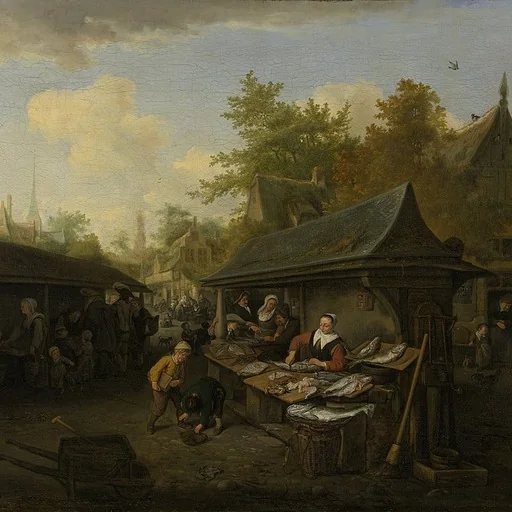
Artist
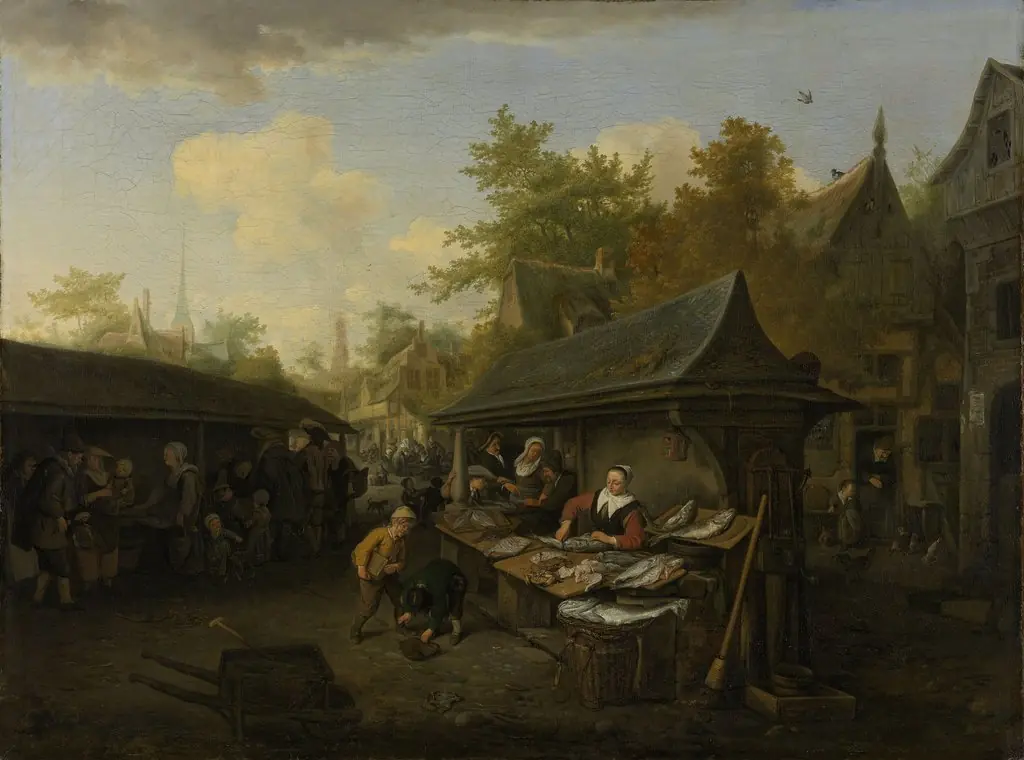
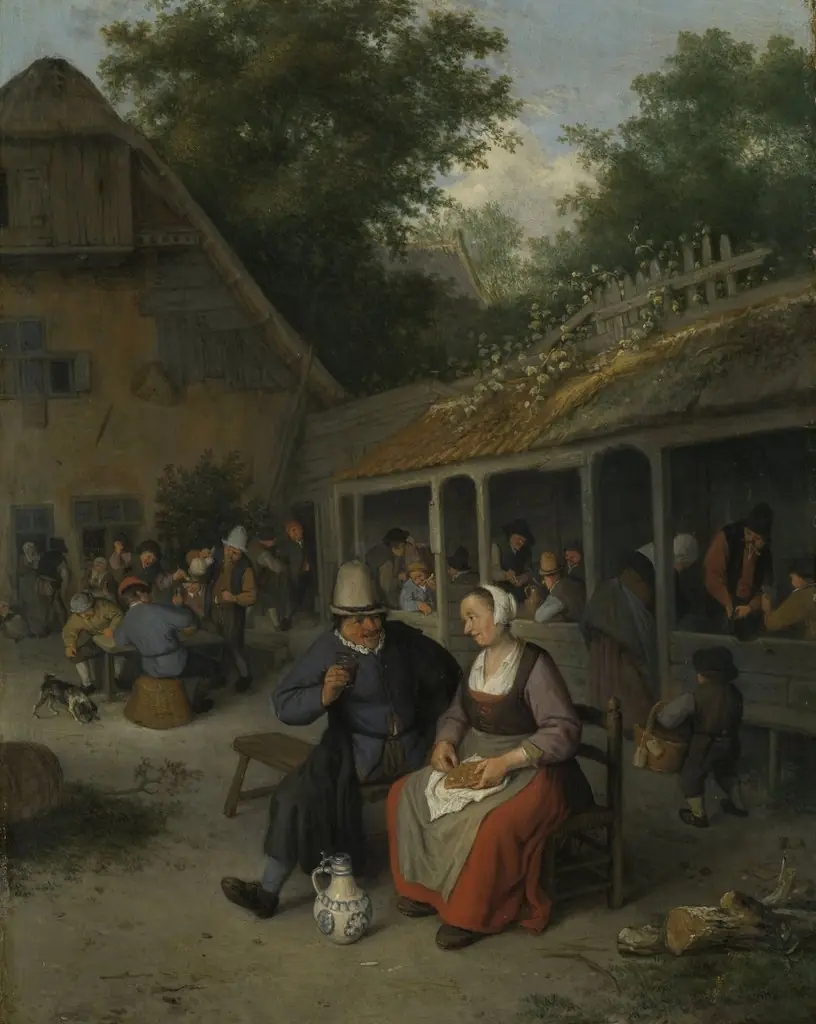
Cornelis Dusart (April 24, 1660 – October 1, 1704) was a Dutch genre painter, drawer (artists), and printmaker.

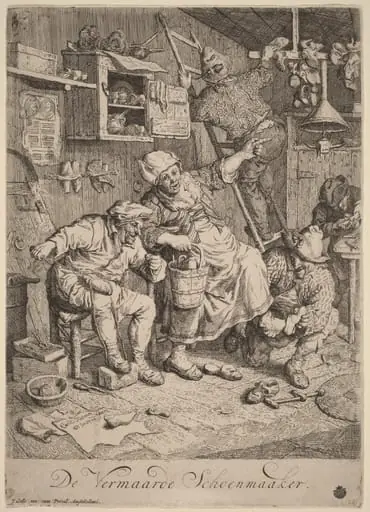 The Merry Shoemaker
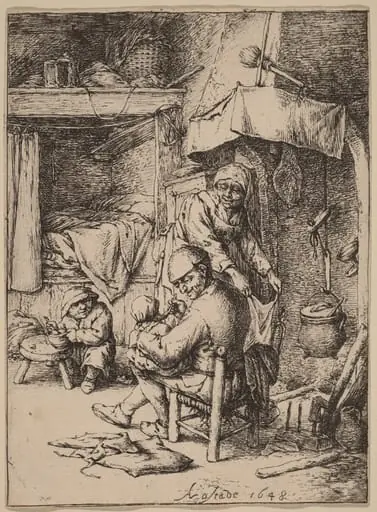 Peasant Family in an Interior wtih the Father Feeding a Child
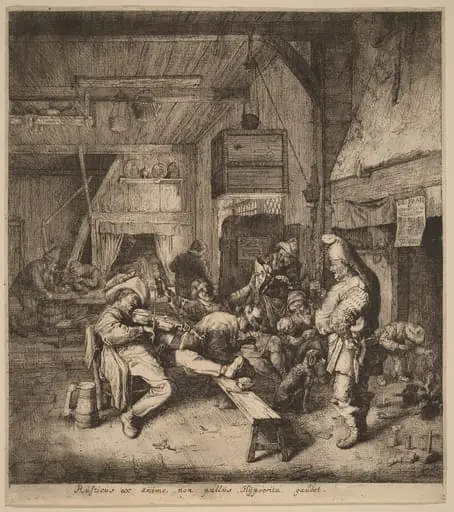 Violin Player Seated in a Tavern
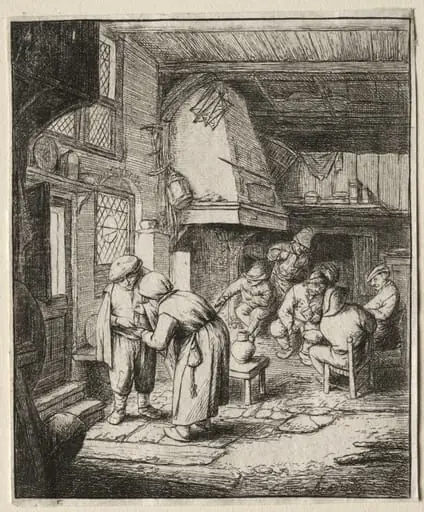 Peasant Settling his Debt
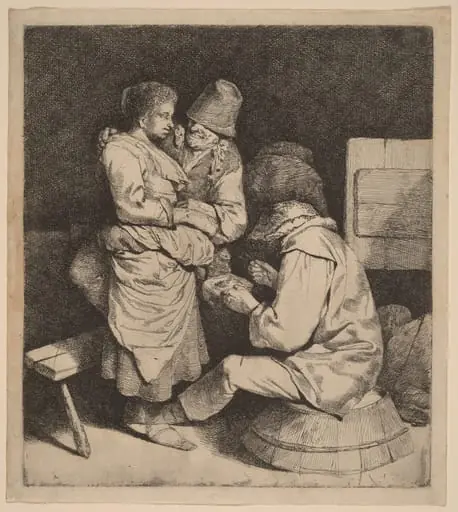 The Young Innkeeper
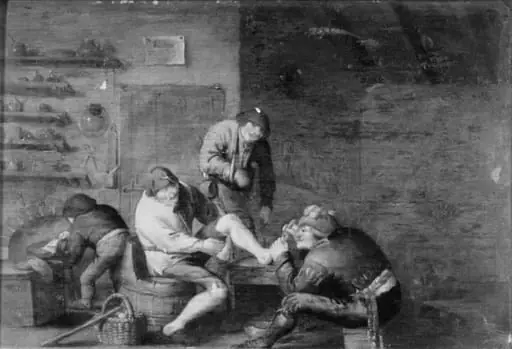 At the Surgeon
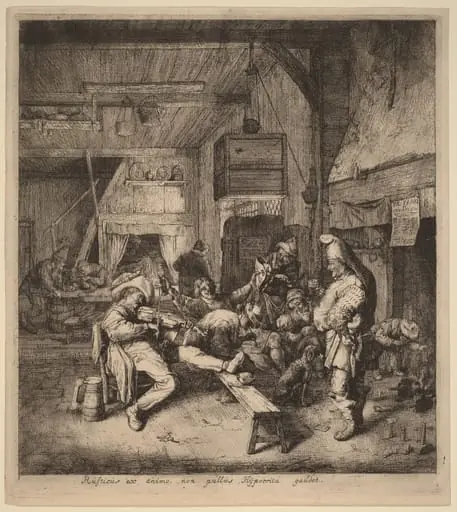 Violin Player Seated in a Tavern
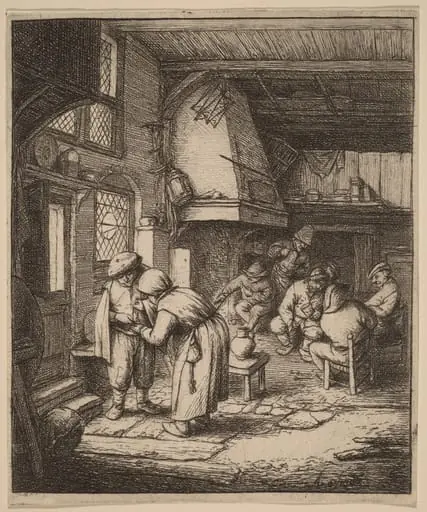 Man Paying the Landlady at an Inn
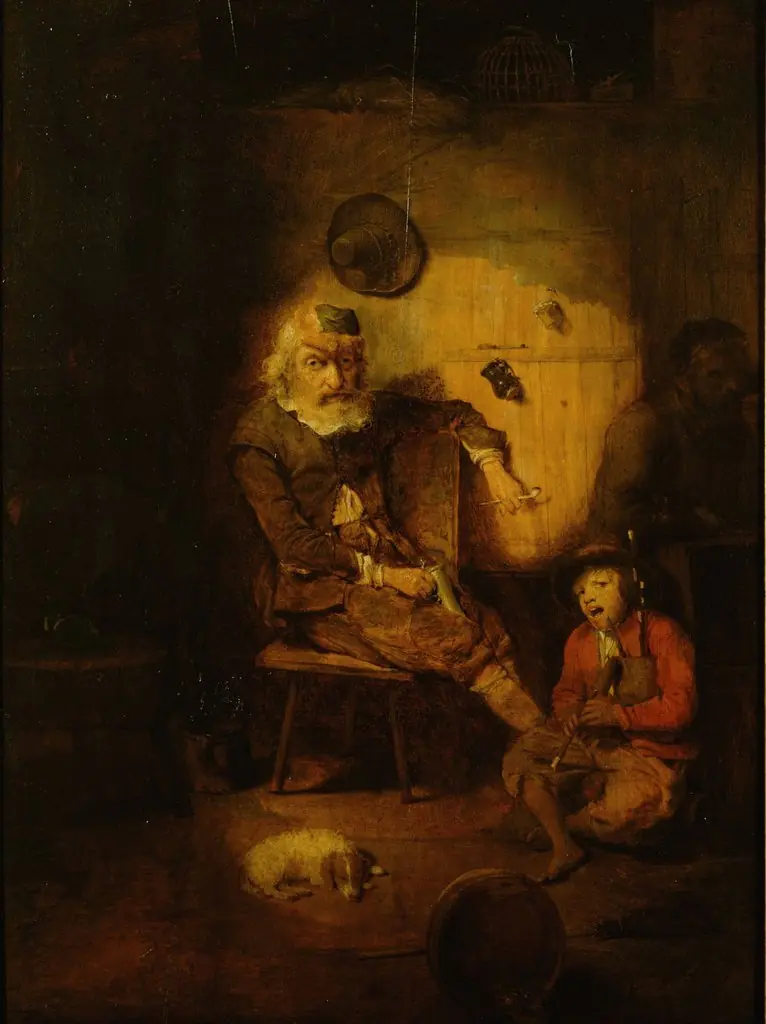 Peasants in a tavern
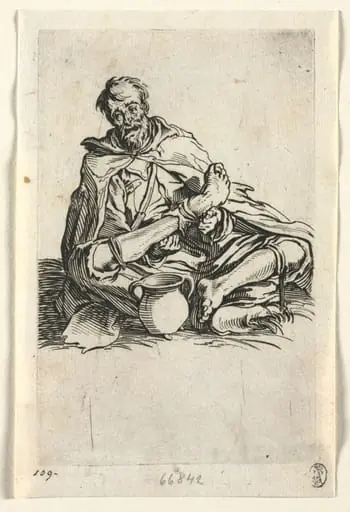 The Beggars: Malingerer
 The Peddlar
 Violin Player Seated in the Inn