Artwork
Farfurie de formă tronconică cu pereții rotunjiți, marginea oblică, lată și buza crestată. Decor cu motive geometrice pe margine: linii frânte și curbe; pete de culoare; central prezintă o floare stilizată. Cromatică: fond: verde; motive: brun; verde deschis; alb.
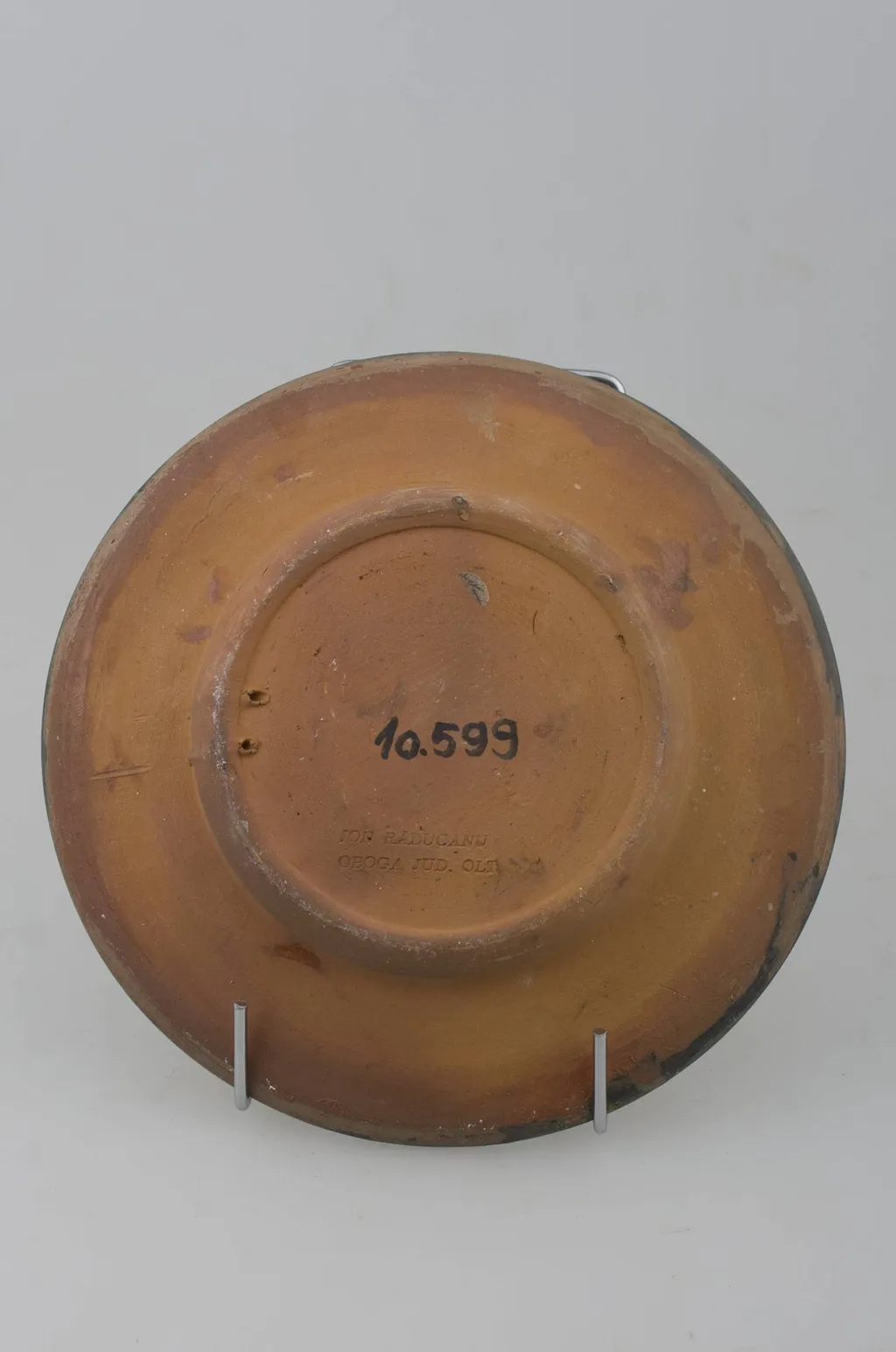
Farfurie de formă tronconică cu pereții rotunjiți, marginea oblică, lată și buza crestată. Decor cu motive geometrice pe margine: linii frânte și curbe; pete de culoare; central prezintă o floare stilizată. Cromatică: fond: verde; motive: brun; verde deschis; alb. is a print by Răducanu Ion. It is held in the collection of the ASTRA National Museum Complex.
About this work
Overview
This artifact is the lower portion of a clay pot with a truncated conical shape, characterized by rounded walls, an oblique, wide rim, and a grooved mouth. The piece exhibits earthy, brown hues with visible cracks, suggesting a handmade, terracotta origin.
Subject & Meaning
The pot's primary subject is a stylized flower at its center, surrounded by geometric motifs (broken lines, curves) and color spots. The design may imply a functional item with aesthetic appeal, though specific symbolic meanings are unclear without broader context.
Technique & Style
Crafted from clay, the pot features a handmade base and irregular rim, indicating traditional or folk craftsmanship. The decorative elements combine geometric precision with organic, stylized floral motifs, reflecting a blend of simplicity and ornamentation.
History & Provenance
Attributed to Ion Răducanu, based on the inscribed name. A faded number ('10.599') suggests possible archival, exhibition, or inventory cataloging. Limited information is provided about the creator or the piece's history; further research on Răducanu's oeuvre could offer insights.
Context
Given its material and style, the pot might be situated within traditional European (possibly Eastern European, given the name) folk ceramics, emphasizing functionality alongside decorative traditions. Exact cultural or temporal context requires additional research.
Legacy
The legacy of this specific pot is not detailed in the provided information. Its significance, if any, would depend on Ion Răducanu's recognized contributions to ceramics, the piece's condition, rarity, or its representation of a particular craft tradition.
Artist & collection
Artist
Ion Răducanu made earth-toned ceramics marked with tight geometric patterns. His green-glazed jar features stacked rings around the body and a white zig-zag on the neck, while the back shows his name and “Oboga jud.…

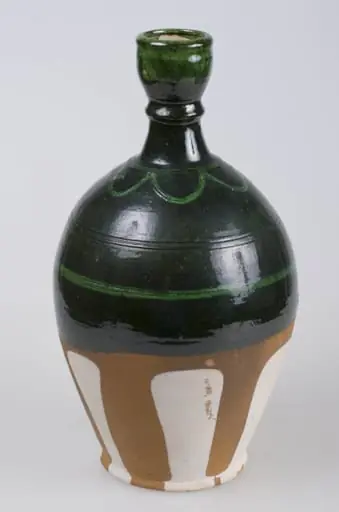 Vasul este zvelt și înalt, cu baza îngustă ce se lărgește spre pântecul vasului înălțat, gâtul subțire și lung, buza mai groasă și lată. De jumătatea gâtului se prinde toarta cu țâț printr-un guler. Jumătatea de jos este nesmălțuită și prezintă dungi verticale, de vopsea albă. Jumătatea de sus este smălțuită în verde închis. Decorul este format dintr-un brâu de semicercuri în jurul gâtului - două dungi paralele pe pântec realizat prin incizie de culoare verde închis. Cromatică: alb; maro; verde.
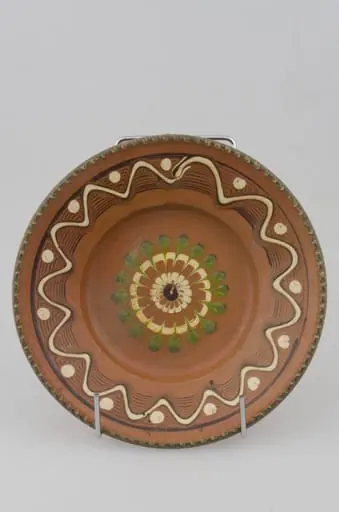 Farfurie cu pereții rotunjiți, marginea oblică lată și buza crestată. Prezintă decor geometric pe margine: linii frânte și curbe; pete de culoare; central avem o floare stilizată. Cromatică: fond: maro; motive: verde; alb.
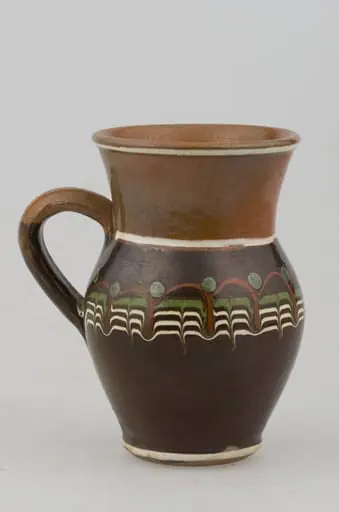 Cană ce are corpul bitronconic și baza îngustată. Prezintă toartăde formă semicirculară. Decorul este dominat de motive geometrice și este compus dintr-o succesiune de linii curbe și puncte. Cromatică: fond: brun; motive: cărămiziu; verde; alb; roșu.
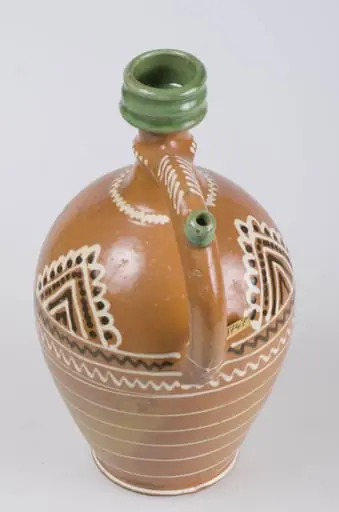 Vasul este zvelt și înalt, cu baza îngustă ce se lărgește spre pântecul vasului situat în partea de sus a lui, gâtul subțire, buza vasului largă, în trei trepte suprapuse, smălțuită verde. Până spre pântecul vasului, de la bază, opt linii circulare, paralele (în ultimele două a fost pictat motivul valului). Pe pântecul vasului decor geometric în alb și maro închis. Gâtul vasului marcat de un zig-zag alb. Toarta este decorată cu puncte și linii albe. Cromatică: maro; verde; alb.
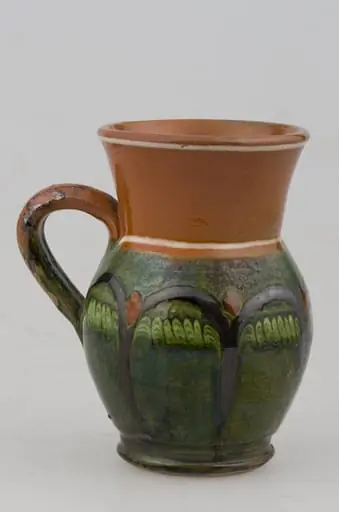 Vas bitonconic ce are corpul ușor bombat, buza lată și evazată. Prezintă o toartă decorată cu linii curbe și puncte; aceleași motive se găsesc și pe corpul ulcelei. Smălțuită la interior și la exterior. Cromatică: verde; negru; brun; alb.
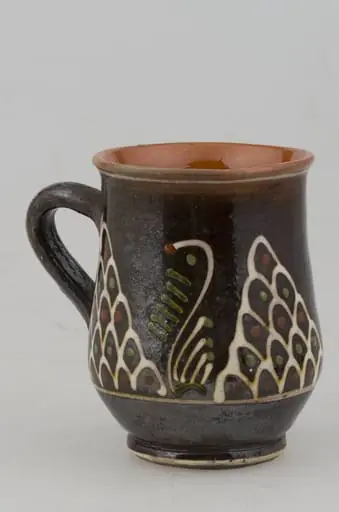 Cană cu corpul ușor bombat și buza evazată. Prezintă o toartă ce pleacă de la aproximativ doi centimetri sub buză până în jumătatea inferioară, pe maximul diametrului corpului. Decorat format din linii curbe, puncte și motive vegetale stilizate. Smălțuită la interior și la exterior. Cromatică: fond: brun; motive: verde; roșu; alb.
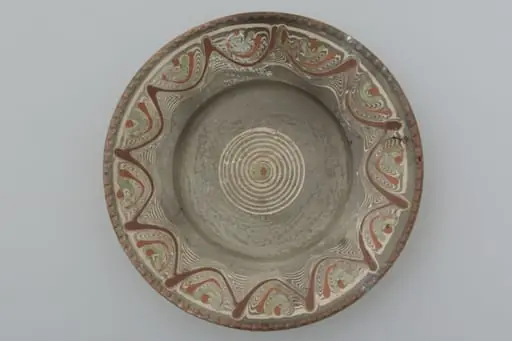 Farfurie cu pereții rotunjiti, marginea oblică lată cu buza crestată. Decor geometric pe margine: linii frânte și curbe, sugerând imaginea unui soare sau flori; pete de culoare; jirăvire. Pe fundul vasului dispusă o spirală cu o bulină verde și un punct maro în mijloc. Baza inelară perforată pentru introducerea unei sfori în vederea atârnării. La posterior, pe fund ștanțat ”Răducanu Ion Oboga jud. Olt''. Cromatică: fond: brun; motive: verde; alb; maro.
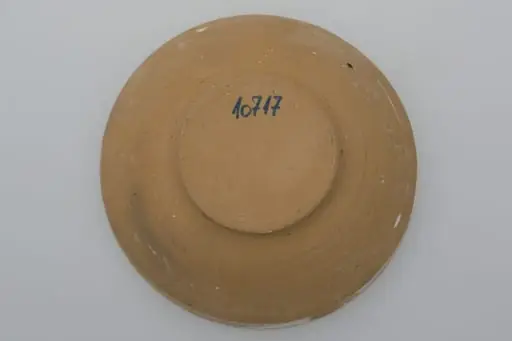 Recipient din lut de uz casnic, nesmălțuit, angobat, de formă circulară, cu profil tronconic, cu buza dreaptă și înaltă. Pe pereții interiori, vasul este decorat cu cornul, cu motive geometrice și florale: un contur de floare urmat de un șir de flori mici stilizate. Spre gura strachinii, la interior, sunt prezente linii concentrice, maro. În centrul vasului este pictată o spirală. Buza vasului este ornată cu o linie ondulată. Cromatică: fond: alb; motive: gri, maro închis, maro deschis.
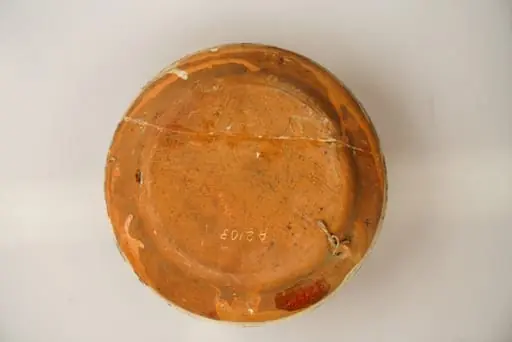 Farfurie de formă aplatizată, cu buza evazată și ușor concavă spre interior; este angobată pe suprafața interioară cu un strat de humă albă peste care este pictat cu pensula și cu cornul decorul format din motive geometrice, dispuse pe întreaga suprafață a piesei: linii groase verzi sub formă de semicerc, cu contur maro; grupuri de linii paralele crescătoare și descrescătoare dispuse pe buză sub formă de triunghi cu vârful orientat spre interior; linii circulare simple și ondulate; linii drepte groase de culoare verde cu contur maro; elemente vegetale geometrizate (frunze?) verzi sau cu linii mici maro în interior; motive sugerând mici flori cu petale rotunde. Suprafața ornamentată a farfuriei este acoperită cu un strat de smalț transparent. Cromatica: alb, albastru.
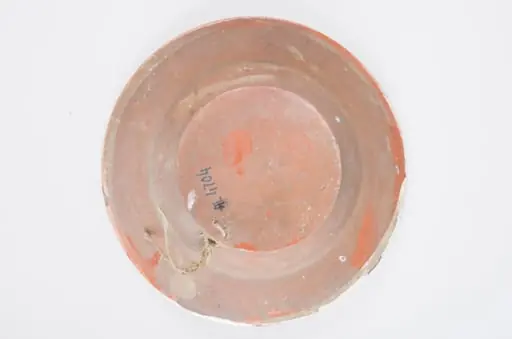 Farfurie cu fundul adâncit și buza evazată. Smălțuită numai în interior și cu scurgeri de smalț sub buză. Prezintă găuri pentru prinderea aței în vederea agățării. Decorată cu motive florale și geometrice: central un buchet de trei flori; pe margine trei linii frânte concentrice. Cromatică: fond: alb; motive: maro; portocaliu; verde; albastru.
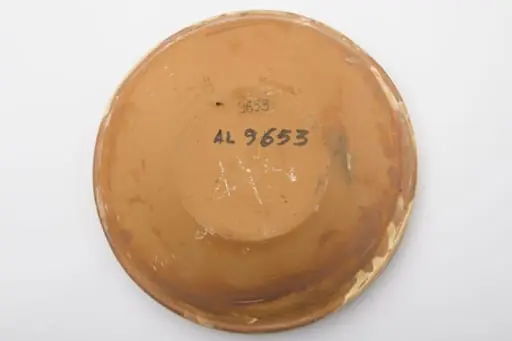 Castron cu fundul îngust, pereții înalți și evazați. Vasul este decorat. Motivul central îl repreintă un mănunchi de cinci flori, cu laleaua în vârf. Decorul este fin incizat, în tehnica sgrafitării, înainte de pictare. Pe marginea vasului între două linii concentrice sunt prezente decorații cu motive geometrice și fitomorfe stilizate (arc de cerc, linii hașurate, drepte și ondulate). Pe spate, castronul are o gaură pentru ață și incizată inscripția ,,Colibaba''. Cromatica: fond: alb; motive: verde, galben, brun.
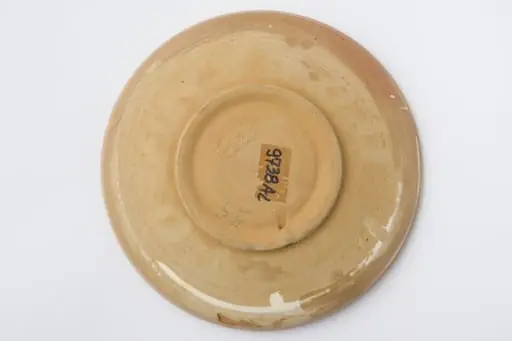 Farfurie de mici dimensiuni, cu fundul îngust, pereții puțin înalți, dar puternic evazați. Centrul farfuriei îl formează o spirală. Restul câmpului este ornamentat în registre succesive separate prin linii de culoare maro realizate cu pensula. Tot cu pensula, peste jirăvire a fost pictată o cunună cu frunze, încadrată în arce cu baza pe un inel cărămiziu, pe ultimul din registru. Spre buză o linie dispusă circular cu buline în alternanță cromatică înscrise în arce. Este prevăzută cu o gaură, pe partea posterioară, la baza inelară, pentru prindere. Dorsal incizată inscripția ”Stelian Ogrezeanu Hurez Vîlcea România''. Cromatică: fond: alb; motive: verde; cărămiziu; negru.
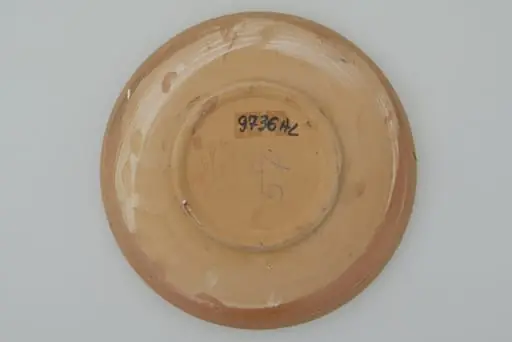 Farfurie tronconică de mici dimensiuni, cu fundul mic, pereții puțin înalți, dar puternic evazați. Centrul farfuriei prezintă o spirală, urmează un câmp jirăvit; urmează două cercuri maro și verde, din nou câmp jirăvit, urmează o ghirlandă cu trandafiri, sfârșindu-se cu un câmp jirăvit. Este prevăzută cu o gaură, pe partea posterioară, pentru prindere. Cromatică: fond: alb-gri; motive; maro; verde; cărămiziu.
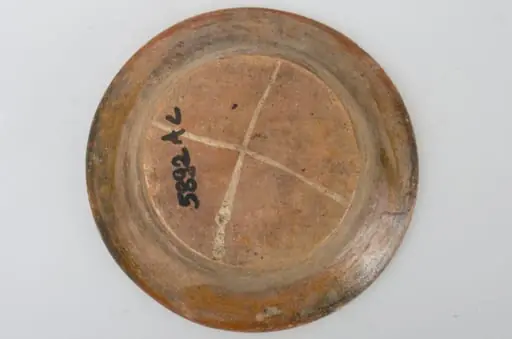 Farfurie de formă tronconică, adâncită, cu buza evazată. Este smălțuită în interior și la exterior (buza). Pe fund are o marcă în formă de ”X” de culoare albă. Pe alocuri smalțul este sărit. Cromatică: cărămiziu, verzui, alb.