Artwork
Carotte de l'écrin
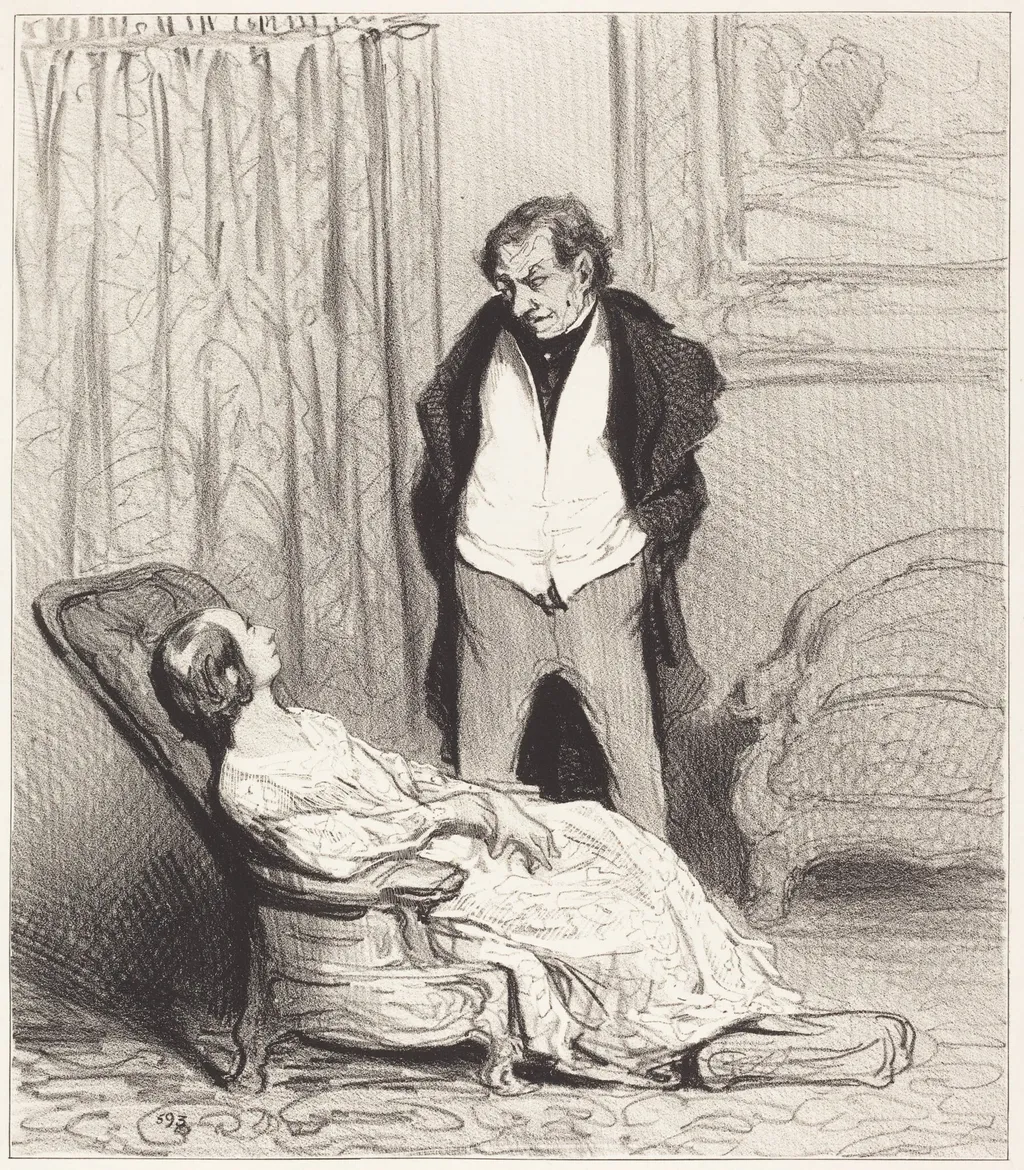
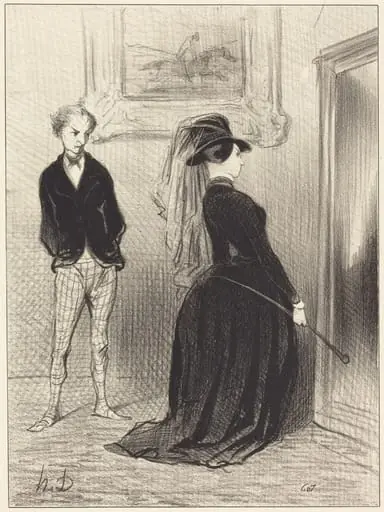
Carotte de l'écrin is an ink print by the Romanticist artist Honoré Daumier. It dates from 1844 and is held in the collection of the National Gallery of Art.
About this work
Overview
Carotte de l'écrin is a 1844 lithograph by Honoré Daumier, a French artist known for his satirical prints.
Subject & Meaning
The print depicts a worried man standing beside a bed where a person lies under heavy blankets. The scene is rendered in a sketchy style, suggesting a narrative or emotional context. The image is characteristic of Daumier's work, which often critiqued French society and challenged social hierarchies.
Technique & Style
The lithograph features quick, expressive lines that convey a sense of immediacy. Daumier's use of sketchy, suggestive drawing creates a sense of tension or drama, drawing the viewer's attention to the man's worried posture and the bed's disarray.
Context
Carotte de l'écrin is part of Daumier's broader oeuvre of satirical prints, which appeared in publications like La Caricature and Le Charivari during the July Monarchy and Second Republic. His work often targeted the monarchy, aristocracy, and clergy, using accessible imagery to critique social and political norms.
Artist & collection
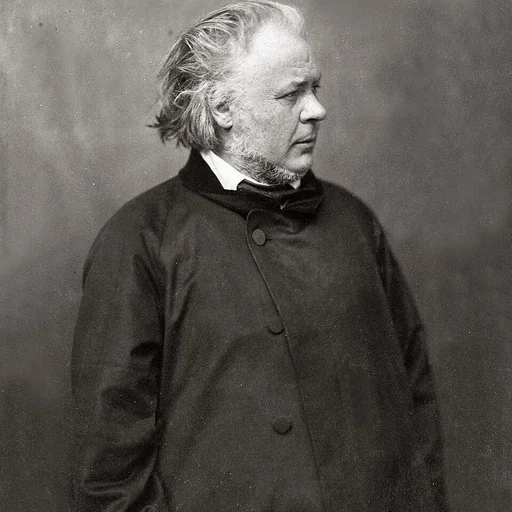
Artist
Honoré-Victorin Daumier was a French painter, sculptor, and printmaker, whose many works offer commentary on the social and political life in France, from the Revolution of 1830 to the fall of the Second French Empire in 1870.

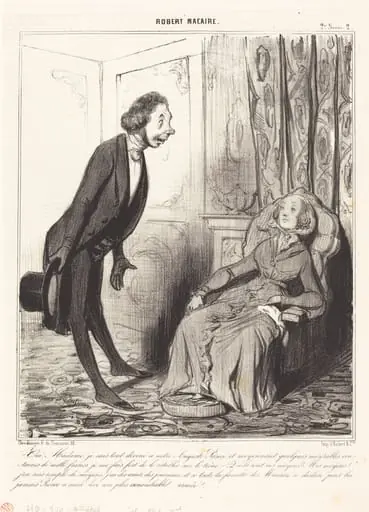 Oui, Madame, je suis tout dévoué a notre... Prince...
![Indian Summer [L'estate di San Martino], by Eleuterio Pagliano](https://artifactworldgallery.com/img/eleuterio-pagliano--indian-summer-l-estate-di-san-martino--c18fa1d8e52f5b86-w320.webp) Indian Summer [L'estate di San Martino]
Indian Summer [L'estate di San Martino]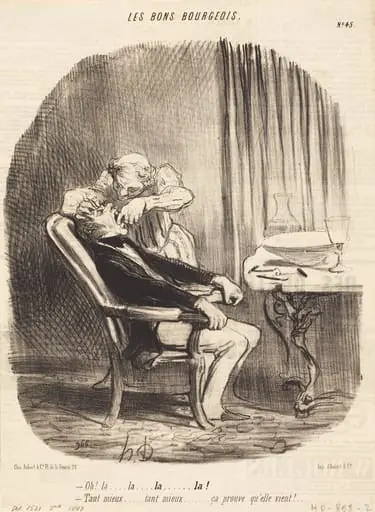 Oh! la... tant mieux... ça prouve qu'elle vient!
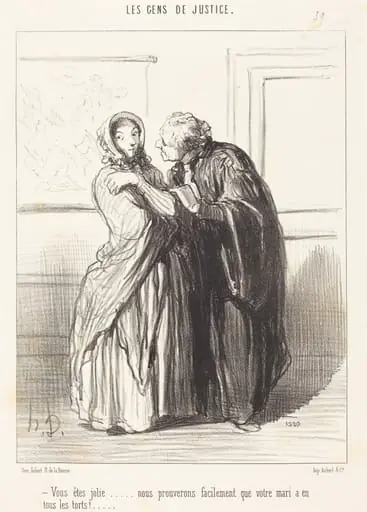 Vous êtes jolie...
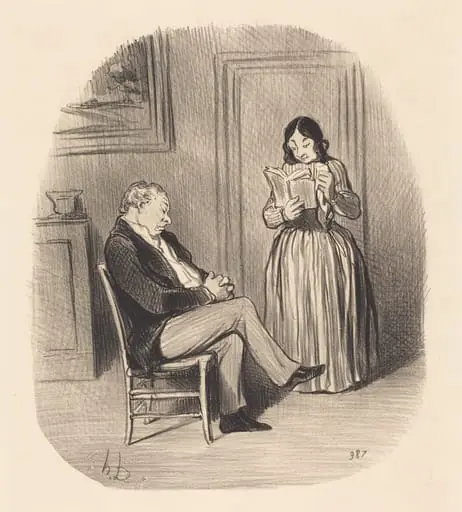 Bourgeois se fesant lire, après diner, quelques chapitres...
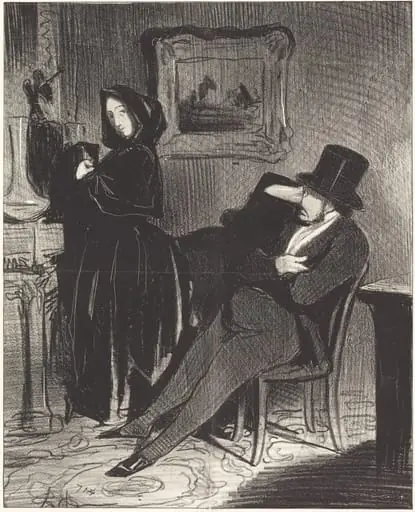 Plus souvent que je te conduirai... au bal...
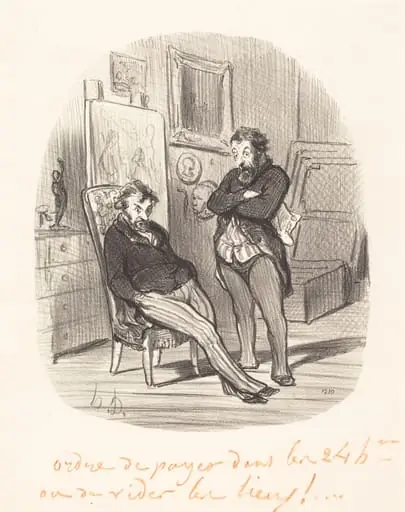 Inconvénient d'envoyer un mauvais tableau...
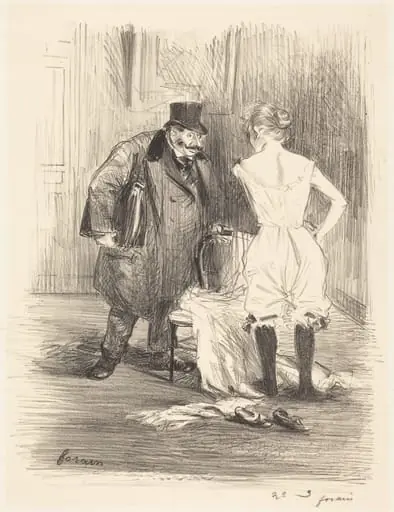 Une saisie (A Seizure)
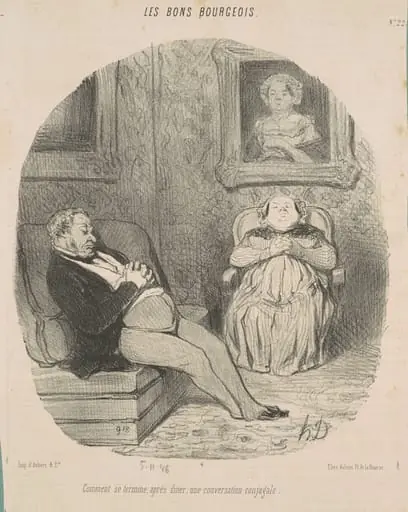 Comment se termine ... une conversation conugale
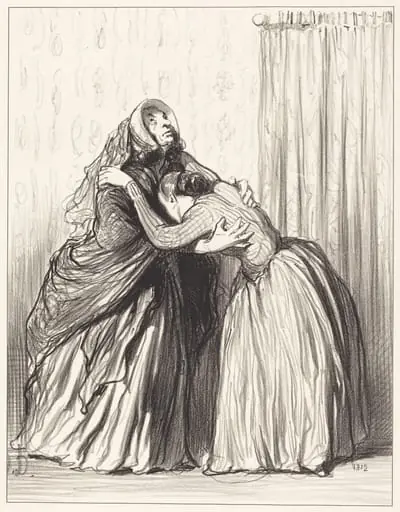 Oui, ma chère, mon mari a ravalé ma dignité...
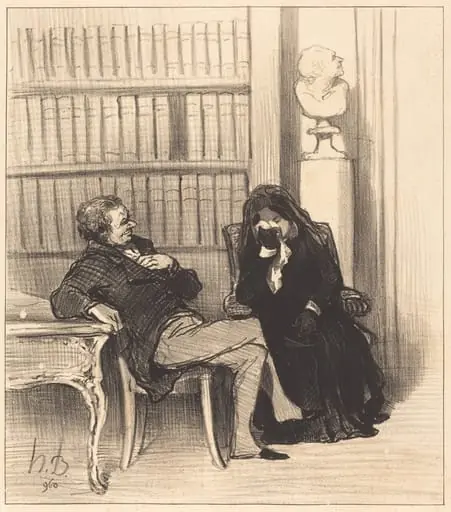 La veuve
 C'est singulier... il ne me vient plus d'idées... que...