Artwork
Ce logement est un peu cher, pour la place Royale...
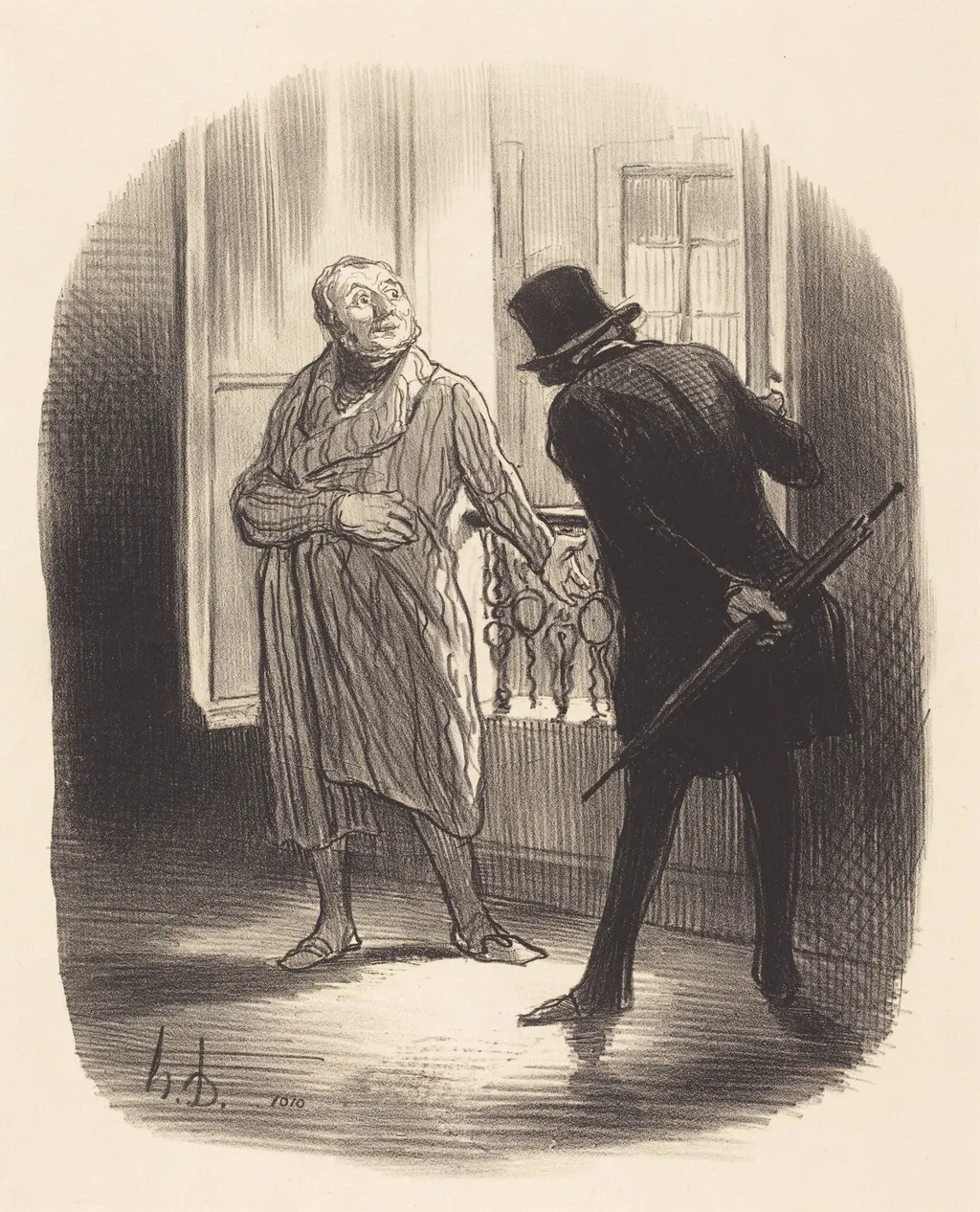
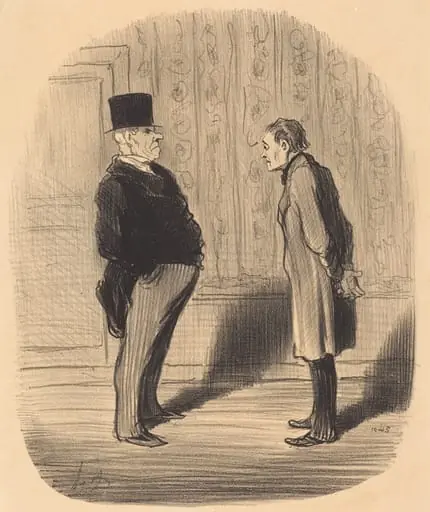
Ce logement est un peu cher, pour la place Royale... is an ink print by the Romanticist artist Honoré Daumier. It dates from 1847 and is held in the collection of the National Gallery of Art.
About this work
Overview
Honoré Daumier’s 1847 lithograph titled *Ce logement est un peu cher, pour la place Royale…* depicts a brief street scene in which two men converse before a modest building. The composition captures a moment of informal exchange, emphasizing the contrast between the figures’ attire and the modest urban setting.
Subject & Meaning
The print juxtaposes an older, long‑coated gentleman with a top‑hat‑wearing interlocutor, suggesting a dialogue about housing costs that exceeds the means of ordinary residents. By highlighting the disparity between the characters’ social positions and the modest dwelling, Daumier comments on the economic strain felt by many Parisians in the mid‑nineteenth century.
Technique & Style
Executed in lithography, the image relies on swift, sketch‑like lines that convey immediacy and vitality. Daumier’s handling of the medium allows for a loose, almost spontaneous rendering of figures and architectural details, a hallmark of his satirical prints that sought to capture everyday life with a touch of humor.
History & Provenance
Created during Daumier’s prolific period of political caricature, the lithograph was likely circulated through the satirical journals *La Caricature* and *Le Charivari*, which disseminated his critiques of the monarchy and social hierarchy. The work reflects the artist’s republican sympathies that were evident from the 1830 Revolution through the Second Empire.
Context
In the 1840s Paris, rapid urban growth and rising rents intensified class tensions. Daumier’s print responds to these conditions, using a mundane scene to illustrate broader concerns about housing affordability and the widening gap between the privileged and the working populace.
Artist & collection
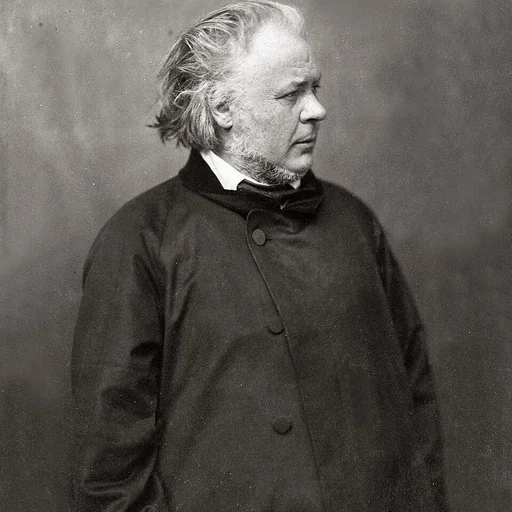
Artist
Honoré-Victorin Daumier was a French painter, sculptor, and printmaker, whose many works offer commentary on the social and political life in France, from the Revolution of 1830 to the fall of the Second French Empire in 1870.

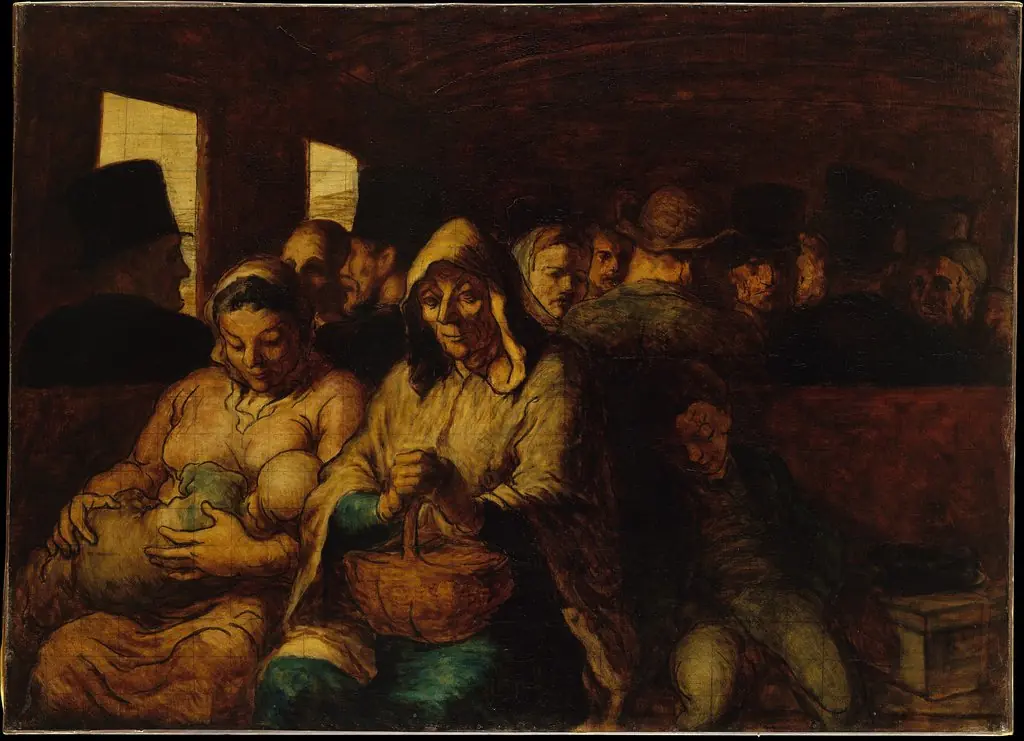
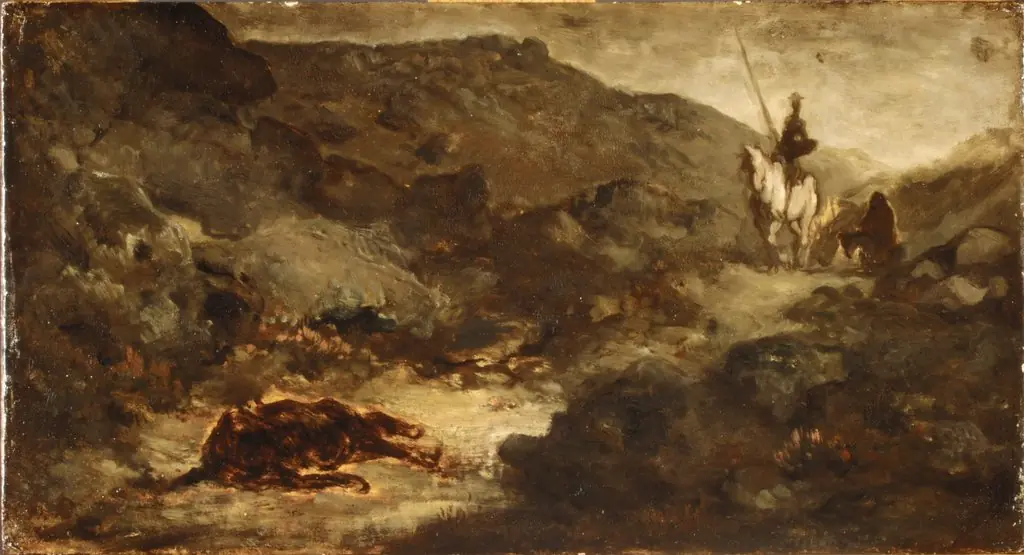
 Eh! bien monsieur et mes trois termes...
 Pourriez-vous me dire...? J'ai la grippe!...
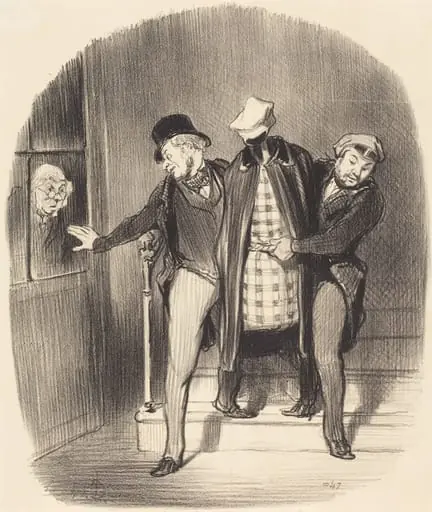 Un Déménagement furtif
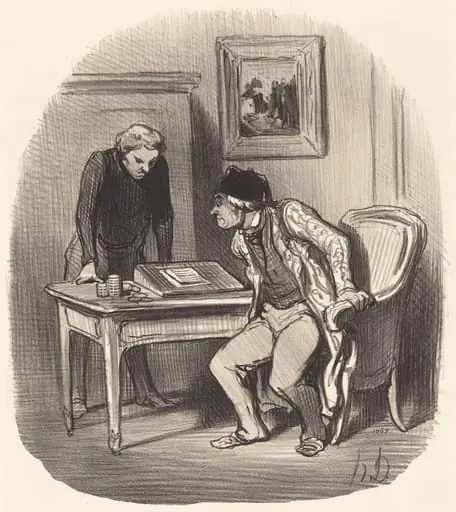 Le Compte est-il bien exact?...
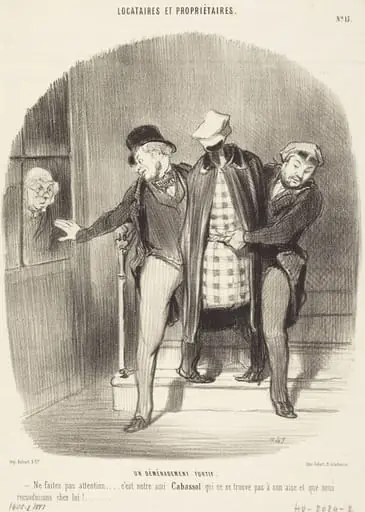 Un Déménagement furtif
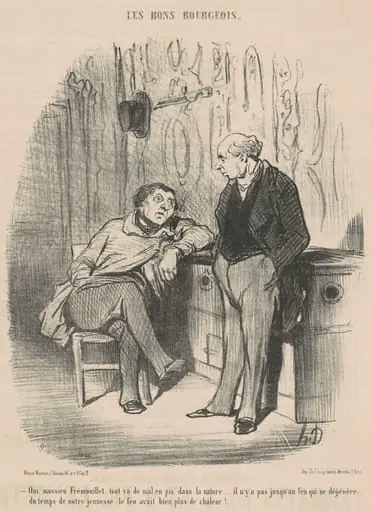 Oui, Mossieu Fremouillet, tout va de mal en pis ...
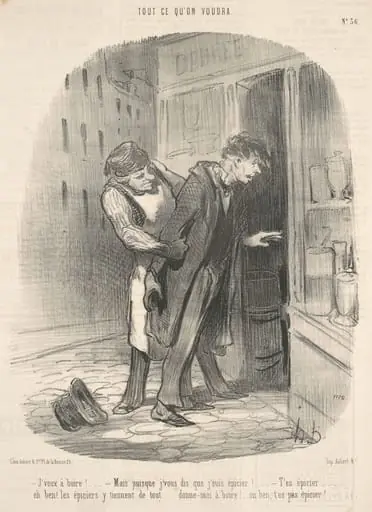 J'veux a boire! Mais puisque j'vous dis ...
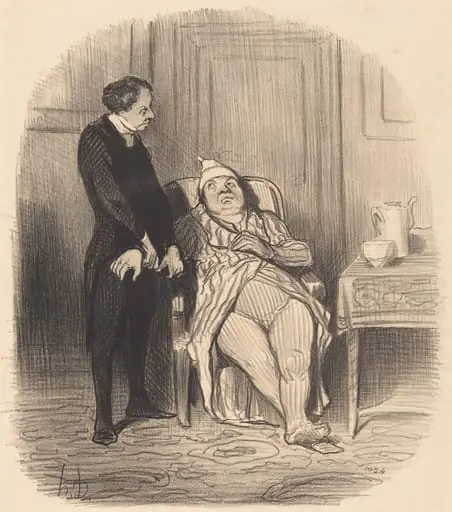 Ah! docteur... je crois... que j'suis poitrinaire!
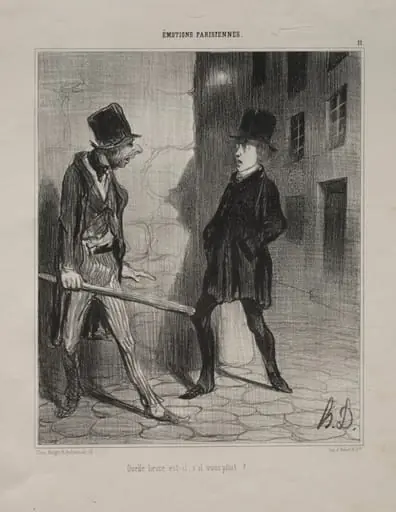 What Time is it, Please?
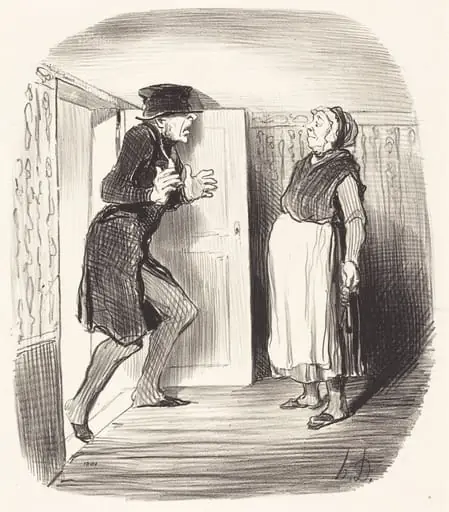 Inconvénient de visiter sans précaution un entresol...
 Un nouvel anobli
 Mais quand je vous dis que je ne peux pas remuer les pieds...