Artwork
Comme quoi, au village, la vertu la plus grêlée...
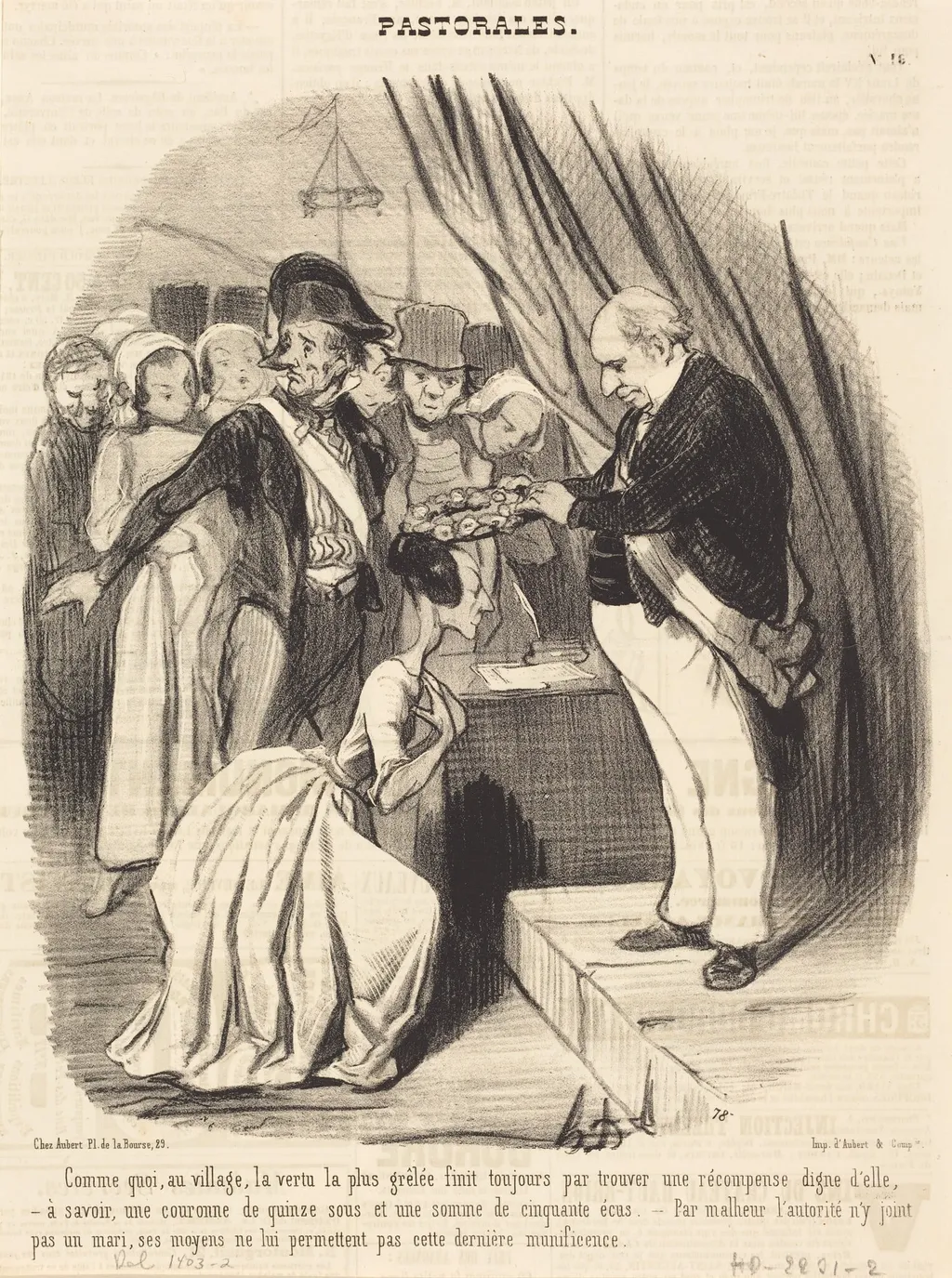
Comme quoi, au village, la vertu la plus grêlée... is an ink print by the Romanticist artist Honoré Daumier. It dates from 1845 and is held in the collection of the National Gallery of Art. Comme quoi, au village, la vertu la plus grêlée.
About this work
Overview
Comme quoi, au village, la vertu la plus grêlée... is a lithograph on newsprint created by Honoré Daumier in 1845. Characteristic of his satirical body of work, this print critiques aspects of French society during the mid-19th century.
Subject & Meaning
The print depicts a bustling, old-fashioned village scene with multiple interactions, including a robed figure handing something to a seated woman, amidst a crowd of onlookers. While the exact narrative is unclear, the caption suggests a commentary on village life and the perception of virtue or reward within it.
Technique & Style
Executed in lithography on newsprint, the work features Daumier's signature rough, sketchy lines, conveying a sense of dynamic immediacy. This technique, common in his satirical prints for publications like *La Caricature* and *Le Charivari*, facilitated widespread dissemination of his critiques.
History & Provenance
Produced in 1845, this lithograph aligns with Daumier's period of prolific output for French satirical journals, reflecting his republican democrat views through critiques of societal hierarchies.
Context
Within the broader context of 19th-century France, Daumier's work responded to the social and political tensions of the time, using satire to address the monarchy, aristocracy, and clergy. This print, with its village setting, may subtly comment on the perceived virtues or hypocrisies in rural life contrasted with urban realities.
Legacy
As part of Daumier's extensive satirical oeuvre, *Comme quoi, au village, la vertu la plus grêlée...* contributes to his legacy as a pioneering figure in social commentary through art, influencing future generations of satirists and printmakers.
Artist & collection

Artist
Honoré-Victorin Daumier was a French painter, sculptor, and printmaker, whose many works offer commentary on the social and political life in France, from the Revolution of 1830 to the fall of the Second French Empire in 1870.









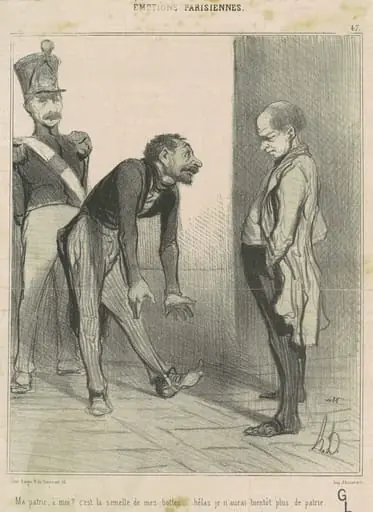 Ma patrie, a moi?...
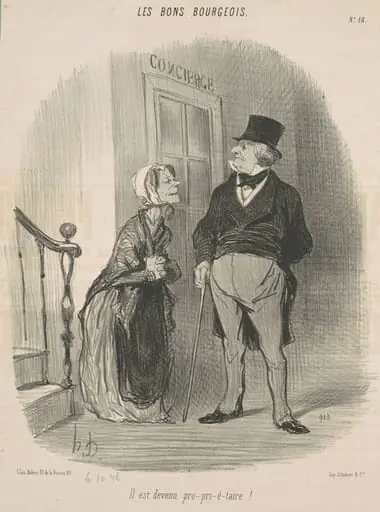 Il est devenu pro-pri-é-taire!
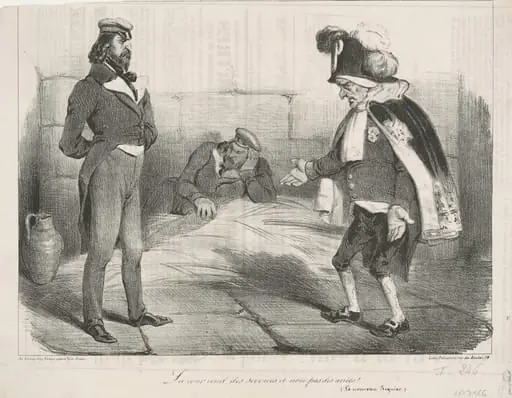 La cour rend des services et non pas des arrêts!
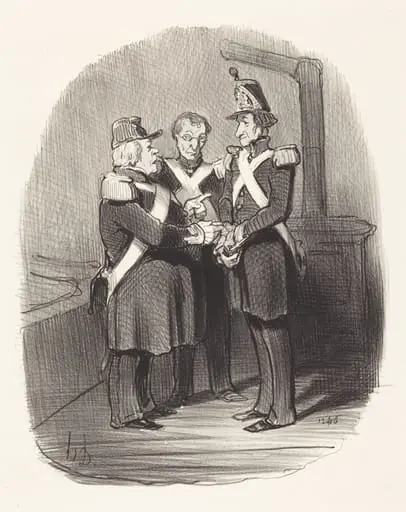 Expliquez-moi donc, monsieur Badoulard...
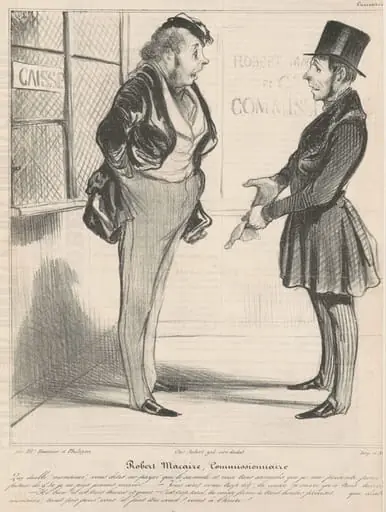 Robert Macaire commissionnaire
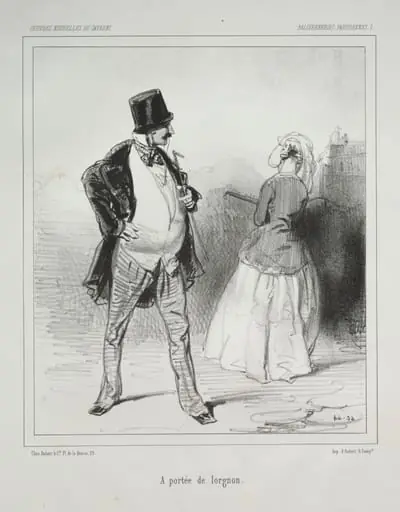 A portée de lorgnon
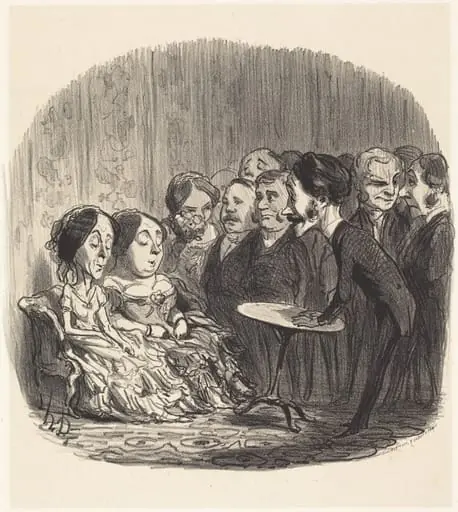 L'Esprit frappeur
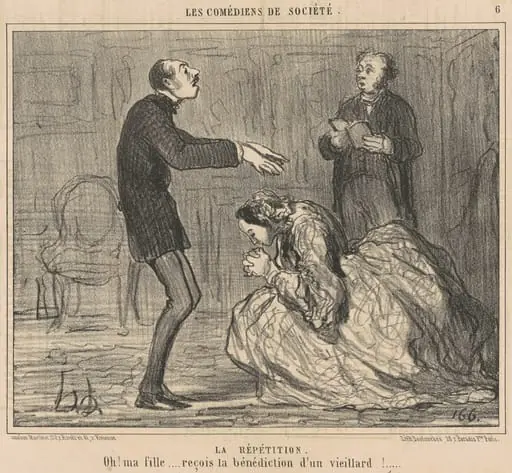 La répétition
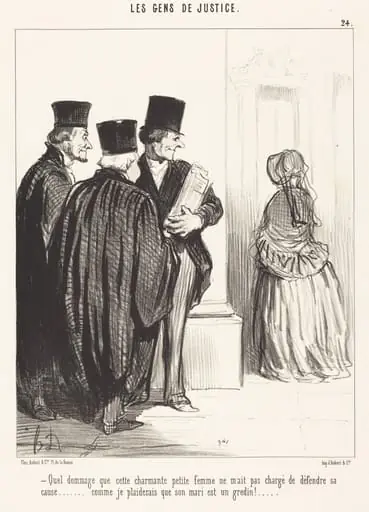 Quel dommage que cette charmante... femme...
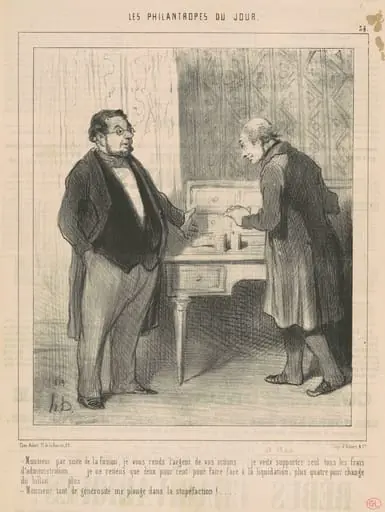 Monsieur par suite de la fusion
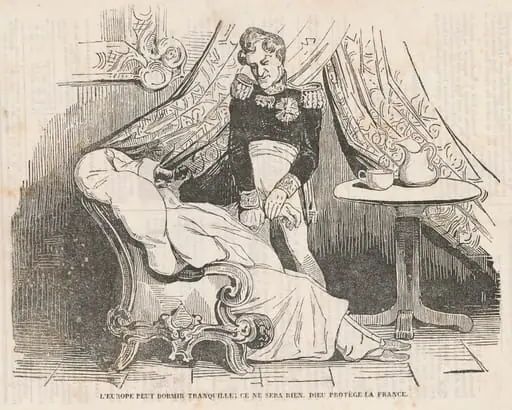 L'europe peut dormir tranquille ...
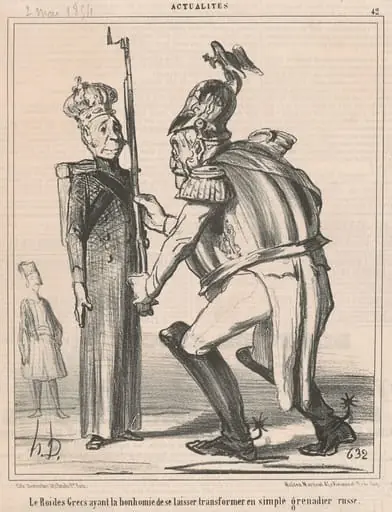 Le roi des grecs ...