Artwork
Comte J.-Jérome Siméon
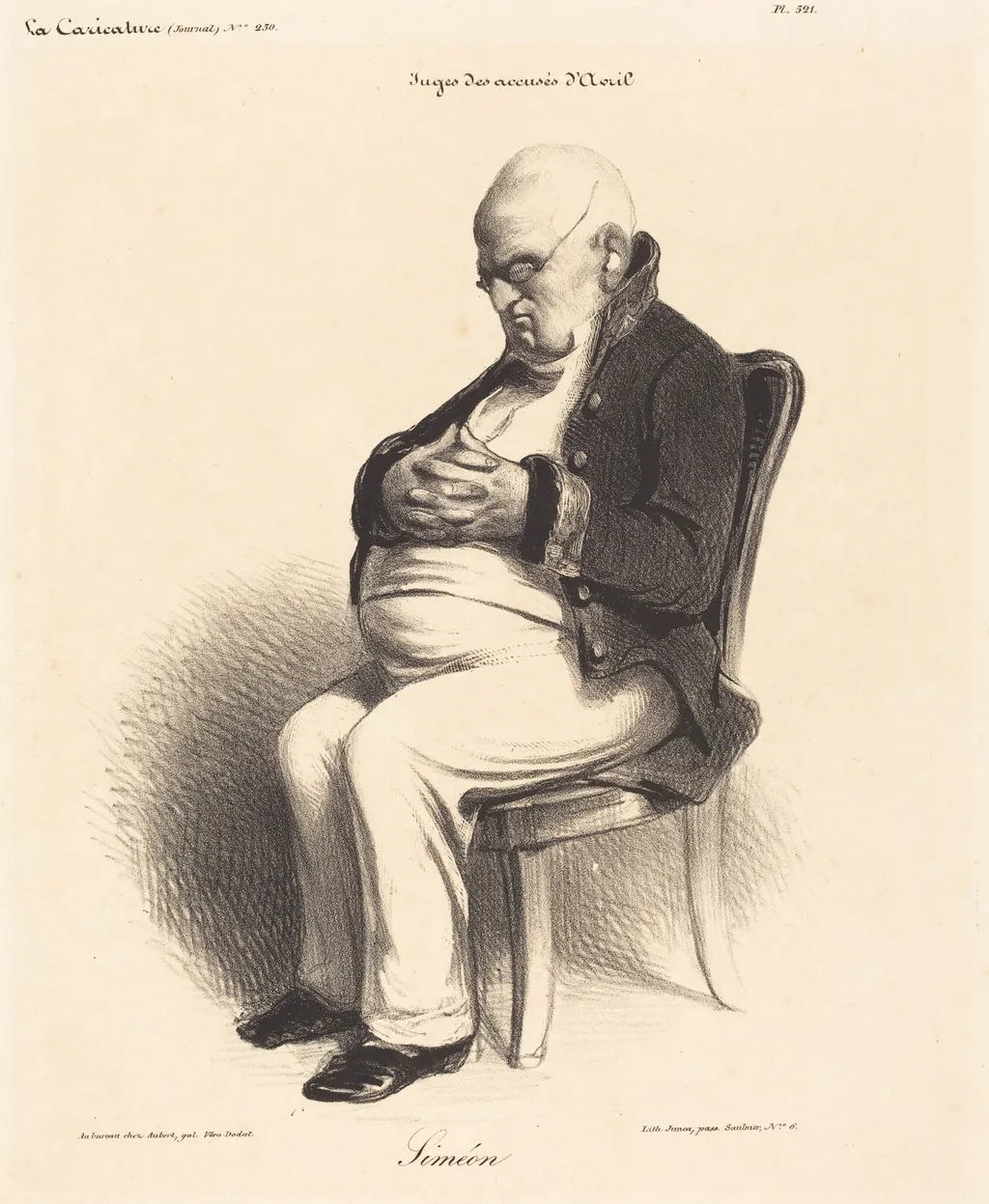
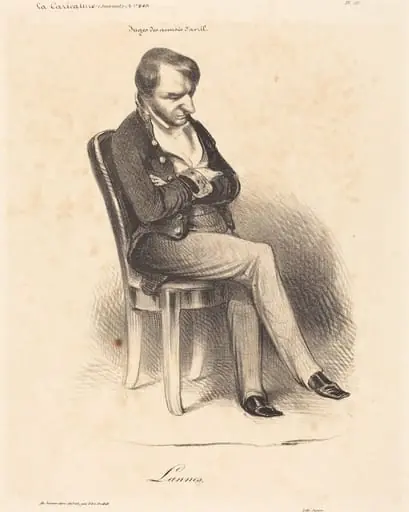
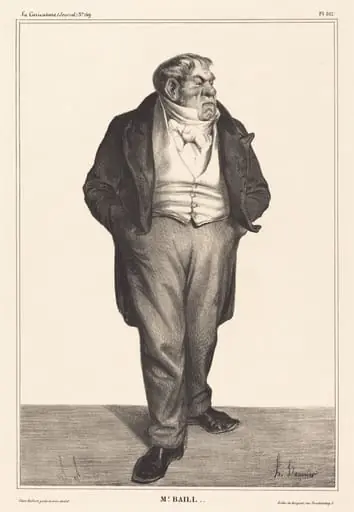
Comte J.-Jérome Siméon is an ink print by the Romanticist artist Honoré Daumier. It dates from 1835 and is held in the collection of the National Gallery of Art. Comte J.
About this work
Overview
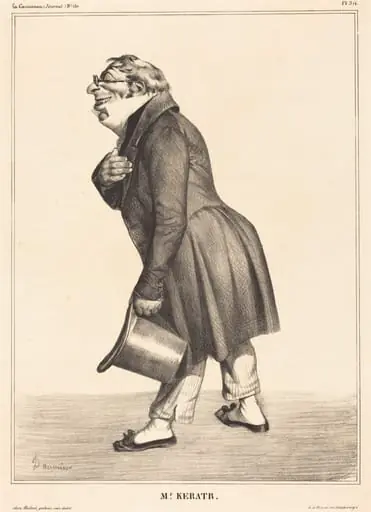
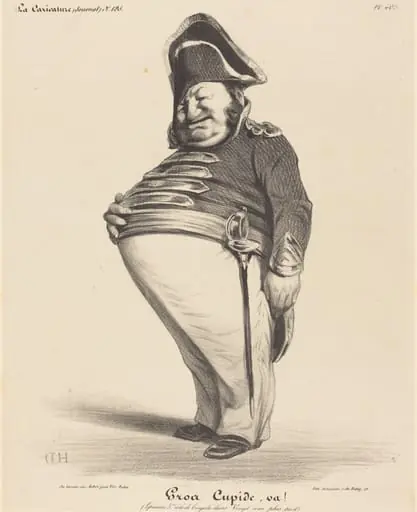
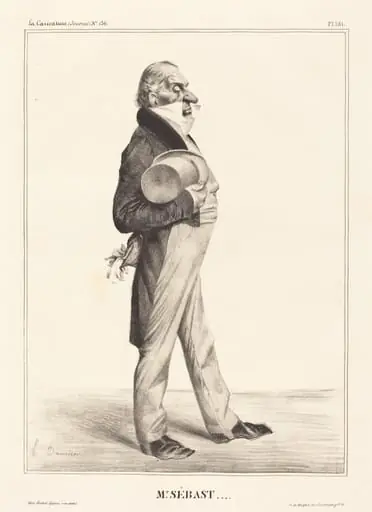
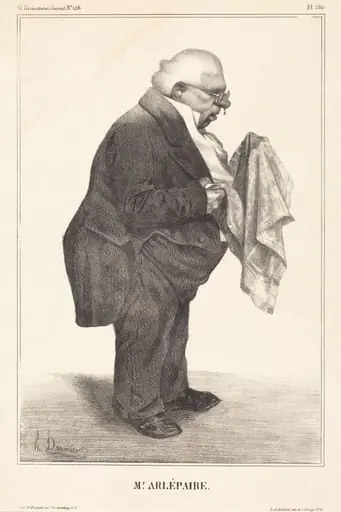
Comte J.-Jérome Siméon is a lithograph created by Honoré Daumier in 1835, exemplifying the artist's satirical approach to portraying the French aristocracy.
Subject & Meaning
The print depicts Comte J.-Jérome Siméon, a French judge, in a caricatured manner. The subject's portrayal, with a round, balding face and slight frown, alongside the text "Juges des accusés d'Août", critiques his role as a judge in politically charged cases, reflecting Daumier's republican and democratic sentiments.
Technique & Style
Executed in loose, quick lines, the lithograph retains a rough, sketchy feel. This style, characteristic of Daumier's work, serves to exaggerate the subject's features for satirical effect.
History & Provenance
Produced during Daumier's prolific period of contributing to journals like *La Caricature* and *Le Charivari*, the lithograph aligns with his practice of satirizing the monarchy, aristocracy, and clergy through printmaking.
Artist & collection
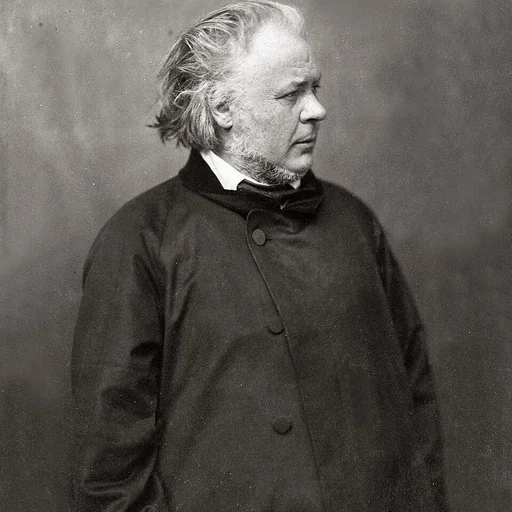
Artist
Honoré-Victorin Daumier was a French painter, sculptor, and printmaker, whose many works offer commentary on the social and political life in France, from the Revolution of 1830 to the fall of the Second French Empire in 1870.