Artwork
Les arènes législatives
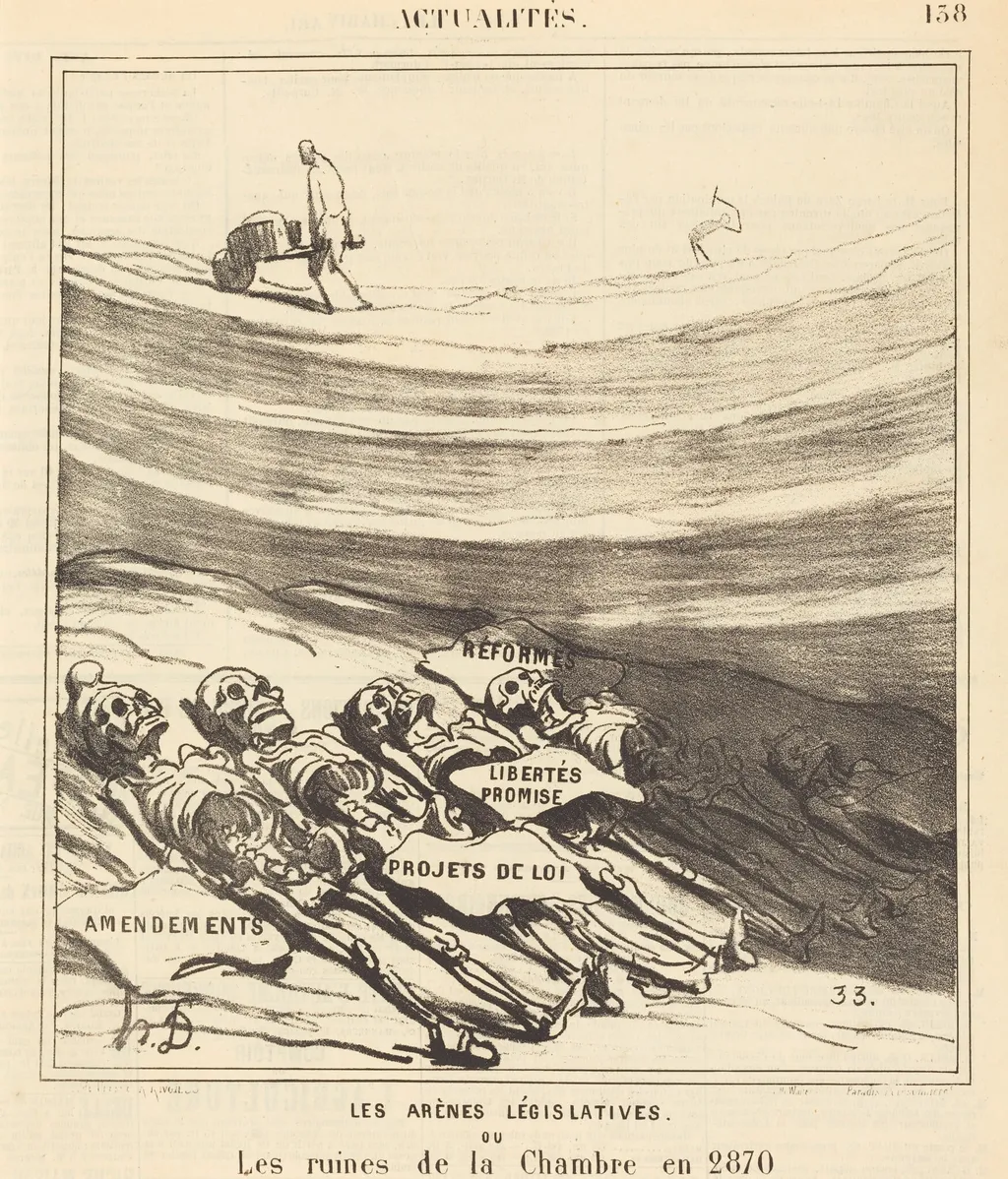
Les arènes législatives is a print by the Impressionist artist Honoré Daumier. It dates from 1870 and is held in the collection of the National Gallery of Art.
About this work
Overview
Honoré Daumier’s *Les arènes législatives* (1870) is a gillot‑type print executed on newsprint. The work belongs to the artist’s prolific output of political satire, produced at a time when he regularly contributed caricatures to French periodicals. Its title, translating to “the legislative arena,” frames the image as a critique of contemporary parliamentary practice.
Subject & Meaning
The composition depicts a disorderly graveyard where skeletal figures are entangled, some bearing placards labeled with terms such as “Réforme,” “Libertés Promise,” “Projets de Loi,” and “Amendements.” A solitary figure in the distance plows a field, seemingly indifferent to the surrounding chaos, suggesting a contrast between productive labor and the stagnant, decaying legislative process.
Technique & Style
Daumier employed a rough, sketch‑like line work and dense chiaroscuro shading, giving the print a sense of immediacy and urgency. The gillot printing method, combined with the inexpensive newsprint substrate, reinforces the work’s newspaper‑origin and its function as a rapid visual commentary.
Context
Created during the waning years of the Second French Empire, the print reflects the heightened political tension of 1870. Daumier’s republican sympathies and his longstanding opposition to monarchical and clerical authority inform the satirical tone, aligning the piece with his broader campaign against established power structures.
Legacy
*Les arènes législatives* exemplifies Daumier’s use of caricature to expose perceived corruption within French institutions. The work continues to be cited as a visual document of 19th‑century political dissent, illustrating how print media served as a vehicle for social critique in the era.
Artist & collection
Artist
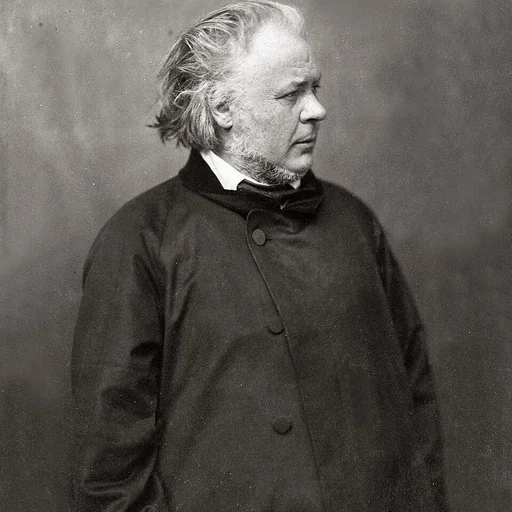
Honoré-Victorin Daumier was a French painter, sculptor, and printmaker, whose many works offer commentary on the social and political life in France, from the Revolution of 1830 to the fall of the Second French Empire in 1870.

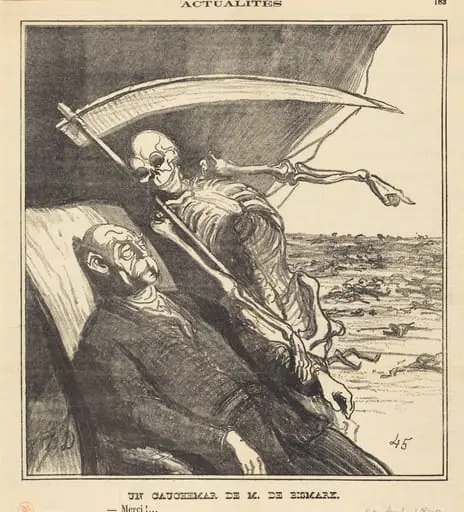 Un cauchemar de M. Bismarck
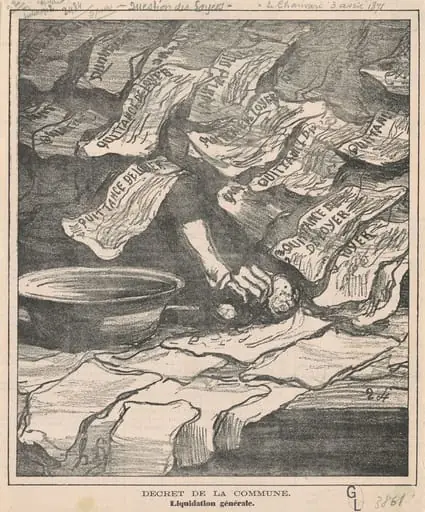 Décret de la commune
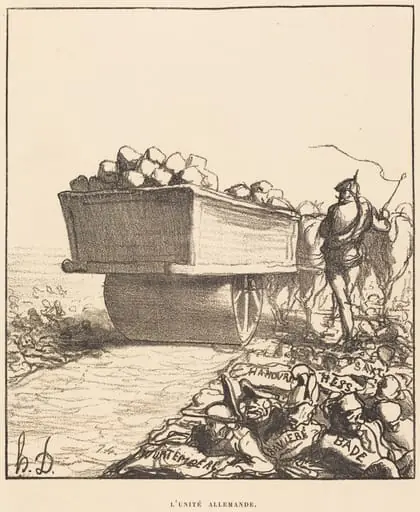 L'unité allemande
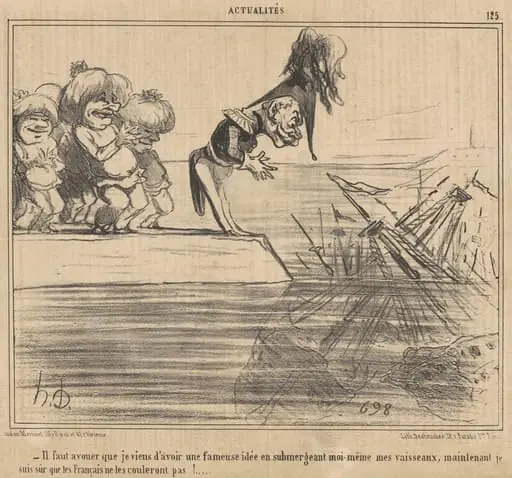 Il faut avouer que je viens d'avoir une ...
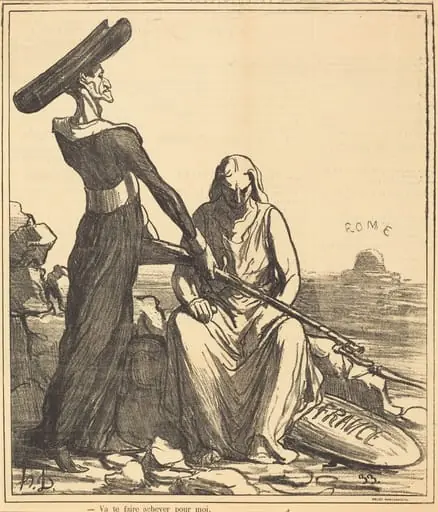 Va te faire achever pour moi
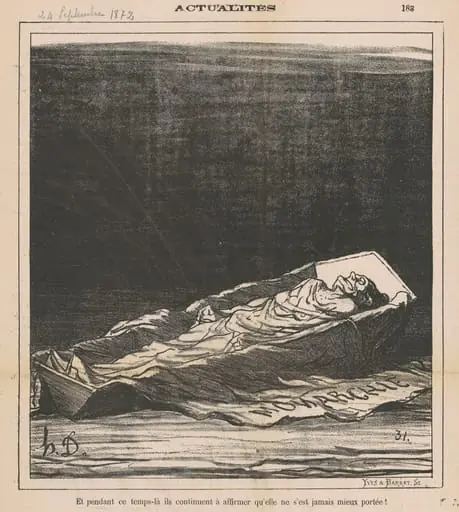 Et pendant ce temps-là ils continuent à affirmer qu'elle ne s'est jamais mieux portée!
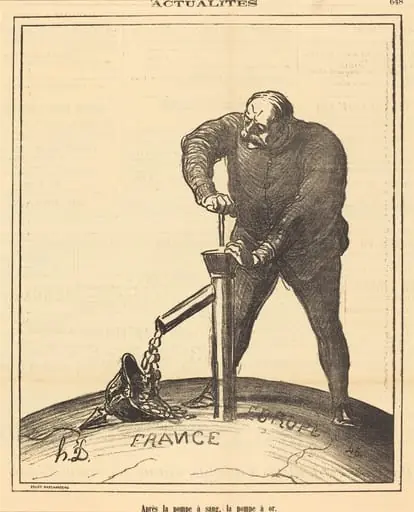 Après la pompe a sang, la pompe à or
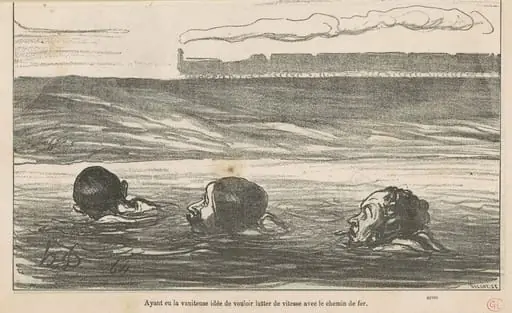 Ayant eu la vaniteuse idée de vouloir ...
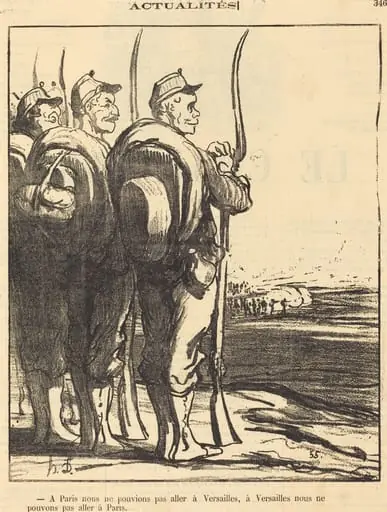 A Paris nous ne pouvions... aller a Versailles...
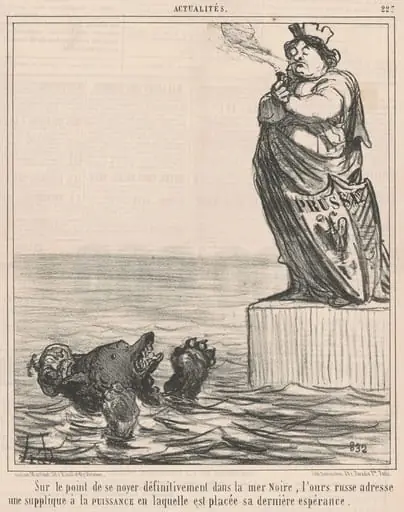 Sur le point de se noyer ...
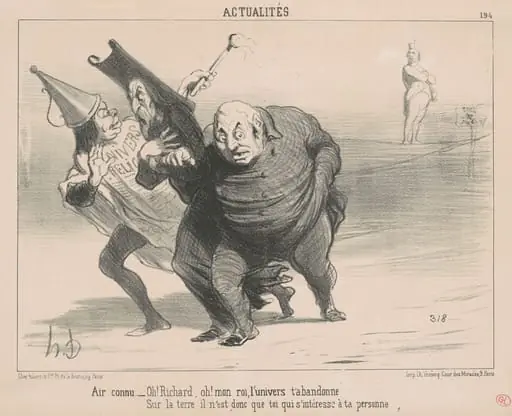 Air connu: Oh! Richard, Oh! Mon roi ...
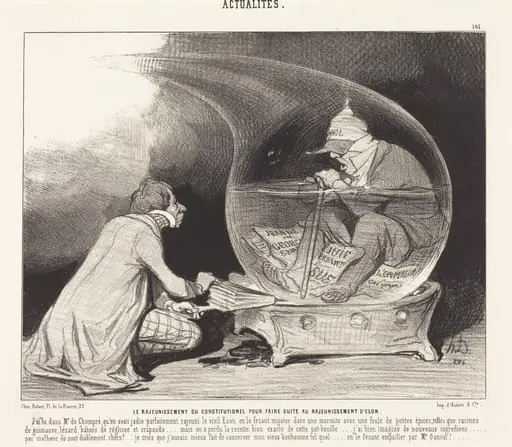 Le Rajeunissement du Constitutionnel