Artwork
Maitre Chapotard lisant... l'éloge de lui-même...
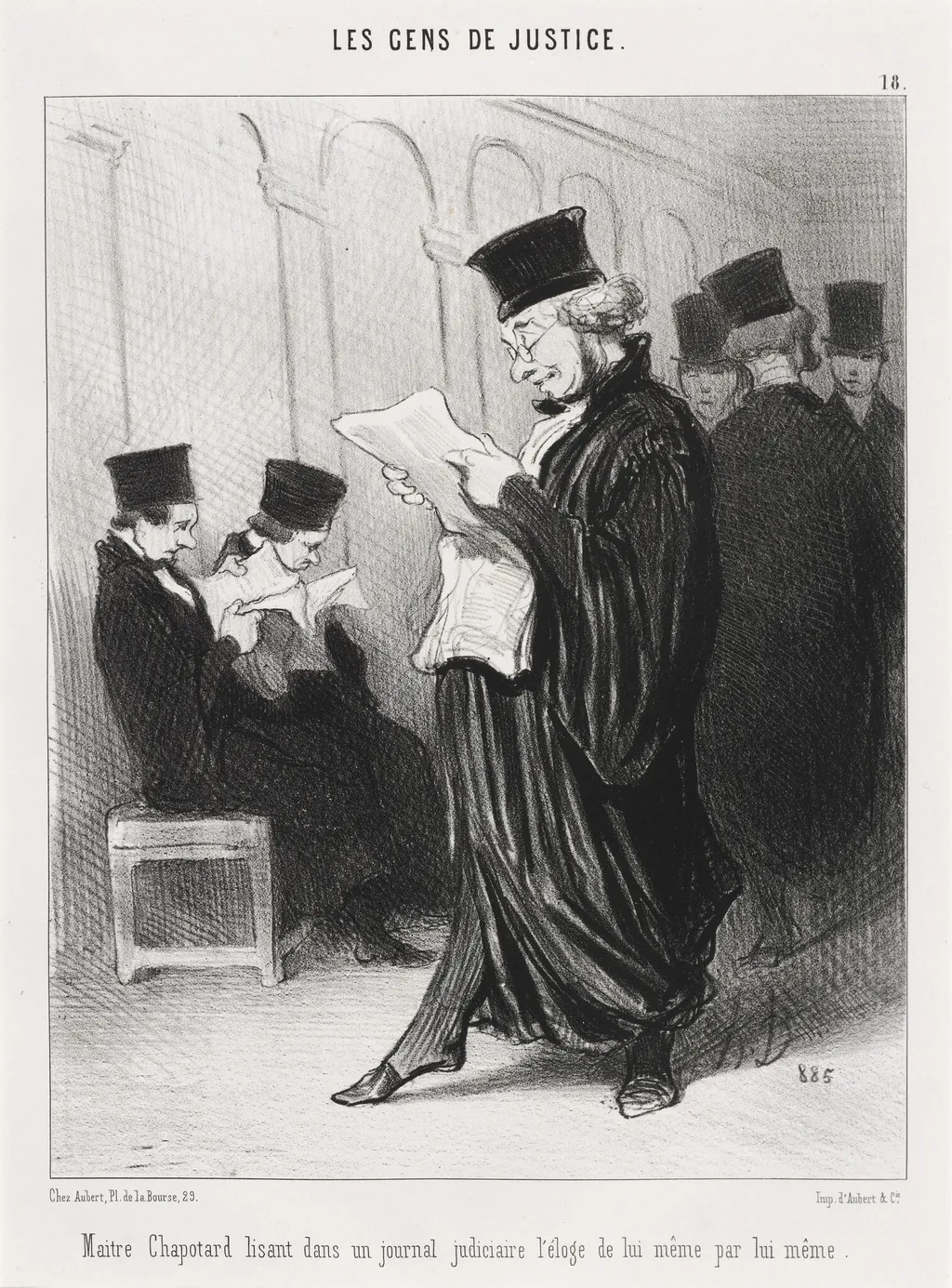
Maitre Chapotard lisant... l'éloge de lui-même... is an ink print by the Romanticist artist Honoré Daumier. It dates from 1846 and is held in the collection of the National Gallery of Art.
About this work
The scene is set in a room with arched windows and a stone floor, suggesting a formal or institutional setting.
This image depicts a man in a black robe and hat, standing and reading from a paper. He is surrounded by other men in similar attire, who are seated and appear to be listening to him.
The scene is set in a room with arched windows and a stone floor, suggesting a formal or institutional setting. The man's posture and facial expression convey a sense of confidence and authority.
The image is a lithograph by Honoré Daumier, created in 1846. It is part of the Romanticism movement and is held at the National Gallery of Art, Washington. For more information on lithography, you can explore the technique that brought this image to life.
Overview
Created in 1846, this lithograph by Honoré Daumier portrays a figure in a black robe and hat, standing while reading a paper to a group of similarly dressed men. The setting, an interior with arched windows and a stone floor, suggests a formal assembly. The central figure’s confident pose and expression convey authority, while the surrounding listeners appear attentive.
Subject & Meaning
The work satirically depicts a self‑aggrandizing speaker, implied by the title’s reference to “the praise of himself.” Daumier’s choice of a scholarly or clerical environment allows him to mock pretentious self‑praise, reflecting his republican critique of established institutions during a turbulent French political era.
Technique & Style
Executed as a lithograph, the image relies on the medium’s capacity for fine line work and tonal variation. Daumier’s characteristic bold contours and subtle shading convey the figures’ gestures and the architectural space, aligning the print with the Romantic period’s interest in expressive, socially engaged imagery.
History & Provenance
The print is part of Daumier’s extensive output of caricatures for nineteenth‑century French periodicals such as La Caricature and Le Charivari. It entered the collection of the National Gallery of Art in Washington, where it remains on view as an example of the artist’s politically charged graphic work.
Context
Produced amid the upheavals of the July Monarchy, the lithograph reflects Daumier’s republican sympathies and his habit of targeting the monarchy, aristocracy, and clergy. The scene’s institutional atmosphere underscores the artist’s critique of the self‑importance he perceived in the ruling classes of his time.
Artist & collection
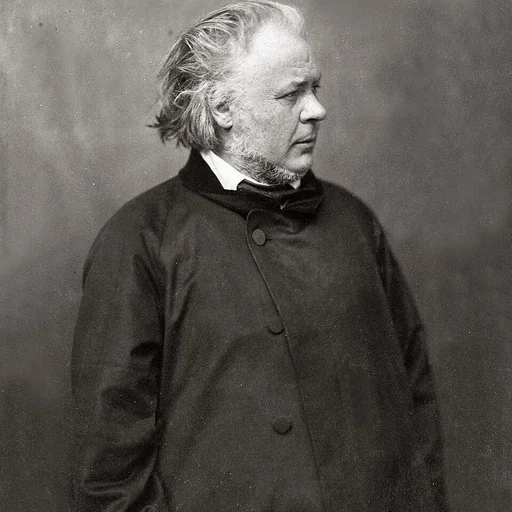
Artist
Honoré-Victorin Daumier was a French painter, sculptor, and printmaker, whose many works offer commentary on the social and political life in France, from the Revolution of 1830 to the fall of the Second French Empire in 1870.

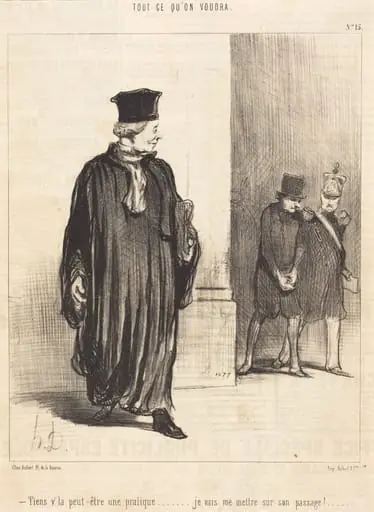 Tiens v'la peut-etre une pratique
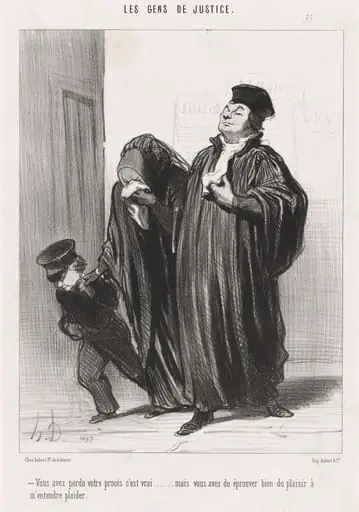 Vous avez perdu votre procès c'est vrai...
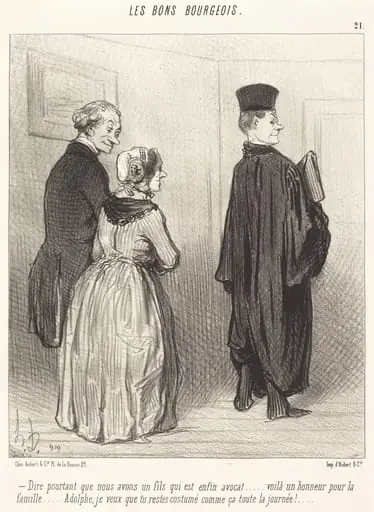 Dire... que nous avons un fils qui est... avocat...
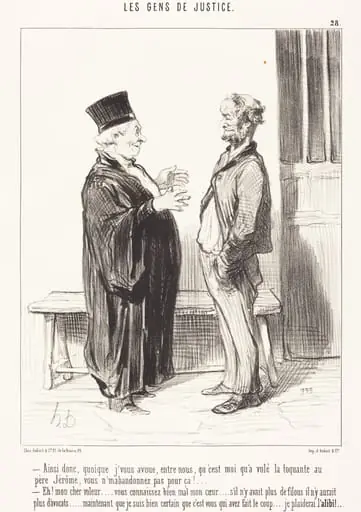 Ainsi donc, quoique j'vous avoue...
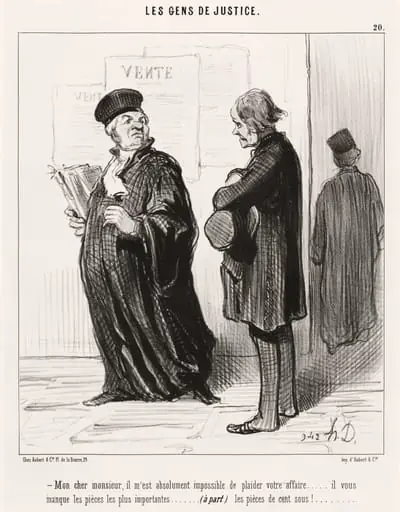 Mon cher monsieur... impossible de plaider votre affaire
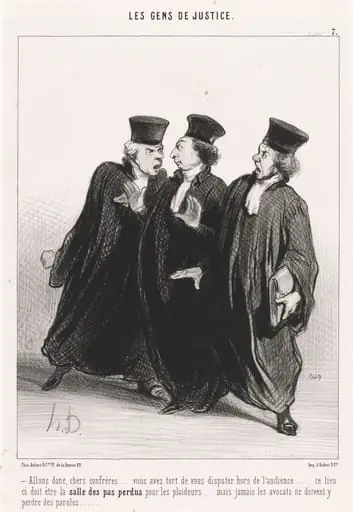 Allons donc, chers confrères...
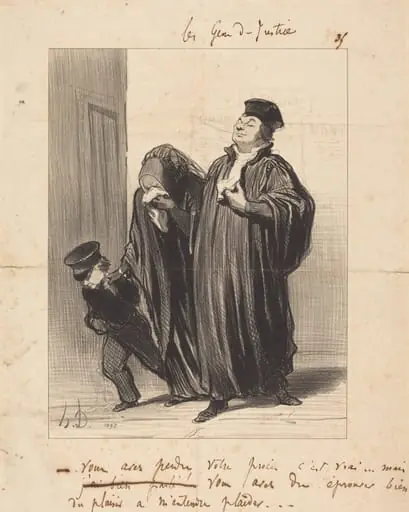 Vous avez perdu votre procès c'est vrai...
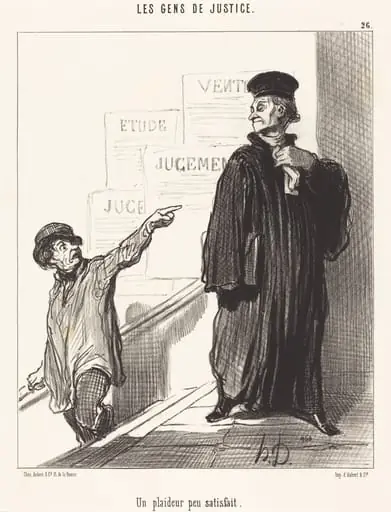 Un Plaideur peu satisfait
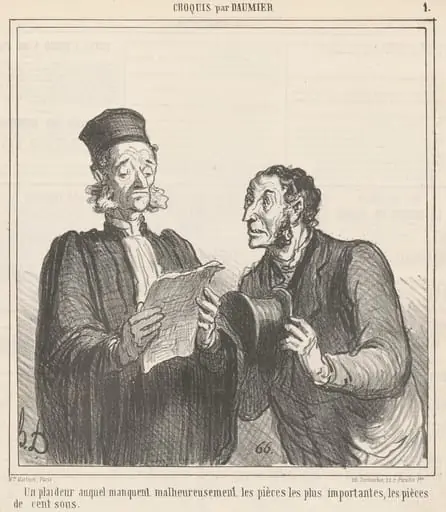 Un plaideur auquel manquent ...
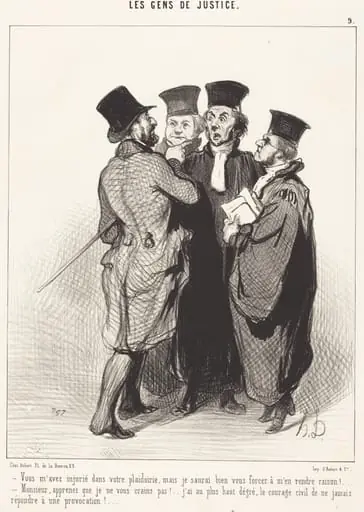 Vous m'avez injurié dans votre plaidoirie...
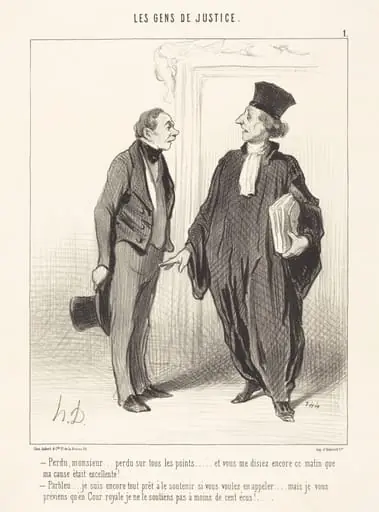 Perdu, monsieur... perdu sur tous les points...
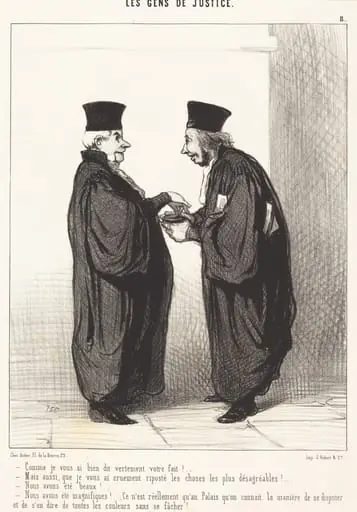 Comme je vous ai dit vertement votre fait!