Artwork
Allegori över änkedrottning Hedvig Eleonoras förmyndarregering
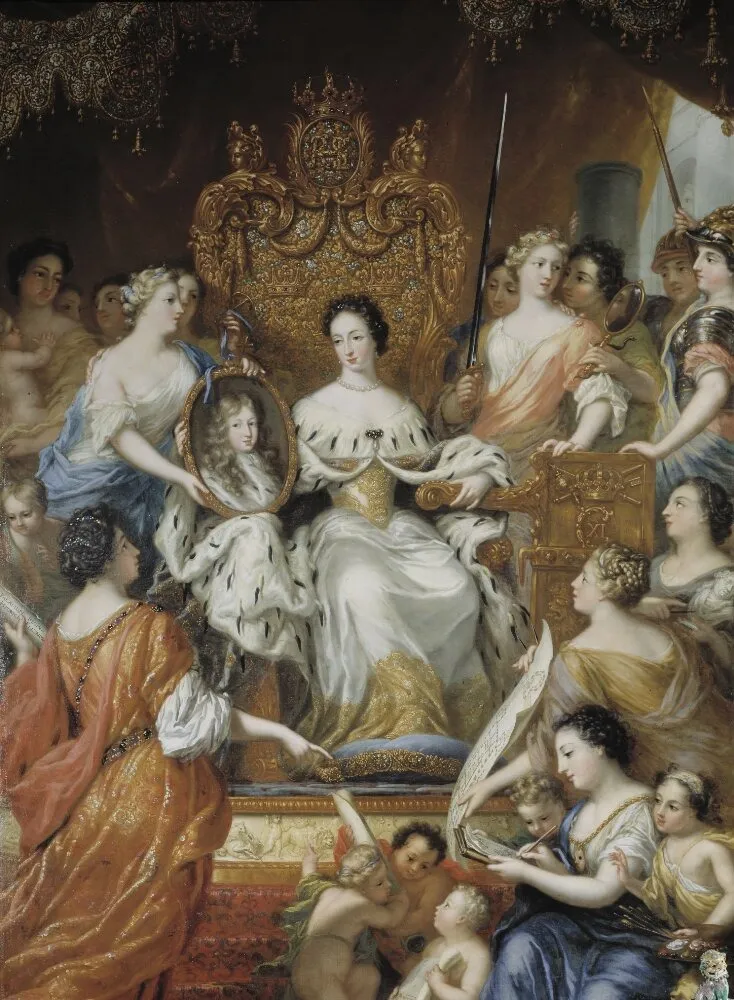
Allegori över änkedrottning Hedvig Eleonoras förmyndarregering is an oil painting by the French Classical Baroque artist David Klöcker Ehrenstrahl. It dates from 1696 and is held in the collection of the Nationalmuseum.
About this work
Overview
It resides in the Nationalmuseum in Stockholm, where it stands as a key example of Swedish court art from the late 17th century.
Painted in 1696 by David Klöcker Ehrenstrahl, this oil work is an allegorical representation of Queen Dowager Hedvig Eleonora’s regency during the minority of her son, King Charles XI. Commissioned to honor her political role, the painting blends portraiture with symbolic imagery. It resides in the Nationalmuseum in Stockholm, where it stands as a key example of Swedish court art from the late 17th century.
Subject & Meaning
The central figure, Hedvig Eleonora, is depicted seated on a throne, embodying authority and maternal guardianship. Surrounding her are allegorical female figures representing virtues such as Justice, Wisdom, and the Swedish realm. A small portrait she holds likely depicts her late husband, King Charles X, reinforcing her role as custodian of the royal lineage. The composition conveys legitimacy, continuity, and the moral weight of her regency.
Technique & Style
Ehrenstrahl employs a refined Baroque style, with rich textures in fabric, meticulous rendering of gold embellishments, and dramatic chiaroscuro to isolate the central group. The dark background heightens the luminosity of the figures and their ornate attire. The figures are arranged in a hierarchical pyramid, guiding the viewer’s eye toward the queen, while the detailed rendering of faces and drapery reflects courtly portraiture conventions of the era.
History & Provenance
Commissioned shortly after Hedvig Eleonora’s regency ended, the painting was likely intended for royal display, possibly in the Royal Palace or a state chamber. It entered the Nationalmuseum’s collection in the 19th century, following the consolidation of royal art holdings. Its preservation reflects its enduring significance as a visual record of Swedish monarchical authority during a transitional political period.
Context
Created during a time when Sweden was consolidating its status as a European power, the painting responds to the need for visual propaganda that legitimized female rule in a male-dominated political sphere. Hedvig Eleonora’s regency, though brief, was pivotal in stabilizing the monarchy. This allegory aligns with broader European traditions of using mythological and symbolic imagery to elevate royal women beyond mere portraiture.
Legacy
The painting remains a primary reference for understanding how Swedish royalty used art to communicate political authority through allegory. Ehrenstrahl’s approach influenced later court artists, and the work continues to inform scholarly discussions on gender, power, and representation in early modern Scandinavia. It stands as a testament to the visual culture of governance during Sweden’s imperial age.
Artist & collection
Artist
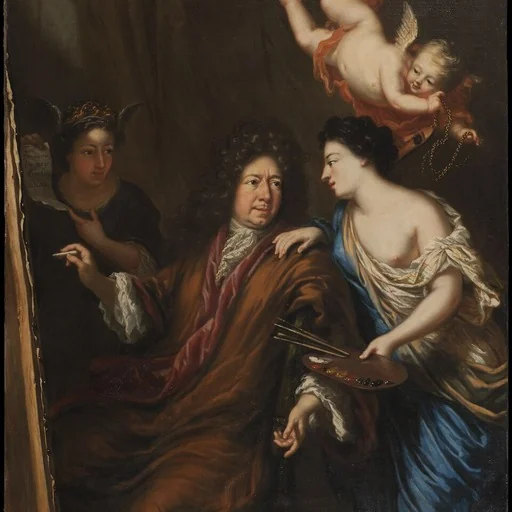
David Klöcker Ehrenstrahl (1628–1698) was an artist, born in Hamburg.

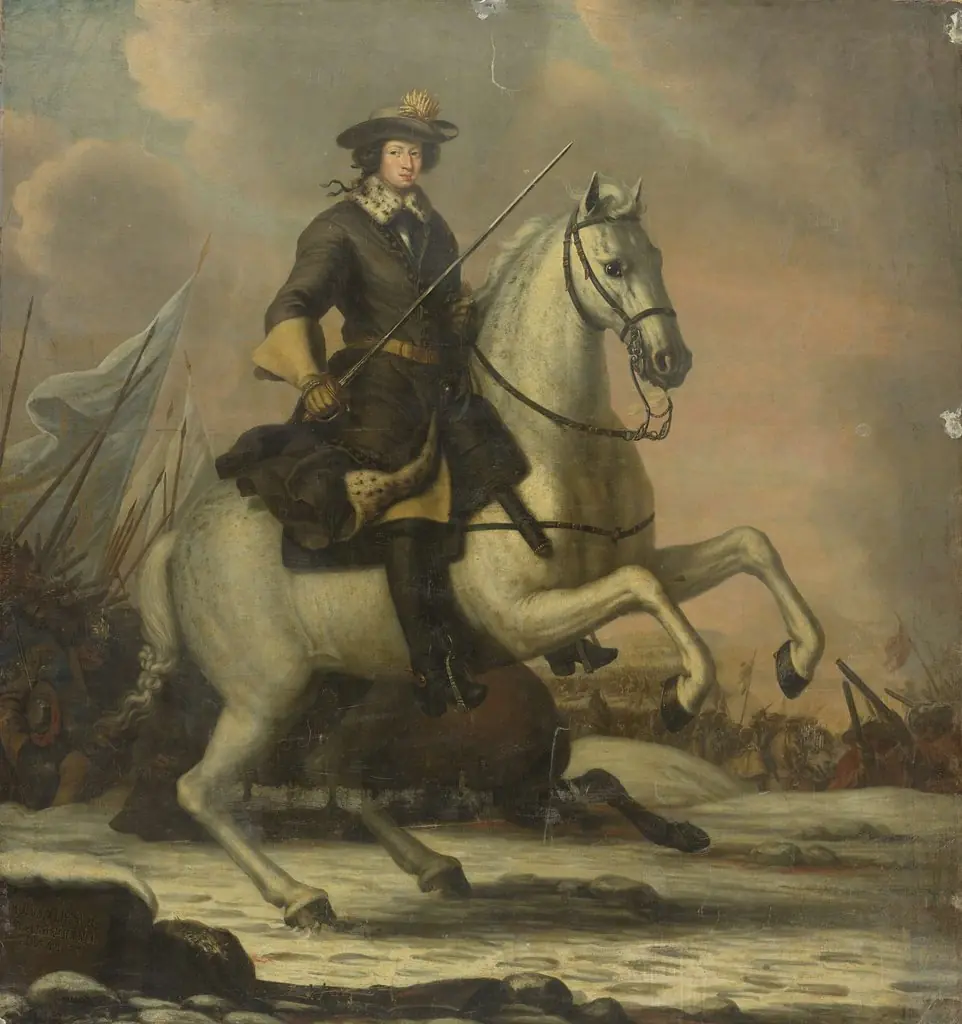 Karl XI (1665-1697), king of Sweden
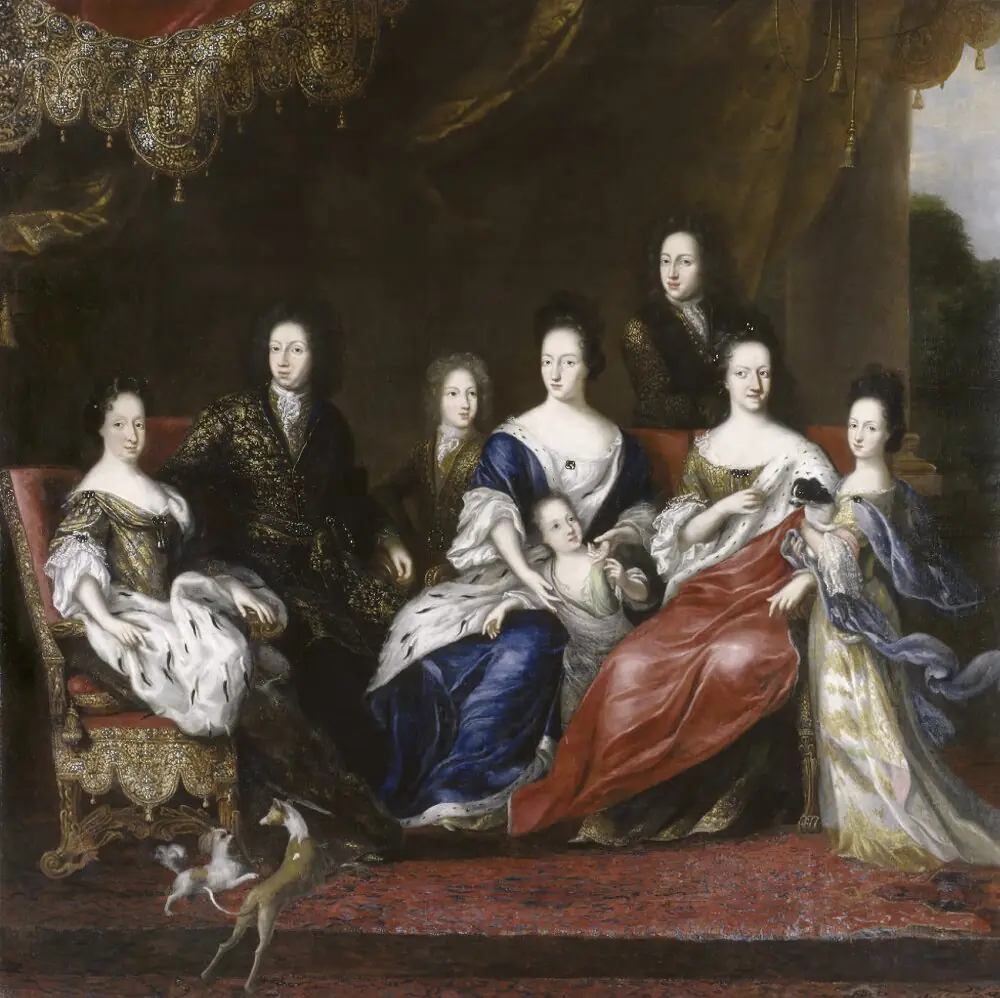 Karl XI konung av Sverige med familj
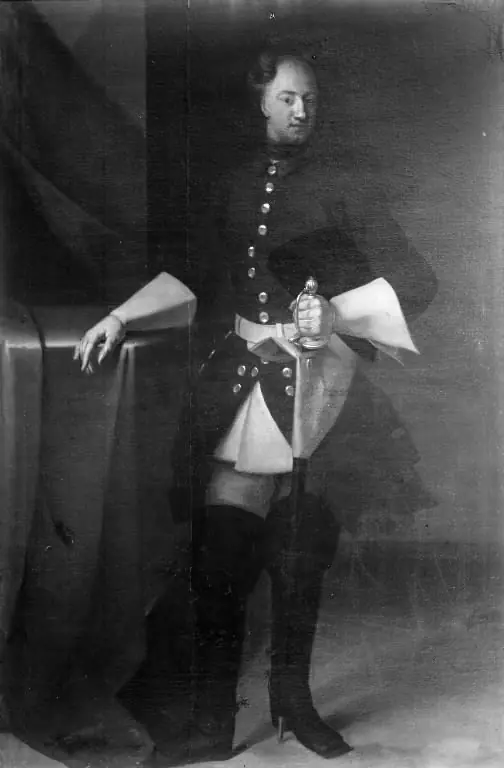 Portrait of Carl XII of Sweden
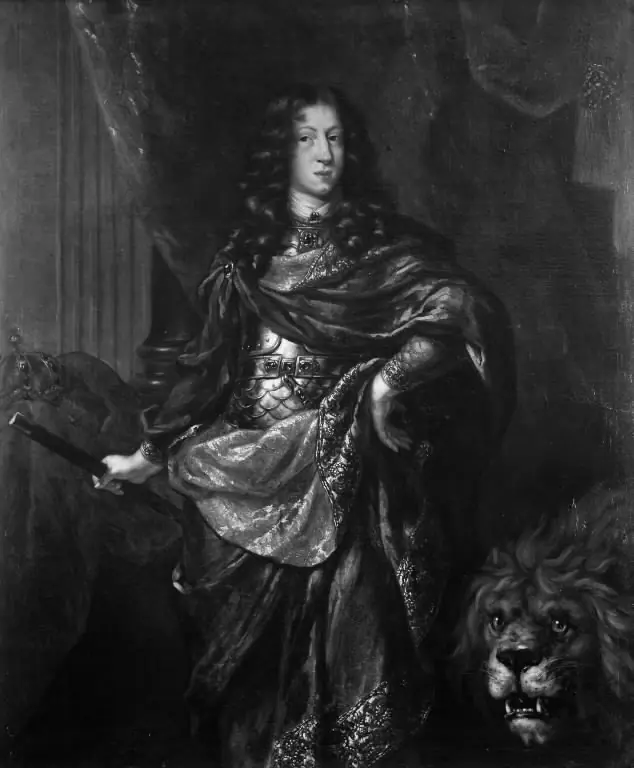 Portrait of Carl XI
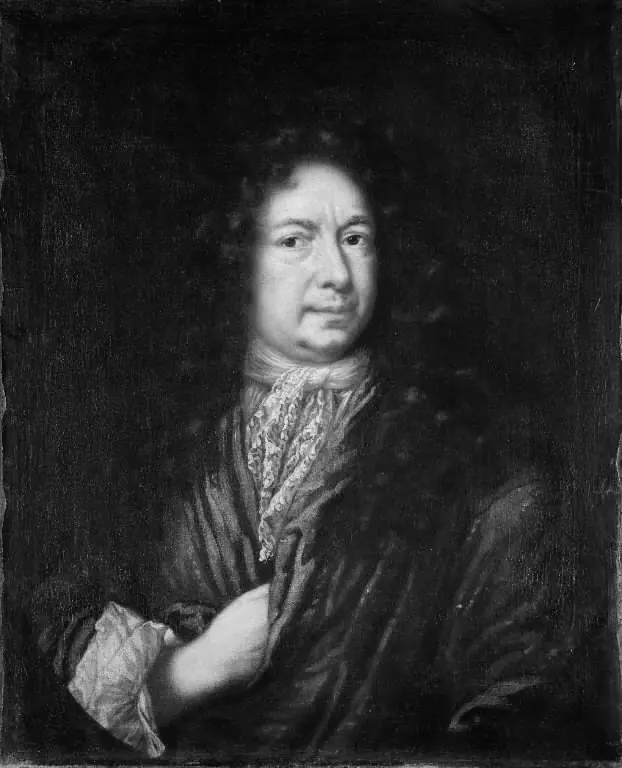 Portrait of the Artist
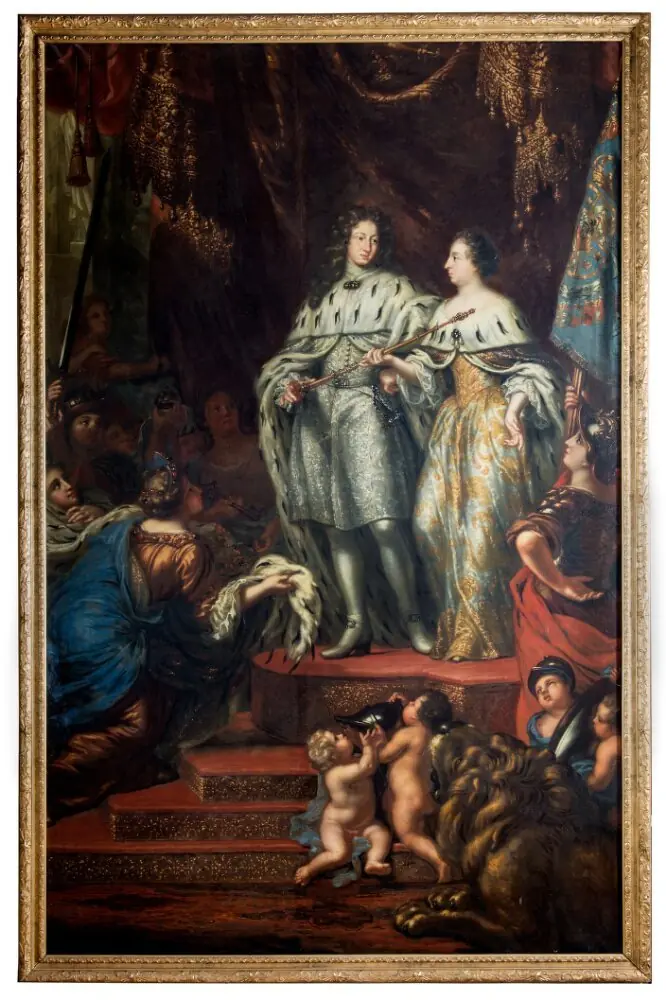 Allegori över hur konung Karl XI mottager regeringen av sin moder Hedvig Eleonora
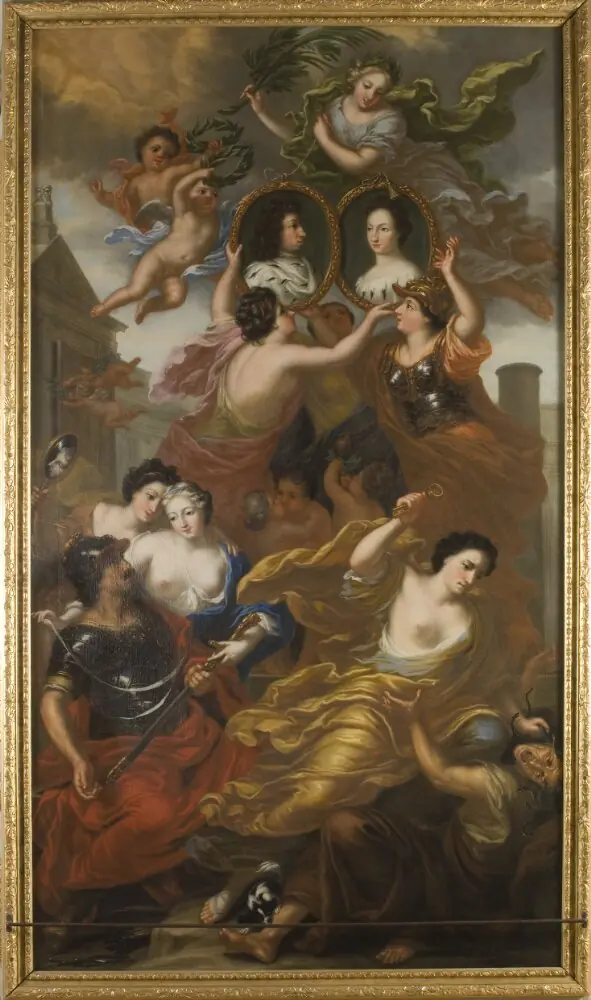 Allegori över konung Karl XI:s och drottning Ulrika Eleonoras förening
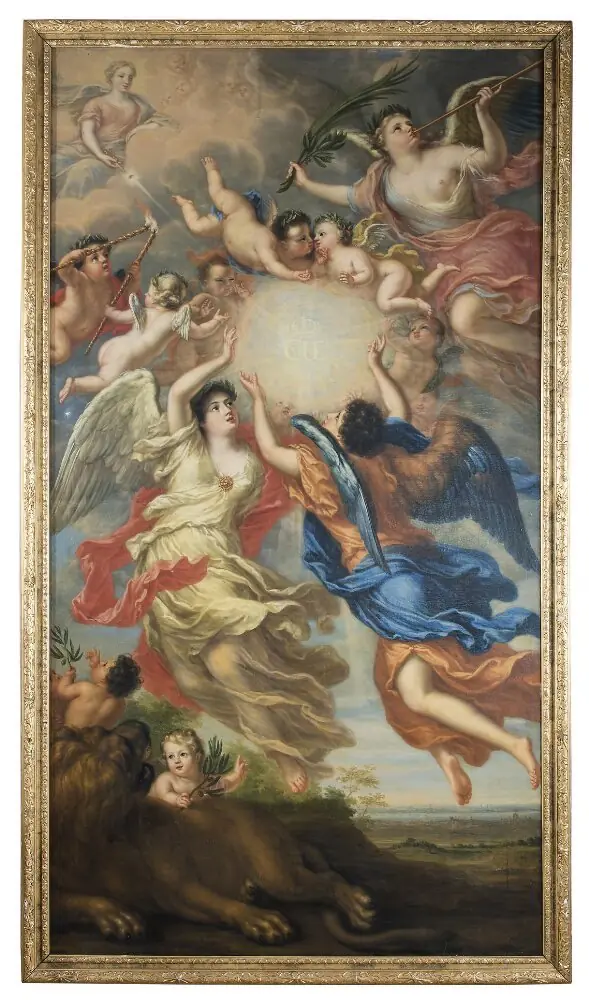 Allegori över konung Karl XI:s och drottning Ulrika Eleonoras förmälning
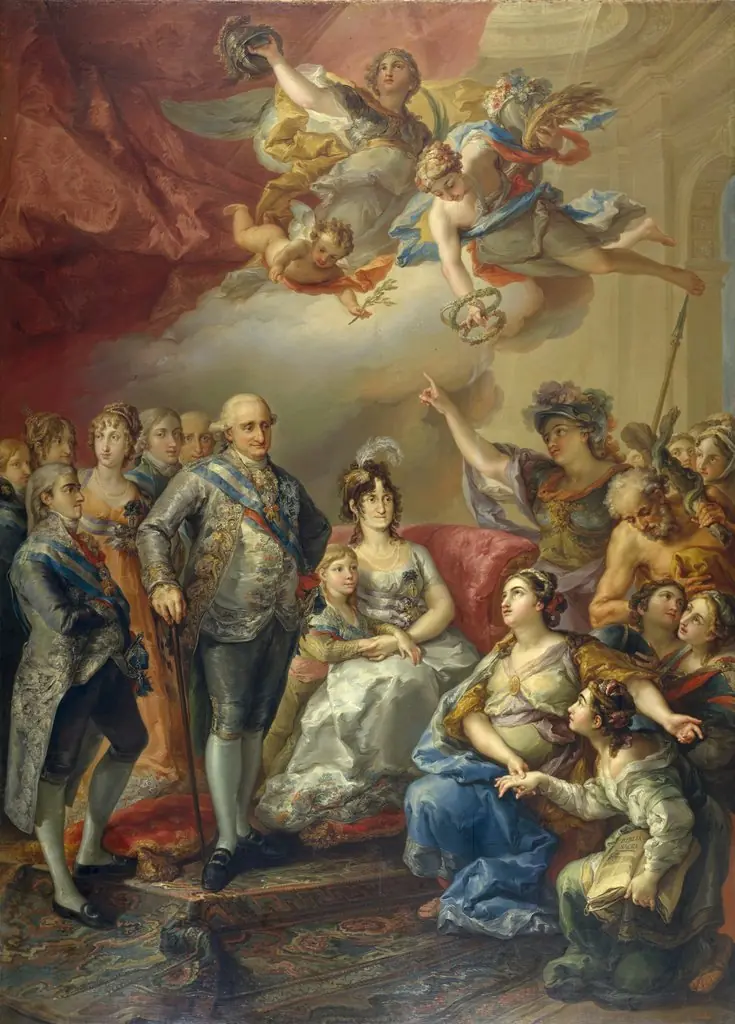 Charles IV and his Family honoured by the University of Valencia
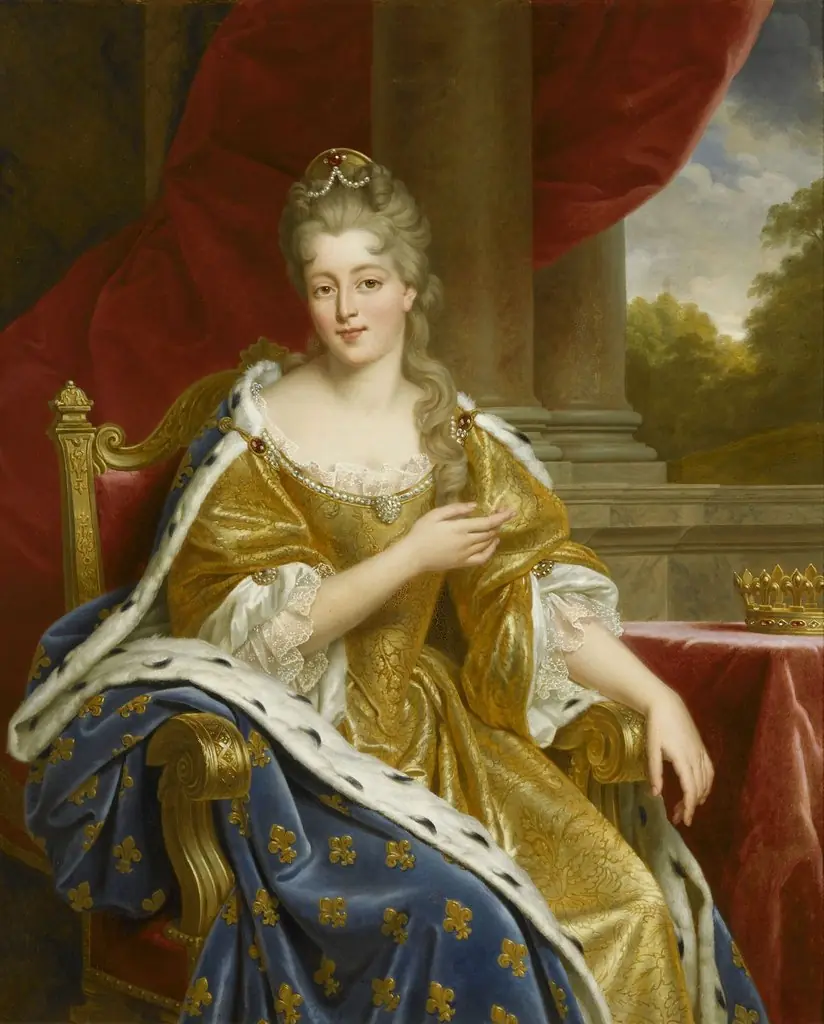 Françoise-Marie de Bourbon, Mademoiselle de Blois, duchesse d'Orléans
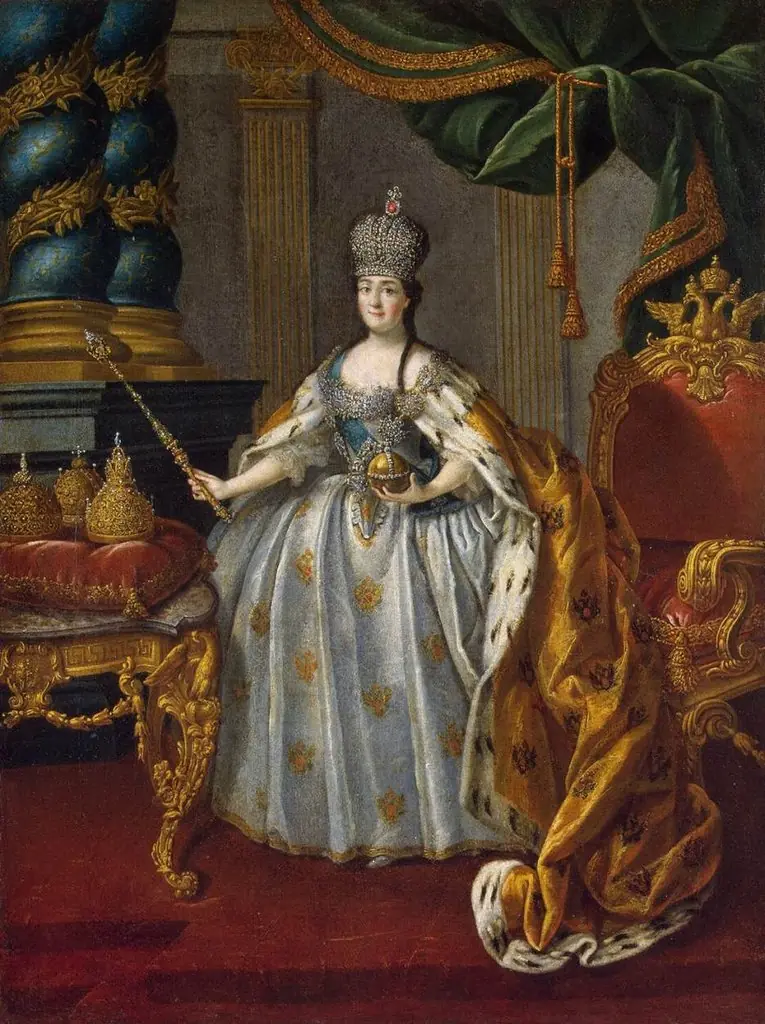 Portrait of Catherine II
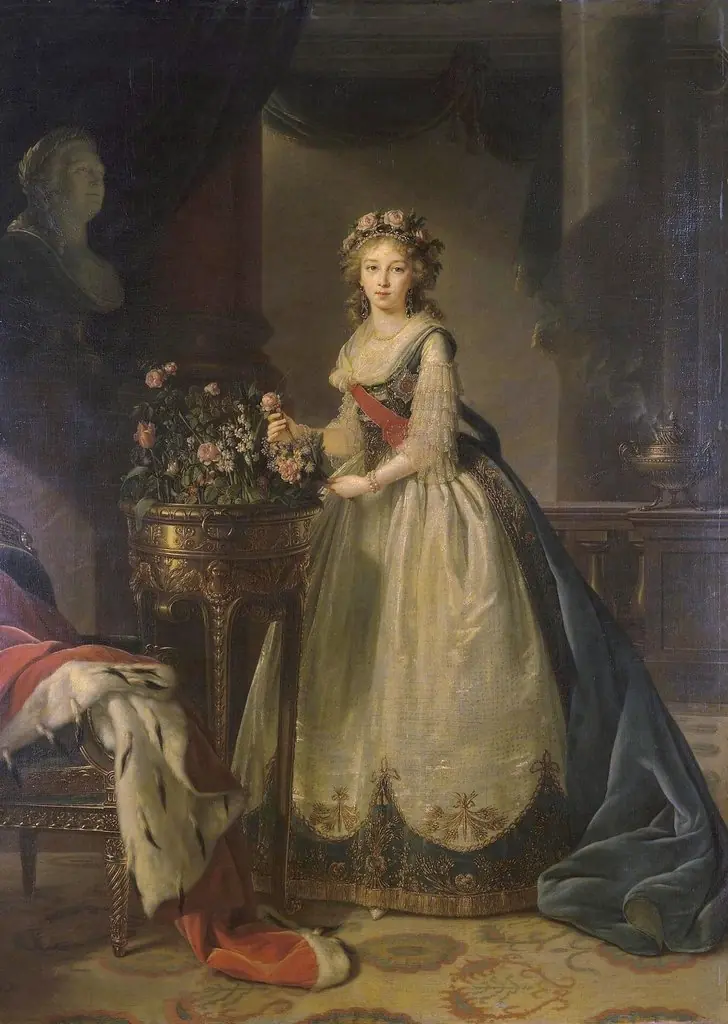 Portrait of Grand Duchess Yelizaveta Alexeyevna
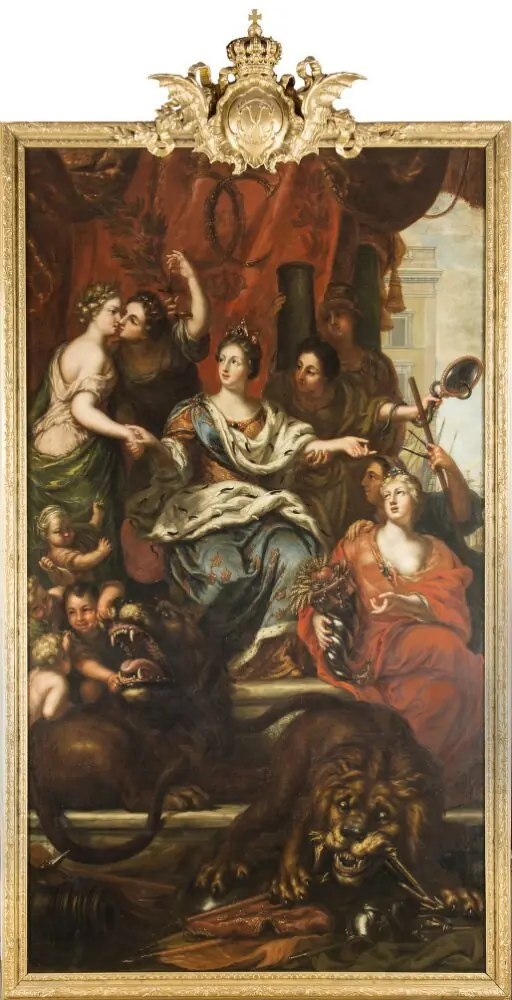 Allegori över konung Karl XI:s fredliga regeringr
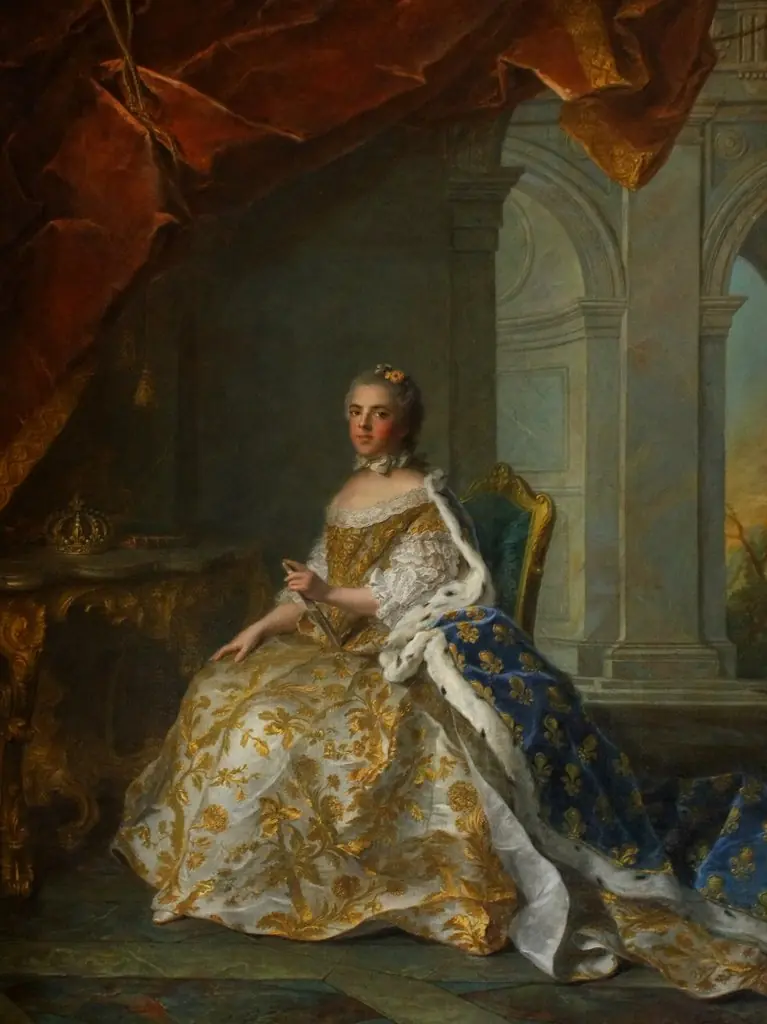 Posthumous portrait of Louise Elisabeth of France (1727-1759), Duchess of Parma, in court dress
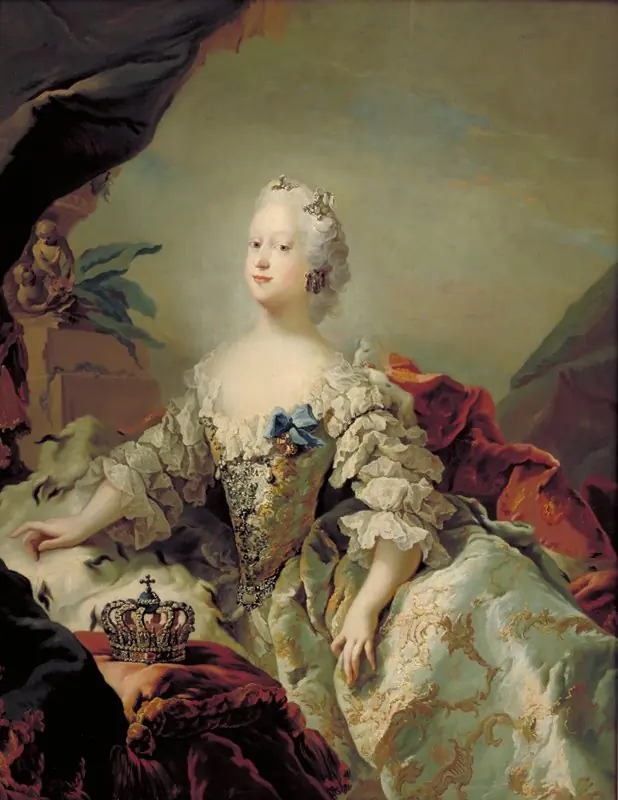 Louise, Frederik V's First Queen in her Coronation Robes
 Louise, Frederik V's First Queen in her Coronation Robes
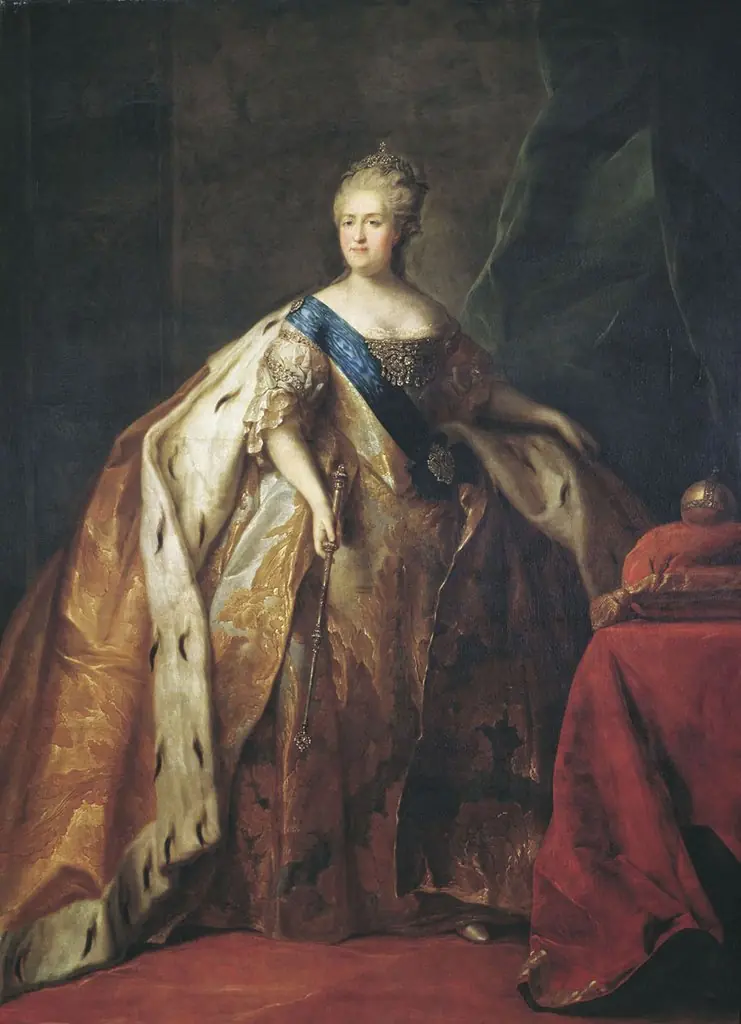 Portrait of Catherine II of Russia (1729-1796)
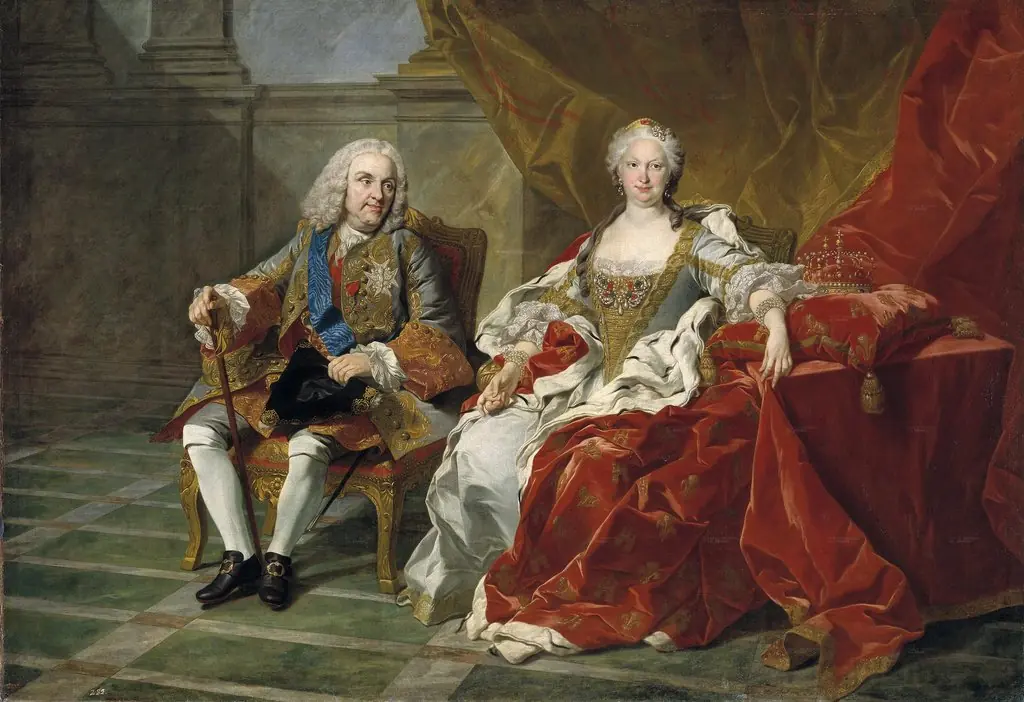 Felipe V e Isabel Farnesio
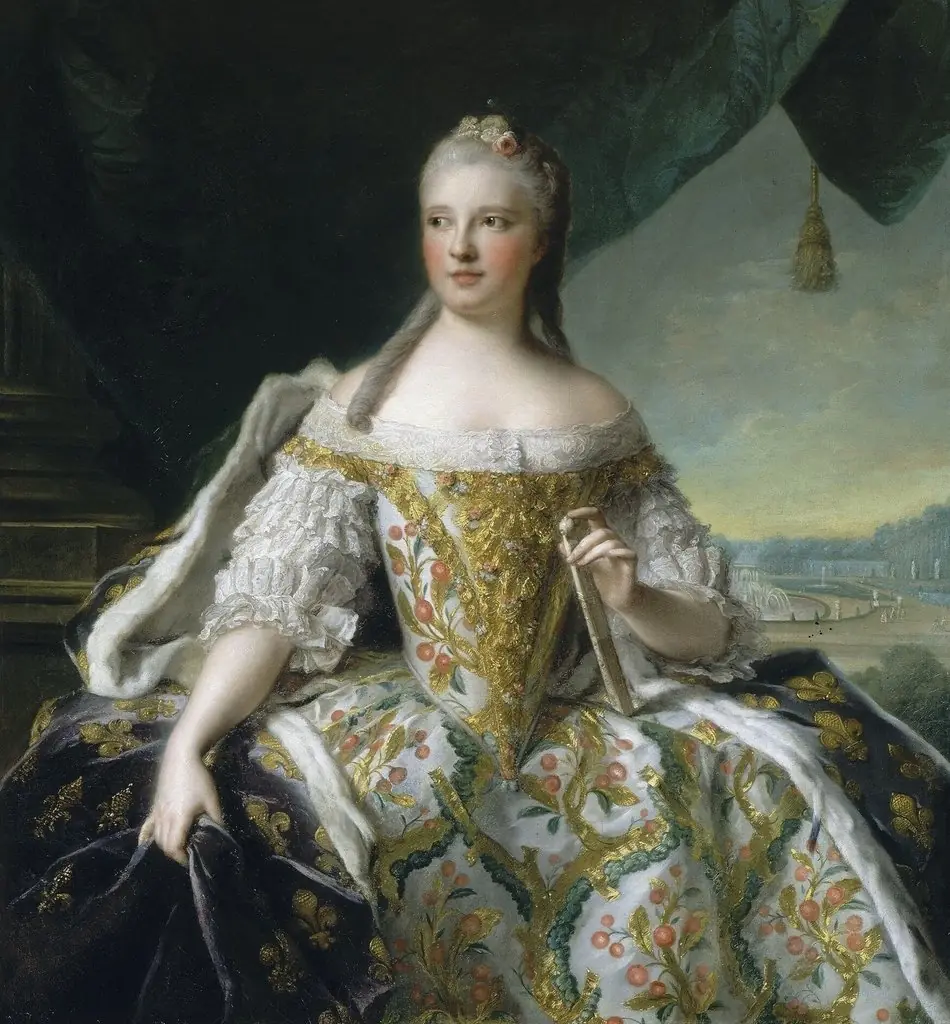 Marie Josèphe of Saxony
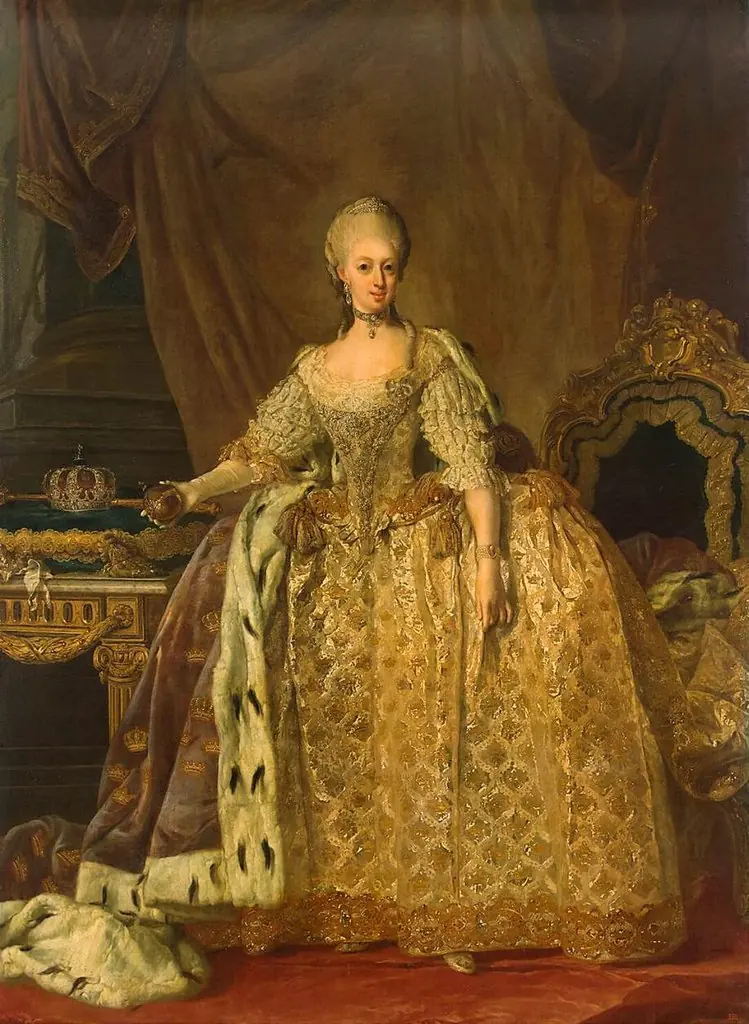 Portrait of Queen Sophie-Magdalene