Artwork
Harboldus van Tombergen
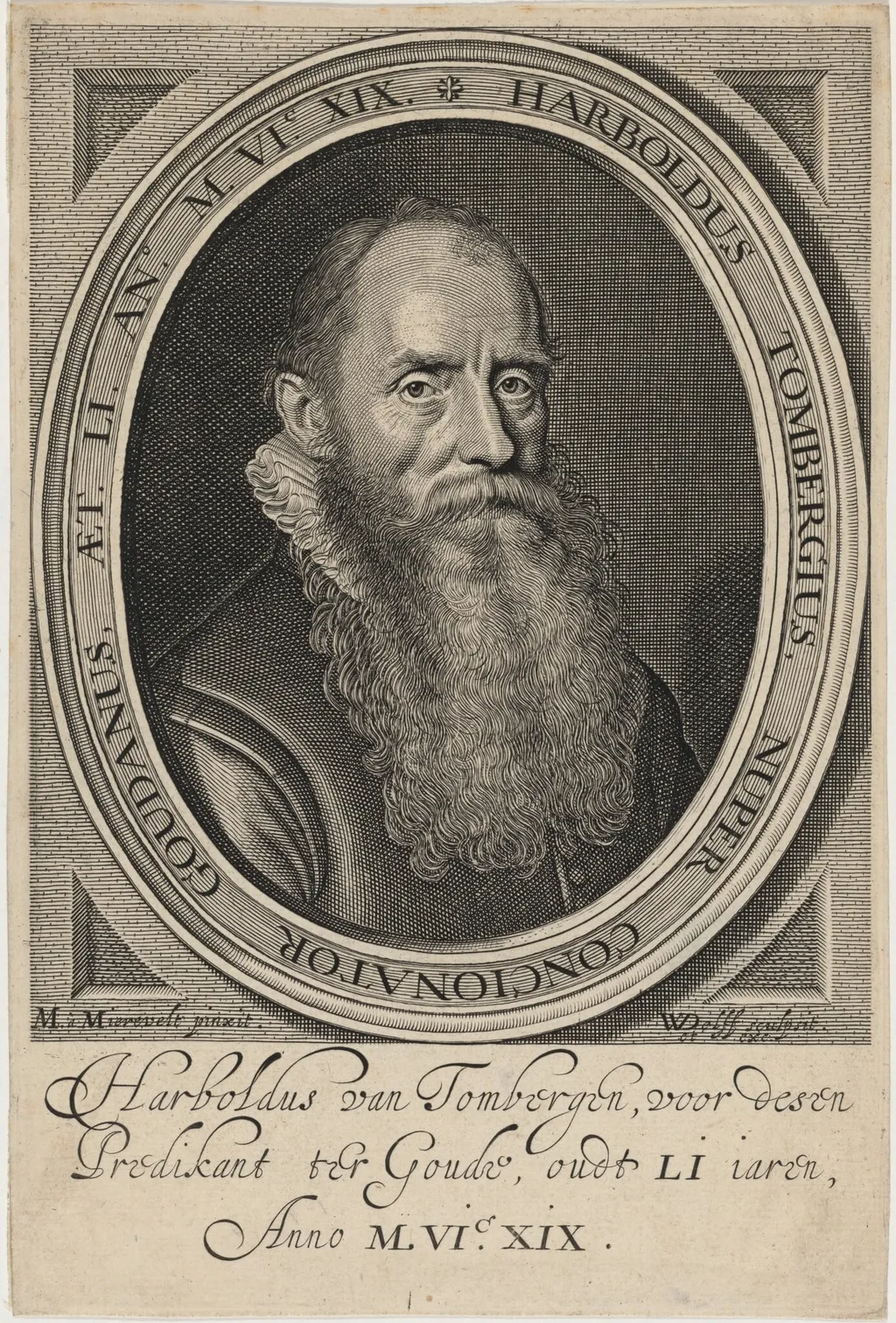
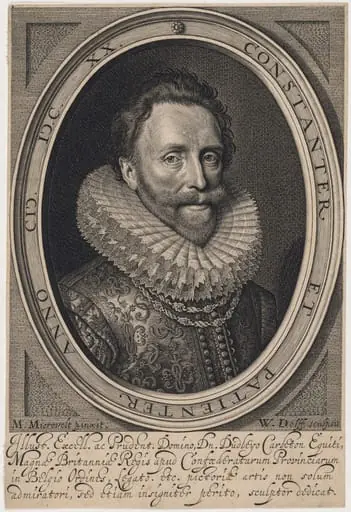
Harboldus van Tombergen is an ink print by the Baroque artist Willem Jacobsz Delff. It dates from 1619 and is held in the collection of the National Gallery of Art.
About this work
Overview
Harboldus van Tombergen is a 1619 engraving by Willem Jacobsz Delff, depicting a man of likely noble or civic standing. Executed in black ink on paper, the work belongs to the tradition of portrait prints popular in the Dutch Republic during the early 17th century. Its precision and restrained tone reflect the era’s emphasis on individual identity and social status conveyed through graphic art.
Subject & Meaning
The sitter, Harboldus van Tombergen, is rendered with a solemn demeanor and attire suggesting late 16th-century fashion, possibly indicating his adherence to traditional values or his status as a figure of established standing. The absence of symbolic objects or background elements focuses attention on his presence and character, aligning with the era’s preference for direct, unadorned portraiture in print form.
Technique & Style
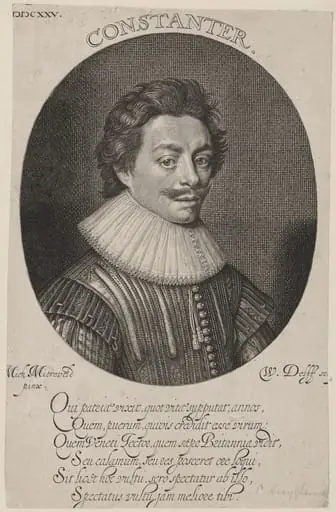
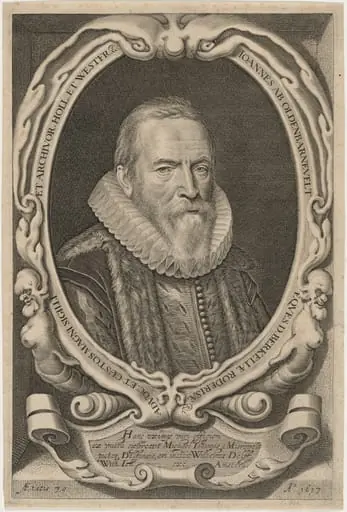
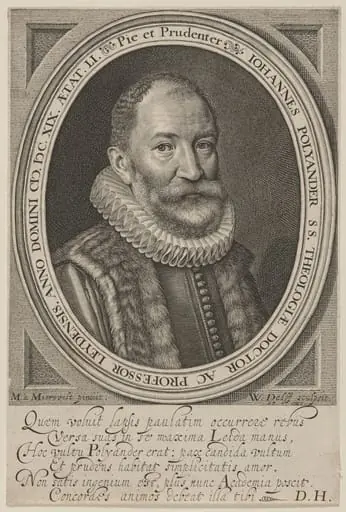
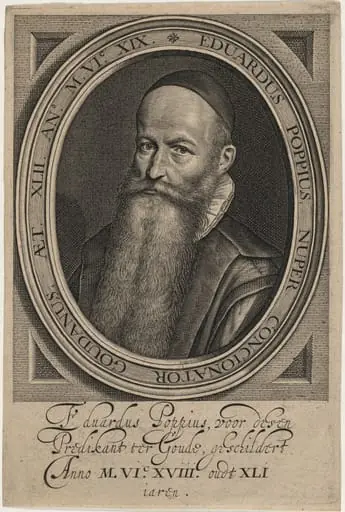
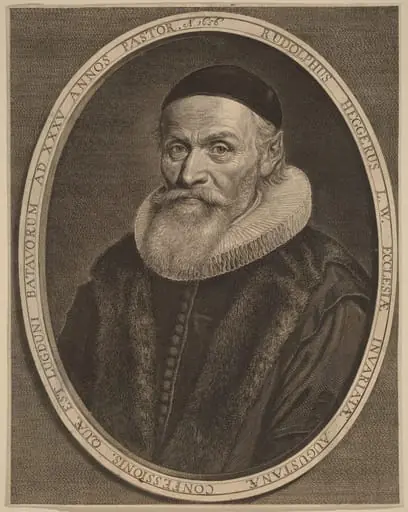
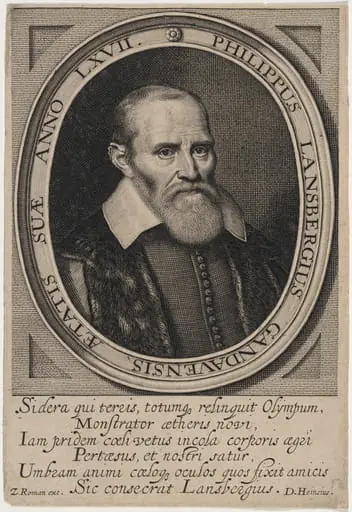
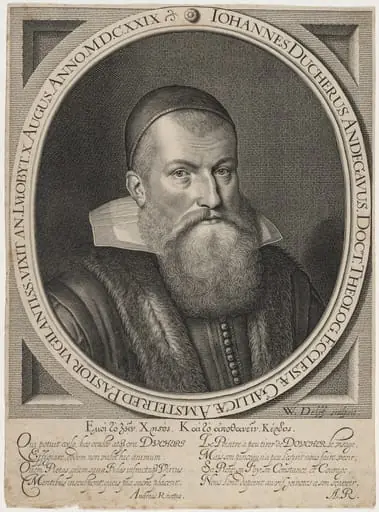
Delff employed fine, controlled lines and cross-hatching to model form and texture, particularly in the sitter’s facial features and ruffled collar.
Delff employed fine, controlled lines and cross-hatching to model form and texture, particularly in the sitter’s facial features and ruffled collar. The engraving’s tonal gradations emerge from the density and direction of incised lines, a hallmark of intaglio printing. This method allowed for subtle transitions between light and shadow, enhancing the illusion of three-dimensionality without color.
History & Provenance
Created in 1619, the engraving was likely produced for private circulation or as part of a collection of contemporary portraits. Delff, known for his reproductive engravings, often worked from painted prototypes; however, this piece may have been drawn directly from life. Its survival in institutional collections suggests early recognition of its technical quality and historical value.
Context
In early 17th-century Holland, engraved portraits served as affordable alternatives to painted likenesses, circulating among the urban elite. Artists like Delff bridged painting and printmaking, contributing to a culture that valued documentation of individual identity. The choice of old-fashioned dress may reflect a deliberate nod to continuity amid rapid social change.
Legacy
Harboldus van Tombergen exemplifies the Dutch engraving tradition’s commitment to realism and technical discipline. Though not widely reproduced, it remains a reference for studying Delff’s draftsmanship and the role of print in preserving civic portraiture. Its restrained aesthetic influenced later generations of printmakers seeking clarity and psychological depth in linear form.
Artist & collection


![Johan Gols [The Artist's Father], by Hendrik Goltzius](https://artifactworldgallery.com/img/hendrik-goltzius--johan-gols-the-artist-s-father--c8b45dabaade4192-w320.webp)