Artwork
Johannes Utenbogaert
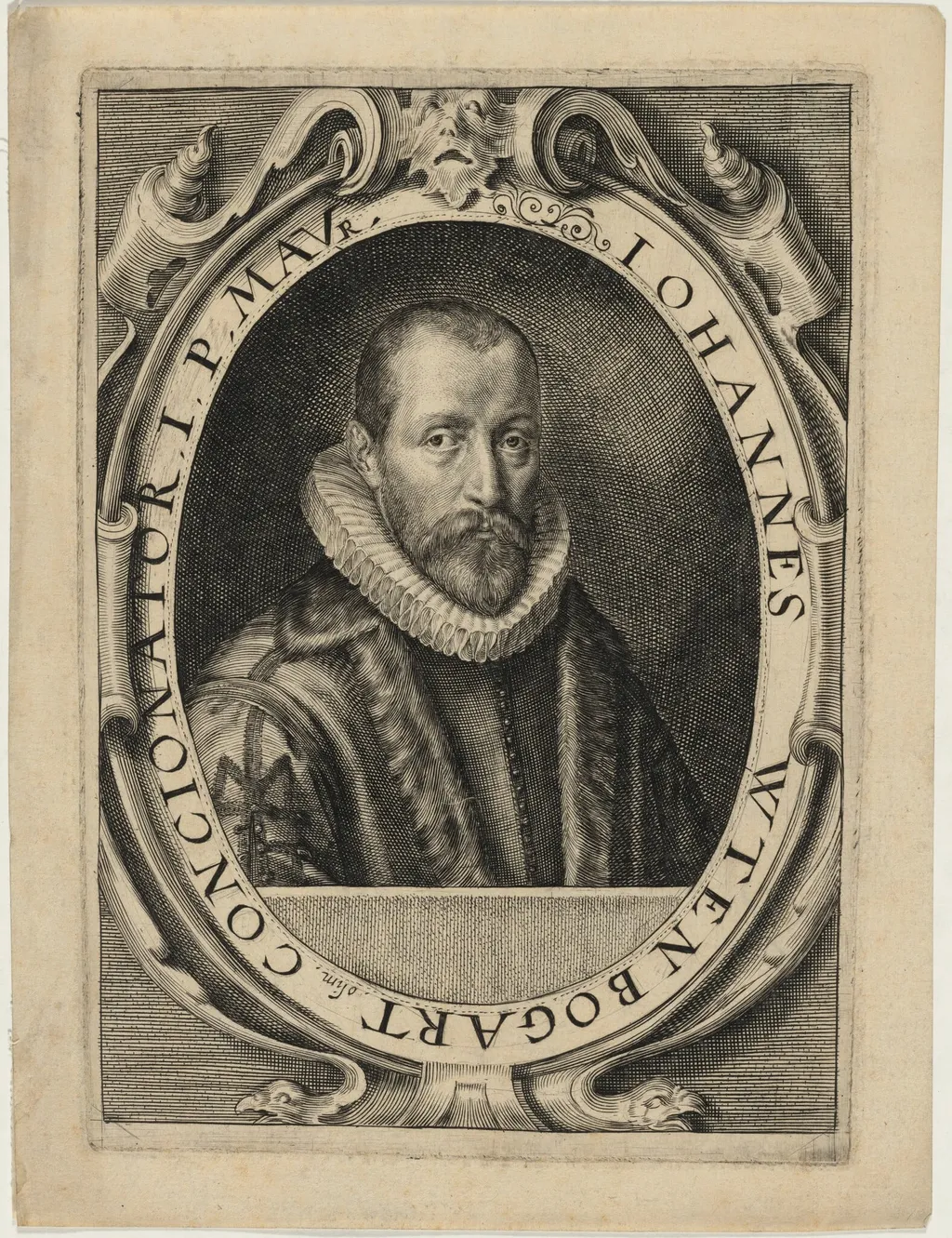
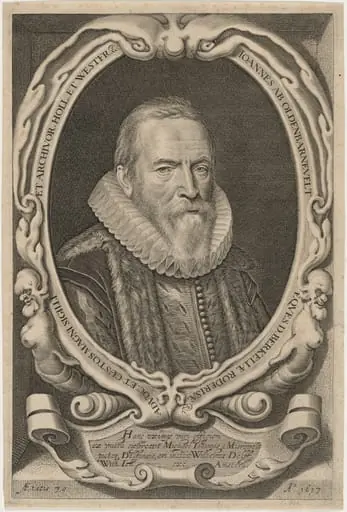
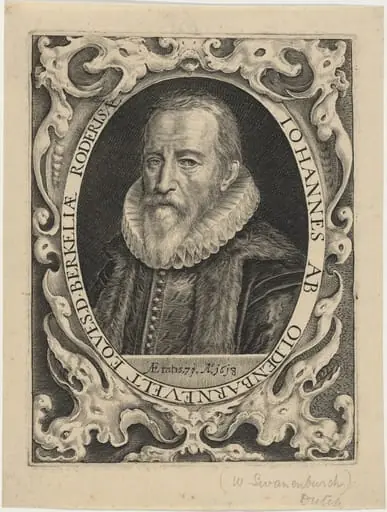
Johannes Utenbogaert is an ink print by the Renaissance artist Willem Jacobsz Delff. It dates from 1609 and is held in the collection of the National Gallery of Art.
About this work
Overview
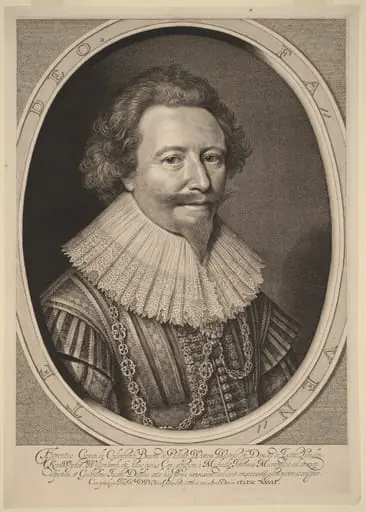
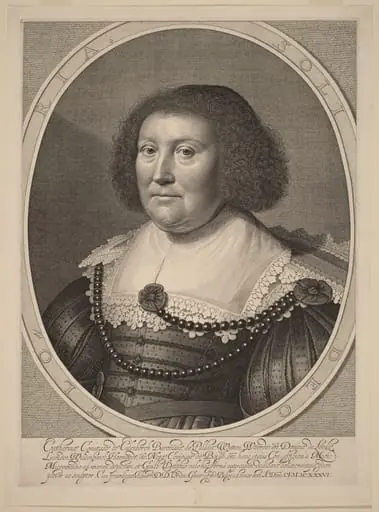
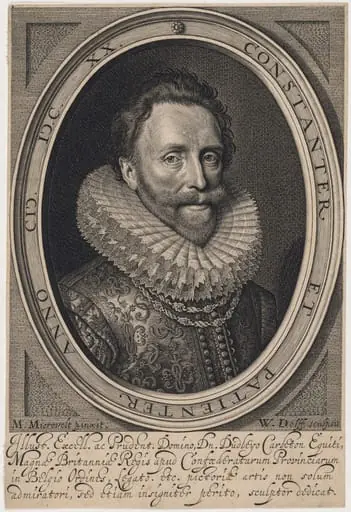
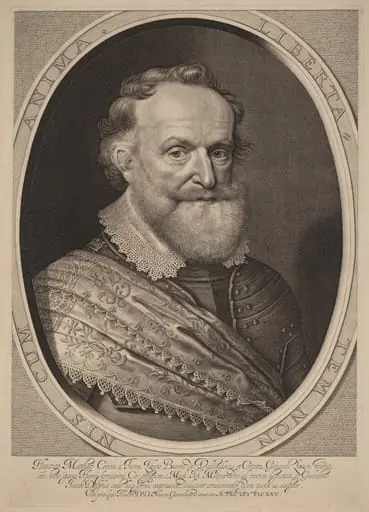
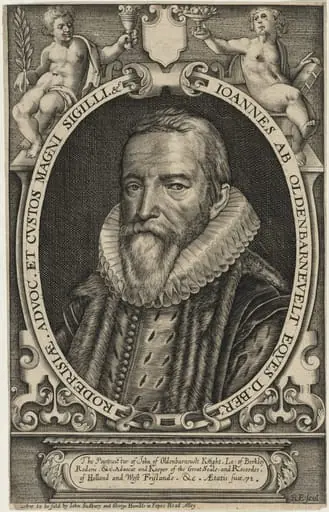
This black-and-white print, created in 1609 by Willem Jacobsz Delff, is an engraving depicting Johannes Utenbogaert, a Dutch theologian and writer. The image is framed by an ornate border of swirling decorative lines and inscriptions, typical of portrait prints from the early 17th century. The composition centers the subject with precision, using fine, controlled lines to define form and texture.
Subject & Meaning
The curved banner above his head identifies him formally, reinforcing the image’s function as a dignified representation of intellectual and religious standing.
Johannes Utenbogaert was a prominent Remonstrant theologian known for his advocacy of religious tolerance. The portrait presents him with a solemn expression, full beard, and high ruff collar—symbols of learned authority in early modern Protestant society. The curved banner above his head identifies him formally, reinforcing the image’s function as a dignified representation of intellectual and religious standing.
Technique & Style
Delff employed the engraving technique, incising fine lines into a metal plate to create tonal gradations and texture. The portrait’s depth is achieved through delicate cross-hatching and controlled shading, particularly around the beard and collar. The decorative border, with its intricate scrollwork, reflects the period’s preference for combining portraiture with ornamental framing, enhancing the subject’s prestige.
History & Provenance
The print was produced in 1609, during a period of intense theological debate in the Dutch Republic. As a supporter of Arminianism, Utenbogaert’s image would have circulated among sympathizers and scholars. While specific early ownership records are sparse, such engravings were commonly distributed as part of intellectual networks, serving both commemorative and propagandistic purposes.
Context
In early 17th-century Holland, engraved portraits were vital tools for disseminating the likenesses of public figures, especially those involved in religious or political discourse. Delff’s work aligns with a broader tradition of Dutch printmaking that emphasized clarity, detail, and symbolic representation. The inclusion of textual elements and elaborate borders reflects the era’s fusion of visual art with written culture.
Legacy
This engraving remains a documented example of how portraiture served intellectual communities in the Dutch Golden Age. Though not widely reproduced today, it contributes to the visual record of Remonstrant leaders and illustrates the role of print in shaping public perception of religious figures. Its technical precision continues to reflect the skill of Dutch engravers of the period.
Artist & collection