Artwork
William Louis, Count of Nassau-Beilstein
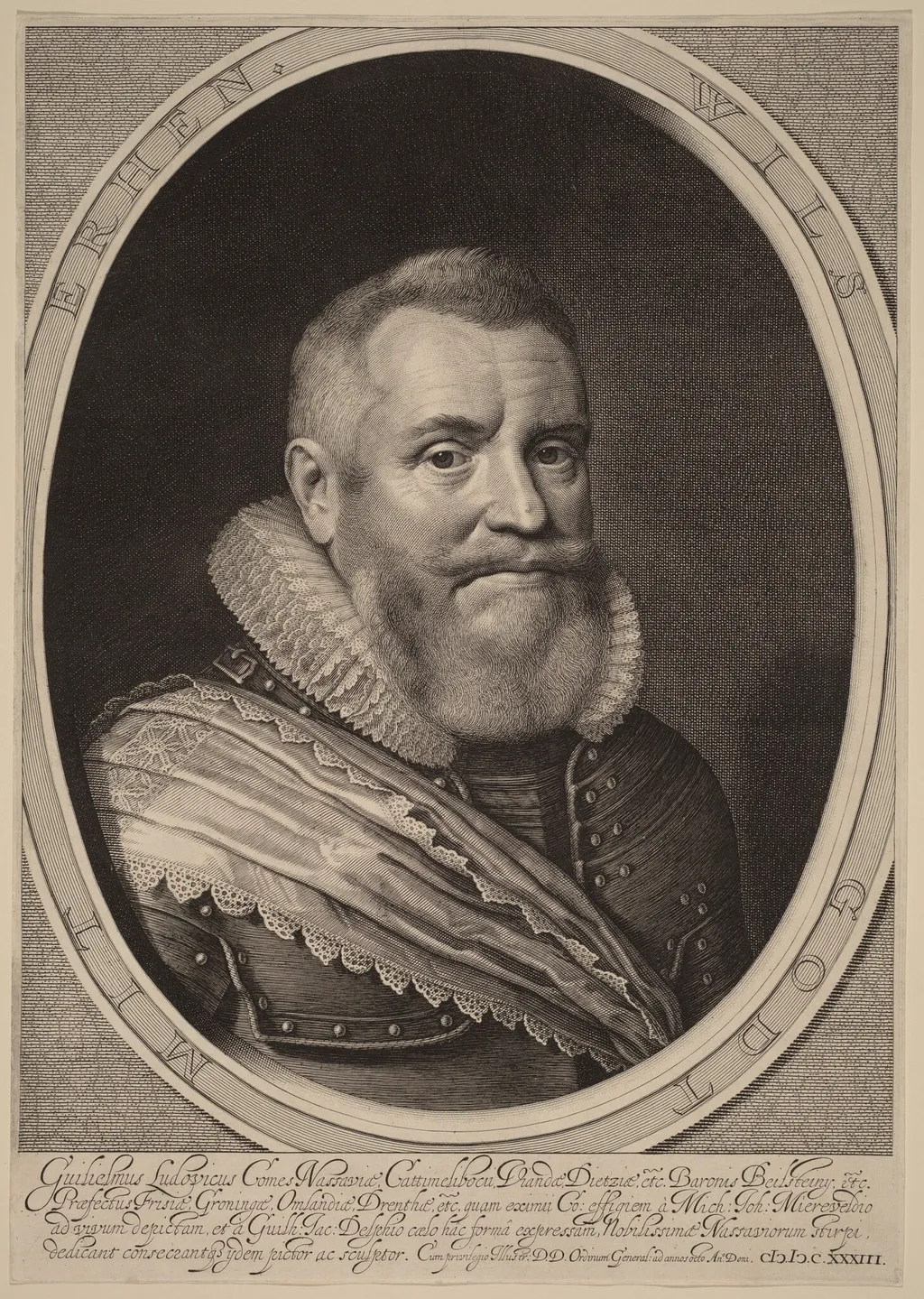
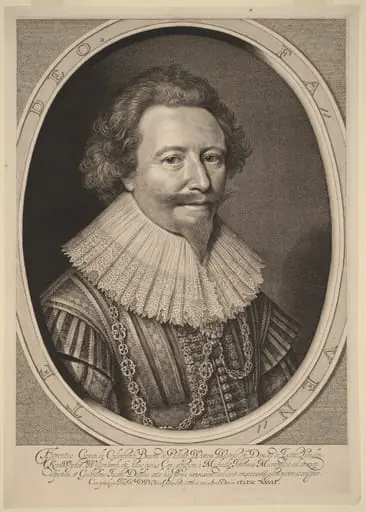
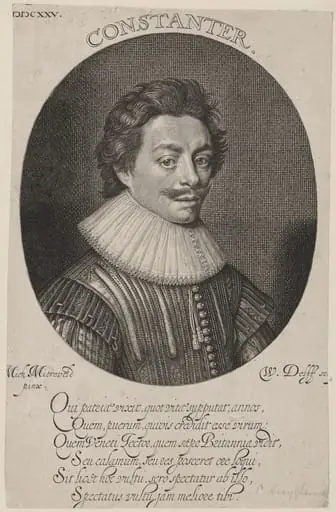
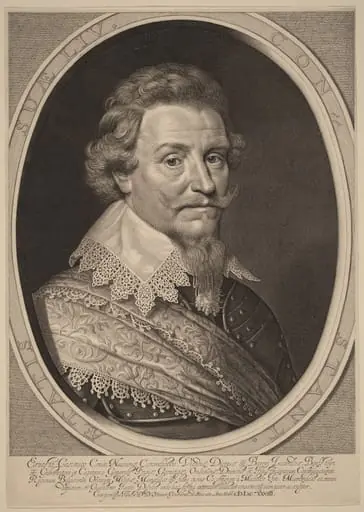
William Louis, Count of Nassau-Beilstein is an ink print by the Baroque artist Willem Jacobsz Delff. It dates from 1633 and is held in the collection of the National Gallery of Art.
About this work
Overview
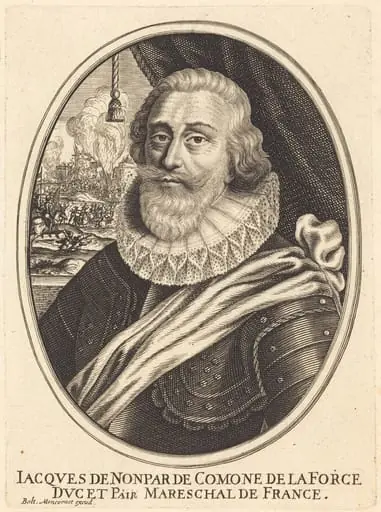
This 1633 engraving by Willem Jacobsz Delff depicts William Louis, Count of Nassau-Beilstein, a Dutch nobleman of the early 17th century. Rendered in fine line work, the portrait captures the subject from the chest up, facing right with a composed expression. The medium reflects the precision typical of Dutch printmaking at the time, emphasizing texture and subtle tonal variation without color.
Subject & Meaning
The absence of symbols or background elements focuses attention on his demeanor, reinforcing a sense of personal gravitas rather than political narrative.
The portrait presents William Louis as a figure of quiet authority, his gaze directed beyond the frame suggesting contemplation or vigilance. His attire—dark jacket, lace trim, and a stiff ruffled collar—signals aristocratic status and adherence to contemporary courtly dress. The absence of symbols or background elements focuses attention on his demeanor, reinforcing a sense of personal gravitas rather than political narrative.
Technique & Style
Delff employed fine, controlled etching lines to model form and texture, particularly in the beard, lace, and fabric folds. The contrast between the smooth skin and the intricate details of the collar and jacket demonstrates mastery of tonal gradation. The style aligns with Northern Baroque portraiture, valuing realism and psychological presence over ornamentation, with no theatrical lighting or dramatic gestures.
History & Provenance
Created in 1633, the engraving likely served as a private or familial keepsake, common among Dutch nobility for disseminating likenesses before photography. Delff, a noted engraver and son of a prominent printmaker, produced numerous portraits of regional elites. The work’s survival suggests it was preserved within the Nassau family circle or collected by contemporaries interested in Dutch aristocratic imagery.
Context
In the 1630s, the Dutch Republic was consolidating its identity as a republic of merchants and nobles, where portraiture functioned as both personal record and social statement. Engravings like this one circulated among the educated elite, offering accessible likenesses of figures who held influence beyond the battlefield or court. Delff’s work reflects the period’s emphasis on individual dignity and refined appearance.
Legacy
Though not widely exhibited today, the engraving remains a representative example of early 17th-century Dutch portraiture. It illustrates how printmaking extended the reach of elite imagery beyond painted commissions. Delff’s technical discipline influenced later generations of engravers, and this work endures as a quiet testament to the visual culture of Dutch nobility during the Republic’s golden age.
Artist & collection