Artwork
Woman Playing the Guitar
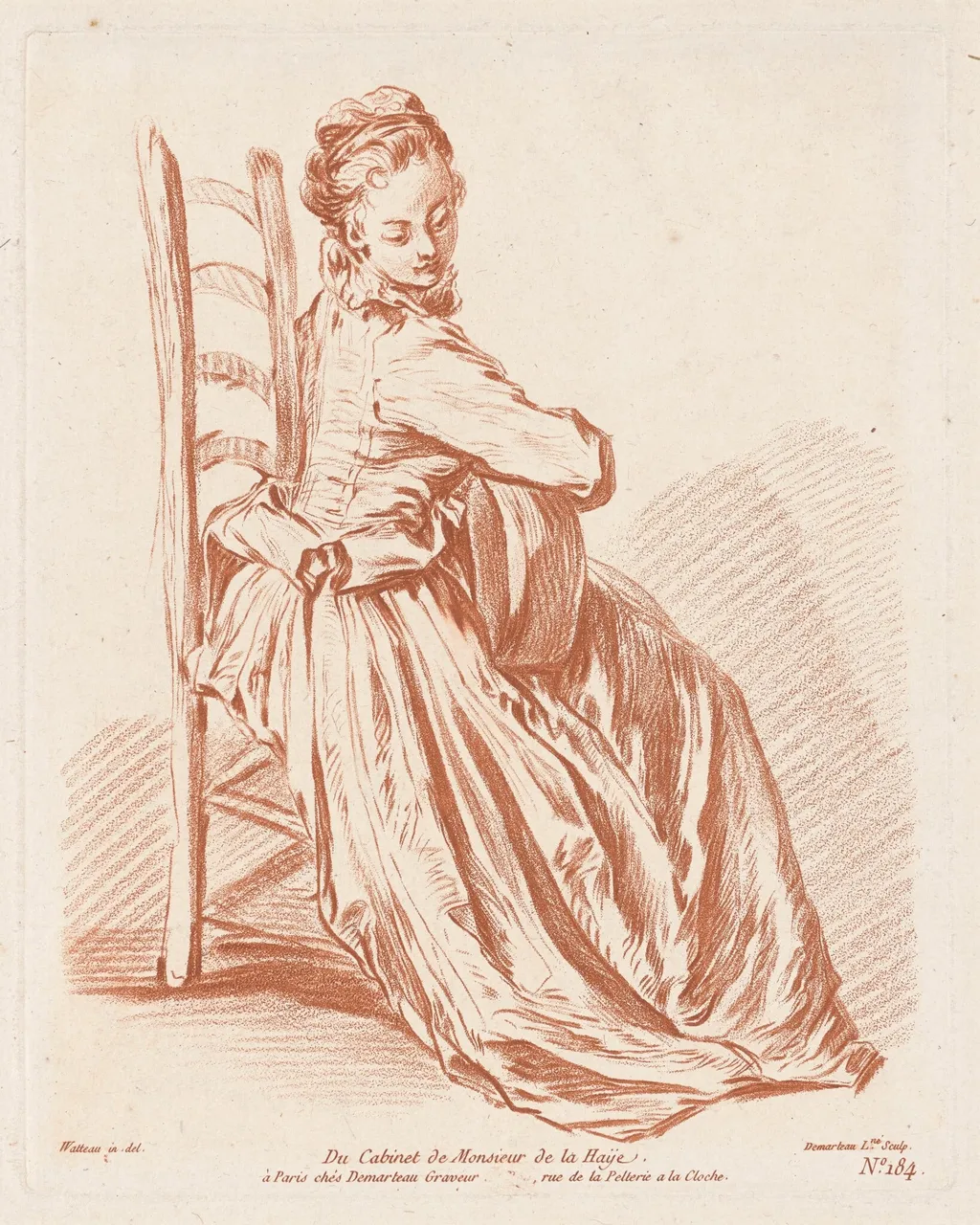
Woman Playing the Guitar is a chalk print by the Romanticist artist Gilles Demarteau the Elder. It dates from 1764 and is held in the collection of the National Gallery of Art.
About this work
The printing method used here is called "chalk manner", which involves drawing with chalk on a stone plate, and it allows for delicate lines and soft colors.
The painting shows a woman sitting and playing a guitar.
She's wearing a fancy dress and has a gentle expression.
The artist used a special printing method to create this image, which was a new technique at the time, and it's interesting to see how it was used to create subtle textures and details.
The printing method used here is called "chalk manner", which involves drawing with chalk on a stone plate, and it allows for delicate lines and soft colors.
This technique was popular in the 18th century, and it's nice to see how the artist used it to create a sense of intimacy and quietness in the scene.
You can learn more about this technique by looking into the work of other artists who used it, or by visiting the museum where this piece is kept, or by checking out the technique of chiaroscuro.
Overview
Woman Playing the Guitar is a 1764 print by Gilles Demarteau the Elder. Executed in the chalk‑manner on laid paper, the work measures a modest size typical of intimate prints of the period. The image portrays a seated woman absorbed in music, rendered with a delicate palette and fine line work that convey a quiet domestic scene.
Subject & Meaning
The composition centers on a young woman in an elaborate dress, her posture relaxed as she plucks the strings of a guitar. Her soft expression and the subdued setting suggest a private moment of contemplation, reflecting eighteenth‑century ideals of feminine grace and the cultural value placed on music as a genteel pastime.
Technique & Style
Demarteau employed the chalk‑manner process, drawing directly with chalk on a lithographic stone before transferring the image to paper. This method allowed for subtle gradations of tone and a velvety softness in the rendering of fabrics and skin. The resulting print exhibits fine, almost calligraphic lines and a muted color scheme characteristic of the technique’s early popularity.
History & Provenance
Created in Paris during a period when Demarteau was pioneering new printmaking methods, the work was likely intended for the burgeoning market of affordable art prints. While specific ownership records are scarce, the print appears in several eighteenth‑century catalogues, indicating its circulation among collectors interested in contemporary genre scenes.
Artist & collection


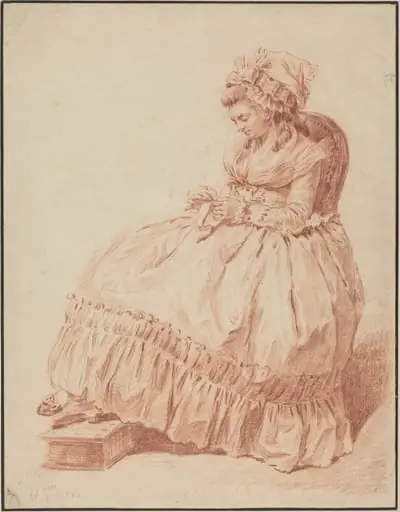 Seated Woman Sewing
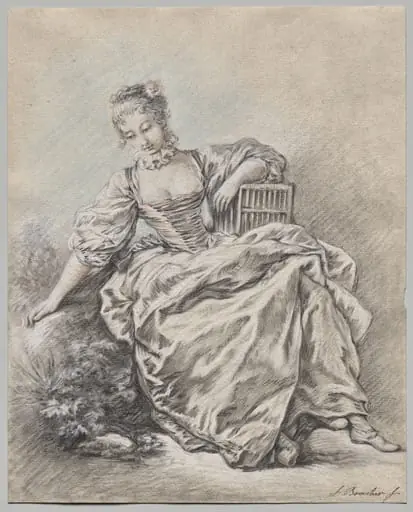 Seated Woman Holding a Bird Cage
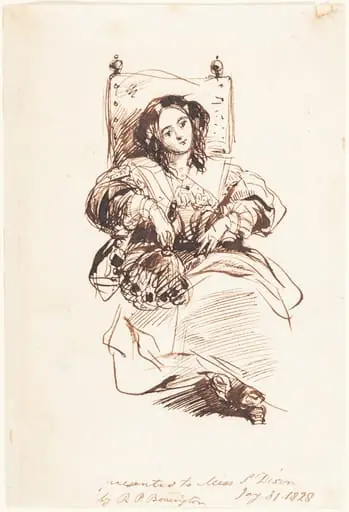 Sketch of a Woman
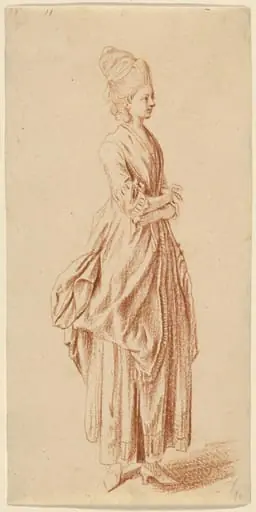 A Standing Lady in a Day Dress
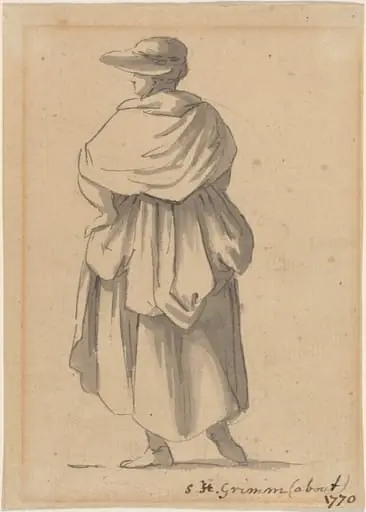 A Peasant Woman
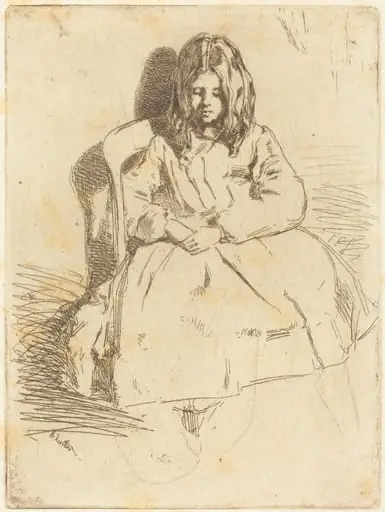 Annie Seated
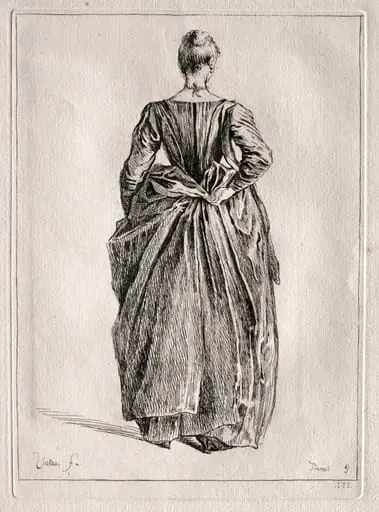 Study of a Woman from the Back
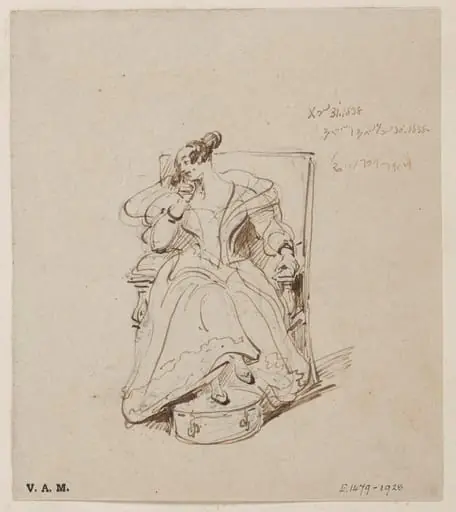 Untitled
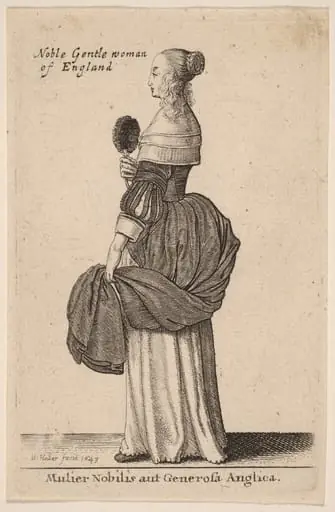 Mulier Nobilis aut Generosa Anglica
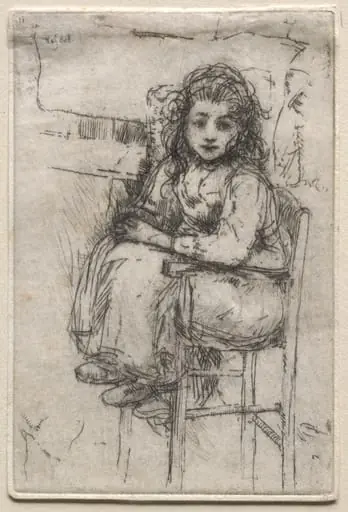 Paris: The Scavenger's Daughter
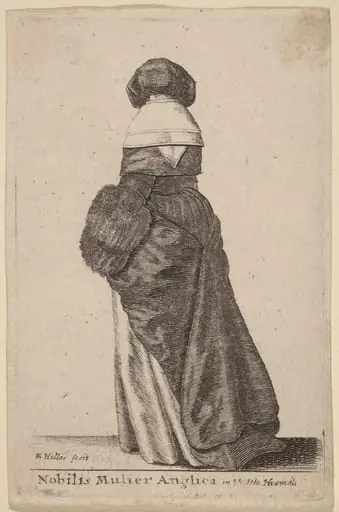 Nobilis Mulier Anglica, in Vestitu Hiemali
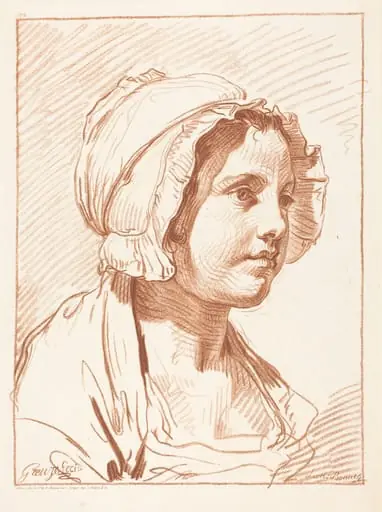 Head of a Young Woman Wearing a Cap