Artwork
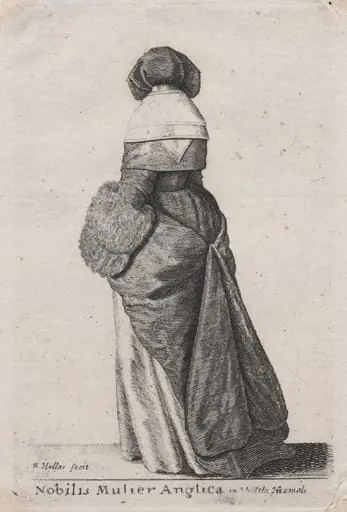
Nobilis Mulier Anglica, in Vestitu Hiemali
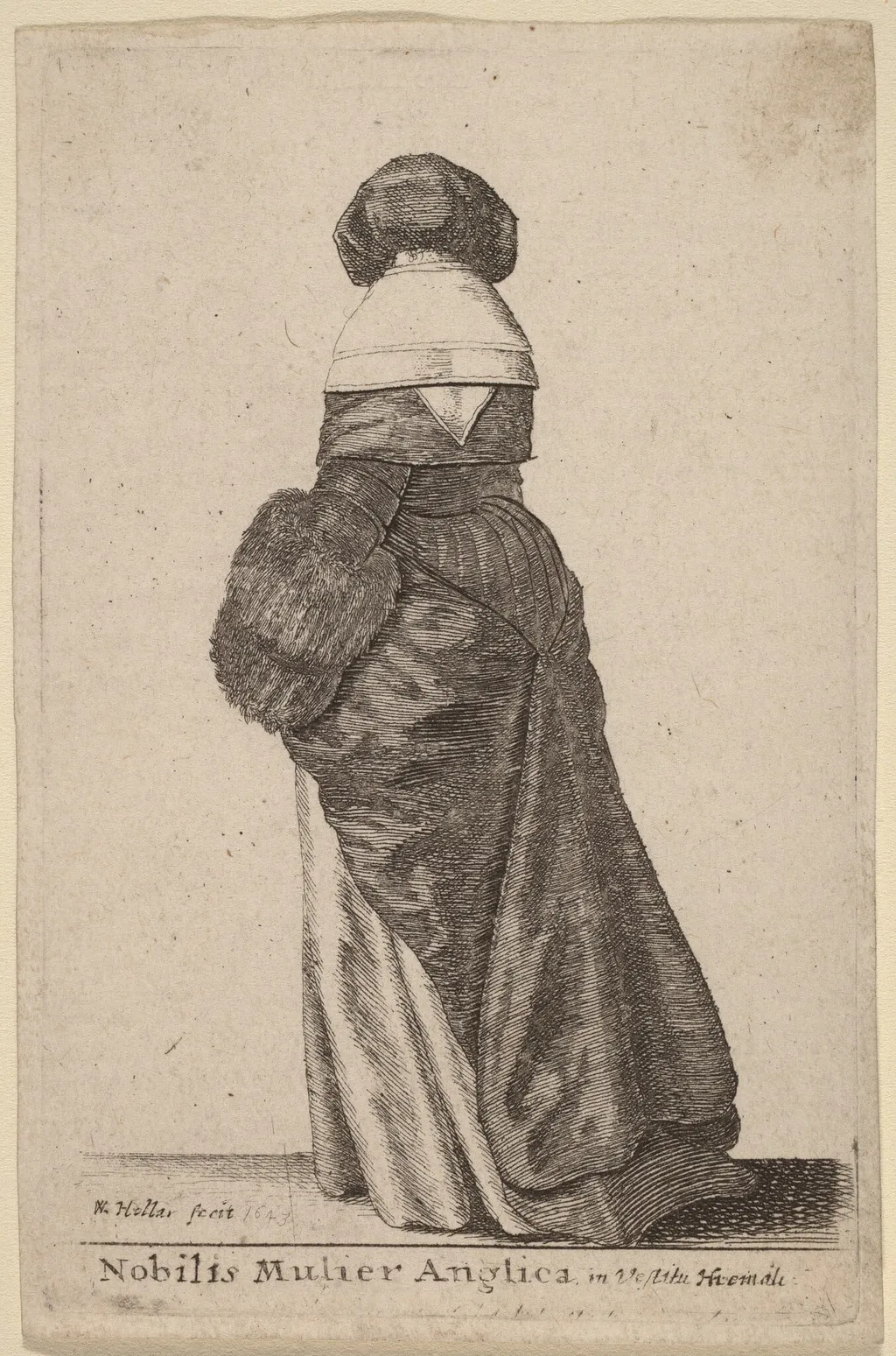
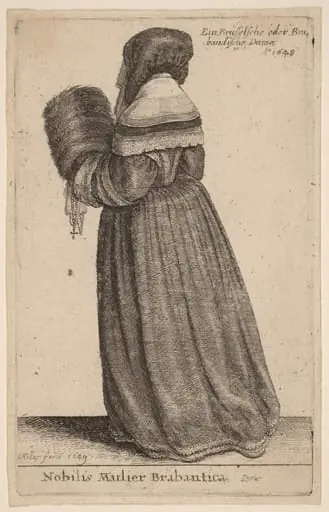
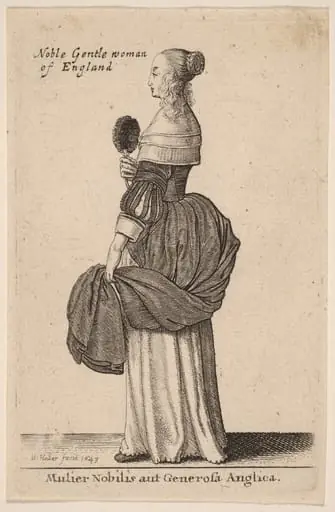
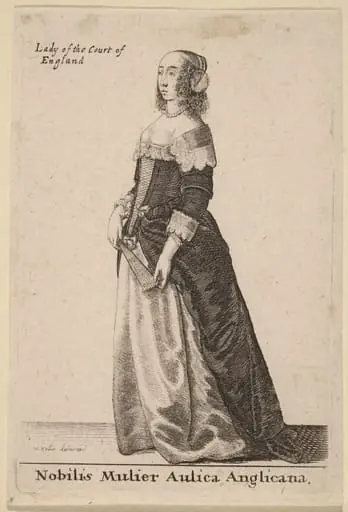
Nobilis Mulier Anglica, in Vestitu Hiemali is an ink print by the Baroque artist Wenceslaus Hollar. It dates from 1643 and is held in the collection of the National Gallery of Art.
About this work
Overview
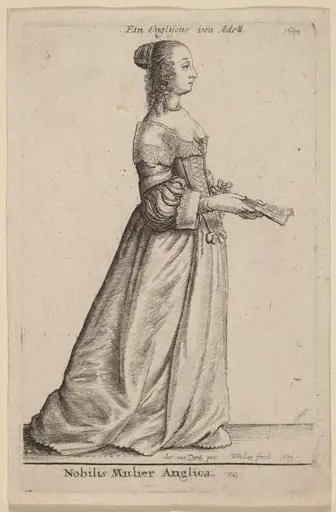
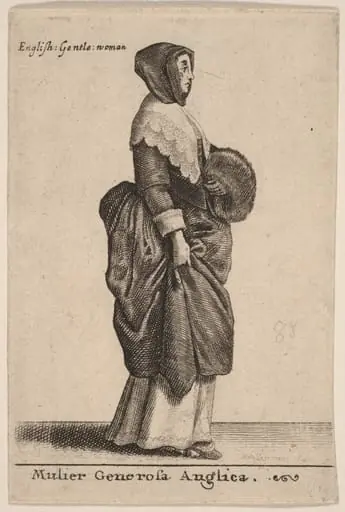
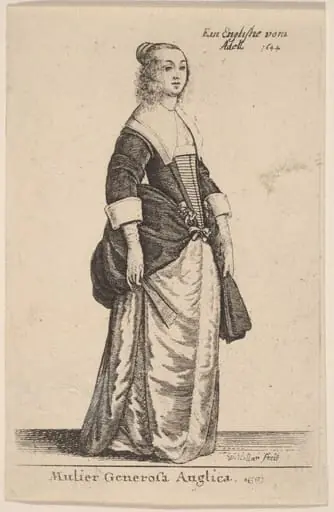
The image is part of a series of portrait studies focused on costume and social presence, rendered with the clarity and detail characteristic of his technique.
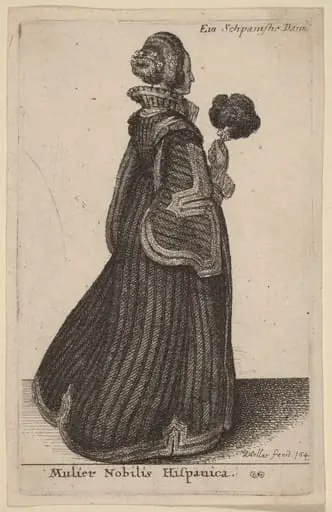
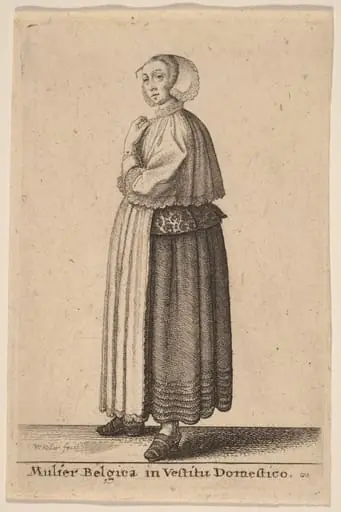
Created in 1643 by Wenceslaus Hollar, a Czech artist active in England, this etching portrays a woman in winter attire. Hollar, known for his precise draftsmanship and topographical works, turned his attention here to a solitary figure, capturing the quiet dignity of everyday aristocratic life. The image is part of a series of portrait studies focused on costume and social presence, rendered with the clarity and detail characteristic of his technique.
Subject & Meaning
The figure is a woman of means, dressed in the layered, insulated garments typical of English winter fashion among the upper class. Her posture—slightly turned, weight shifted—suggests a moment of pause, perhaps in transit or contemplation. The emphasis on fabric, trim, and headwear conveys status and seasonal propriety rather than individual identity, aligning with the era’s interest in social types and outward signs of rank.
Technique & Style
Hollar employed fine, controlled lines to render texture and form, using etching to achieve subtle gradations of tone. The dark coat and fur trim contrast sharply against the pale background, enhancing the figure’s silhouette. The triangular fabric at the back and the structured collar are rendered with precision, reflecting his skill in translating textile detail into linear notation. The composition avoids narrative, focusing instead on form and attire.
History & Provenance
The print was made during Hollar’s years in England, where he worked under the patronage of the Earl of Arundel and documented the material culture of the period. Though not commissioned as a portrait of a specific person, it belongs to a body of work intended as a visual record of contemporary dress. It entered institutional collections in the 19th century and remains part of major print archives today.
Context
Produced during the English Civil War, the image stands apart from the political turmoil of its time, offering instead a quiet study of domestic elegance. While many artists engaged with conflict or allegory, Hollar’s focus on costume reflects a broader European trend of documenting fashion as cultural evidence. The Baroque emphasis on realism and detail finds expression here in the careful rendering of everyday attire.
Legacy
Hollar’s etchings of dress, including this one, became valuable references for later historians studying 17th-century English clothing and social norms. His method of recording costume with fidelity influenced both art and anthropology. Though not widely exhibited as a standalone work, it endures as a representative example of his documentary approach to portraiture through attire.
Artist & collection
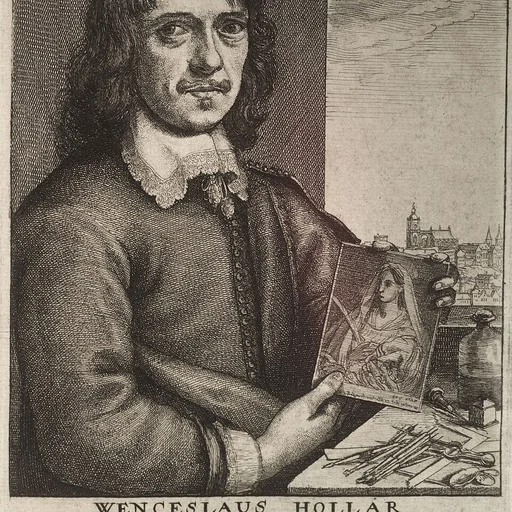
Artist
Wenceslaus Hollar (Czech: Václav Hollar (Czech pronunciation: ), German: Wenzel Hollar; 23 July 1607 – 25 March 1677) was a Czech engraver, etcher and painter.