Artwork
Pedimented Windows
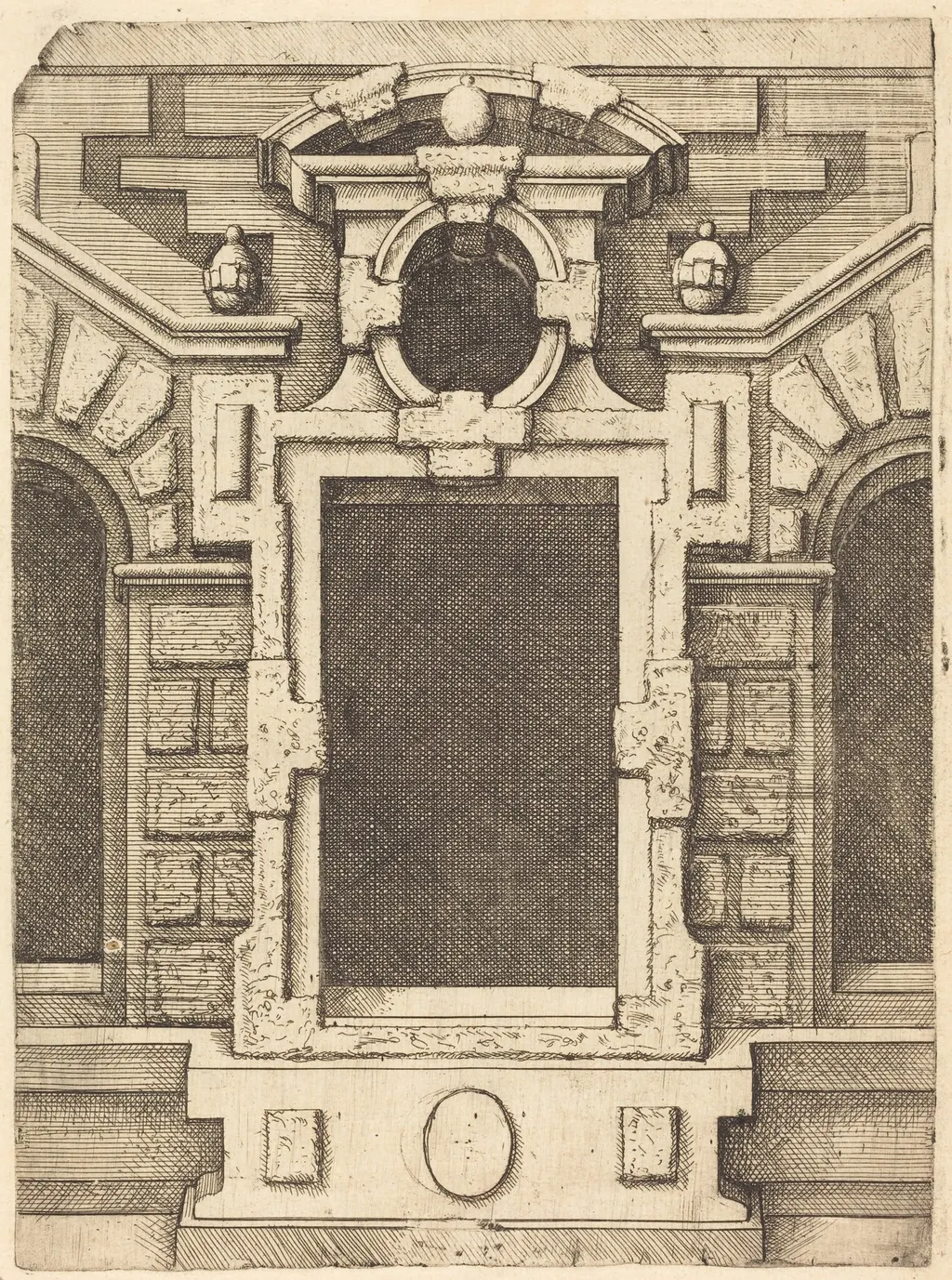
Pedimented Windows is an ink print by the Renaissance artist Wendel Dietterlin. It dates from 1594 and is held in the collection of the National Gallery of Art.
About this work
Overview
The composition emphasizes structural clarity and surface texture, reflecting Dietterlin’s interest in architectural ornamentation as both form and function.
Created around 1594, Pedimented Windows is an etching and engraving on laid paper by the German architect and designer Wendel Dietterlin. The work presents a detailed architectural study of two tall, narrow windows set into a solid stone wall, each crowned by a small rounded pediment. The composition emphasizes structural clarity and surface texture, reflecting Dietterlin’s interest in architectural ornamentation as both form and function.
Subject & Meaning
The image focuses on a restrained architectural motif—windows framed by pediments and flanked by small openings—offering no narrative or human presence. Its subject is the architectural element itself: the interplay of solid masonry and void, ornament and utility. The work functions as a study in proportion and detail, likely intended as a reference for builders or designers rather than a decorative piece.
Technique & Style
Dietterlin employed fine etched lines and engraved accents to render the rough texture of stone and the crisp edges of architectural moldings. The contrast between the heavily textured wall and the smooth, clean lines of the window frames demonstrates a deliberate control of line weight. The use of etching allowed for precision in delicate details, while engraving added depth to shadows and structural contours.
History & Provenance
The print originates from Dietterlin’s broader project to document and disseminate architectural forms, likely for use in his treatises on design. It was produced during a period when architectural drawings were increasingly circulated as instructional material in Northern Europe. No specific early ownership records are known, but the work aligns with the practices of German architectural publishers of the late 16th century.
Context
In the late 1500s, German architects and draftsmen were compiling systematic records of classical and vernacular forms to standardize building practices. Dietterlin’s work fits within this trend, influenced by Renaissance ideals of order and proportion. Pedimented Windows reflects a shift from purely decorative ornament to structured, repeatable architectural vocabulary used in both civic and domestic construction.
Legacy
Though not widely exhibited today, the print contributes to the historical record of how architectural knowledge was transmitted before modern printing. Dietterlin’s precise renderings influenced later generations of draftsmen and architects in Central Europe, serving as templates for ornamentation in Protestant civic buildings. The work remains a quiet example of how technical drawing shaped built environments.
Artist & collection


 Architectural Motif with Three Shields, Two with Figures
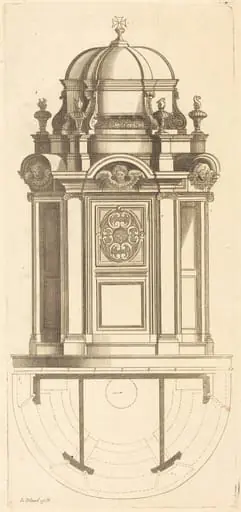 Plan et elevation des plus beaux confessionnaux de Paris, tres fidelemant mesure
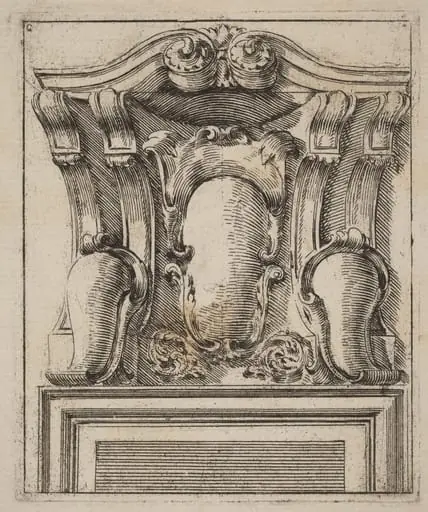 Architectural Motif with Three Shields
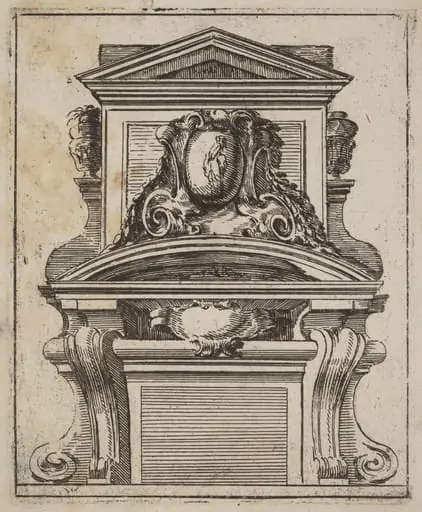 Architectural Motif with a Figure
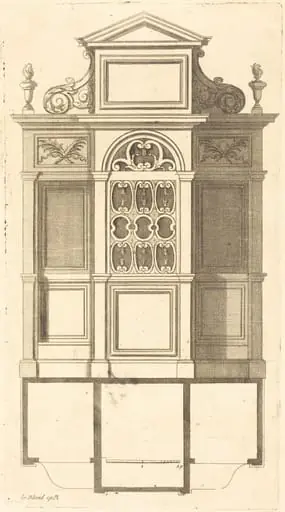 Plan et elevation des plus beaux confessionnaux de Paris, tres fidelemant mesure
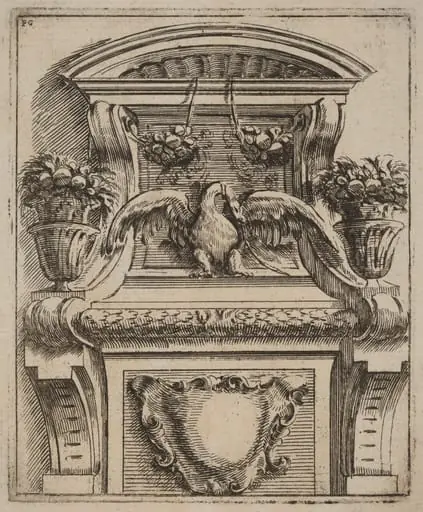 Architectural Motif with a Bird
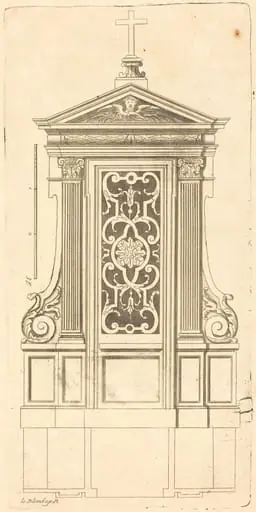 Plan et elevation des plus beaux confessionnaux de Paris, tres fidelemant mesure
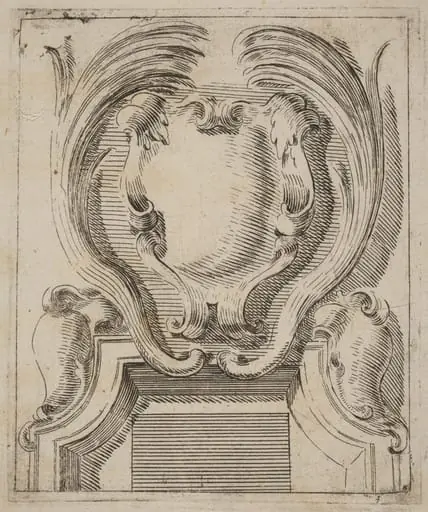 Architectural Motif with Three Shields
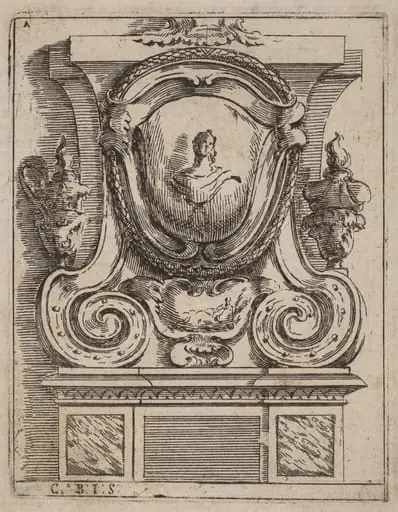 Architectural Motif with Bust and Two Lamps
 Architectural Capriccio with a Soldier and Dog