Artwork
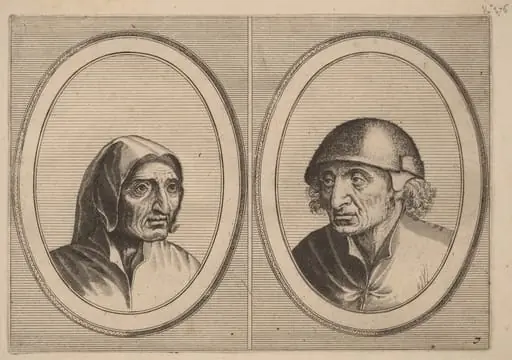
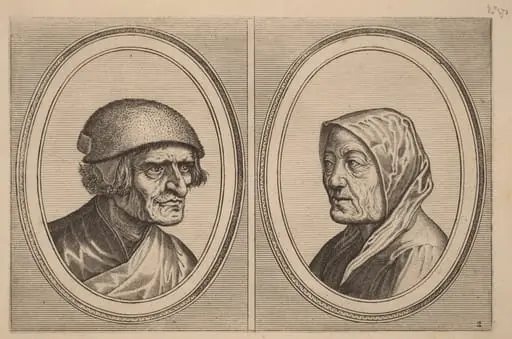
"Buyltje On-versaed" and "Waerner Altijdt-meer"
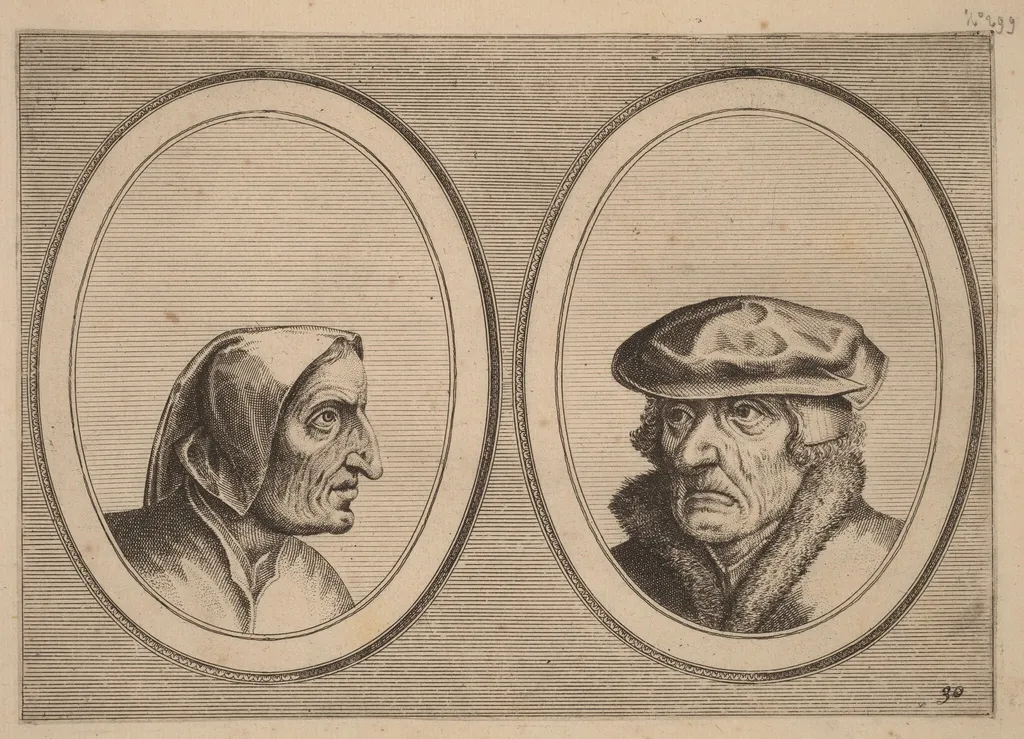
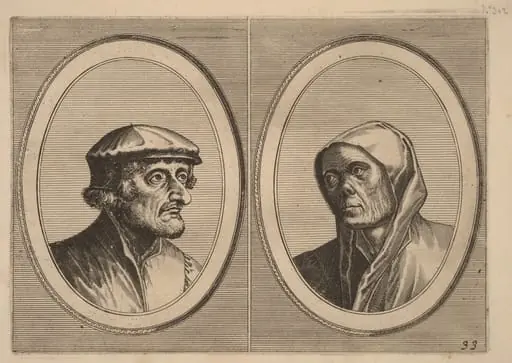
"Buyltje On-versaed" and "Waerner Altijdt-meer" is an ink print by the Renaissance artist Johannes van Doetechum the Elder. It dates from 1564 and is held in the collection of the National Gallery of Art.
About this work
Overview
Executed in black ink on paper, these works exemplify the precision of 16th-century printmaking.
Created around 1564 by Johannes van Doetecum the Elder, the pair of etchings titled *Buyltje On-versaed* and *Waerner Altijdt-meer* depict two male portraits in oval frames. Executed in black ink on paper, these works exemplify the precision of 16th-century printmaking. Van Doetecum, active in the Netherlands, specialized in reproductive engravings and cartography, often working within a family workshop that included his brother and later his sons.
Subject & Meaning
The two portraits portray distinct individuals, likely local figures or patrons, rendered with individualized features. The left figure wears a white cap and high collar, his expression reserved; the right, a fur-lined hat and thick beard, conveys a sharper, more intense gaze. Their identities remain unconfirmed, but the intimate framing suggests a documentary or commemorative intent, common in Northern European portraiture of the period.
Technique & Style
Van Doetecum employed fine, controlled etching lines to model facial structure and fabric texture. Shading is achieved through hatching and cross-hatching, emphasizing wrinkles and the weight of wool and fur. The background retains the plate’s subtle grain, enhancing the tactile quality of the surfaces. The absence of color and the linear precision reflect the technical priorities of reproductive printmaking in mid-16th-century Northern Europe.
History & Provenance
The etchings were produced during van Doetecum’s time in Deventer, before his move to Haarlem in 1578. They belong to a body of work that includes reproductions of Pieter Bruegel’s scenes and regional maps, indicating his role in disseminating visual culture. While specific early ownership records are sparse, such prints circulated widely among collectors and artisans, contributing to the spread of Northern Renaissance imagery.
Context
In the 1560s, the Netherlands was a hub for print production, with etching emerging as a favored medium for detailed portraiture and landscape reproduction. Van Doetecum’s work aligned with a broader trend of translating painted compositions into accessible prints. His focus on individual likenesses reflects growing interest in personal identity, paralleling developments in contemporary Dutch and Flemish painting.
Legacy
Van Doetecum’s etchings helped standardize techniques for rendering facial character in print. His family workshop became a significant force in Dutch printmaking, influencing later generations. Though less celebrated than his contemporaries, his precise line work and commitment to documentary portraiture contributed to the evolution of the medium as a vehicle for both art and historical record.
Artist & collection

Artist
Johannes van Doetechum the Elder
Joannes van Doetecum the Elder (1530 – 1605) was a Dutch engraver-cartographer known for his etched works after genre scenes by Pieter Bruegel the Elder and maps of various cities in the Netherlands.

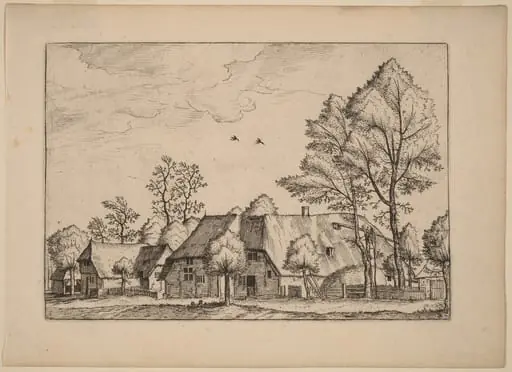
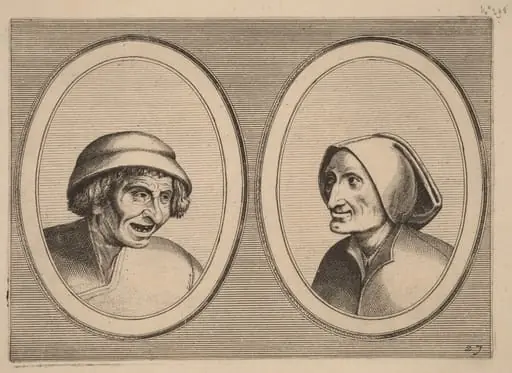 "Keesje Licht-hart" and "Verblinde Swaen"
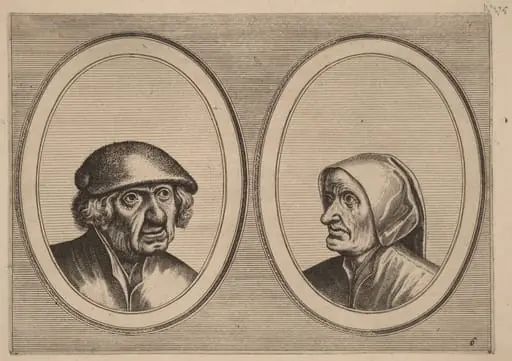 "Dirck Domp" and "Zeedighe Kniertje"
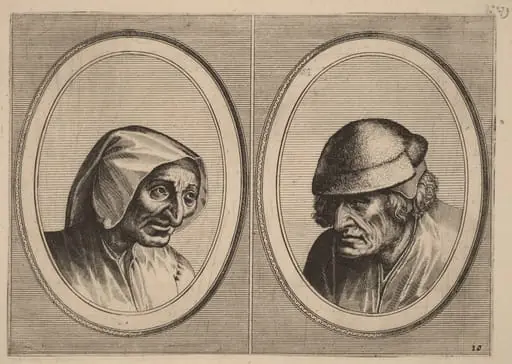 "Verdorde Nel" and "Jan Afterlam"
 "Voorsichtighe Krijn" and "Broentje Spaer-pots"
 "Maey Veeghde-pot" and "Pannetje Vet"
 "Goelijeke Floor" and "Kinne Snavels"
 "Harme Snap-op" and "Keursje-sonder-naed"
 "Beleefde Goossen" and "Prijne Lecker-tants"
 "Kees Geldt-sack" and "Kaarighe Truy"