Artwork
"Hans Onvertsaeght" and "Koen Slock-speck"
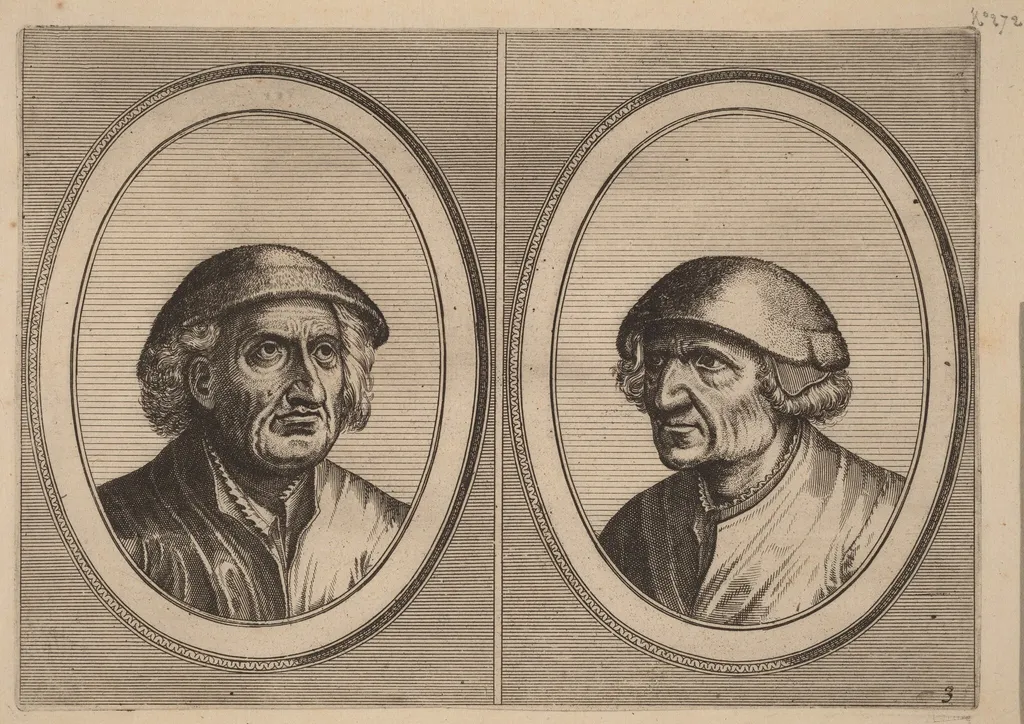
"Hans Onvertsaeght" and "Koen Slock-speck" is an ink print by the Renaissance artist Johannes van Doetechum the Elder. It dates from 1564 and is held in the collection of the National Gallery of Art.
About this work
Overview
These portraits were produced before his move to Antwerp in 1578 and reflect his engagement with the Northern European tradition of character studies.
Created around 1564 by Johannes van Doetecum the Elder, the pair of etchings titled *Hans Onvertsaeght* and *Koen Slock-speck* are early examples of his work in printmaking. These portraits were produced before his move to Antwerp in 1578 and reflect his engagement with the Northern European tradition of character studies. Each image presents a single figure in a tightly framed oval, emphasizing individuality through precise line work and tonal contrast.
Subject & Meaning
The two men depicted, identified by name, appear as ordinary individuals rather than nobility or clergy. Their solemn expressions, plain attire, and lack of contextual elements suggest a focus on personal identity and social type. The titles imply they may have been known locally, possibly as tradesmen or civic figures. The absence of symbolism points to a documentary intent—capturing likeness over narrative or moral allegory.
Technique & Style
Van Doetecum employed etching to carve fine lines into a metal plate, which were then inked and pressed onto paper. The technique allowed for sharp, controlled detail in facial features, fabric folds, and subtle shading. Deep shadows beneath the eyes and jaws enhance the three-dimensionality of the faces, while the plain backgrounds eliminate distraction. The style aligns with the Northern emphasis on realism and psychological presence in portraiture.
History & Provenance
These prints originate from van Doetecum’s formative years in the Netherlands, likely produced in Haarlem or nearby. They predate his later, more widely circulated reproductions of Bruegel’s compositions. As early works, they demonstrate his developing skill in portraiture before he became known primarily as a reproductive engraver. Their survival suggests they were circulated among collectors or artisans interested in character studies.
Context
In mid-16th century the Low Countries, printmaking flourished as a medium for documenting everyday life and individual identity. Van Doetecum’s portraits reflect this trend, paralleling the rise of secular portraiture outside ecclesiastical or aristocratic patronage. His work existed alongside emerging civic pride and literacy, where images of recognizable individuals served both artistic and social functions.
Legacy
Though less renowned than his later Bruegel reproductions, these etchings illustrate van Doetecum’s early command of the medium and his interest in human subjects. They contribute to the broader understanding of how Dutch printmakers engaged with portraiture before it became standardized in the 17th century. Their preservation offers insight into the transition from religious to secular imagery in Northern European prints.
Artist & collection

Artist
Johannes van Doetechum the Elder
Joannes van Doetecum the Elder (1530 – 1605) was a Dutch engraver-cartographer known for his etched works after genre scenes by Pieter Bruegel the Elder and maps of various cities in the Netherlands.

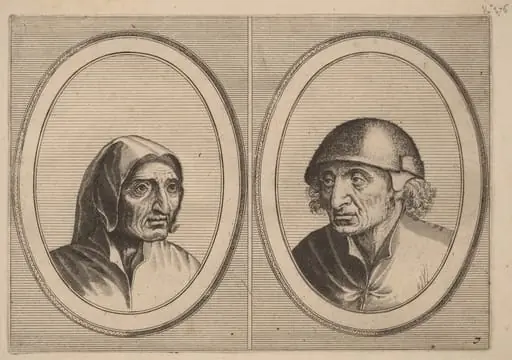
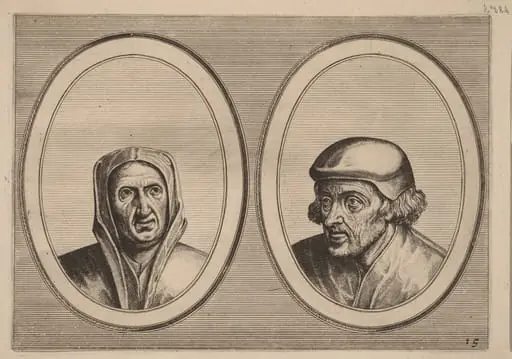 "Beveynsde Hil" and "Listighe Jorden"
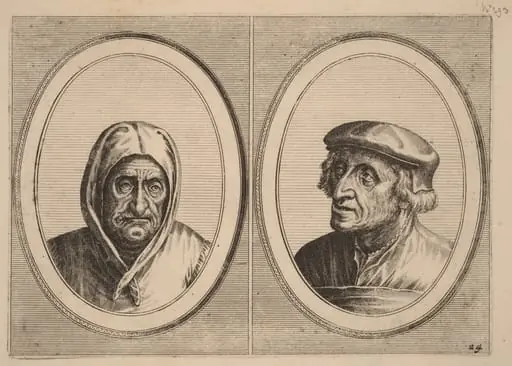 "Aecht Sonder-Ziel" and "Heertje Al-te-mooy"
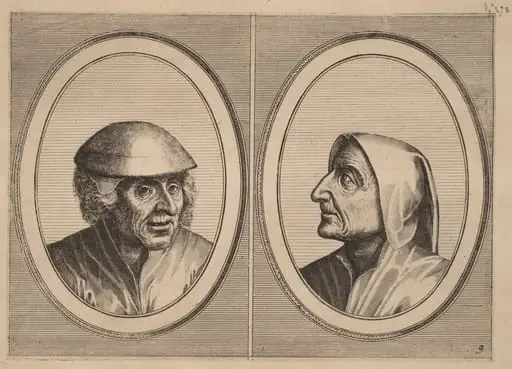 "Kees Geldt-sack" and "Kaarighe Truy"
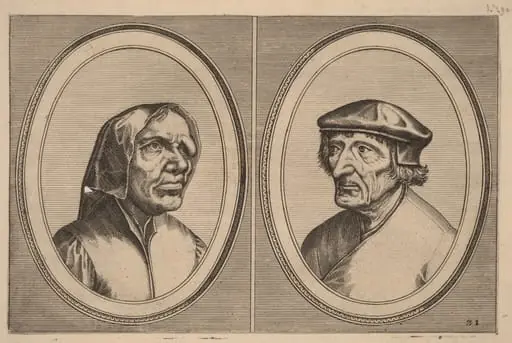 "Trijn Bulle-bacx" and "Voorsichtighe Oenne"
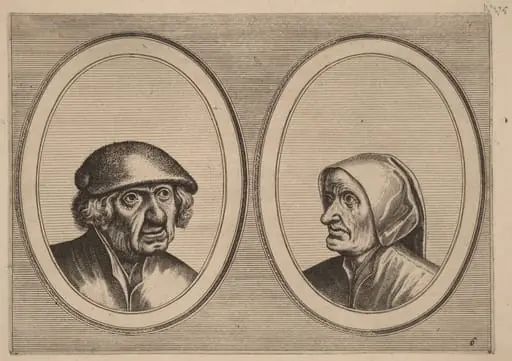 "Dirck Domp" and "Zeedighe Kniertje"
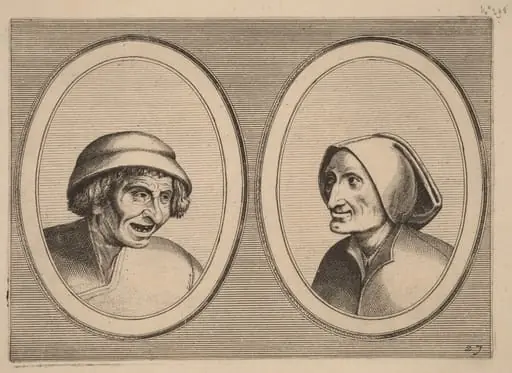 "Keesje Licht-hart" and "Verblinde Swaen"
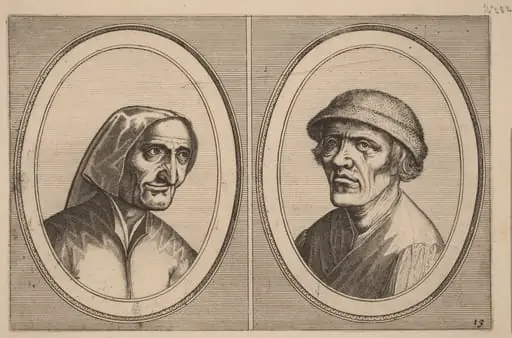 "Maey Veeghde-pot" and "Pannetje Vet"
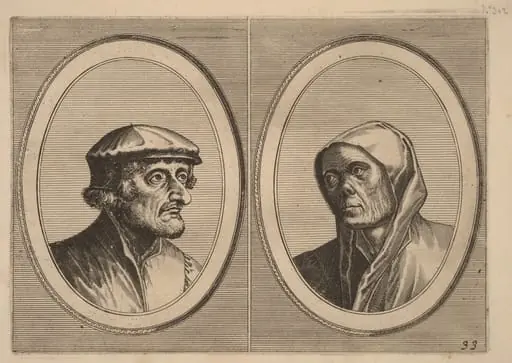 "Voorsichtighe Krijn" and "Broentje Spaer-pots"
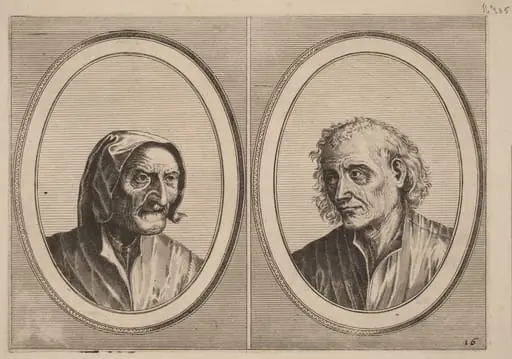 "Foockel Frons-muyl" and "Pietje Hard-loop"
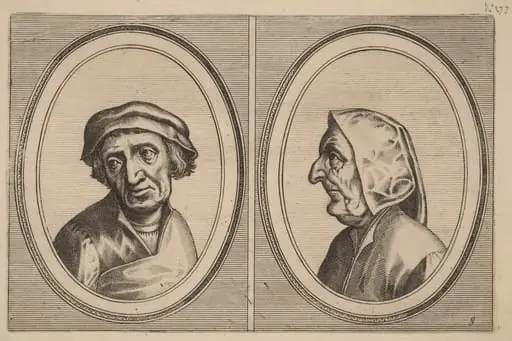 "Goelijeke Floor" and "Kinne Snavels"