Artwork
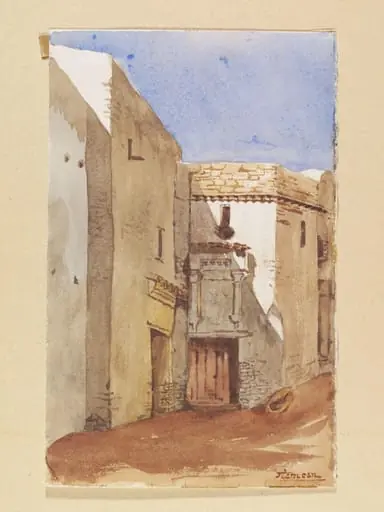
Sidi Bou Medin
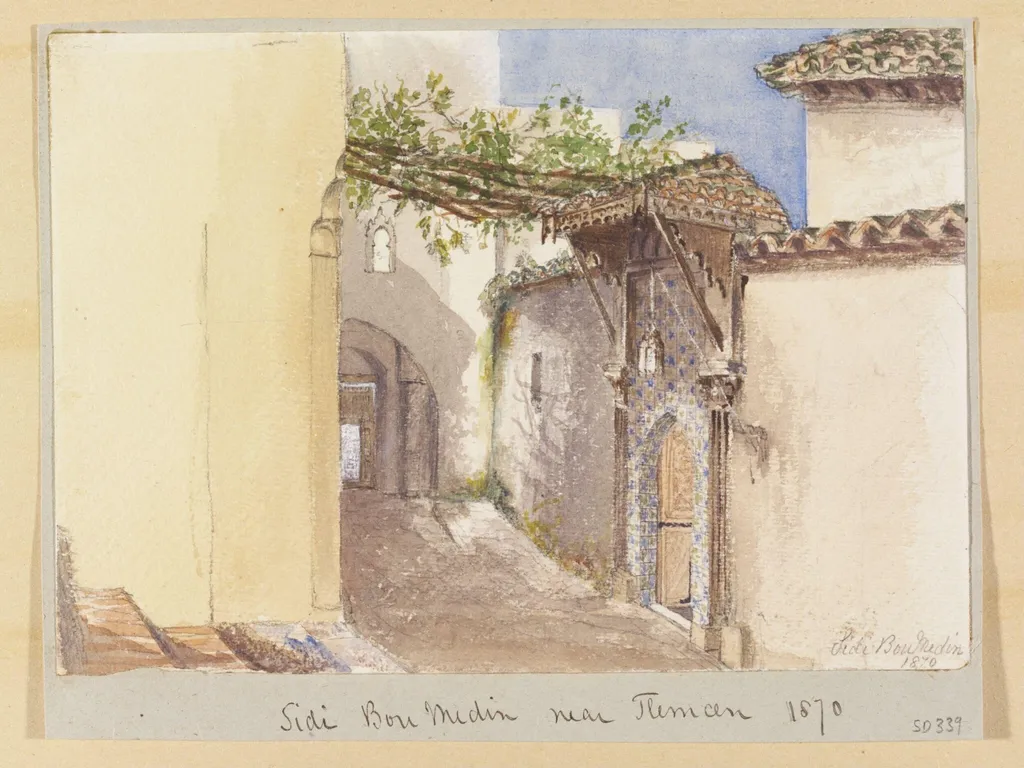
Sidi Bou Medin is a watercolor work on paper by the Impressionist artist John Baptist Joseph Dormer. It dates from 1870 and is held in the collection of the Victoria and Albert Museum.
About this work
Overview
Created during a period when artists frequently recorded architectural details on travel, the work captures a modest North African courtyard.
Sidi Bou Medin is a watercolour sketch by John Baptist Joseph Dormer, the 12th Baronet, executed in a restrained, observational style. Created during a period when artists frequently recorded architectural details on travel, the work captures a modest North African courtyard. Its modest scale and unembellished approach reflect the practice of field studies rather than finished compositions. The piece entered a collection in 1975 after being acquired from Alister Mathews alongside other drawings.
Subject & Meaning
The scene depicts a quiet, enclosed courtyard with weathered stone walls, a wooden door adorned with faded blue tiles, and a narrow arched passage leading into shadow. A tree’s overhanging branch casts soft, irregular shadows across the surfaces, suggesting midday light. The absence of figures and the focus on architectural elements imply an interest in place and atmosphere rather than narrative. It conveys stillness and the passage of time through material decay and natural intrusion.
Technique & Style
Dormer employed loose, economical watercolour strokes to suggest texture and form, leaving areas of paper bare to imply light. Walls are rendered with rough washes, while tiles and moss are hinted at with minimal detail. The sketchy handling, particularly in the roofline and foliage, reflects a spontaneous, on-site approach. This method prioritizes immediate visual impression over precision, aligning with 19th-century travel sketching traditions where speed and observation took precedence over finish.
History & Provenance
The drawing was acquired in October 1975 by a private collector from Alister Mathews, a dealer specializing in 19th-century drawings. Its earlier history prior to the 20th century is undocumented. As part of a group of works purchased at the same time, it likely originated from a larger collection of travel sketches. Dormer’s authorship is established through attribution, though no exhibition or publication record from his lifetime is known for this piece.
Context
Dormer’s sketch belongs to a broader tradition of British travelers documenting architecture in North Africa during the 19th century. Such works served as personal records and sources for later studio pieces, often influenced by Orientalist interests. Unlike grander commissioned works, these sketches were intimate, unpolished observations made in situ. The focus on vernacular structures—rather than monuments—reflects a quieter, more personal engagement with the landscape.
Legacy
Sidi Bou Medin remains a modest example of amateur topographical watercolour from the Victorian era. It contributes to understanding how non-professional artists engaged with foreign architecture through direct observation. While not widely exhibited, it holds value as a representative of a widespread but often overlooked practice: the private, unadorned record of place made by travelers seeking to capture fleeting impressions of light, structure, and atmosphere.
Artist & collection
Artist
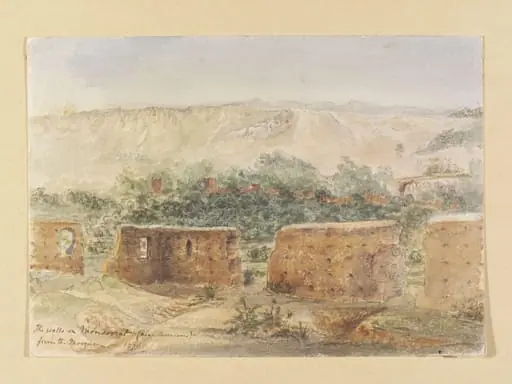
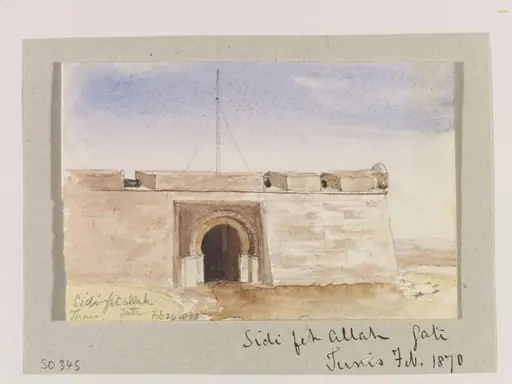
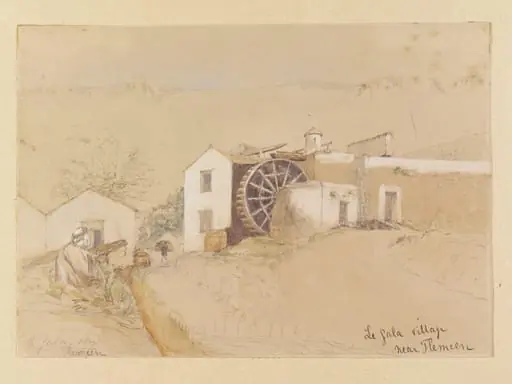
John Baptist Joseph Dormer painted North-African watercolors in the 1870s. He shows the Mosque walls on Monsoorat, the Sidi fet allah gate in Tunis, and the oldest mosque in Tlemcen. Each sheet records a town, a gate,…

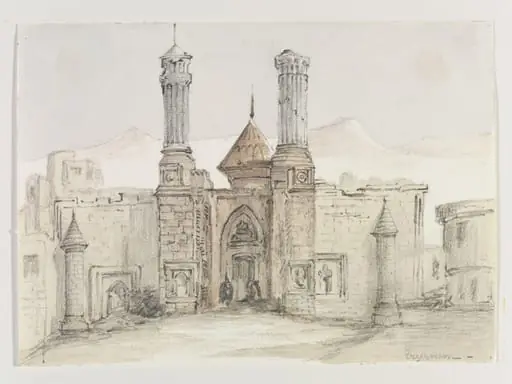
![Mosque of Sidi el-hal-lui [Saiyyid al-Halawi] (the cake man) the oldest mosque in Tlemcen, by John Baptist Joseph Dormer](https://artifactworldgallery.com/img/john-baptist-joseph-dormer--mosque-of-sidi-el-hal-lui-saiyyid-al-halawi-the-cake-man-the--be58e84276206cf9-w320.webp)
 Castellammare
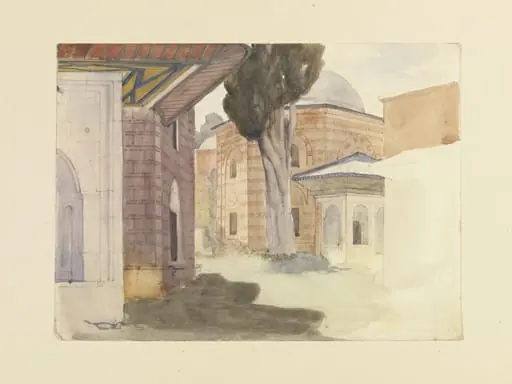 Türbes in the Royal Cemetery of the Muradiye (Murad II), Bursa
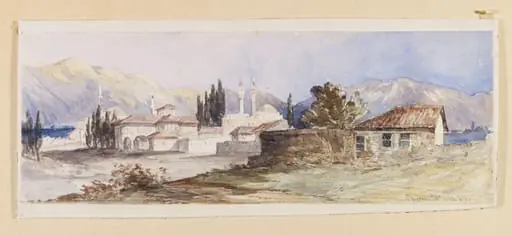 Smyrne
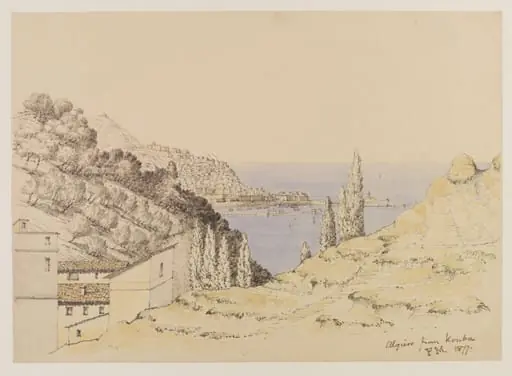 Algiers from Kouba
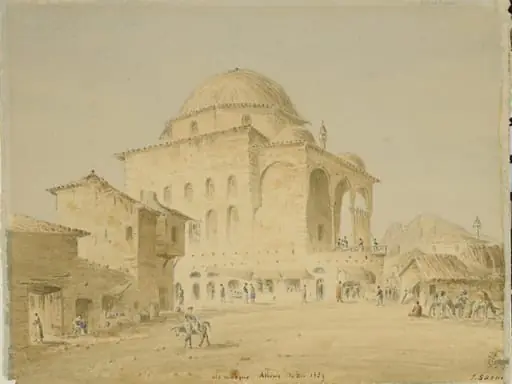 Το Τζαμί του Τζισδαράκη στο Μοναστηράκι
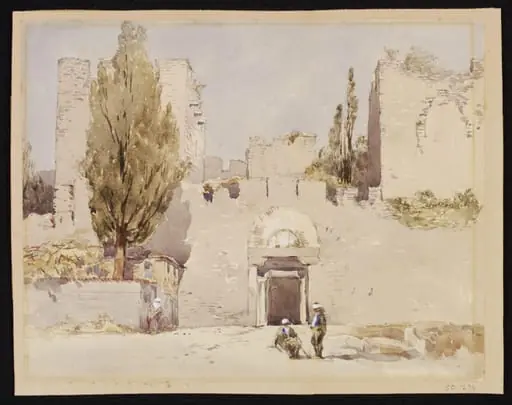 Entrance to the Cannon Gate (Top Kapisi) in Constantinople
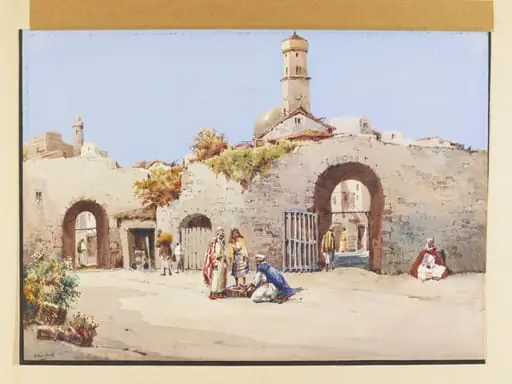 The City Walls, Jaffa, Palestine
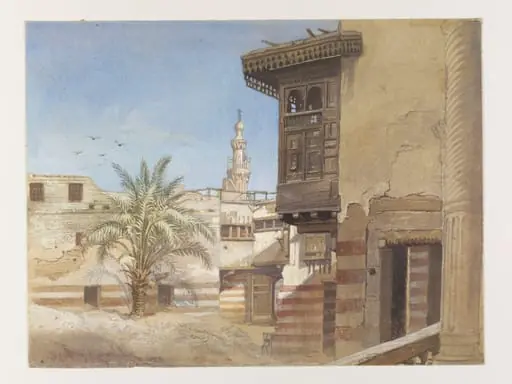 View from the Loggia of the Summer Reception Room (Makad) in the House of the Memluk Raduan Bey, Cairo
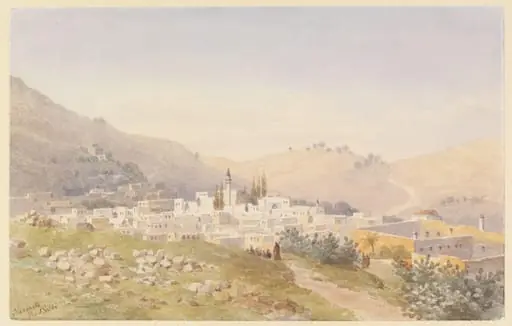 Nazareth
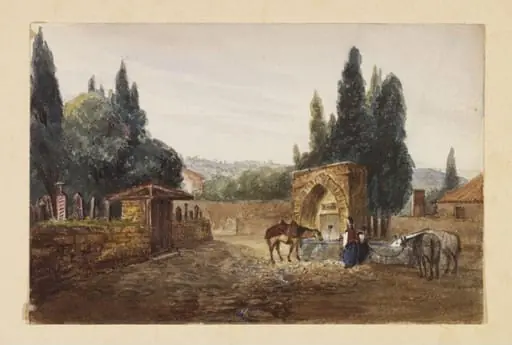 Scene at a Fountain outside a cemetery, probably Smyrna
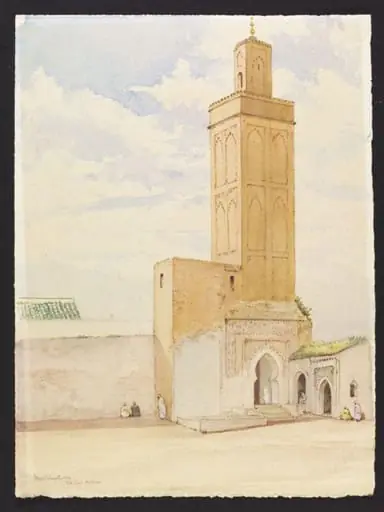 Mosque of Sidi Said bou Othman, Meknes