Artwork
Chemin de fer de Toulouse à Bayonne. Pont de l'Aran (en trois arches de 17m d'ouverture chacune). Situation des travaux au 21 juillet 1861
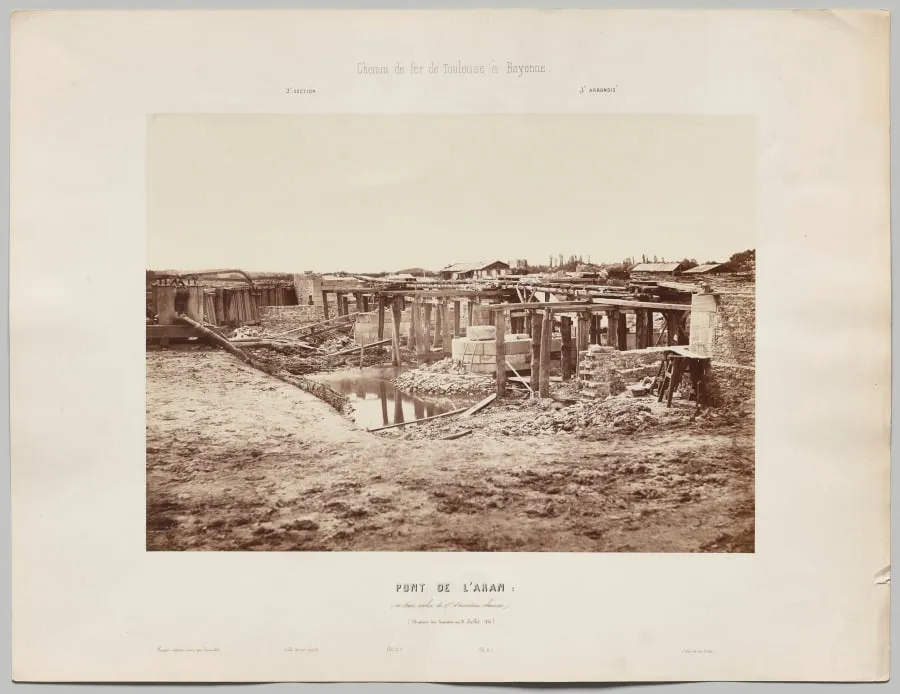
Chemin de fer de Toulouse à Bayonne. Pont de l'Aran (en trois arches de 17m d'ouverture chacune). Situation des travaux au 21 juillet 1861 is a photography by the Impressionist artist Édouard Baldus. It dates from 1861 and is held in the collection of the Cleveland Museum of Art.
About this work
Overview
The photograph serves as a technical record rather than a decorative image, emphasizing the scale and progress of the project at a specific moment in time.
Taken in July 1861, this photograph captures the ongoing construction of a stone railway bridge over the Aran riverbed in southwestern France. Commissioned by the Toulouse to Bayonne railway company, the image is one of many documenting the infrastructure expansion across the region. The photograph serves as a technical record rather than a decorative image, emphasizing the scale and progress of the project at a specific moment in time.
Subject & Meaning
The bridge, still under construction with three incomplete arches, symbolizes the encroachment of industrial progress into rural landscapes. Its skeletal form reveals the labor-intensive methods of 19th-century civil engineering. The dry riverbed and surrounding terrain underscore the challenge of building through remote, uneven topography, reflecting the broader ambition to connect isolated communities via rail.
Technique & Style
Edouard Baldus employed large-format glass plate photography to achieve sharp detail and tonal clarity. The composition is frontal and symmetrical, minimizing artistic flourish to prioritize structural accuracy. Shadows and textures of stone blocks are rendered with precision, allowing engineers to assess progress and material quality without visiting the site in person.
History & Provenance
Baldus was formally engaged by the railway company to produce a systematic visual inventory of its construction sites. This photograph belongs to a larger series documenting bridges, viaducts, and stations along the Toulouse–Bayonne line. The images were used internally for planning and externally to demonstrate the company’s commitment to modernization and public accountability.
Context
In the early 1860s, France was rapidly expanding its rail network to unify its economy and strengthen state control over remote regions. The Toulouse–Bayonne line traversed mountainous terrain, requiring substantial engineering efforts. Baldus’s photographs provided a visual archive that aligned with national priorities of infrastructure development and territorial integration.
Legacy
Baldus’s railway documentation set a precedent for using photography as a tool of industrial record-keeping. His methodical approach influenced later engineering surveys and archival practices. These images remain valuable for historians studying the material culture of 19th-century infrastructure, offering insight into labor, technology, and landscape transformation.
Artist & collection

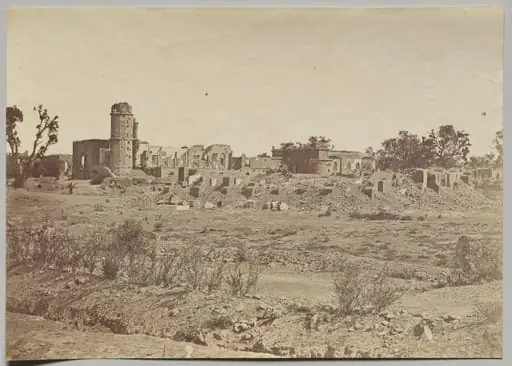 The Churchyard and Residency in the Distance
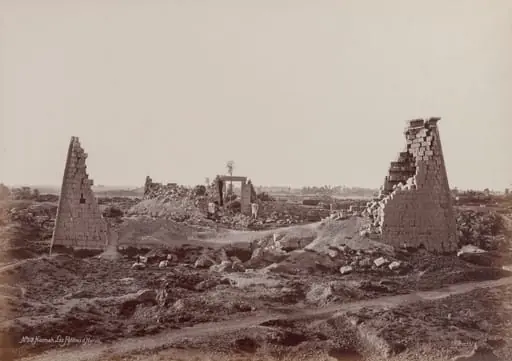 Karnak, Les Pylônes d'Horus
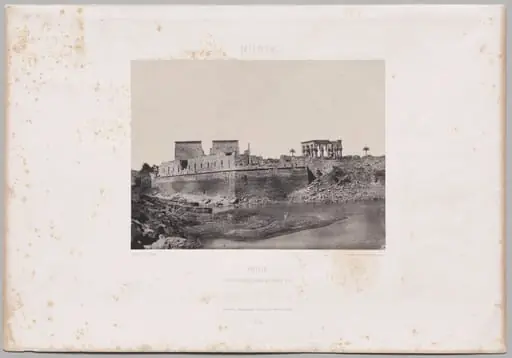 Vue générale prise à l'angle sud-ouest, Philoe
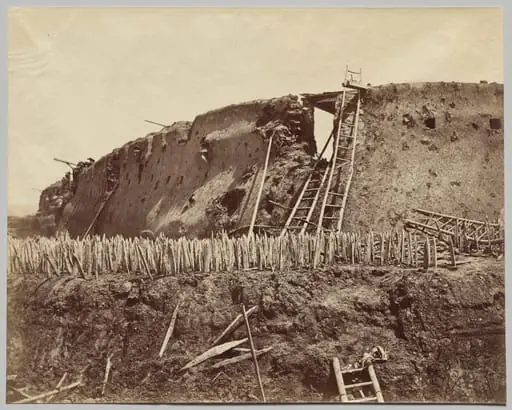 Angle of Taku Fort at which the French entered
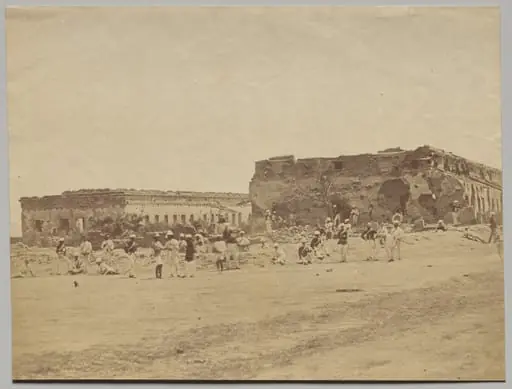 Major-General Sir Hugh Wheeler's Entrenchment at Cawnpore
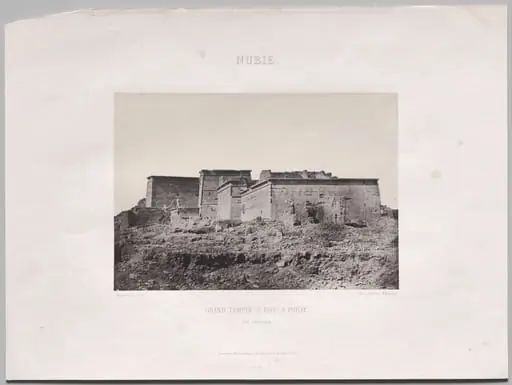 Grand Temple D’Isis, à Philoe (vue générale prise du nord), Nubie
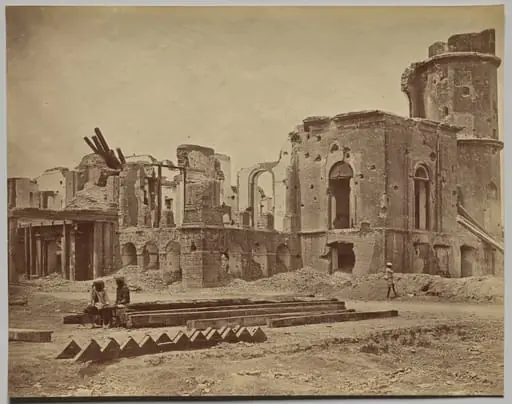 The Residency From the Front, Showing the Room in Which Sir Henry Lawrence was Killed
 View of Luxor
 The Residency, Taken from the Redan Battery
 Srinagar on the Jhelum, Kashmir
 Porte du l'Avenue Uhrich