Artwork
Angle of Taku Fort at which the French entered
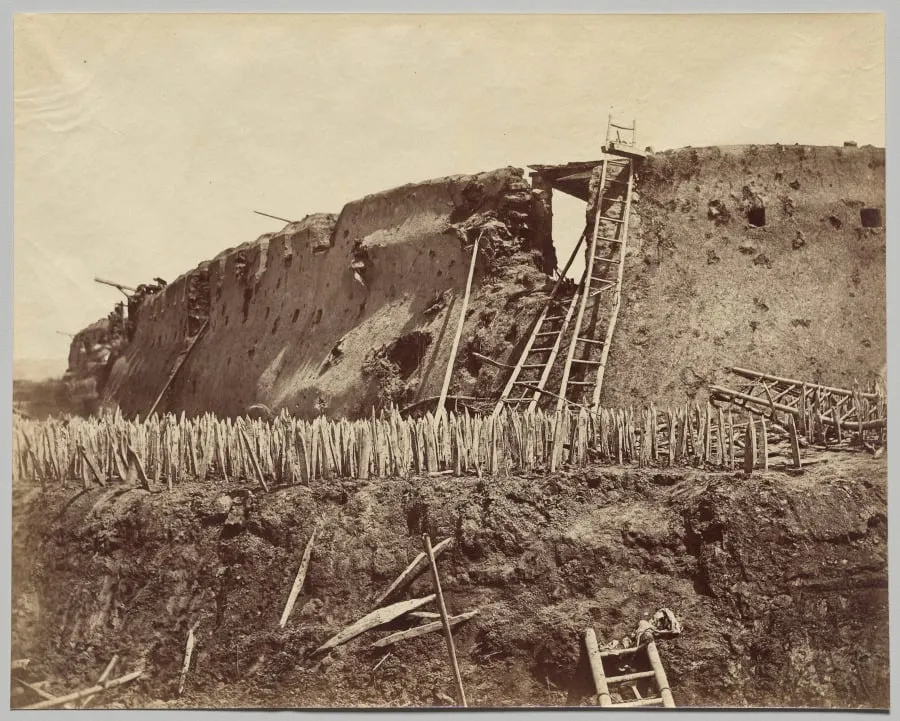
Angle of Taku Fort at which the French entered is a photography by the Impressionist artist Felice A. Beato. It dates from 1860 and is held in the collection of the Cleveland Museum of Art.
About this work
Overview
It captures a breached section of the fortification’s stone wall, its destruction fresh and unaltered.
This photograph, taken by Felice Beato in the immediate aftermath of the 1860 assault on the Taku Forts, is among the earliest known images documenting active combat operations. It captures a breached section of the fortification’s stone wall, its destruction fresh and unaltered. Beato’s presence on the battlefield marked a shift in photographic practice, as he moved beyond staged scenes to record the physical consequences of war as they unfolded.
Subject & Meaning
The image focuses on the jagged rupture in the fort’s wall, the result of Allied artillery fire. Rather than depicting soldiers or action, it conveys the violence of the assault through its aftermath. The stillness of the scene underscores the suddenness of destruction, transforming the ruined architecture into a silent witness to the conflict’s brutality. The photograph serves as a documentary record, not a glorification.
Technique & Style
Beato employed wet-plate collodion photography, a process requiring rapid exposure and on-site development. The monochrome tonality and sharp detail reflect the technical constraints of the medium, yet the composition is deliberate: the fractured stone dominates the frame, drawing attention to the scale of damage. Shadows deepen the texture of debris, enhancing the sense of immediacy and physical presence.
History & Provenance
Taken during the British and French campaign to force open Chinese ports, the photograph belongs to a series Beato produced following the fall of the Taku Forts in August 1860. He accompanied the advancing Allied forces, documenting key sites after their capture. These images were later sold as albumen prints in Europe and Asia, circulating as both journalistic records and colonial souvenirs.
Context
Beato’s work emerged during a period when photography was beginning to be used for historical documentation. His approach—arriving at battle sites shortly after combat—set a precedent for war reporting. Unlike earlier depictions of war through painting or engraving, his photographs offered unmediated evidence of destruction, influencing later photographers during the American Civil War and beyond.
Legacy
The photograph’s directness and temporal proximity to the event established a model for visual war reporting. While later techniques like impasto in painting are unrelated, Beato’s method of capturing aftermath as narrative influenced documentary photography’s evolution. His Taku Fort images remain among the first sustained visual chronicles of modern warfare’s material toll.
Artist & collection
Artist
Felice A. Beato and Felice Antonio Beato are collective signatures used by the brothers Felice Beato and Antonio Beato, who were both pioneering photographers in the 19th century. They were noted for their depictions of…

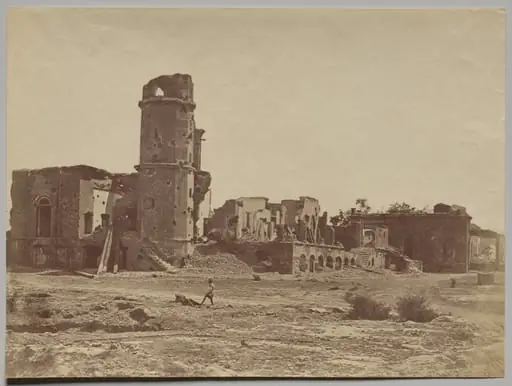 The Residency, Taken from the Redan Battery
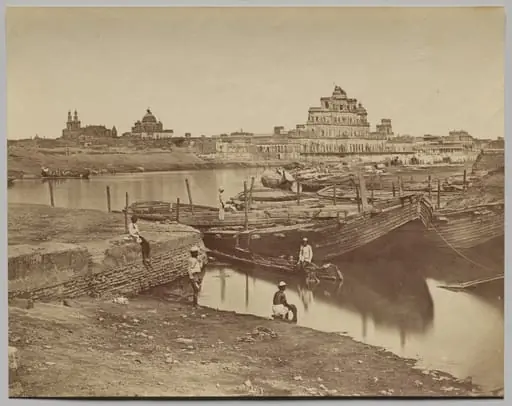 Bridge of Boats over the Gumti River near the Chattar Manzil and Fusseed Bakah or Old Palace
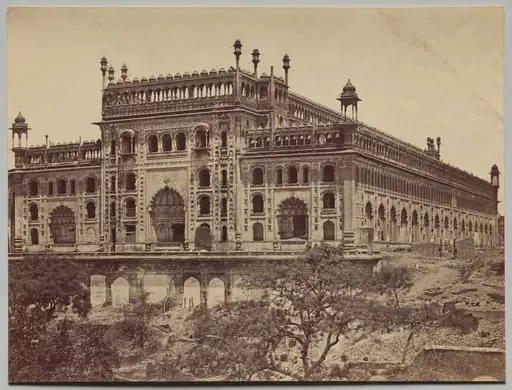 Exterior of Asaf-ud-Daula's Imambara, or Tomb
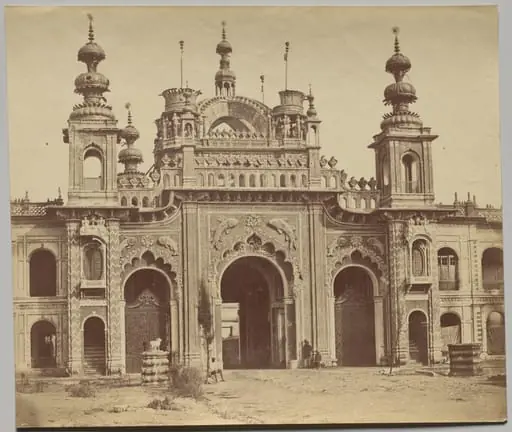 The Great Gateway of the Kasierbagh
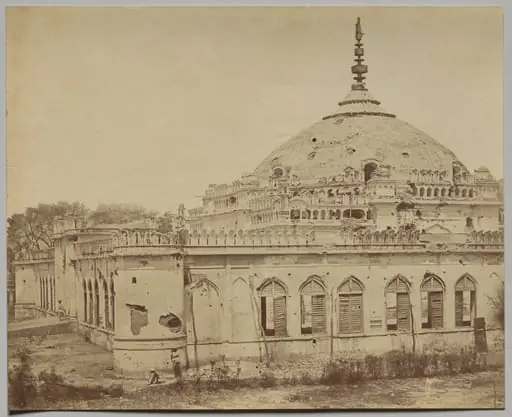 Shah Najaf
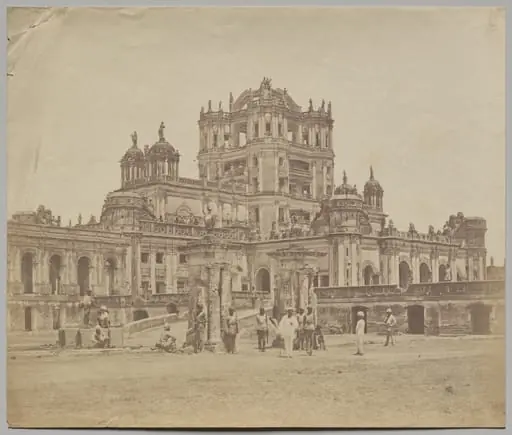 The Martinière College
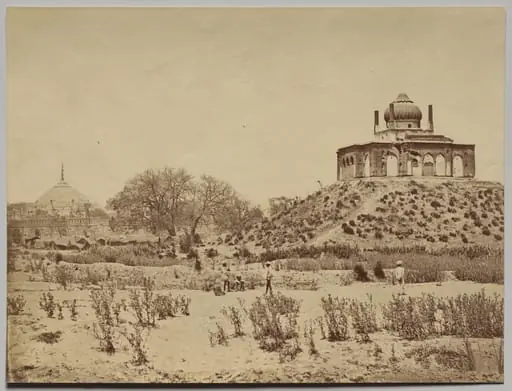 The Kudmsee Russol
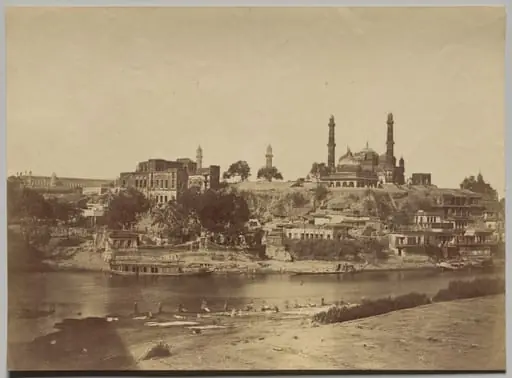 The Muchee Bhawan Fort and the Gomti River Taken from the Stone Bridge
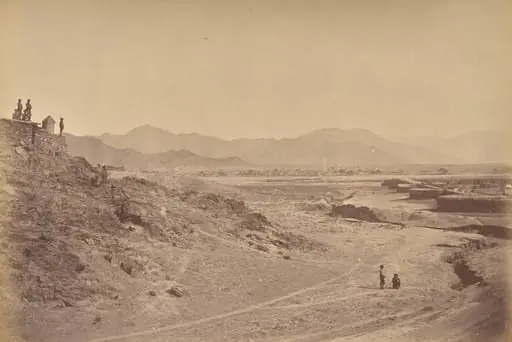 Dakka Fort and Lalpura
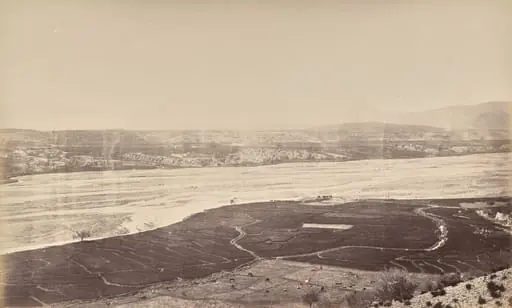 Chinak, Looking Towards the Kurram River
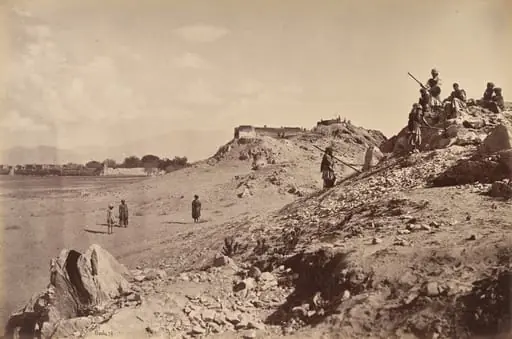 Jellalabad, Pipers Hill
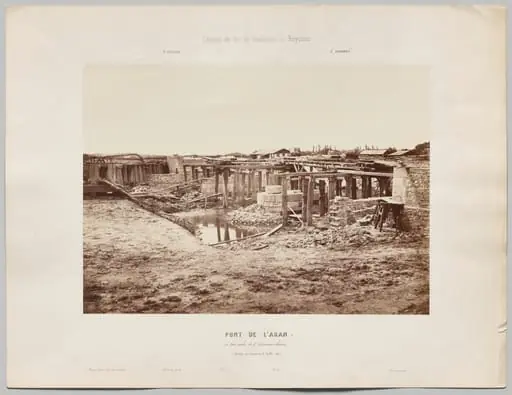 Chemin de fer de Toulouse à Bayonne. Pont de l'Aran (en trois arches de 17m d'ouverture chacune). Situation des travaux au 21 juillet 1861
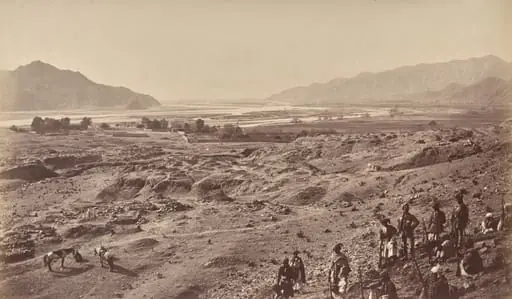 River Gorge Above Lalpura
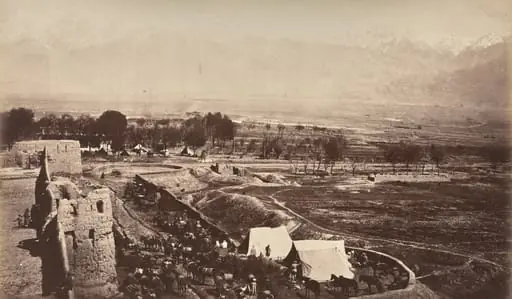 Landi Kotal, The Camp, Looking South
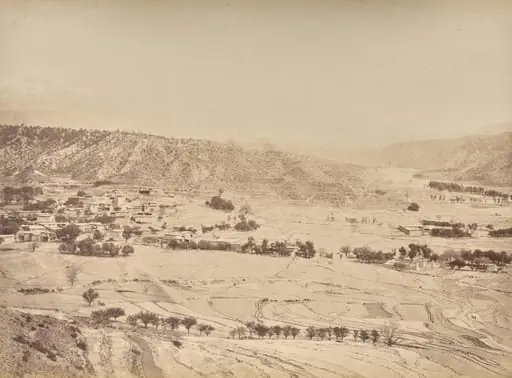 Ali Keyl, Pewar Kotal
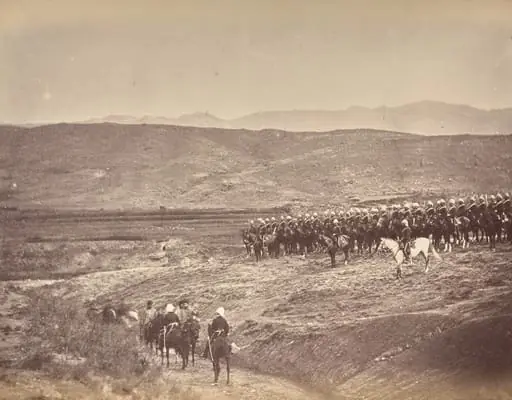 The Amir Yakub Khan. The First Meeting with Major Cavagnari and Mr. Jenkins, 7 Miles from Safed Sang
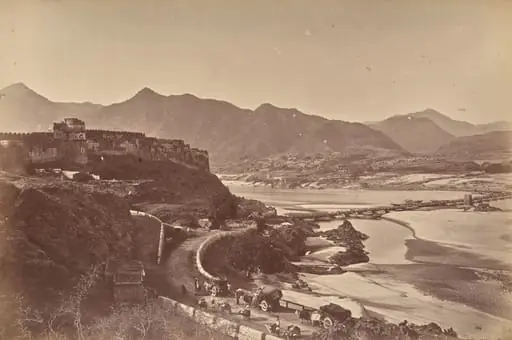 Fort Attock with Bridge of Boats and Khairabad
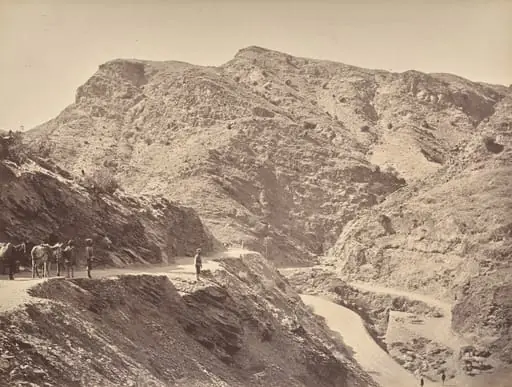 Landi Kotal Pass
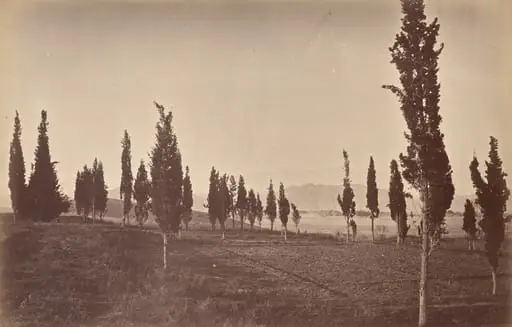 Birds Eye View of Jellalabad, from the Springs