Artwork
Charles-Gaspard-Guillaume de Vintimille du Luc, Archbishop of Paris
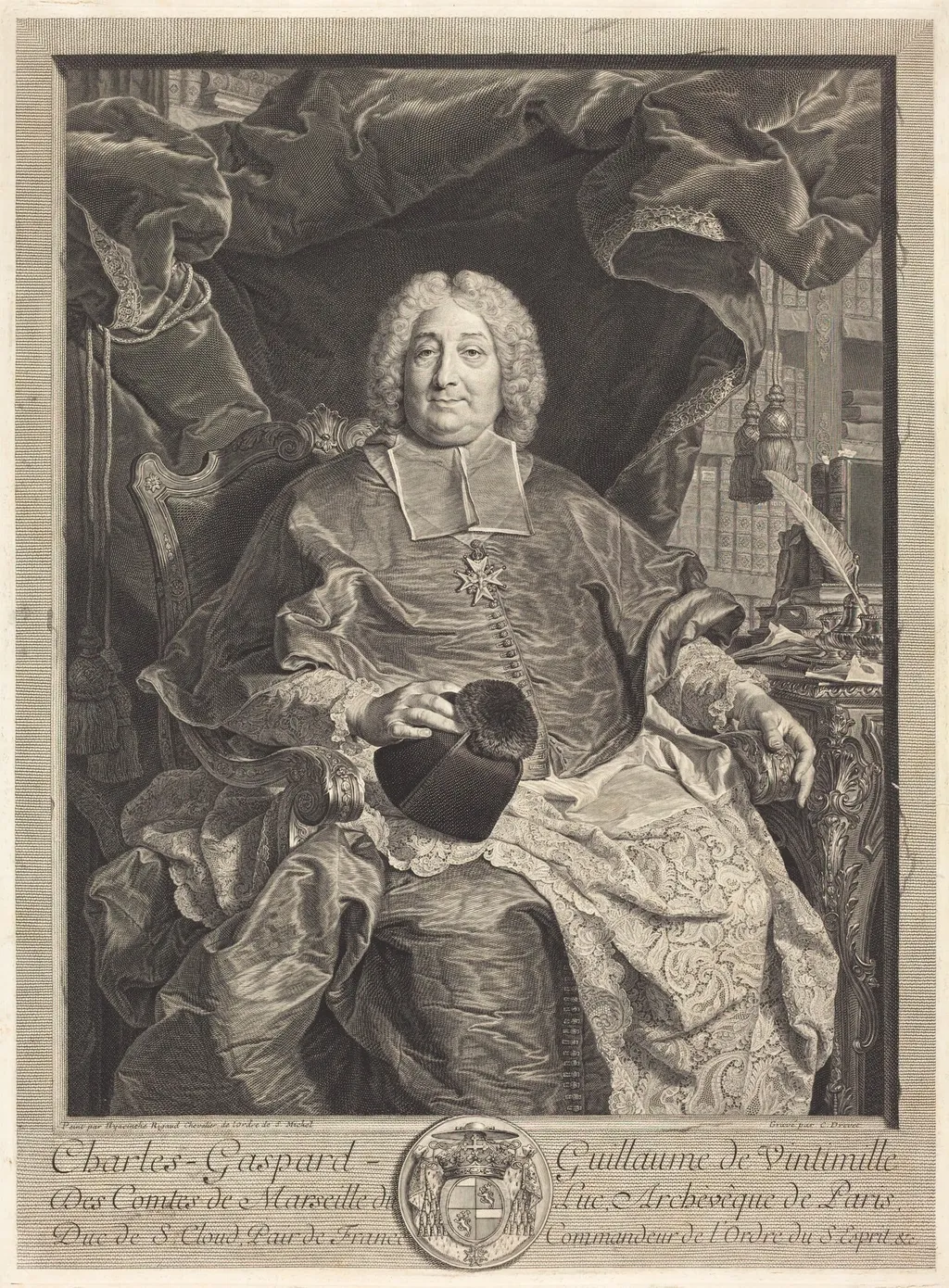
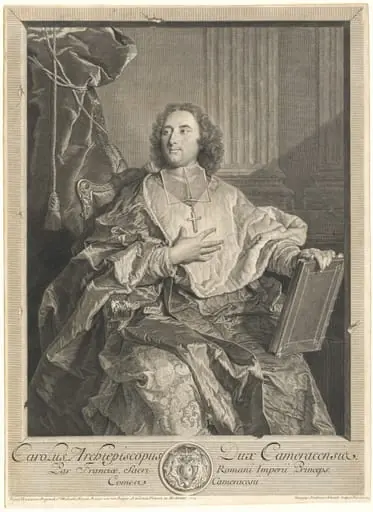
Charles-Gaspard-Guillaume de Vintimille du Luc, Archbishop of Paris is an ink print by the Baroque artist Claude Drevet. It dates from 1739 and is held in the collection of the National Gallery of Art.
About this work
Overview
Executed in fine line work typical of 18th-century portraiture, the print captures the archbishop in formal ecclesiastical dress.
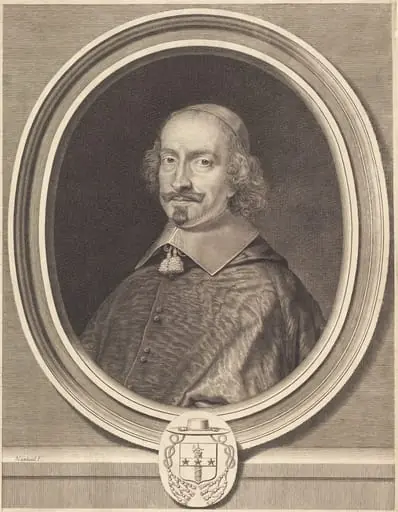
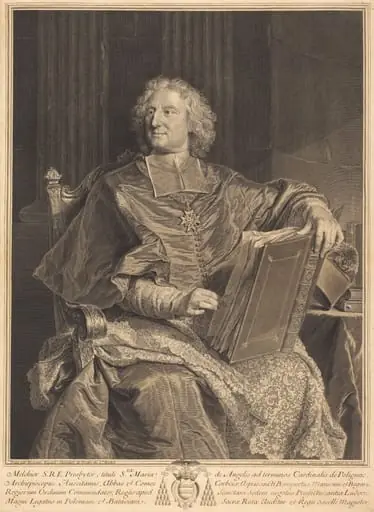
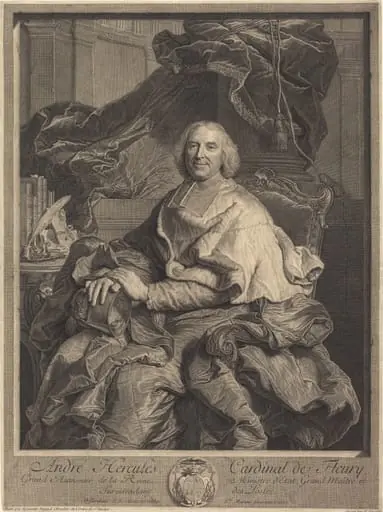
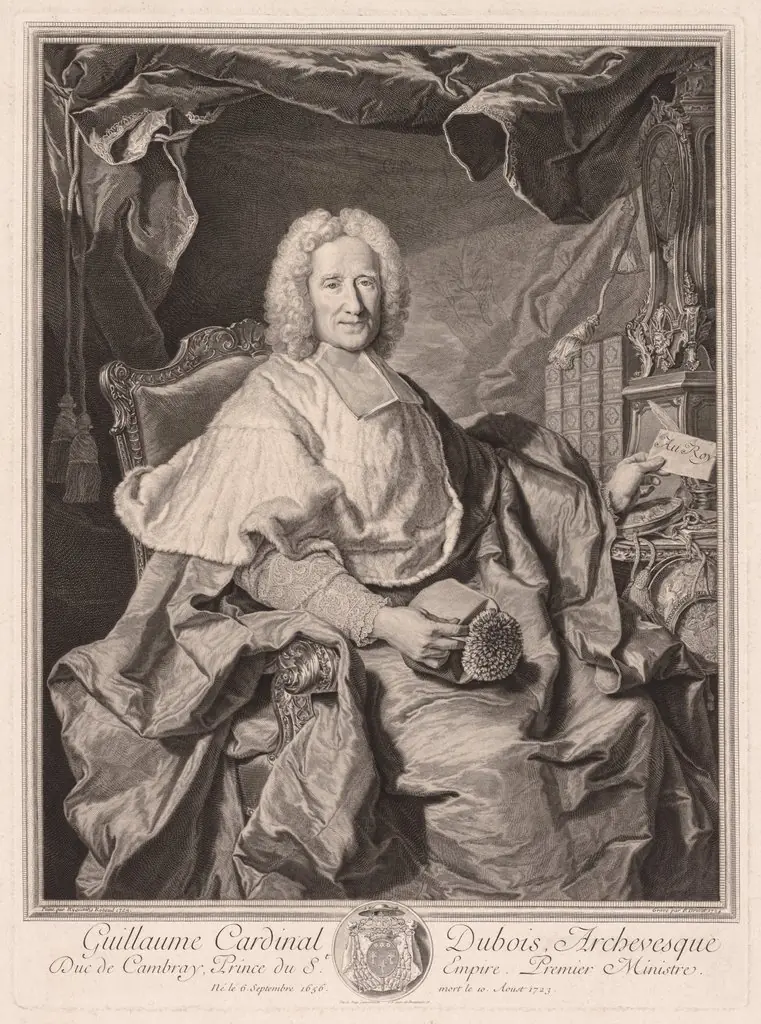
This 1739 engraving by Claude Drevet portrays Charles-Gaspard-Guillaume de Vintimille du Luc, Archbishop of Paris. Executed in fine line work typical of 18th-century portraiture, the print captures the archbishop in formal ecclesiastical dress. The composition emphasizes his dignified bearing and high office, rendered through precise detailing rather than color. As a print, it was likely produced for distribution among clergy or aristocratic circles.
Subject & Meaning
The subject, Archbishop de Vintimille du Luc, is depicted with a solemn expression, reflecting the gravity of his ecclesiastical role. His attire—richly detailed robes, a wide-brimmed hat, and a pastoral staff—signals his rank within the Catholic hierarchy. The portrait avoids ornamentation, focusing instead on the authority and composure of the individual, aligning with the conventions of clerical portraiture in early modern France.
Technique & Style
Claude Drevet employed fine, controlled engraving lines to render texture and form, particularly in the folds of fabric and the contours of the archbishop’s face. The contrast between light and shadow is subtle, achieved through hatching and cross-hatching rather than tone. The face is rendered with particular care, drawing the viewer’s attention to the subject’s expression, while the background remains minimal to preserve focus.
History & Provenance
Created in 1739, the engraving was made during de Vintimille du Luc’s tenure as Archbishop of Paris, a position he held from 1729 until his death in 1746. Such portraits were often commissioned for institutional use or private collections. Drevet, a noted engraver in the French royal court, frequently reproduced portraits of clergy and nobility, suggesting this work may have been part of a broader effort to document ecclesiastical leadership.
Context
In early 18th-century France, the Church wielded considerable political and cultural influence. Portraits of high-ranking clergy served both devotional and propagandistic purposes, reinforcing their authority through visual representation. Engravings like this one allowed for wider dissemination than painted portraits, making them valuable tools for maintaining the Church’s public image during a period of increasing secular scrutiny.
Legacy
Claude Drevet’s engraving remains a documented example of ecclesiastical portraiture from the ancien régime. While not widely exhibited today, it contributes to the historical record of how religious authority was visually constructed in pre-revolutionary France. The work reflects the technical precision of French engraving traditions and the enduring role of print in shaping perceptions of power.
Artist & collection