Artwork
Louis-Alexandre de Bourdon, comte de Toulouse
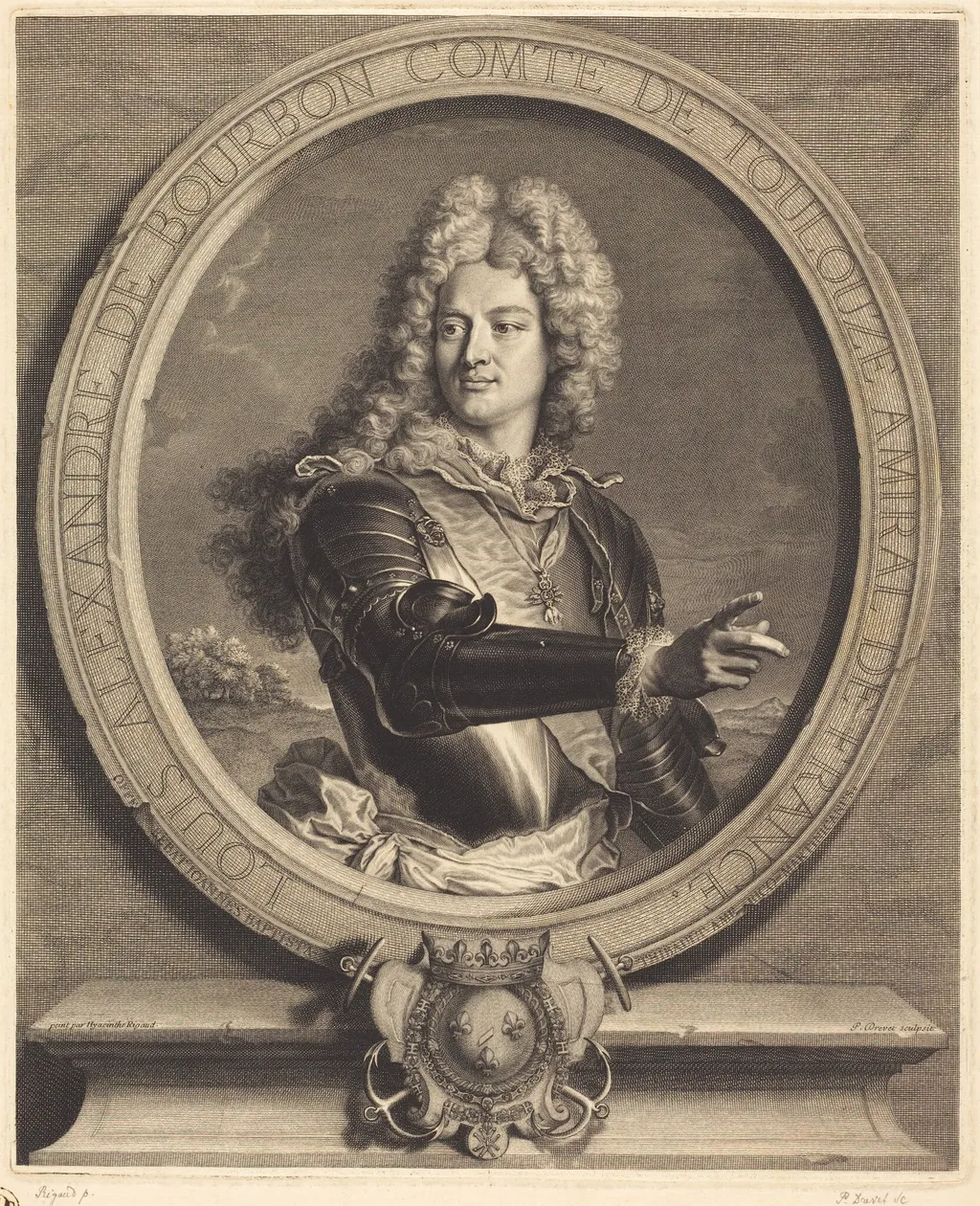
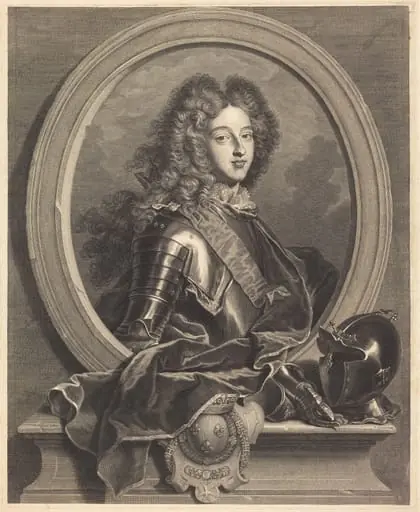
Louis-Alexandre de Bourdon, comte de Toulouse is an ink print by the Baroque artist Pierre Drevet. It dates from 1714 and is held in the collection of the National Gallery of Art.
About this work
Overview
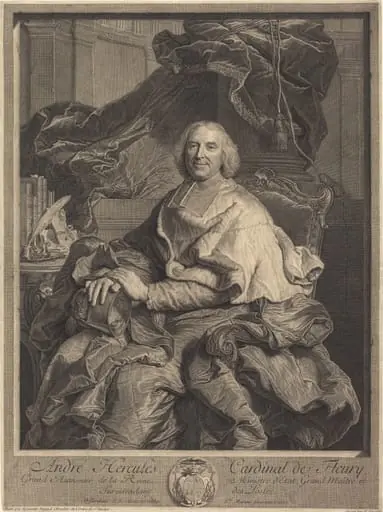
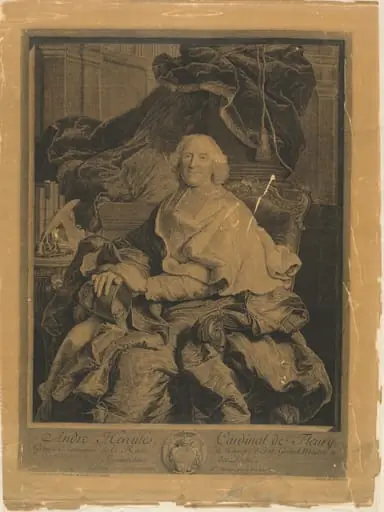
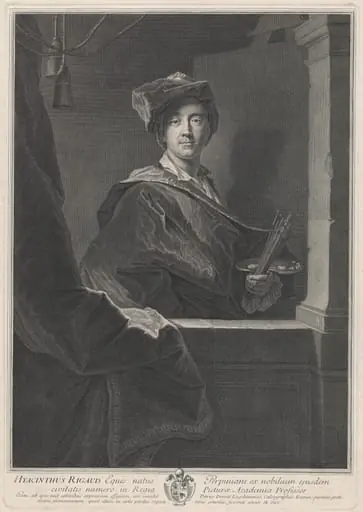
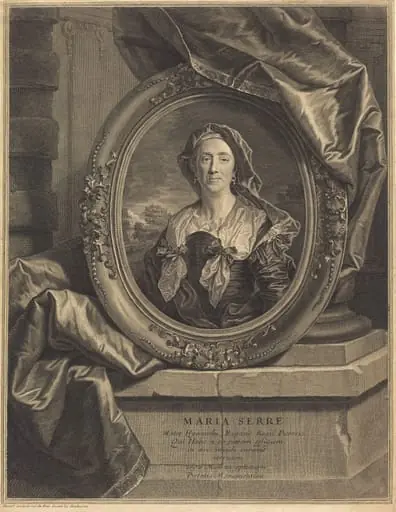
The 1714 engraving presents Louis‑Alexandre de Bourdon, comte de Toulouse, rendered in a formal pose typical of French aristocratic portraiture. Executed by Pierre Drevet, the image captures the count’s dignified bearing through meticulous line work and careful shading, emphasizing his status within the early‑18th‑century French nobility.
Subject & Meaning
The portrait focuses on the comte de Toulouse, a member of the French aristocracy, shown in elaborate court dress that signals his rank and wealth. His composed expression and upright stance convey the ideals of decorum and authority expected of a high‑ranking nobleman during the reign of Louis XIV.
Technique & Style
Drevet employs fine, intersecting lines and varied hatching to model the figure’s features and the textures of fabric and ornamentation. The dense network of strokes creates a sense of depth, while subtle tonal gradations suggest the sheen of silk and the intricacy of decorative elements, reflecting the technical precision characteristic of the Drevet engraving tradition.
History & Provenance
Pierre Drevet, part of a distinguished lineage of French portrait engravers active for over a century, produced this print shortly after the count’s prominence at court. The work was likely circulated among the aristocracy and collectors of the period, serving both as a visual record of the individual and as an example of the family’s enduring reputation in portrait engraving.
Artist & collection
Artist
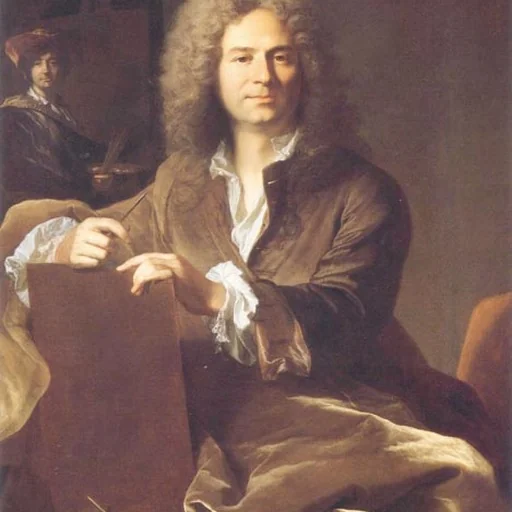
The Drevet Family were leading portrait engravers of France for over a hundred years. Their fame began with Pierre, and was sustained by his son, Pierre-Imbert, and by his nephew, Claude.