Artwork
Diana and Callisto
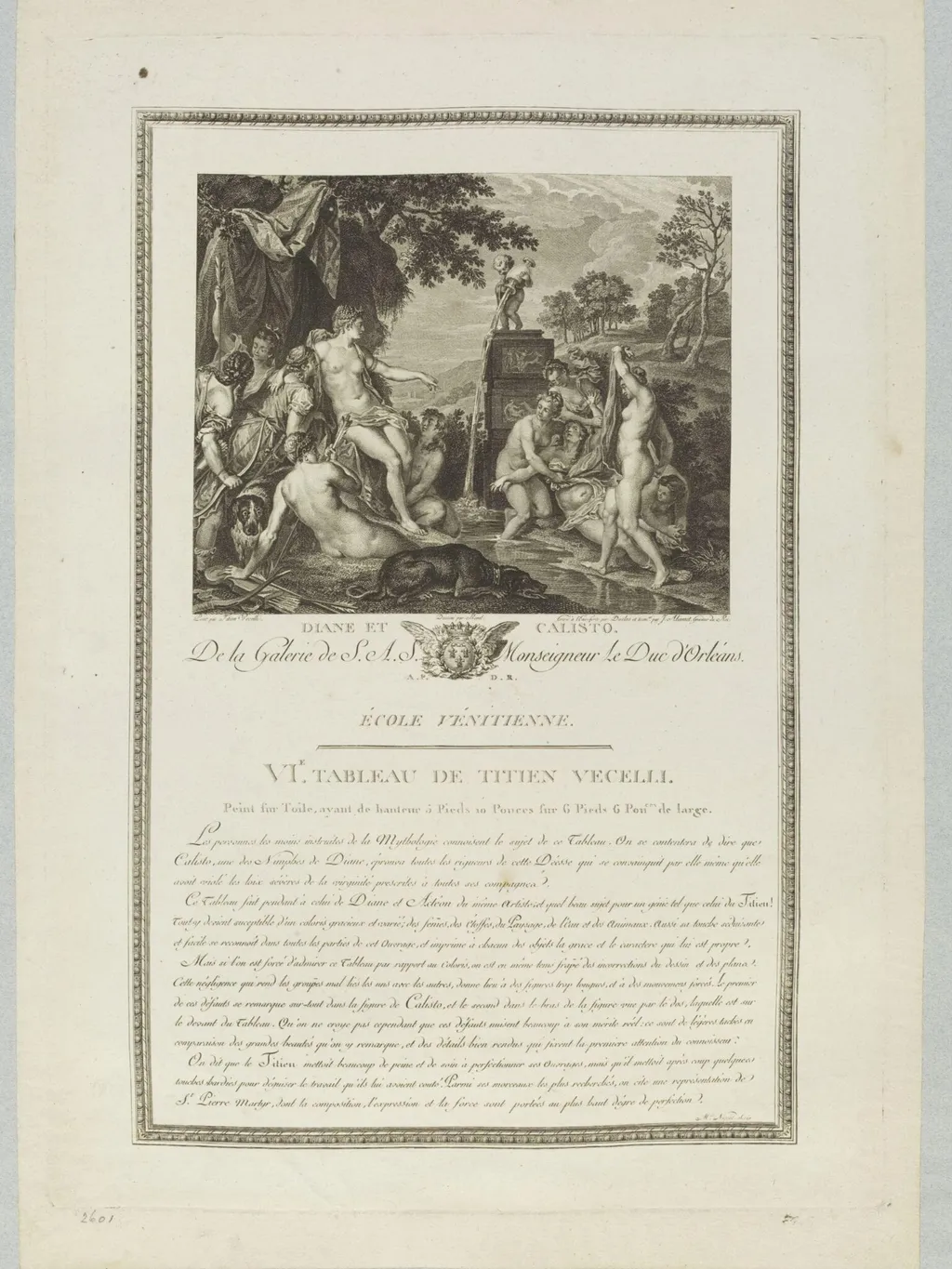
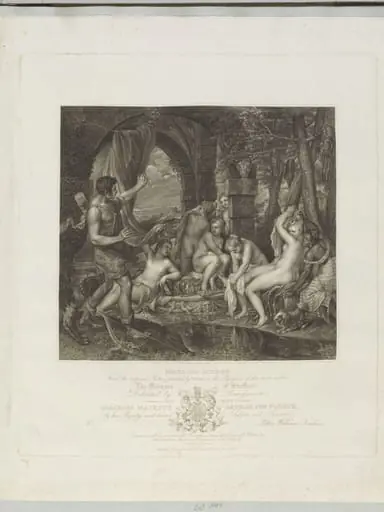
Diana and Callisto is a print by Antoine-Jean Duclos. It dates from 1750 and is held in the collection of the Victoria and Albert Museum.
About this work
Overview
Antoine‑Jean Duclos created a paper print titled *Diana and Callisto* after a composition by Titian, with the final engraving executed by J. Aliamet. The work translates a mythological episode into a dramatic, high‑contrast image that emphasizes the tension between the two central female figures.
Subject & Meaning
The scene depicts the goddess Diana confronting the nymph Callisto, who is shown kneeling and unclothed, her expression one of fear. The narrative derives from the classical myth in which Diana, offended by Callisto’s breach of chastity, administers punishment, a theme reflected in the looming, temple‑like backdrop and the attentive onlookers.
Technique & Style
Duclos’s print employs a strong chiaroscuro effect, with deep shadows juxtaposed against illuminated forms to heighten the drama. The engraving, carried out by Aliamet, renders fine details in foliage, drapery, and the surrounding figures—both human and animal—showcasing the precision typical of 18th‑century French printmaking.
History & Provenance
The image is a reproduction of Titian’s earlier composition, a common practice in which French artists reproduced Italian masterpieces for broader circulation. While the exact date of Duclos’s version is not recorded here, its creation aligns with the period when such cross‑national artistic exchanges were prevalent.
Context
Set within a forested landscape, the print situates the myth in a natural environment that underscores Diana’s role as huntress. The dark, cloud‑filled sky and the architectural element in the distance contribute to a sense of impending judgment, echoing the moral undertones of the original narrative.
Artist & collection


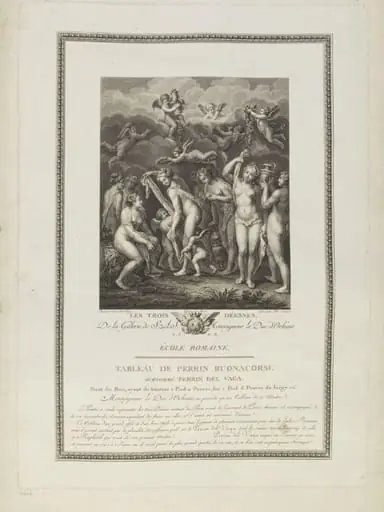 The Three Goddesses
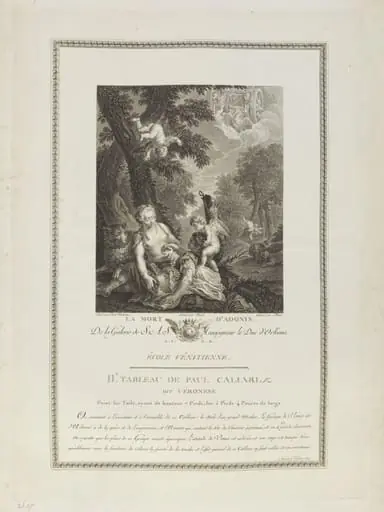 Death of Adonis
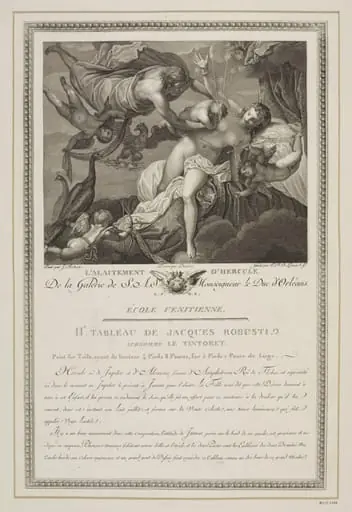 The Suckling of Hercules
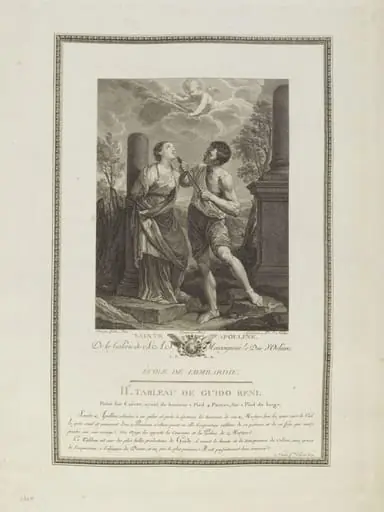 The Martyrdom of St. Apollonia
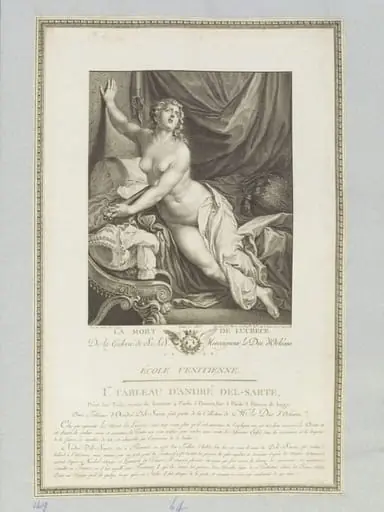 The Death of Lucretia
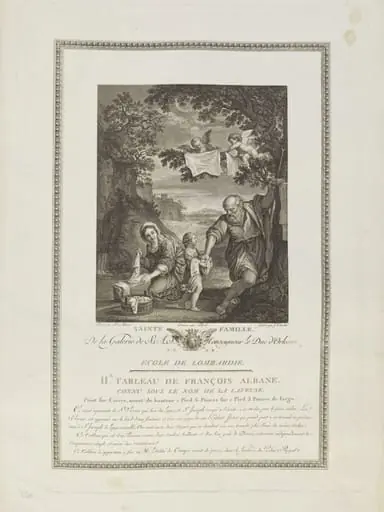 Holy Family
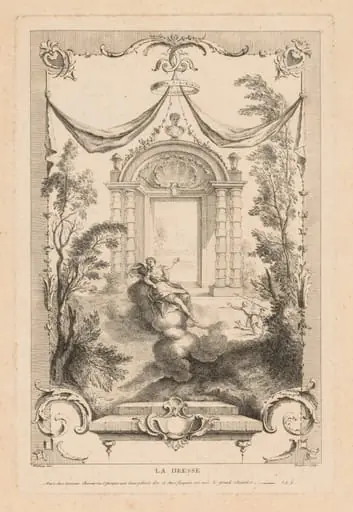 The Goddess, Diana on the Clouds
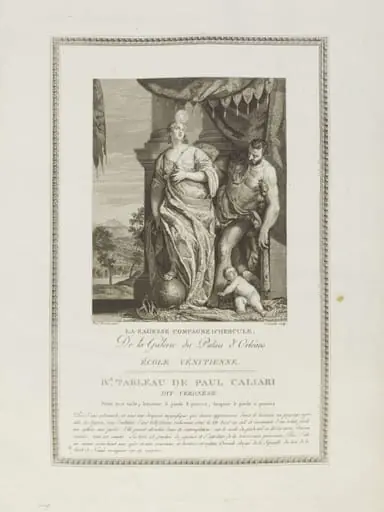 La Sagesse Compagne d'Hercule
 Art of the Lithograph: Albanian, Plate XVIII
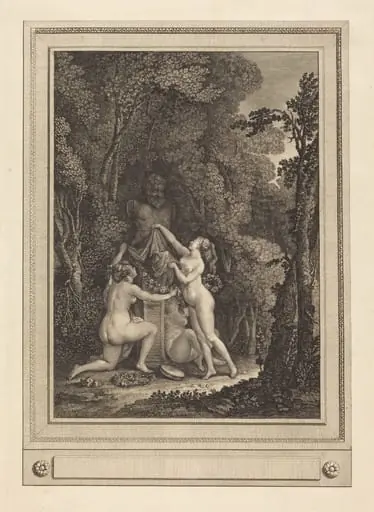 Les nymphes scrupuleuses
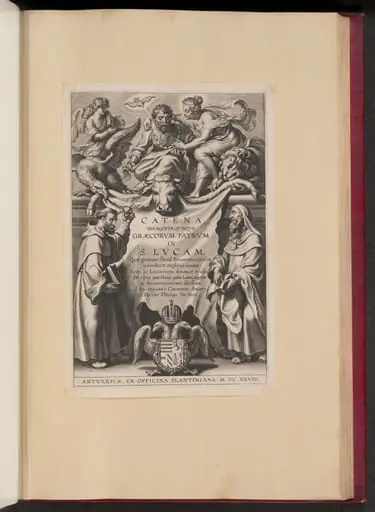 Title Page for Balthasar Cordier, Catena Sexaginta Qvinqve Graecorvm Patrvm in S. Lvcam...
 Diana and Actæon