Artwork
Title Page for Balthasar Cordier, Catena Sexaginta Qvinqve Graecorvm Patrvm in S. Lvcam...
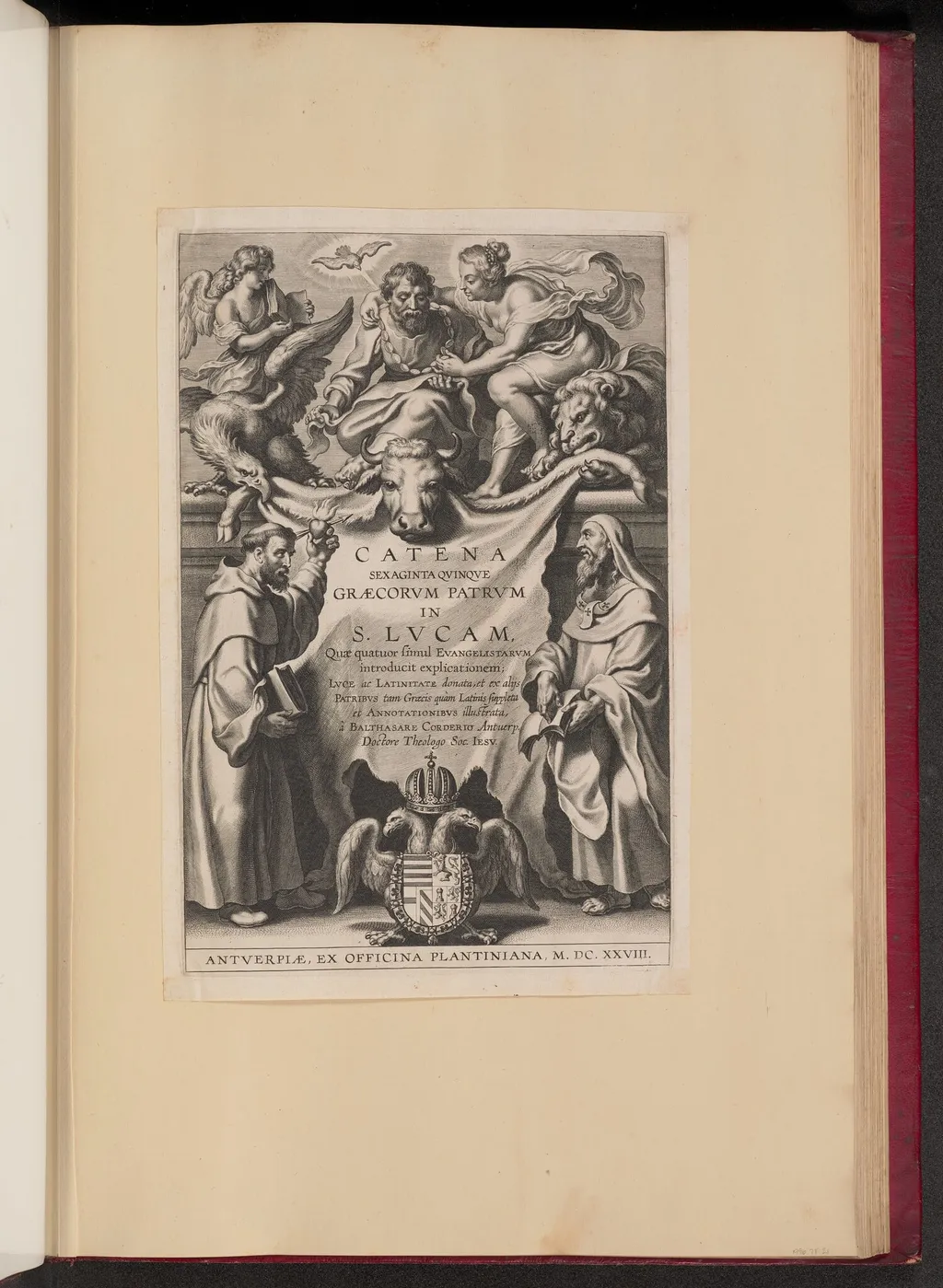
Title Page for Balthasar Cordier, Catena Sexaginta Qvinqve Graecorvm Patrvm in S. Lvcam... is an ink print by the Baroque artist Cornelis Galle I. It dates from 1628 and is held in the collection of the National Gallery of Art.
About this work
Overview
This 1628 engraving, executed on laid paper, serves as the title page for Balthasar Cordier’s collection of sixty‑five Greek patristic texts. The composition is densely populated, featuring two robed figures holding books and a crown beneath a tumult of angels, mythic animals, and allegorical characters, all framed by an elaborate coat of arms.
Subject & Meaning
The central figures appear to represent scholarly authority, while the surrounding celestial and bestial elements evoke the transmission of early Christian doctrine amid both divine and worldly forces. The Latin inscription identifies the work as a compilation of early Christian writings, linking the visual program to the intellectual content of Cordier’s volume.
Technique & Style
Engraved by Cornelis Galle the Elder, the image displays the precise line work and fluid handling characteristic of Antwerp printmaking in the early seventeenth century. Galle’s skill in rendering intricate details—such as the tangled hair of the female figure and the texture of the animal fur—demonstrates his mastery of the burin on copper plates, later transferred to paper.
History & Provenance
Born in Antwerp in 1576, Galle trained under his father Philip before refining his craft in Rome and returning to his native city. He worked both as an engraver and a printseller, producing images after his own designs and those of other artists. This title page reflects his role in the commercial production of scholarly publications during the period.
Context
The work belongs to the vibrant Antwerp print culture that supplied illustrated books to a European readership. Its elaborate decorative scheme aligns with the Baroque taste for complexity and symbolism, while the inclusion of a coat of arms underscores the patronage networks that supported such publications.
Artist & collection

Artist
Cornelis Galle the Elder (1576 – 29 March 1650), a younger son of Philip Galle, was born at Antwerp in 1576, and was taught engraving by his father.

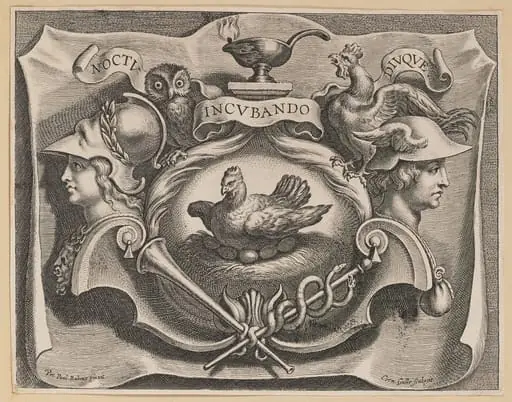 Vignette for the Title Page of Martinus Bonacina, Opera Omnia
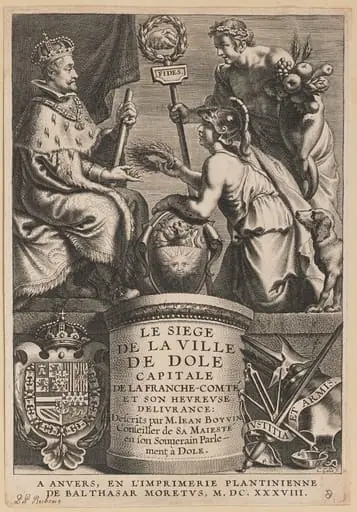 Title Page for Jean Boyvin, Le Siege de la Ville de Dole
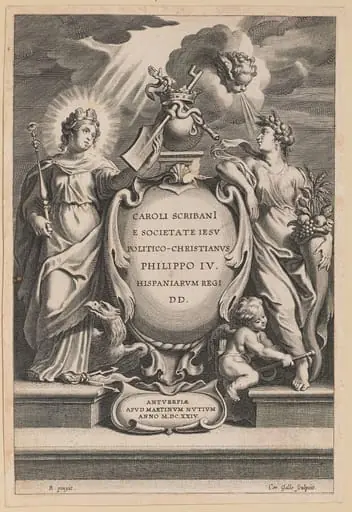 Title Page for Carolus Scribani, Politico-Christianus
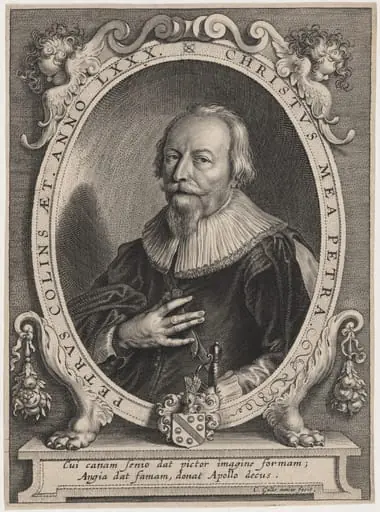 Petrus Collins
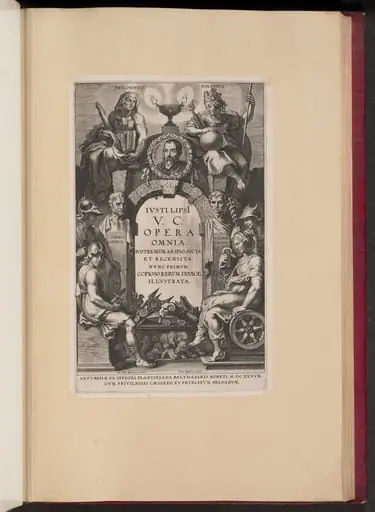 Title Page for Justus Lipsius, Opera Omnia, I
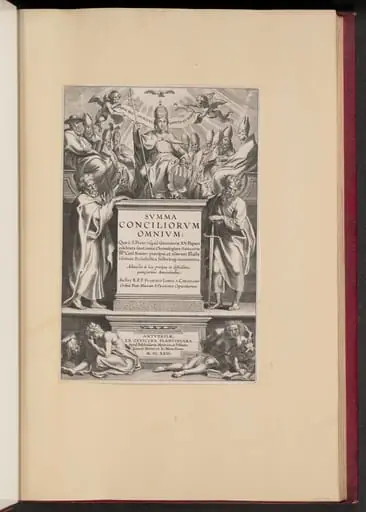 Title Page for F. Longo a Coriolano's "Svmma Conciliorvm Omnivm"
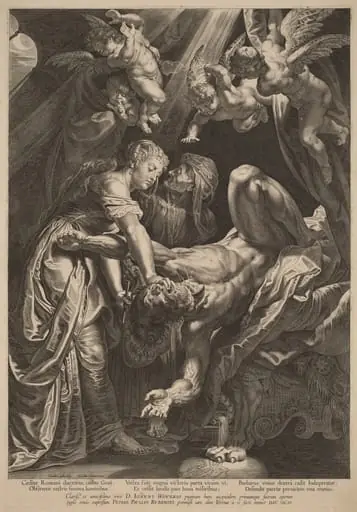 Judith Beheading Holofernes
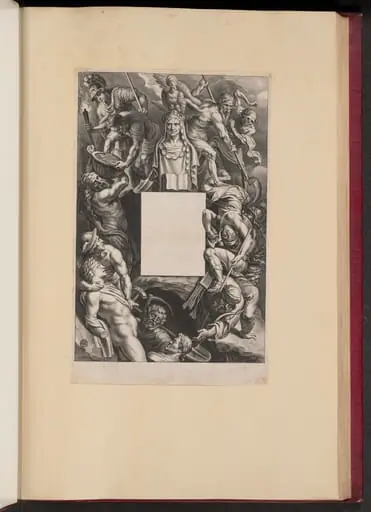 Title Page for Hubert Goltzius, Romanae et Graecae Antiqvitatis Monvmenta (Opera Omnia, I)
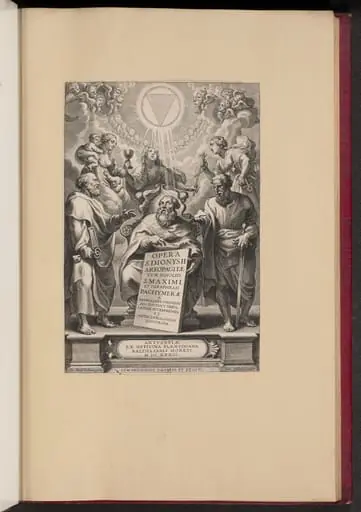 Title Page for Balthasar Cordier's "Opera S. Dionysii Areopagitae, I"
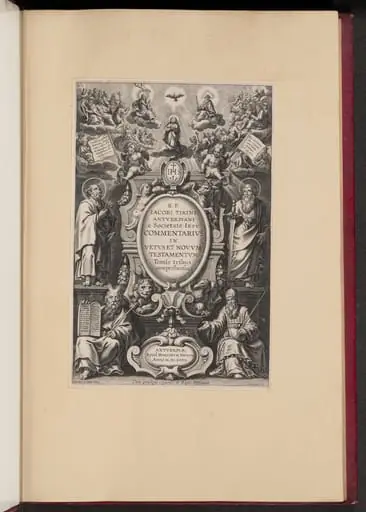 Title Page for R.P. Jacobi Tirini's "Commentarius in Vetvs et Novvm Testamentvm"
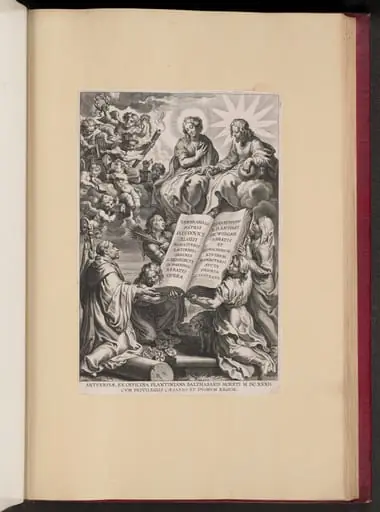 Title Page for Ludovicus Blosius, Opera
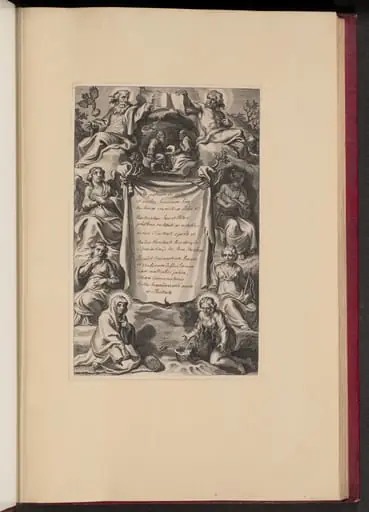 Title Page for Heribert Rosweyde's "Vitae Patrum"
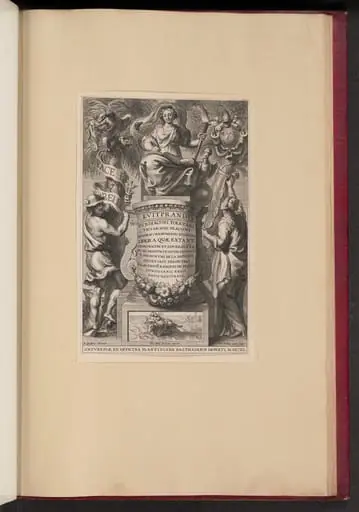 Title Page for Liutprand, Opera
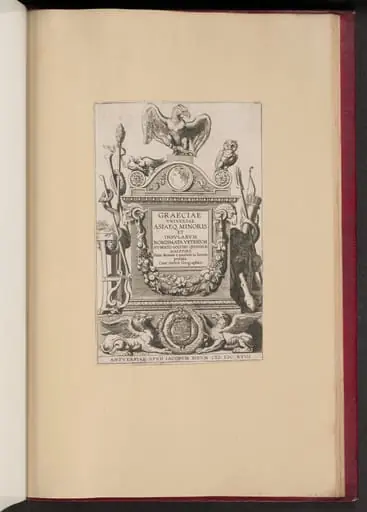 Title Page for Hubert Goltzius, Graeciae Vniversae Asiaeq. Minoris et Insularum Nomismata
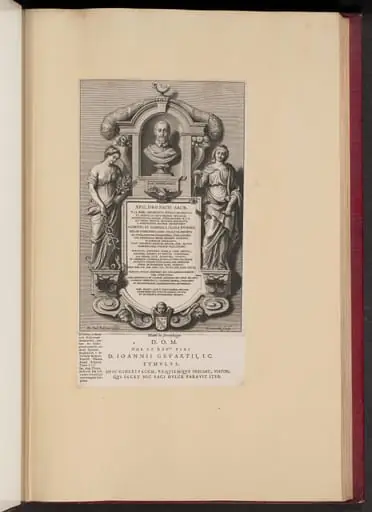 Epitaph of Claude Jean Gevaert
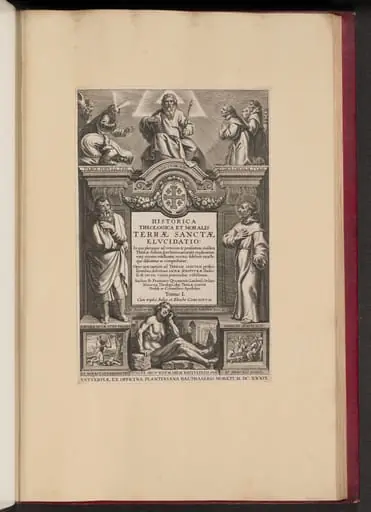 Title Page for Franciscus Aguilonius, Historica Theologica et Moralis Terrae Sanctae Elvcidatio
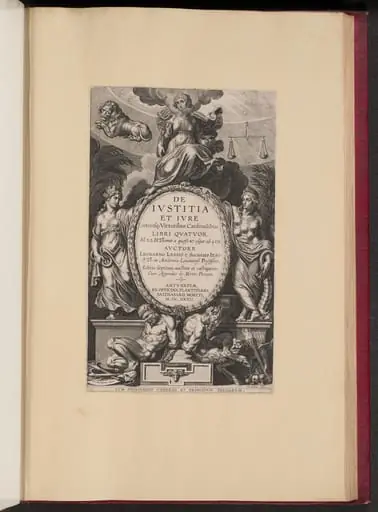 Title Page for Leonard Lessius, De Ivstitia et Ivre