Artwork
Princess Elizabeth
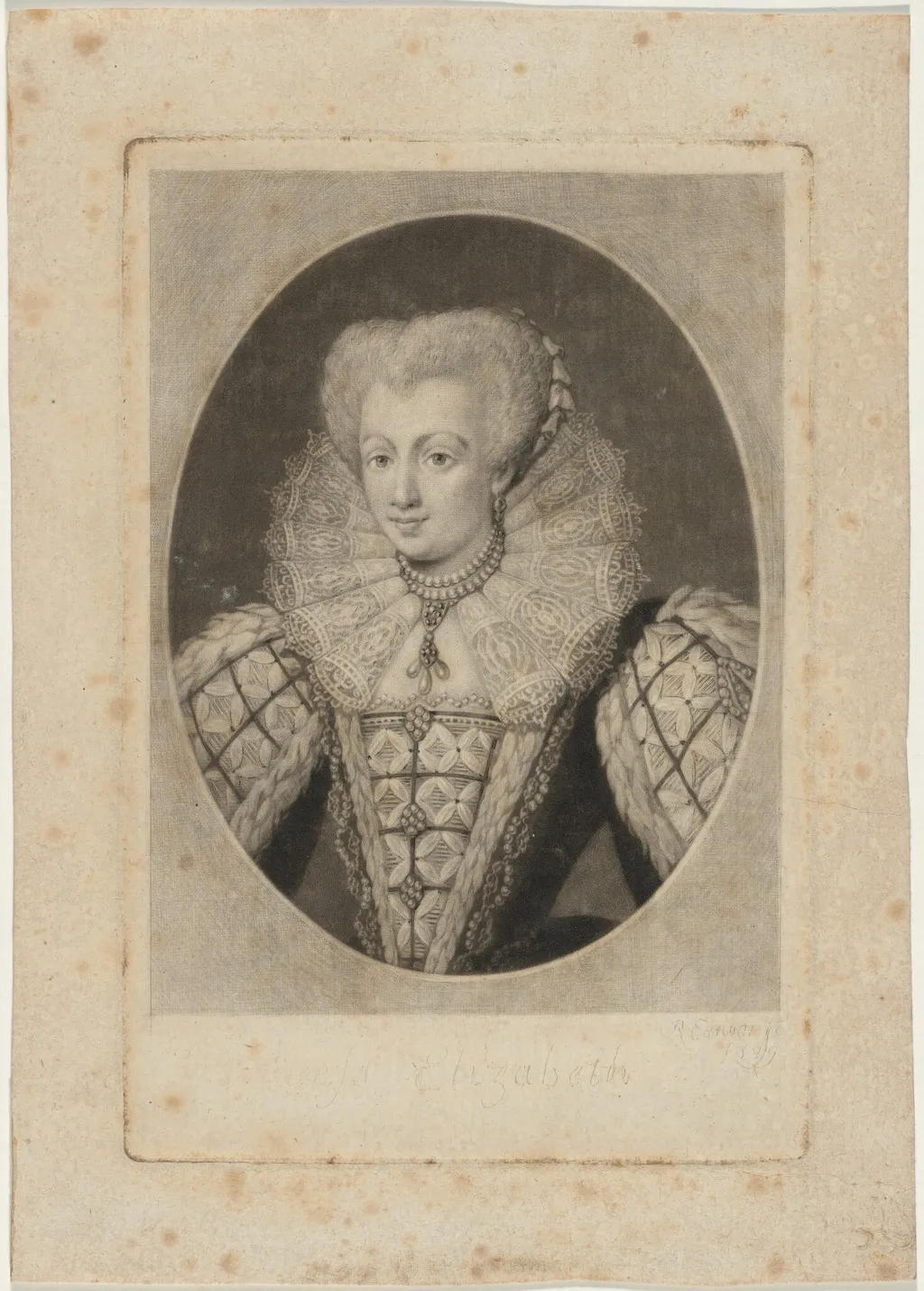
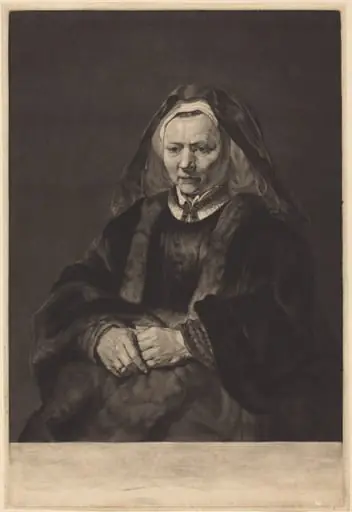
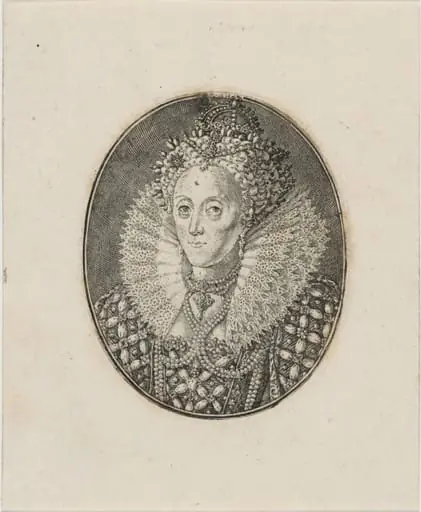
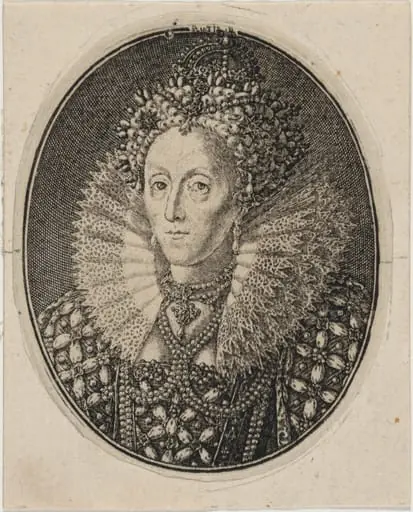
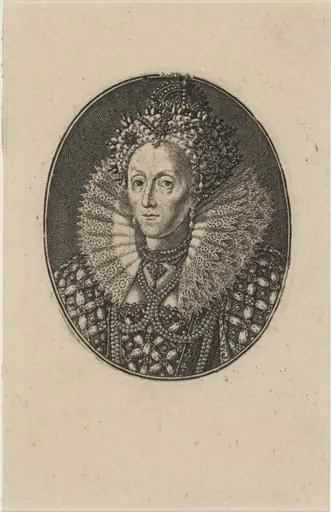
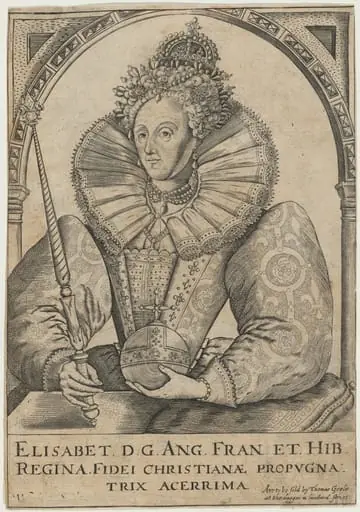
Princess Elizabeth is an ink print by the Baroque artist Richard Earlom. It dates from 1782 and is held in the collection of the National Gallery of Art.
About this work
Overview
Richard Earlom’s 1782 engraving presents a portrait of Princess Elizabeth. Rendered in monochrome, the image shows the young royal with light hair, a pale complexion, and a composed expression. She is dressed in a patterned gown with puffed sleeves, a high lace collar, and a pearl necklace, her hands placed gently on her chest.
Subject & Meaning
The work captures the aristocratic poise of Princess Elizabeth, emphasizing her status through refined attire and delicate accessories. The calm pose and modest gesture convey the ideals of femininity and decorum expected of a royal woman in the late eighteenth century, while the emphasis on clothing details reflects contemporary interest in fashion as a marker of identity.
Technique & Style
Earlom employed the engraving process, incising fine lines into a metal plate to produce tonal variations. The delicate hatching defines the texture of the lace collar and the folds of the dress, while cross‑hatching creates subtle shadows on the face and background. This meticulous line work exemplifies the precision characteristic of late‑Georgian printmaking.
History & Provenance
Created in 1782, the print was likely intended for circulation among collectors interested in royal portraiture. Richard Earlom, a noted English engraver, often reproduced works of other artists for wider distribution. The engraving has since appeared in several nineteenth‑century catalogues of British prints, indicating its continued presence in the market for historical portraiture.
Artist & collection