Artwork
Untitled
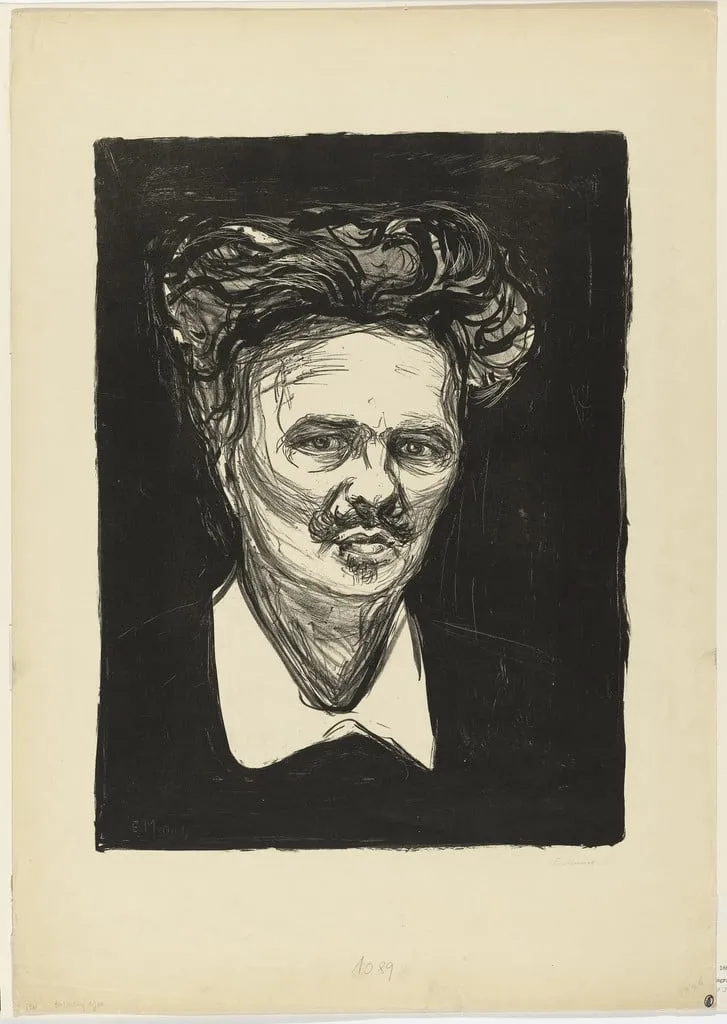
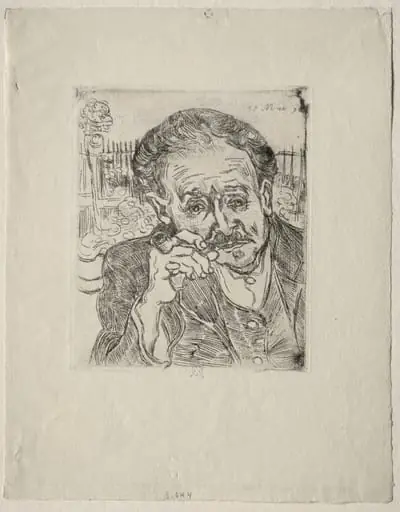
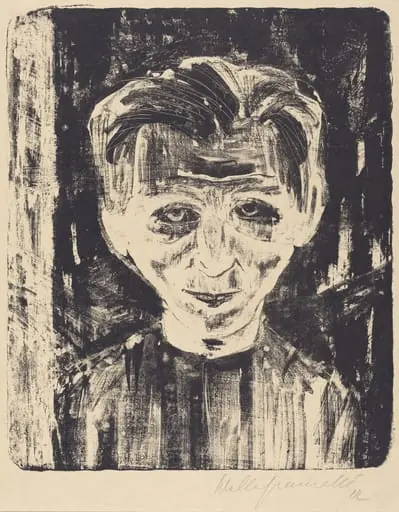
Untitled is an ink print by the Impressionist artist Edvard Munch. It dates from 1896 and is held in the collection of the Museum of Modern Art.
About this work
Overview
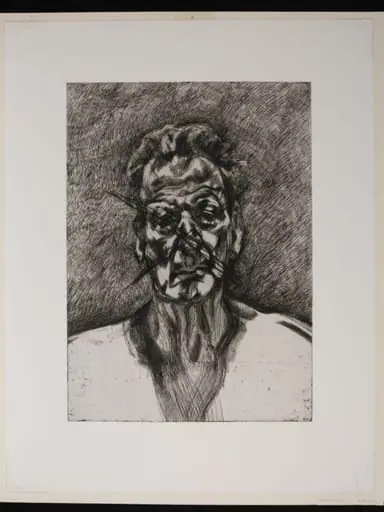
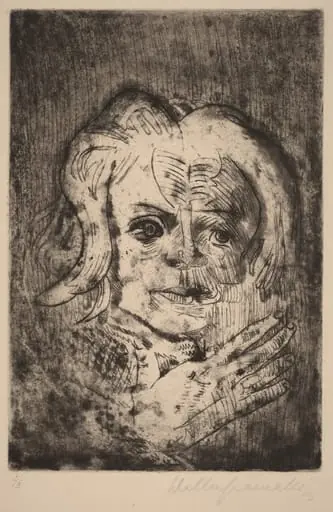
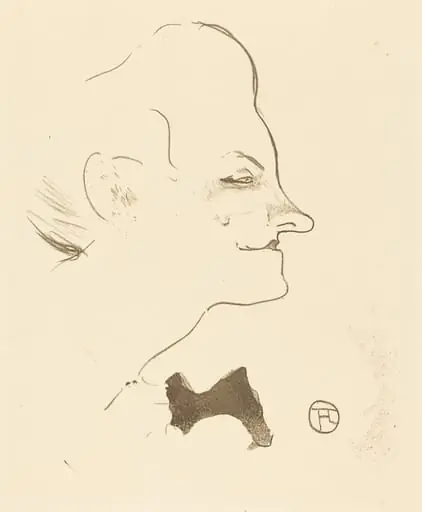
Executed in black ink on paper, it presents a close-up portrait of a man with a mustache and curly hair, rendered with bold, expressive lines.
Created in 1896, this lithograph by Edvard Munch is one of many graphic works exploring psychological depth. Executed in black ink on paper, it presents a close-up portrait of a man with a mustache and curly hair, rendered with bold, expressive lines. The dark background isolates the figure, emphasizing his intense gaze and somber demeanor. Unlike traditional portraiture, the image prioritizes emotional resonance over physical accuracy.
Subject & Meaning
The figure appears introspective, his direct gaze confronting the viewer with quiet unease. Munch often depicted individuals as vessels of inner conflict, and this portrait reflects his preoccupation with isolation and existential awareness. The man’s neatly trimmed mustache and disheveled hair suggest a tension between social conformity and inner disorder, aligning with Munch’s broader interest in the fragility of the self.
Technique & Style
Munch employed lithography to achieve sharp contrasts and textured line work, using coarse strokes to define facial features and hair. The absence of gradation or color heightens the starkness of the image. While the rendering shows attention to detail, the emphasis on emotional expression over naturalism aligns more closely with Symbolist and Expressionist tendencies than with Impressionism or Realism.
History & Provenance
This print was made during a period when Munch was deeply engaged with the Norwegian artistic community and the philosophical ideas of Hans Jæger, who urged artists to depict personal truth. The lithograph likely originated from Munch’s studio in Kristiania, where he produced numerous prints between 1895 and 1900. Its early circulation among collectors and institutions helped establish his reputation beyond painting.
Context
In the 1890s, Munch was part of a broader European shift toward psychological art, rejecting academic conventions in favor of subjective experience. His graphic works, including this lithograph, responded to contemporary anxieties about identity, mortality, and alienation. The medium of print allowed him to disseminate these themes widely, reaching audiences beyond the traditional gallery system.
Legacy
This lithograph exemplifies Munch’s role in redefining portraiture as a vehicle for emotional inquiry. Its influence extended to later Expressionist artists who valued raw psychological depiction over idealized form. Though less famous than his paintings, his graphic works remain central to understanding his artistic vision and the evolution of modern printmaking.
Artist & collection
Artist
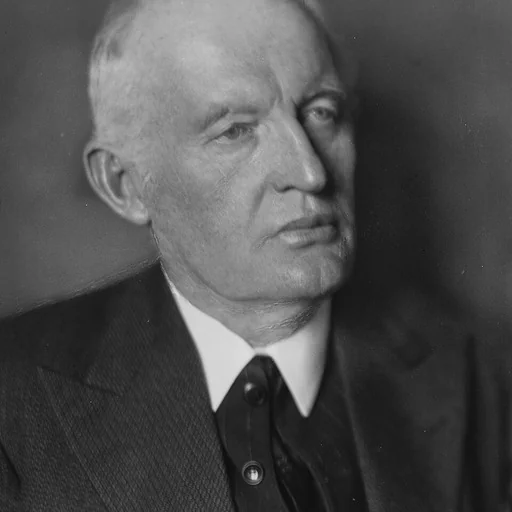
Edvard Munch ( MUUNK; Norwegian: ; 12 December 1863 – 23 January 1944) was a Norwegian painter.