Artwork
Portfolio I, Plate 18: Chideh-Apache
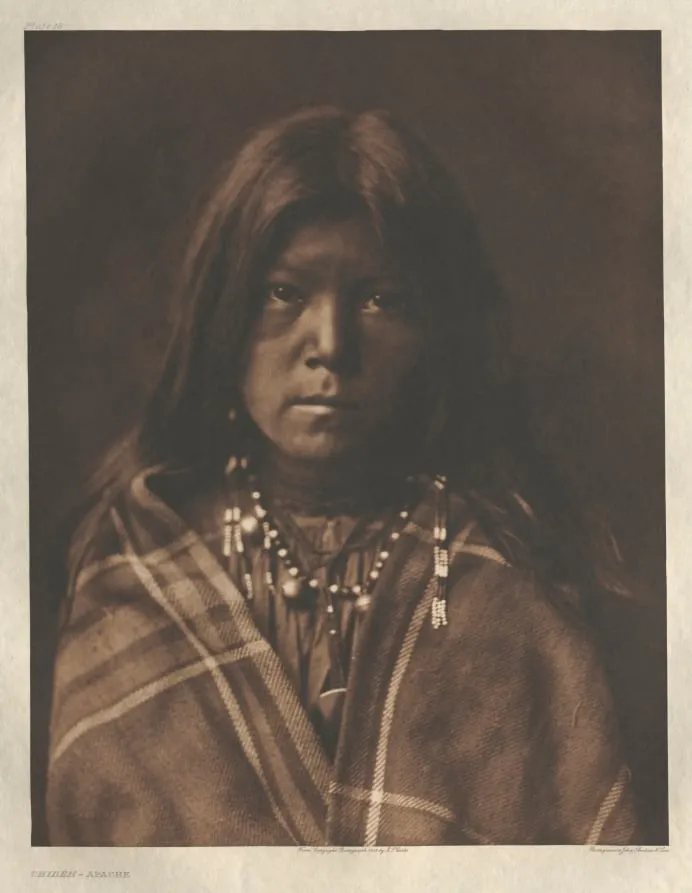
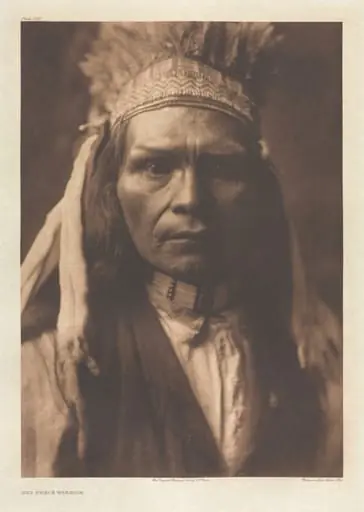
Portfolio I, Plate 18: Chideh-Apache is a work on paper by Edward S. Curtis. It dates from 1903 and is held in the collection of the Cleveland Museum of Art.
About this work
Overview
Portfolio I, Plate 18: Chideh-Apache is a photographic print from Edward S. Curtis’s larger project documenting Indigenous peoples of North America. Created in 1903, it is one of many images in his ethnographic series. The work is part of the collection at The Cleveland Museum of Art, where it is preserved as a historical record of visual anthropology and early 20th-century photographic practice.
Subject & Meaning
Curtis’s framing emphasizes personal identity over stereotype, though the image remains shaped by the era’s ethnographic conventions.
The subject is a member of the Chiricahua Apache people, portrayed with dignity and stillness. Dressed in traditional regalia including beaded necklaces and a woven blanket, the individual’s gaze meets the viewer directly. Curtis’s framing emphasizes personal identity over stereotype, though the image remains shaped by the era’s ethnographic conventions. The quiet intensity of the portrait invites contemplation of cultural presence rather than narrative.
Technique & Style
Curtis employed soft, diffused lighting to model the subject’s facial features and the texture of the blanket, using chiaroscuro to create depth without harsh contrast. The dark, uncluttered background isolates the figure, drawing attention to fine details: the weave of the fabric, the arrangement of beads, and the fall of long hair. The image was likely made using a large-format camera and long exposure, typical of Curtis’s meticulous studio process.
History & Provenance
This photograph was produced during Curtis’s decade-long expedition to document Native American cultures, funded by private patrons including J.P. Morgan. Plate 18 was published in his multi-volume work The North American Indian. The Cleveland Museum of Art acquired the print as part of its broader collection of early photographic documentation, preserving it as a key artifact of American visual history.
Context
Curtis’s project emerged during a period of rapid cultural displacement for Indigenous communities. While his images were intended as preservation, they often staged traditional attire and settings, sometimes removing contemporary elements. This portrait reflects both the artist’s reverence and the limitations of his perspective, shaped by the romanticizing tendencies of his time.
Legacy
Curtis’s photographs, including this one, remain widely referenced in discussions of Indigenous representation. They are studied for their technical skill and historical value, even as scholars critique their role in shaping enduring myths about Native life. The image continues to circulate in academic and museum contexts, prompting ongoing dialogue between aesthetic achievement and cultural ethics.
Artist & collection

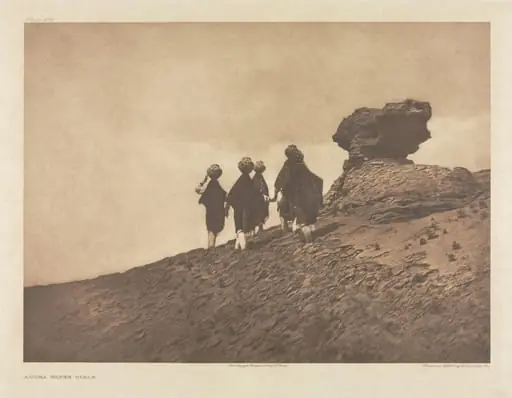 Portfolio XVI, Plate 573: Acoma Water Girls
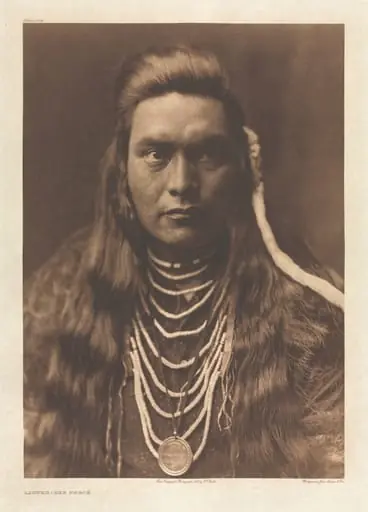 Portfolio VIII, Plate 264: Lawyer - Nez Percé
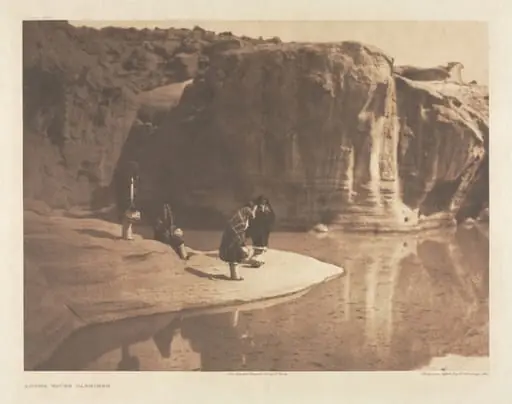 Portfolio XVI, Plate 568: Acoma Water Carriers
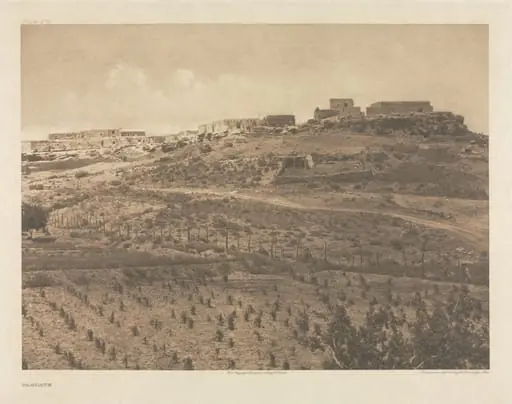 Portfolio XVI, Plate 574: Paguate
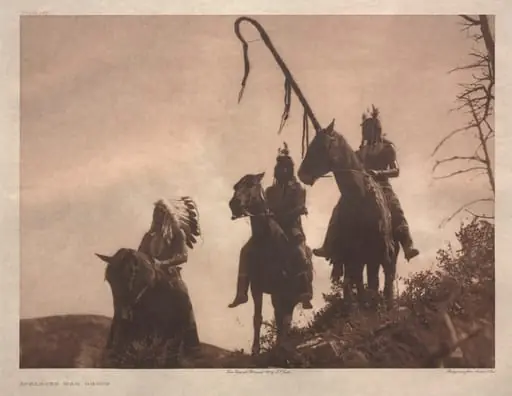 Portfolio IV, Plate 147: Apsaroke War Group
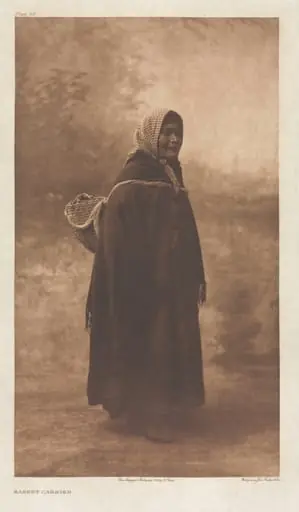 Portfolio IX, Plate 311: Basket Carrier
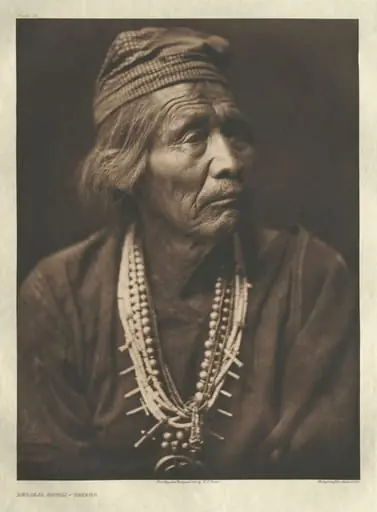 Portfolio I, Plate 31: Nesjája Hatáli-Navaho
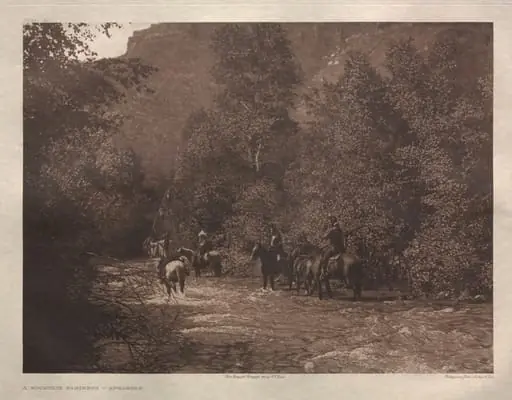 Portfolio IV, Plate 140: A Mountain Fastness--Apsaroke
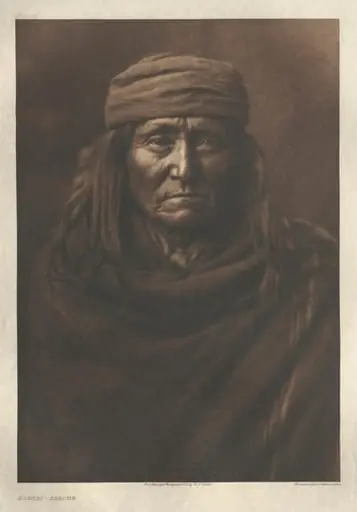 Portfolio I, Plate 16: Eskadi-Apache
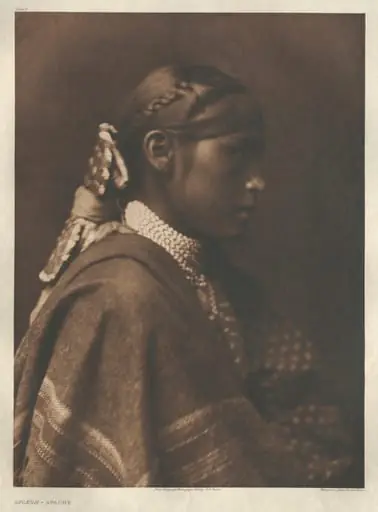 Portfolio I, Plate 6: Sígesh-Apache
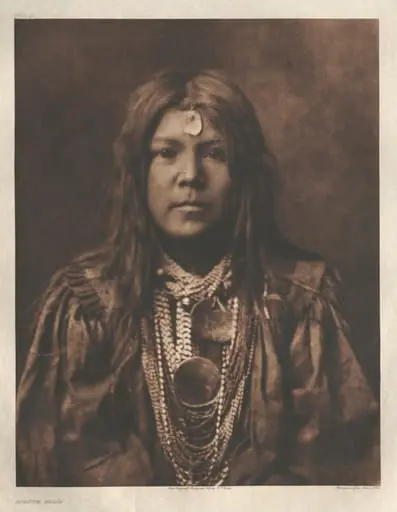 Portfolio I, Plate 15: Apache Nalin
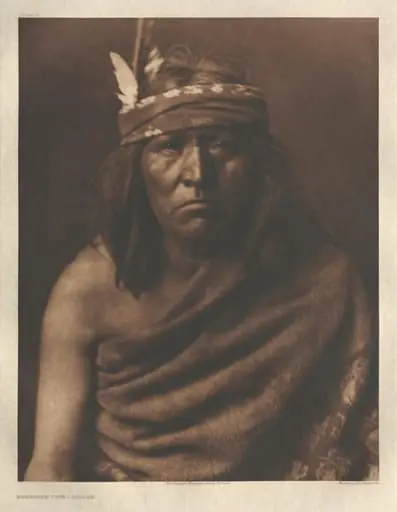 Portfolio I, Plate 12: Renegade Type-Apache
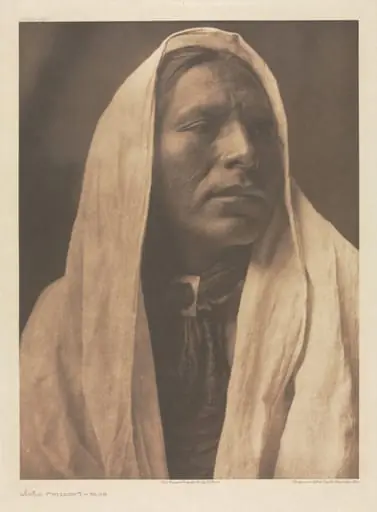 Portfolio XVI, Plate 545: Iahla ("Willow") - Taos
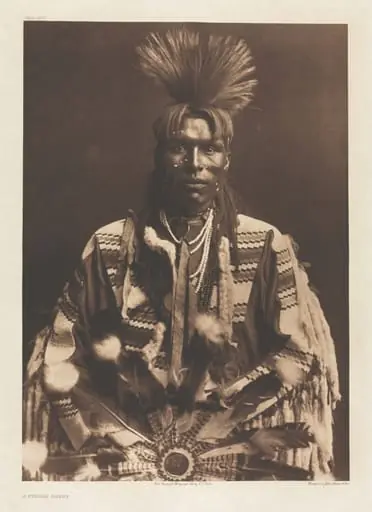 Portfolio VI, Plate 208: A Piegan Dandy
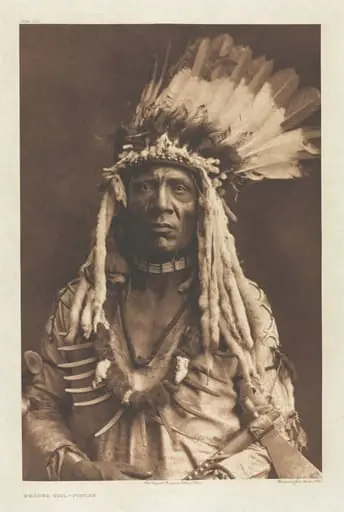 Portfolio VI, Plate 203: Weasel Tail - Piegan
 Portfolio VIII, Plate 262: Nez Percé Warrior