Artwork
Portfolio VI, Plates 184- 219
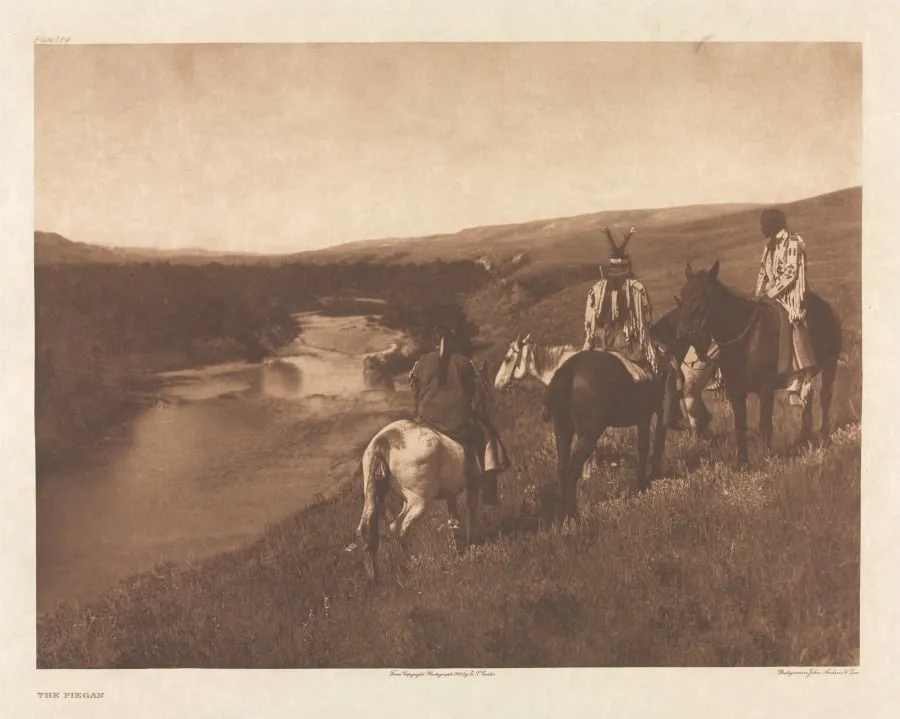
Portfolio VI, Plates 184- 219 is a work on paper by Edward S. Curtis. It dates from 1906 and is held in the collection of the Cleveland Museum of Art. Portfolio VI, Plates 184–219 is a series of photographic plates by Edward S.
About this work
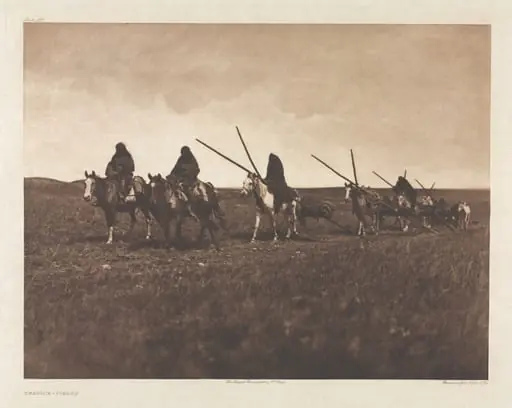
The riders wear long shirts and feathered headdresses, and one holds a bundle on their back.
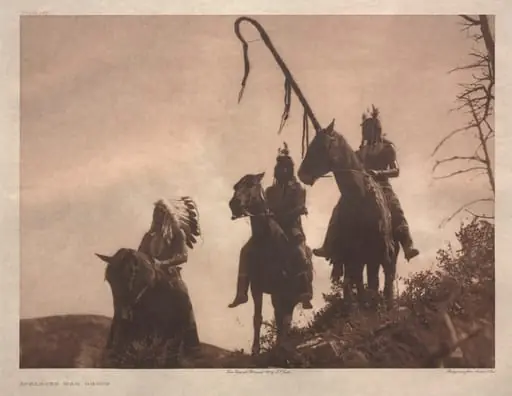
This photo shows four people on horseback by a dry riverbed. The landscape is wide-open, with rolling hills and sparse grass. Three of the horses are standing while one grazes. The riders wear long shirts and feathered headdresses, and one holds a bundle on their back.
The light is soft, making the scene look calm and quiet. The photo feels like a moment frozen in time, far from busy cities.
If you like this kind of work, look up Edward S. Curtis (American, 1868–1952).
Overview
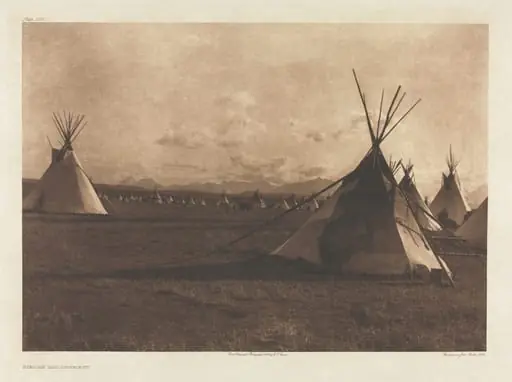
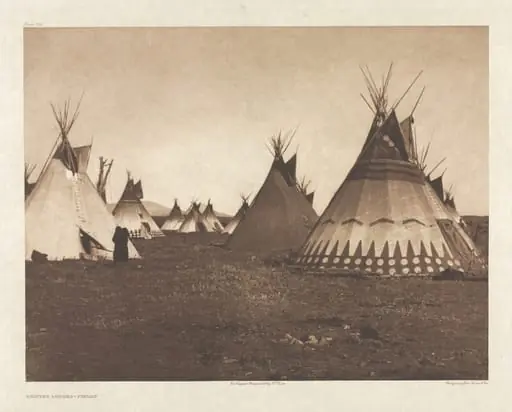
Portfolio VI, Plates 184–219 is a series of photographic plates by Edward S. Curtis, produced in 1906 as part of his larger project documenting Indigenous peoples of North America. These images were made during fieldwork in the American West and are held in the collection of The Cleveland Museum of Art. The series reflects Curtis’s systematic effort to record cultural practices and landscapes he perceived as vanishing.
Subject & Meaning
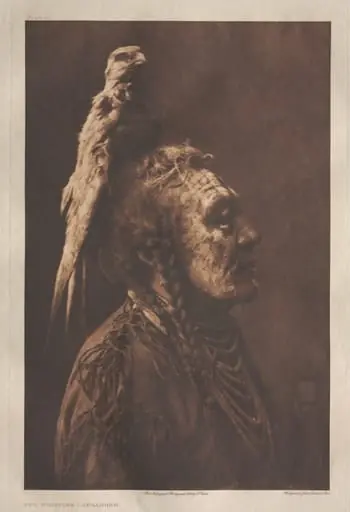
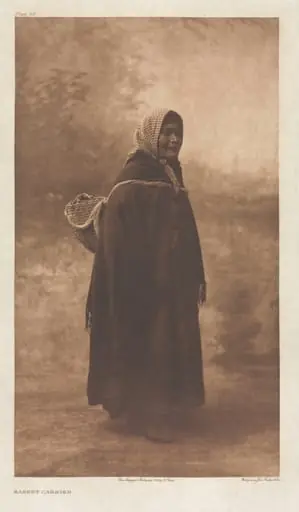
The images depict individuals from Plains communities, shown in moments of daily life—riding horses across arid terrain, carrying belongings, and wearing traditional regalia. The presence of feathered headdresses and bundled items suggests ceremonial or migratory contexts. Curtis framed these scenes as quiet, timeless observations, emphasizing stillness and solitude to evoke a sense of cultural endurance amid environmental vastness.
Technique & Style
Curtis employed large-format film and natural light to achieve soft tonal gradations and fine detail. His compositions often minimized human scale against expansive landscapes, reinforcing a sense of isolation. The deliberate pacing of his exposures and careful staging reflect a pictorialist aesthetic, prioritizing mood over documentary immediacy, and shaping perceptions of Indigenous life through a contemplative lens.
History & Provenance
Created during Curtis’s decade-long expedition funded by J.P. Morgan, Portfolio VI was part of his multi-volume publication The North American Indian. These plates were printed using photogravure, a labor-intensive process ensuring high fidelity. The Cleveland Museum of Art acquired the portfolio as part of its broader collection of early 20th-century photographic works, preserving them as historical artifacts of both ethnographic intent and artistic practice.
Context
Curtis worked amid federal policies promoting assimilation and the erosion of Indigenous sovereignty. His project emerged from a romanticized belief that Native cultures were disappearing, a view shared by many contemporaries. While his images preserved visual records of dress, ritual, and landscape, they also reflected the biases of his era—presenting static, idealized visions rather than dynamic, living communities.
Legacy
Curtis’s photographs remain widely referenced in discussions of Indigenous representation, ethnography, and early American photography. Though criticized for staging and omission of contemporary realities, they also serve as critical historical documents. Scholars now examine them alongside Indigenous voices to reassess their role in shaping public memory and cultural narratives of the American West.
Artist & collection

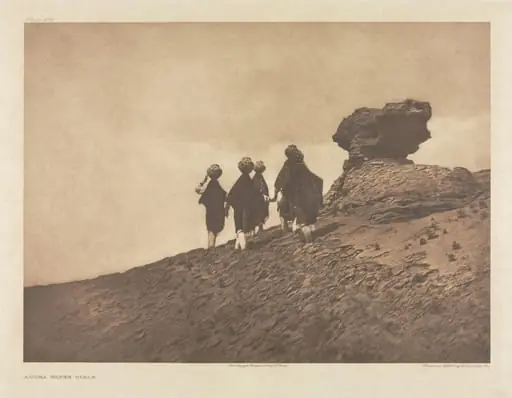 Portfolio XVI, Plate 573: Acoma Water Girls
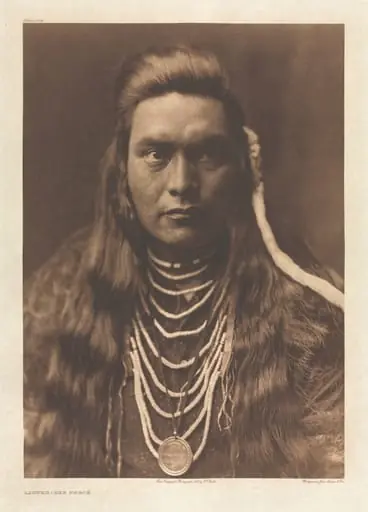 Portfolio VIII, Plate 264: Lawyer - Nez Percé
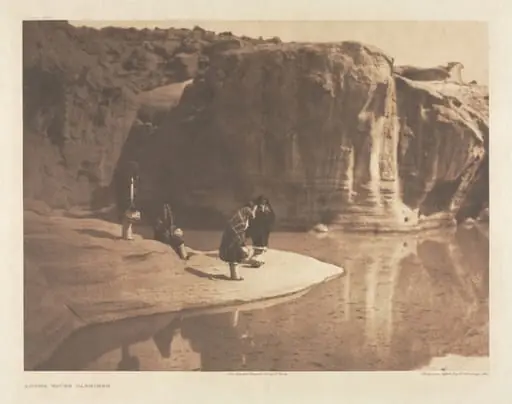 Portfolio XVI, Plate 568: Acoma Water Carriers
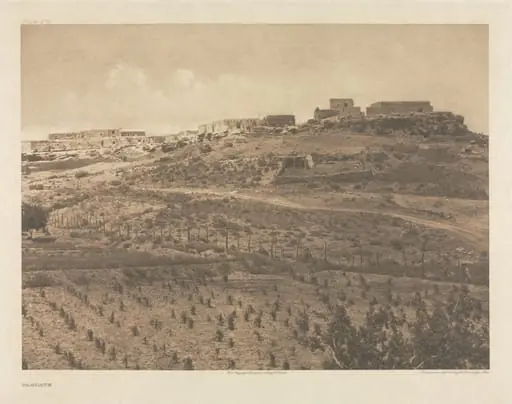 Portfolio XVI, Plate 574: Paguate
 Portfolio IV, Plate 147: Apsaroke War Group
 Portfolio IX, Plate 311: Basket Carrier
 Portfolio I, Plate 31: Nesjája Hatáli-Navaho
 Portfolio IV, Plate 140: A Mountain Fastness--Apsaroke