Artwork
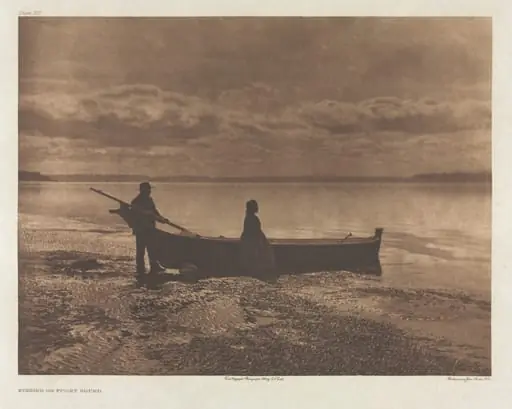
Portfolio IX, Plate 316: Sunset on Puget Sound
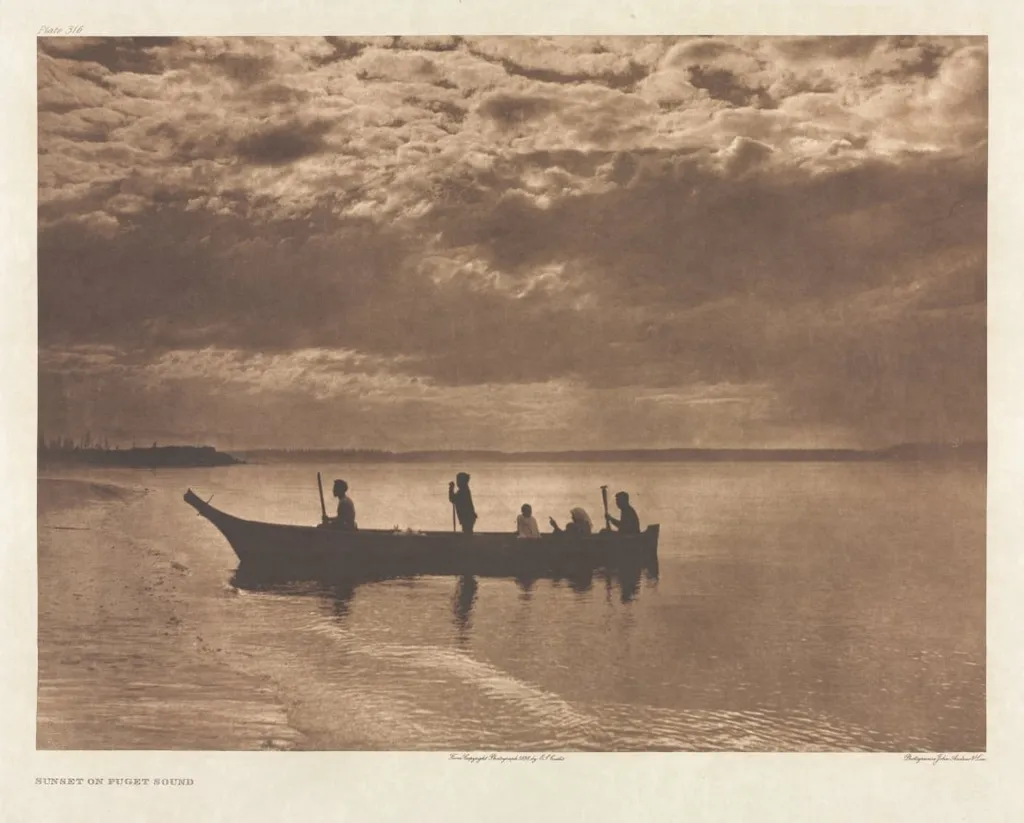
Portfolio IX, Plate 316: Sunset on Puget Sound is a work on paper by the Impressionist artist Edward S. Curtis. It dates from 1898 and is held in the collection of the Cleveland Museum of Art.
About this work
Overview
It belongs to a larger series documenting Indigenous life and landscapes, though this image focuses on a quiet moment of natural beauty.
Created in 1898, Portfolio IX, Plate 316: Sunset on Puget Sound is one of Edward S. Curtis’s early photographic studies of the Pacific Northwest. It belongs to a larger series documenting Indigenous life and landscapes, though this image focuses on a quiet moment of natural beauty. The work is part of the collection at The Cleveland Museum of Art, where it is preserved as an example of Curtis’s transition from portraiture to environmental storytelling.
Subject & Meaning
A small wooden vessel, carrying five figures, glides across still waters near the shoreline of Puget Sound. The figures are indistinct, their identities unmarked, emphasizing the scene’s atmospheric quality over individual narrative. The warm, low light of dusk bathes the clouds and water, suggesting a moment of transition—between day and night, between human presence and the vastness of nature. The image evokes solitude and quiet reverence rather than explicit cultural documentation.
Technique & Style
Curtis employed a soft-focus lens and long exposure to capture the subtle gradations of twilight. The sky’s luminous clouds, backlit by the setting sun, contrast with the muted tones of the water and shore. Deliberate blurring minimizes detail, enhancing the mood over precision. This approach reflects his interest in poetic realism, where emotional resonance takes precedence over documentary clarity, aligning with pictorialist traditions of the era.
History & Provenance
This image was produced during Curtis’s formative years as a photographer, before his monumental The North American Indian project. It was likely made during fieldwork in Washington Territory, where he began documenting Indigenous communities and regional landscapes. The plate entered The Cleveland Museum of Art’s collection through later acquisitions of Curtis’s photographic portfolios, preserved as part of his early artistic development.
Context
In the late 19th century, photography was increasingly used to capture both scientific observation and aesthetic experience. Curtis’s work emerged within this dual tradition, influenced by the pictorialist movement’s emphasis on tone and mood. While his later projects centered on Indigenous peoples, this image reflects his broader interest in the Pacific Northwest’s natural environment as a space of quiet dignity and spiritual presence.
Legacy
Though less known than his ethnographic portraits, this photograph exemplifies Curtis’s sensitivity to light and atmosphere. It anticipates themes he would refine over decades: the interplay between human presence and the natural world, and the use of photography to convey stillness and reverence. Its inclusion in major collections underscores its role in understanding the evolution of American photographic art beyond mere documentation.
Artist & collection

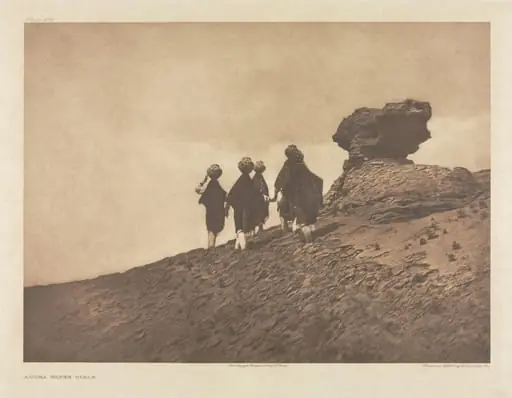 Portfolio XVI, Plate 573: Acoma Water Girls
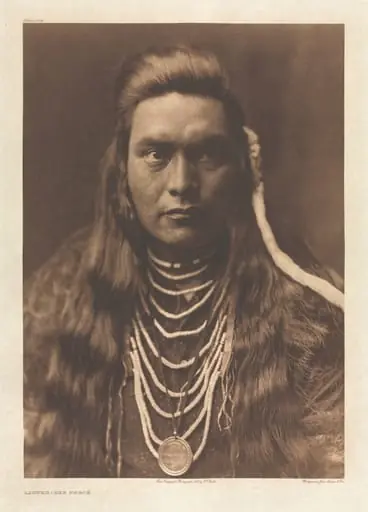 Portfolio VIII, Plate 264: Lawyer - Nez Percé
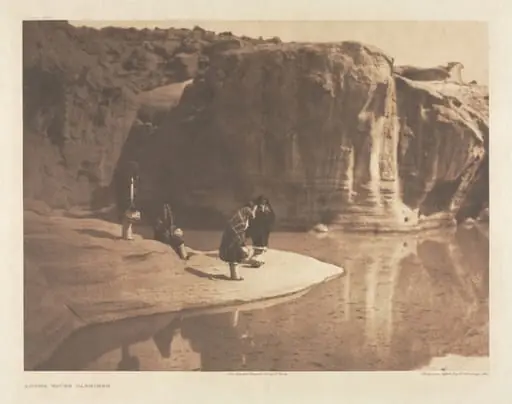 Portfolio XVI, Plate 568: Acoma Water Carriers
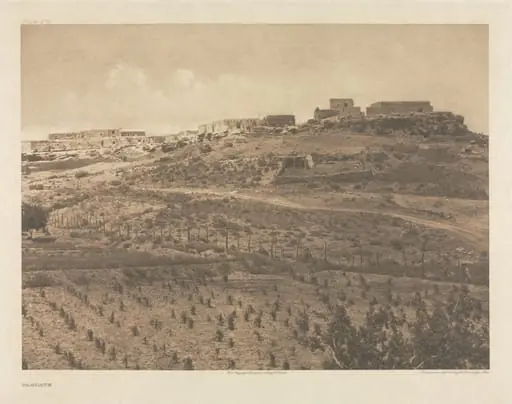 Portfolio XVI, Plate 574: Paguate
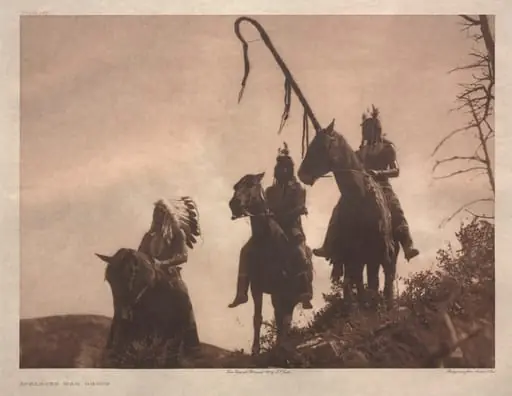 Portfolio IV, Plate 147: Apsaroke War Group
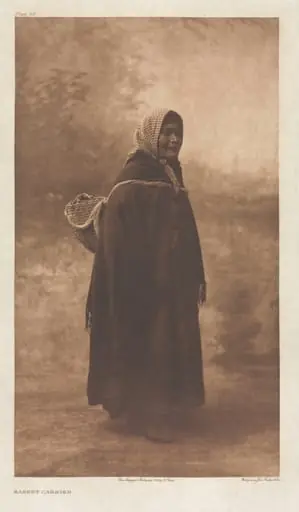 Portfolio IX, Plate 311: Basket Carrier
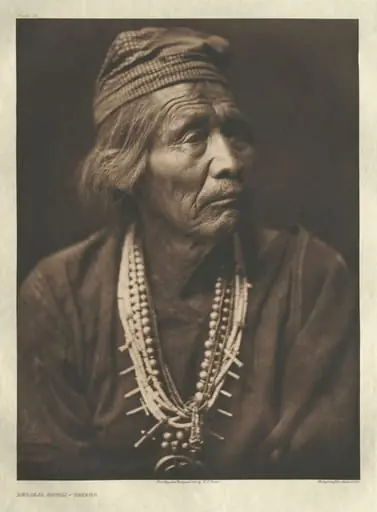 Portfolio I, Plate 31: Nesjája Hatáli-Navaho
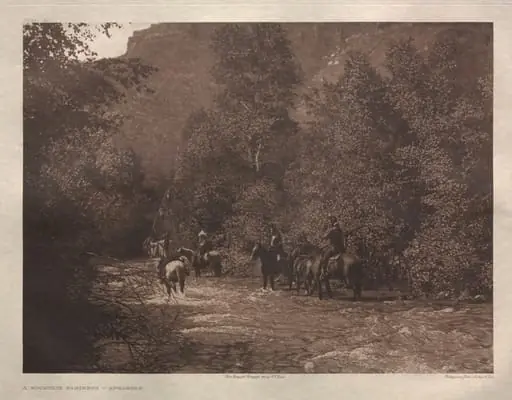 Portfolio IV, Plate 140: A Mountain Fastness--Apsaroke
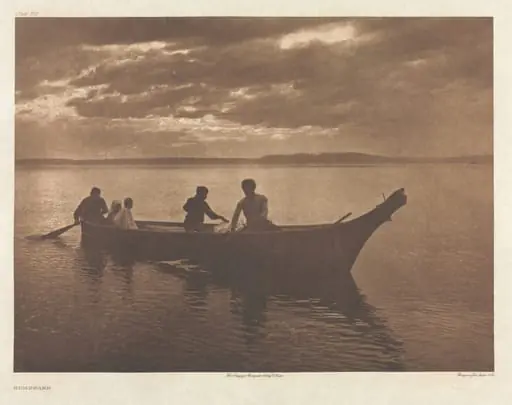 Portfolio IX, Plate 318: Homeward
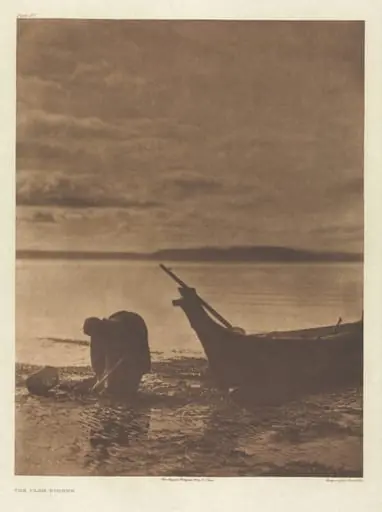 Portfolio IX, Plate 317: The Clam Digger
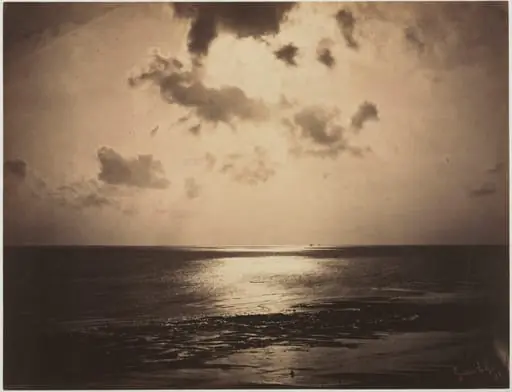 An Effect of the Sun, Normandy
 Portfolio XVII, Plate 583: On the Rio Grande - San Ildefonso
 The Lagunes of Venice
 The New Moon
 The Smuggler's Landing Place
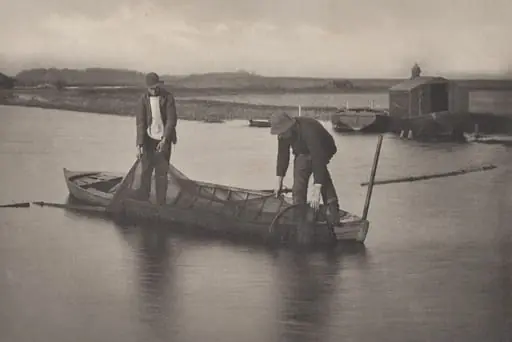 Taking Up the Eel Net
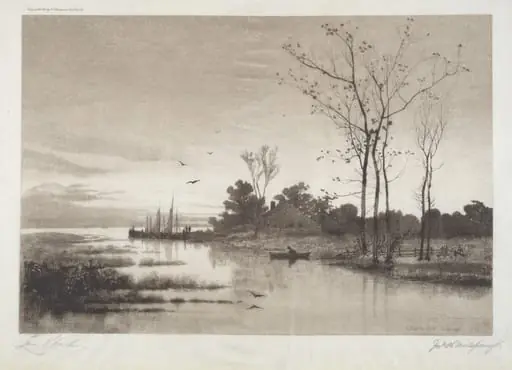 Shrewsbury River
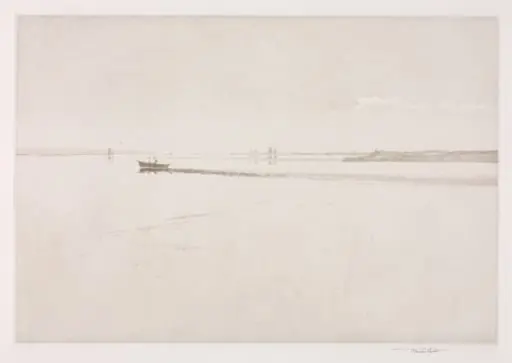 Morning Haze in Chichester Harbor
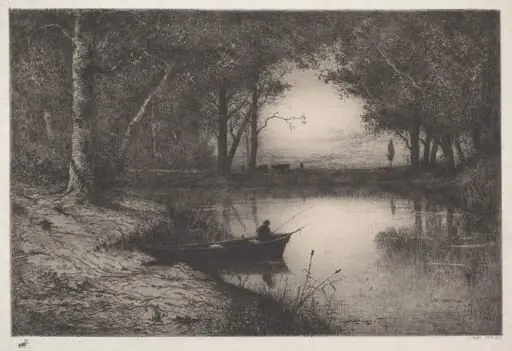 Pêcheur en Canot, au bord d'une Rivière (Fisherman in a Boat)
 Portfolio IX, Plate 312: Evening on Puget Sound