Artwork
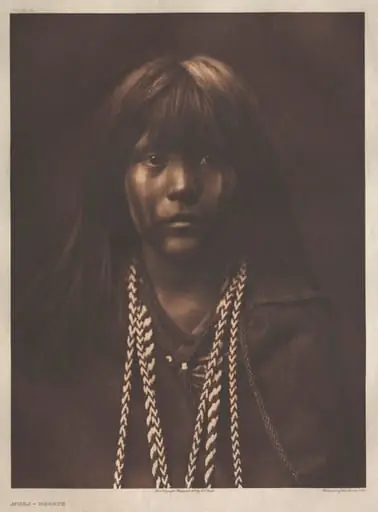
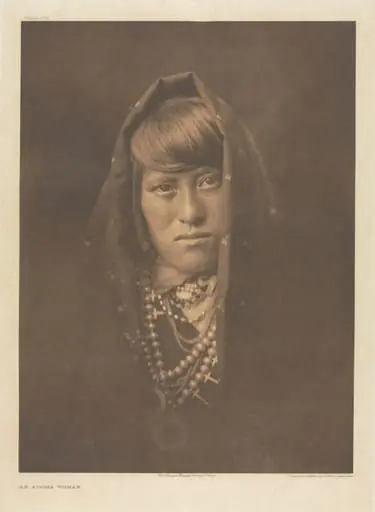
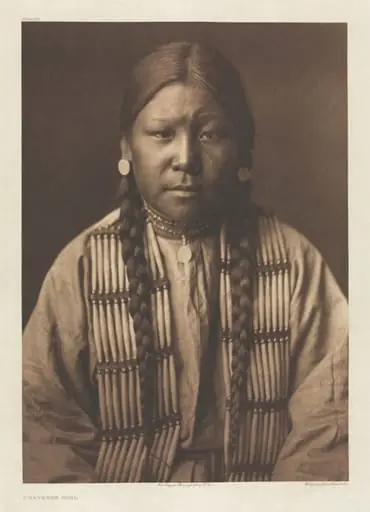
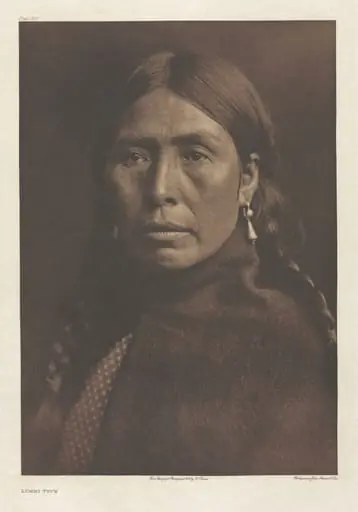
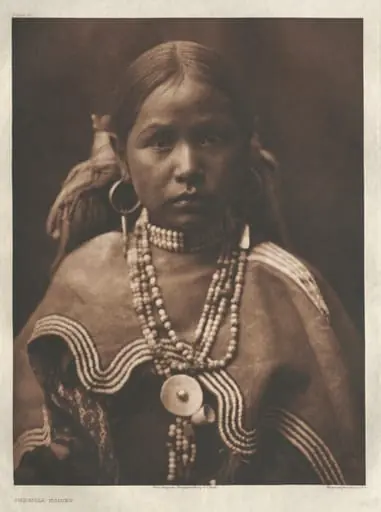
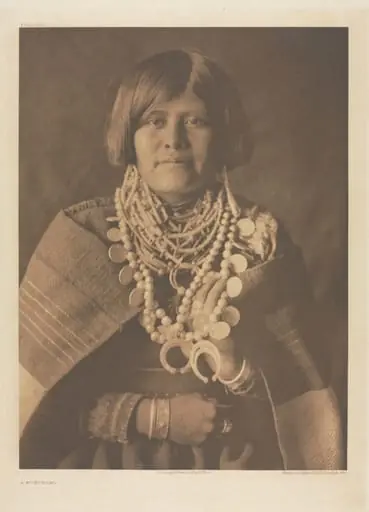
Portfolio XVI, Plate 547: Walvía ("Medicine Root") - Taos
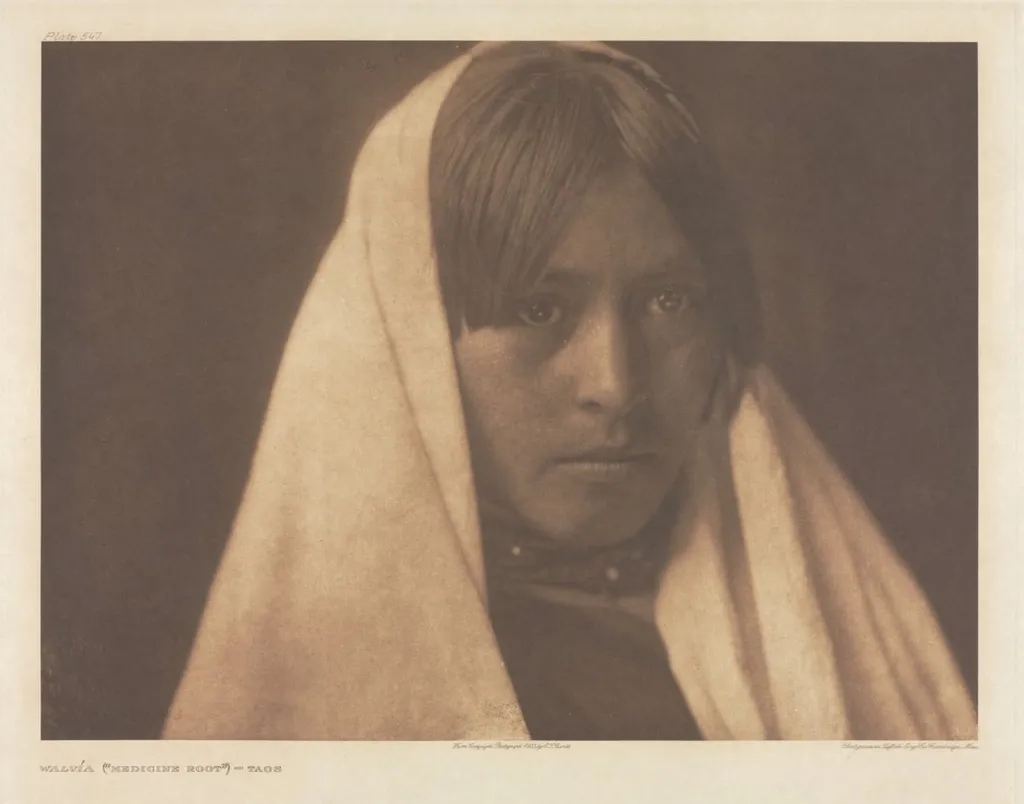
Portfolio XVI, Plate 547: Walvía ("Medicine Root") - Taos is a work on paper by Edward S. Curtis. It dates from 1905 and is held in the collection of the Cleveland Museum of Art. This image is Plate 547 from Edward S.
About this work
Overview
It is a photographic portrait within Curtis’s larger ethnographic project documenting Indigenous peoples of North America.
This image is Plate 547 from Edward S. Curtis’s Portfolio XVI, titled Walvía ("Medicine Root") - Taos, produced in 1905. It is a photographic portrait within Curtis’s larger ethnographic project documenting Indigenous peoples of North America. The work is part of the collection at The Cleveland Museum of Art, where it is preserved as a historical record rather than a fine art object in the traditional sense.
Subject & Meaning
The subject is a Taos woman, identified by the term Walvía, which refers to a medicinal plant used in regional healing practices. Her presence suggests a connection to cultural knowledge and traditional roles. The solemn expression and covered head may reflect ceremonial context or personal dignity, though Curtis’s framing does not clarify specific ritual activity. The title implies a link between the individual and ancestral practices of herbal medicine.
Technique & Style
Curtis employed platinum printing, a process known for its tonal range and permanence. The composition isolates the woman’s face and shoulders against a dark, unmodeled background, enhancing the contrast of the white cloth. Soft lighting emphasizes texture in her skin and fabric, while the absence of detail in the surroundings directs focus to her gaze and posture. The style is deliberate, avoiding theatricality in favor of quiet observation.
History & Provenance
Created during Curtis’s decade-long expedition across the American Southwest, this image was produced as part of his monumental publication The North American Indian. The plate was printed in limited editions for subscribers. The Cleveland Museum of Art acquired it as part of its broader collection of early 20th-century photographic documentation, preserving it as a primary source from Curtis’s fieldwork.
Context
Curtis worked during a period of intense cultural disruption for Native communities, as federal policies enforced assimilation and displacement. His project aimed to record what he saw as vanishing traditions, often staging scenes to align with romanticized ideals. While his images are valuable as historical artifacts, they also reflect the biases of their time—presenting Indigenous subjects as timeless rather than contemporary.
Legacy
Curtis’s photographs, including this one, remain widely referenced in discussions of Indigenous representation. They have shaped public perception of Native American life, though contemporary scholars critique their idealization and lack of Indigenous authorship. The image endures as both a document of cultural heritage and a reminder of the complexities in cross-cultural documentation.
Artist & collection

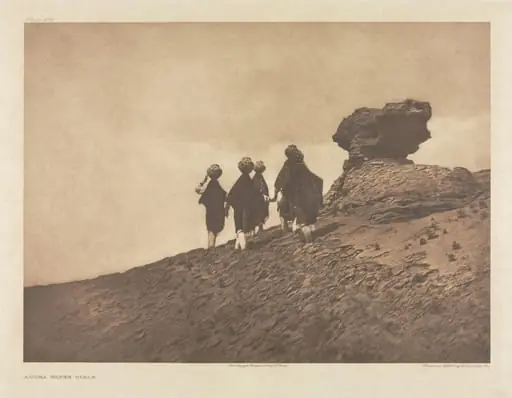 Portfolio XVI, Plate 573: Acoma Water Girls
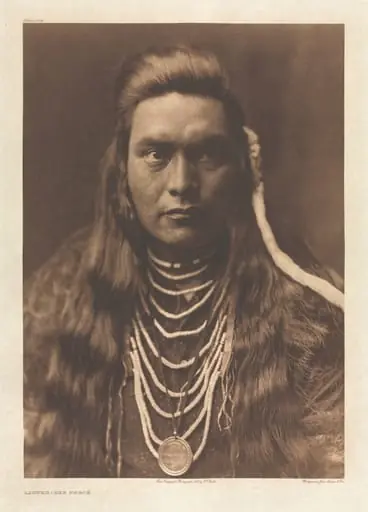 Portfolio VIII, Plate 264: Lawyer - Nez Percé
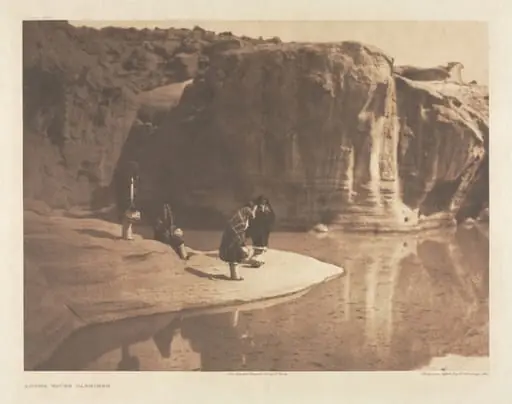 Portfolio XVI, Plate 568: Acoma Water Carriers
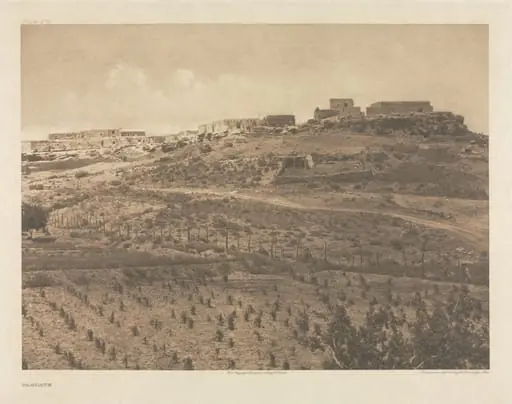 Portfolio XVI, Plate 574: Paguate
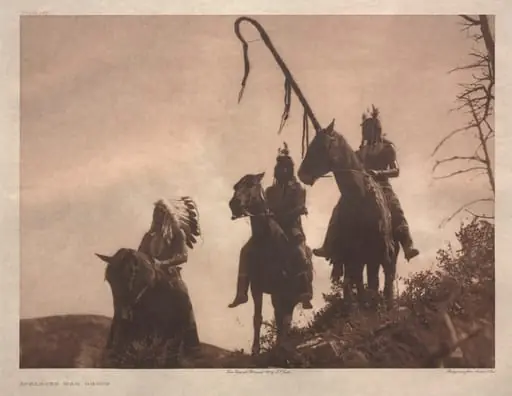 Portfolio IV, Plate 147: Apsaroke War Group
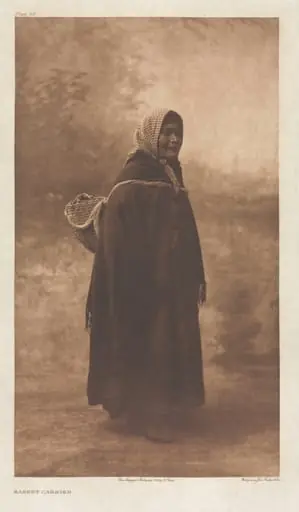 Portfolio IX, Plate 311: Basket Carrier
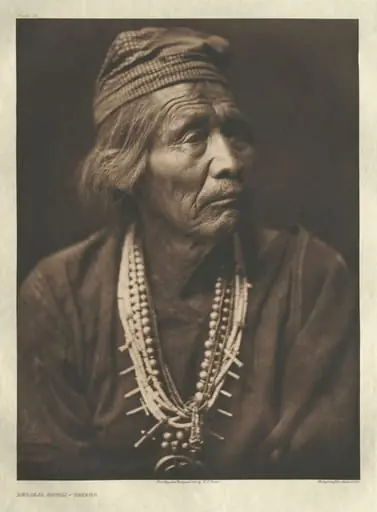 Portfolio I, Plate 31: Nesjája Hatáli-Navaho
 Portfolio IV, Plate 140: A Mountain Fastness--Apsaroke