Artwork
Portfolio XVII, Plate 582: Okúwa-tse ("Cloud Yellow") - San Ildefonso
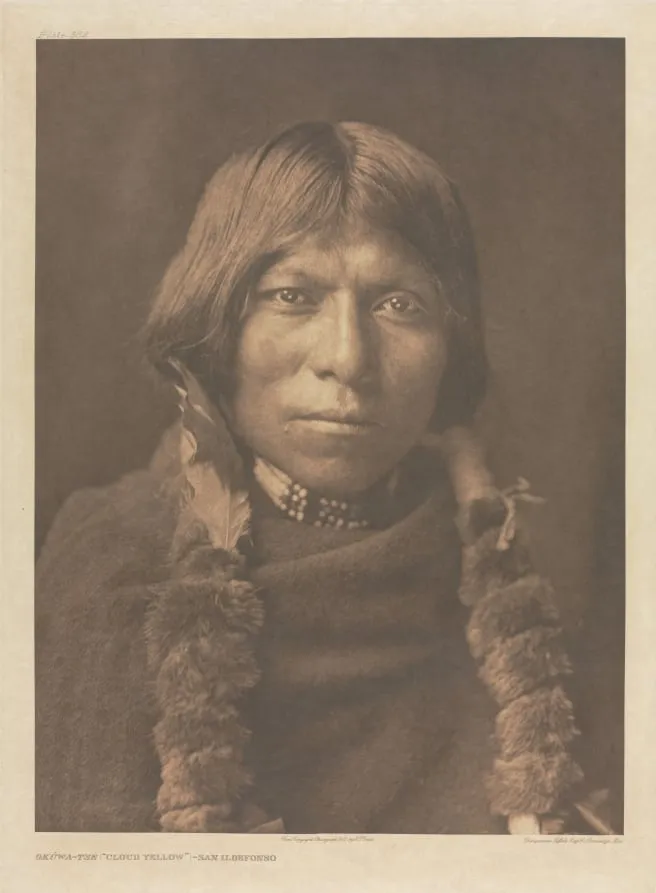
Portfolio XVII, Plate 582: Okúwa-tse ("Cloud Yellow") - San Ildefonso is a work on paper by Edward S. Curtis. It dates from 1905 and is held in the collection of the Cleveland Museum of Art. Created in 1905, this photograph is part of Edward S.
About this work
The photo’s title, *Okúwa-tse*, means "Cloud Yellow," though the image itself is in shades of brown and gray.
This is a black-and-white portrait of a person with long, straight hair parted in the middle. They’re wearing a fur-lined coat with fringe on the sleeves and a beaded necklace. The background is plain, keeping all focus on their steady gaze.
The photo’s title, *Okúwa-tse*, means "Cloud Yellow," though the image itself is in shades of brown and gray. The artist took this in 1905, aiming to document Indigenous life in the U.S.
Next, look up Edward S. Curtis (American, 1868–1952) to see more of his work.
Overview
Created in 1905, this photograph is part of Edward S. Curtis’s larger project to record Indigenous peoples of North America. Titled Okúwa-tse, meaning 'Cloud Yellow,' it is Plate 582 from Portfolio XVII, associated with the San Ildefonso Pueblo. The image is a black-and-white portrait, distinguished by its minimal background and direct subject engagement. It resides in the collection of The Cleveland Museum of Art.
Subject & Meaning
The subject, identified by the name Okúwa-tse, is depicted with a composed, unwavering gaze that conveys quiet dignity. Their attire includes a fur-lined coat with fringed sleeves and a beaded necklace, elements tied to San Ildefonso cultural expression. The name 'Cloud Yellow' suggests a personal or spiritual identity, though the photograph does not illustrate literal references to weather or color, instead emphasizing presence over symbolism.
Technique & Style
Curtis employed large-format plate photography to achieve fine detail and tonal range. The composition isolates the subject against a neutral backdrop, eliminating contextual distractions. Soft lighting enhances the texture of the fur and beadwork, while the monochrome palette renders the image in gradients of gray and brown. The deliberate framing centers the individual’s expression, reinforcing a contemplative tone.
History & Provenance
This image was produced during Curtis’s decade-long expedition to document Native American life, funded privately and later published in his monumental The North American Indian. It entered The Cleveland Museum of Art’s collection as part of a broader acquisition of Curtis’s photographic work, preserving it as a historical record of early 20th-century ethnographic photography.
Context
Curtis worked amid growing federal assimilation policies and declining traditional practices among Indigenous communities. His project, though criticized for romanticism and staging, captured material culture and personal identities at a time of rapid change. Okúwa-tse reflects an effort to preserve individuality within a cultural framework under pressure, even as the photographer’s methods remain debated.
Legacy
The photograph endures as part of a contested but influential archive. While later scholars question Curtis’s editorial choices, the image retains value as a visual artifact of San Ildefonso identity in 1905. It contributes to ongoing dialogues about representation, authorship, and the ethics of ethnographic documentation in American visual history.
Artist & collection

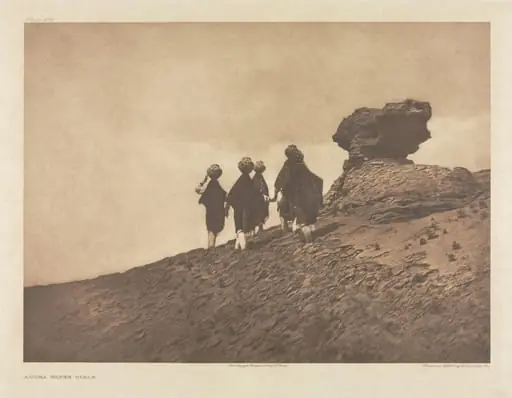 Portfolio XVI, Plate 573: Acoma Water Girls
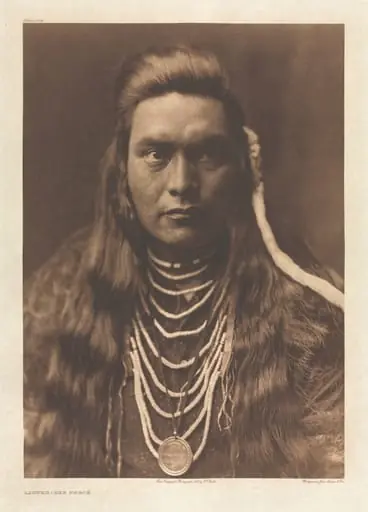 Portfolio VIII, Plate 264: Lawyer - Nez Percé
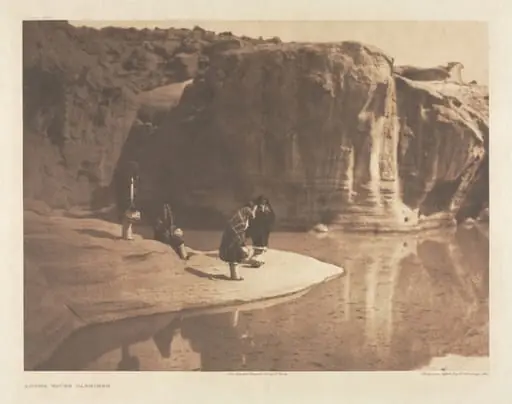 Portfolio XVI, Plate 568: Acoma Water Carriers
 Portfolio XVI, Plate 574: Paguate
 Portfolio IV, Plate 147: Apsaroke War Group
 Portfolio IX, Plate 311: Basket Carrier
 Portfolio I, Plate 31: Nesjája Hatáli-Navaho
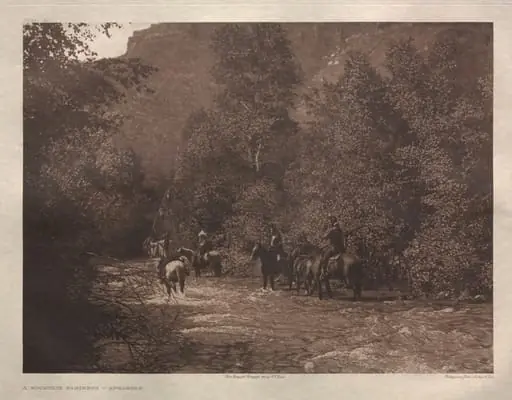 Portfolio IV, Plate 140: A Mountain Fastness--Apsaroke
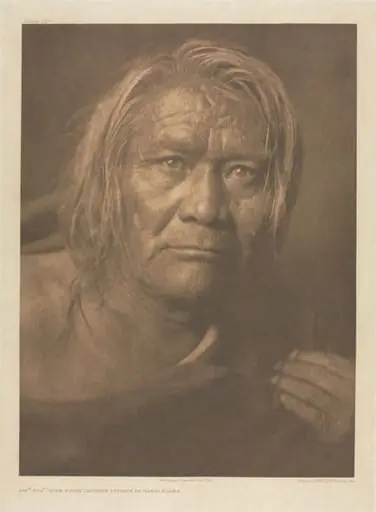 Portfolio XVII, Plate 601: Oyí-tsa ("Duck White"), Summer Cacique of Santa Clara
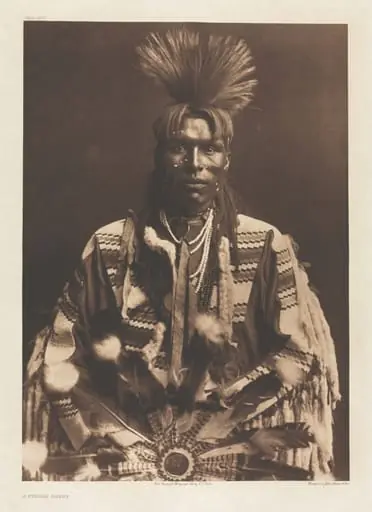 Portfolio VI, Plate 208: A Piegan Dandy
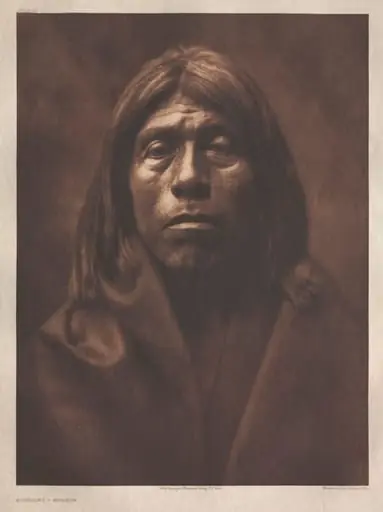 Portfolio II, Plate 60
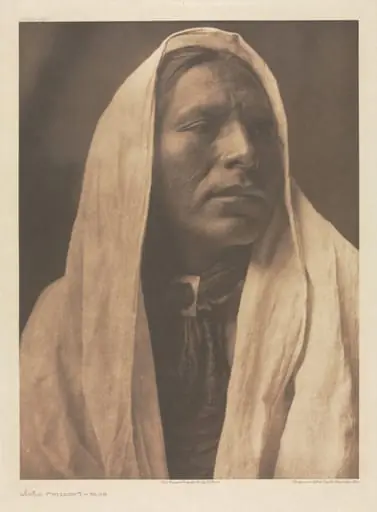 Portfolio XVI, Plate 545: Iahla ("Willow") - Taos
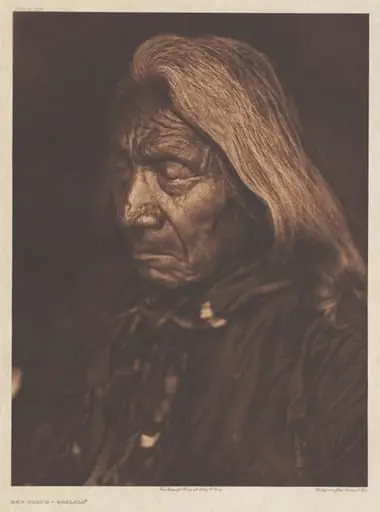 Portfolio III, Plate 103: Red Cloud-Ogalala
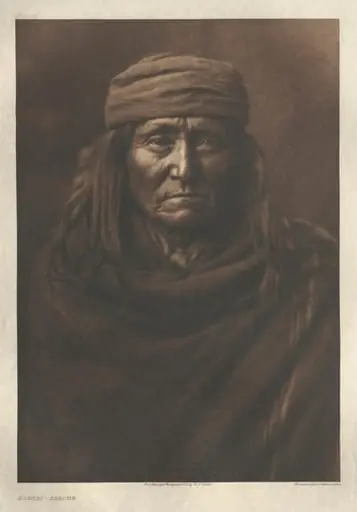 Portfolio I, Plate 16: Eskadi-Apache
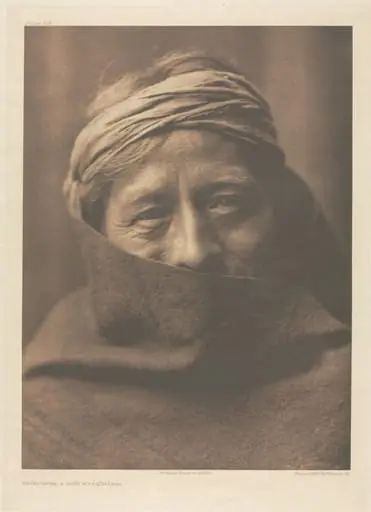 Portfolio XVII, Plate 612: Waíhusiwa, A Zuñi Kyáqimâssi