Artwork
Portfolio XVII, Plate 585: The Fruit Gatherer - San Ildefonso
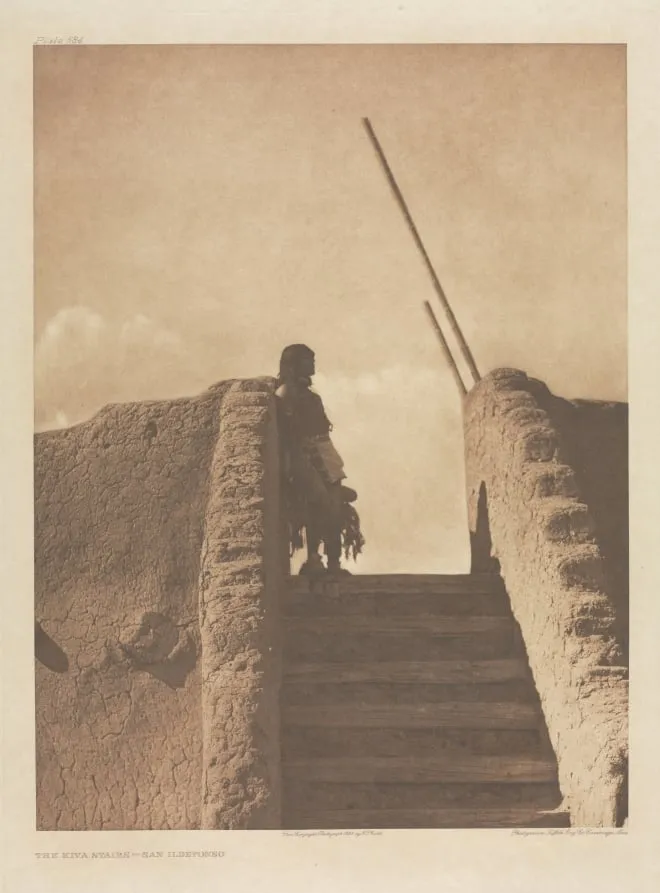
Portfolio XVII, Plate 585: The Fruit Gatherer - San Ildefonso is a work on paper by Edward S. Curtis. It dates from 1905 and is held in the collection of the Cleveland Museum of Art. This image is Plate 585 from Edward S.
About this work
Overview
The composition centers on a solitary figure amid architectural elements of a Pueblo settlement, emphasizing quiet observation over dramatic narrative.
This image is Plate 585 from Edward S. Curtis’s Portfolio XVII, produced in 1905 as part of his broader documentation of Indigenous communities in North America. It was acquired by The Cleveland Museum of Art and is one of many photographs taken during Curtis’s fieldwork in the Southwest. The composition centers on a solitary figure amid architectural elements of a Pueblo settlement, emphasizing quiet observation over dramatic narrative.
Subject & Meaning
The figure, likely a member of the San Ildefonso Pueblo community, is depicted gathering fruit or vegetation, a daily act tied to subsistence and seasonal rhythm. The pose and setting suggest a moment of routine labor, framed without theatricality. Curtis’s choice to isolate the individual against the textured stone stairs underscores a sense of continuity between human activity and the built environment of ancestral dwellings.
Technique & Style
Curtis employed platinum printing, a process known for its tonal range and permanence, to render subtle gradations of light and shadow. The soft focus and warm tonality reflect his preference for pictorialist aesthetics, which prioritized mood over sharp detail. Light falls gently across the figure’s face and the rough stone, creating a luminous, almost meditative atmosphere that distinguishes this work from documentary photography of the era.
History & Provenance
The photograph was made during Curtis’s expedition to the Pueblo communities of New Mexico in 1905, part of his multi-decade project to record Indigenous life. It was later included in Portfolio XVII, one of twenty volumes published between 1907 and 1930. The Cleveland Museum of Art acquired the print as part of its collection of early 20th-century American photography, preserving it as a record of Curtis’s methodology and cultural engagement.
Context
Curtis’s work emerged amid growing anthropological interest in Native cultures, often framed by the belief that these societies were vanishing. While his images were widely circulated as ethnographic records, they also reflect his romanticized vision of Indigenous life. This photograph, like others in the series, avoids overt staging but still filters reality through a lens shaped by early 20th-century ideals of authenticity and nostalgia.
Legacy
Though later critiques have questioned Curtis’s methods and representations, his photographs remain significant for their technical quality and the scale of their documentation. This image contributes to a complex archive that continues to inform discussions on representation, cultural preservation, and the ethics of visual ethnography. It is studied both for its aesthetic merits and its role in shaping public perceptions of Native American life.
Artist & collection

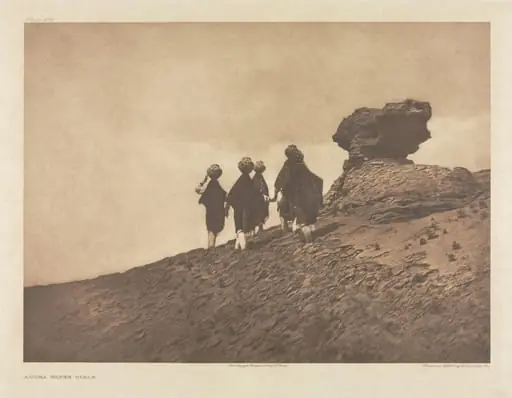 Portfolio XVI, Plate 573: Acoma Water Girls
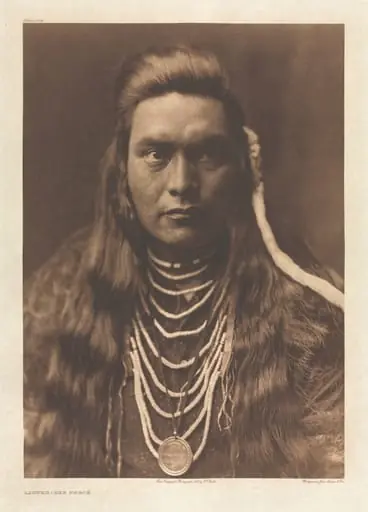 Portfolio VIII, Plate 264: Lawyer - Nez Percé
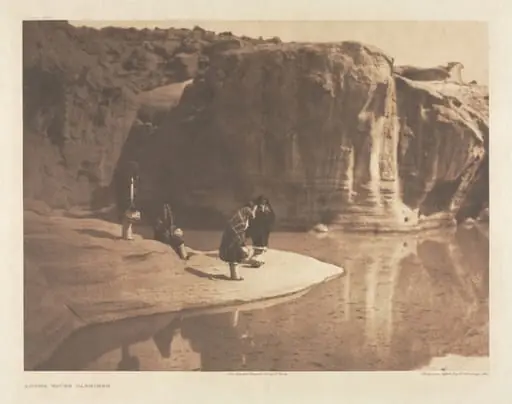 Portfolio XVI, Plate 568: Acoma Water Carriers
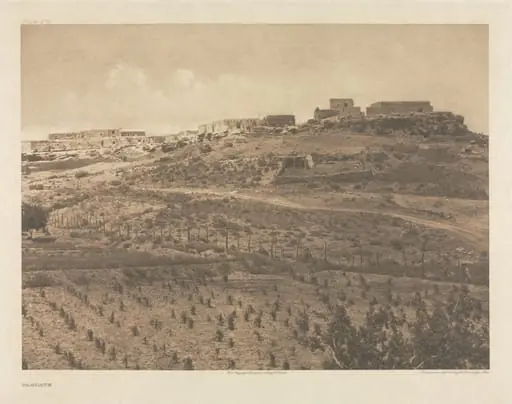 Portfolio XVI, Plate 574: Paguate
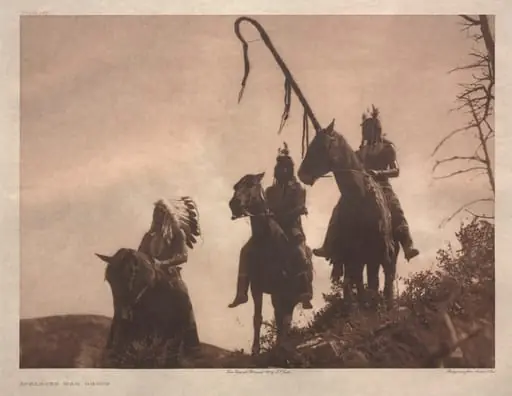 Portfolio IV, Plate 147: Apsaroke War Group
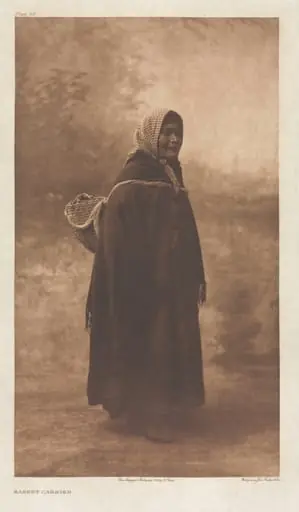 Portfolio IX, Plate 311: Basket Carrier
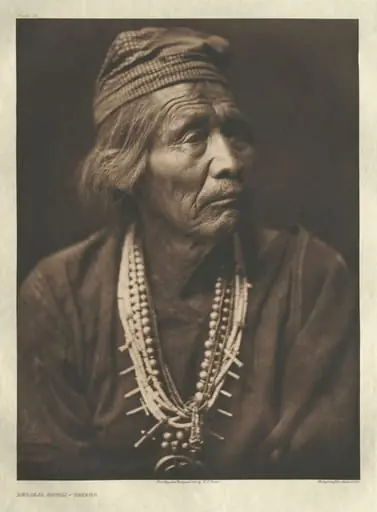 Portfolio I, Plate 31: Nesjája Hatáli-Navaho
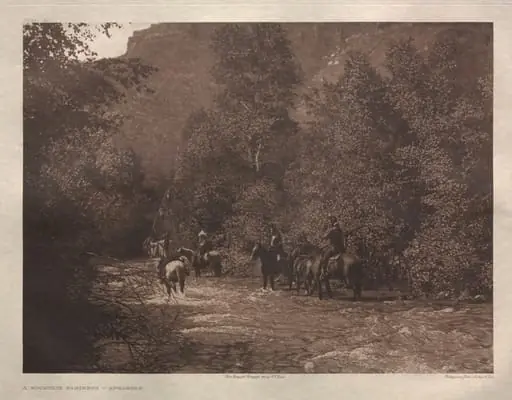 Portfolio IV, Plate 140: A Mountain Fastness--Apsaroke
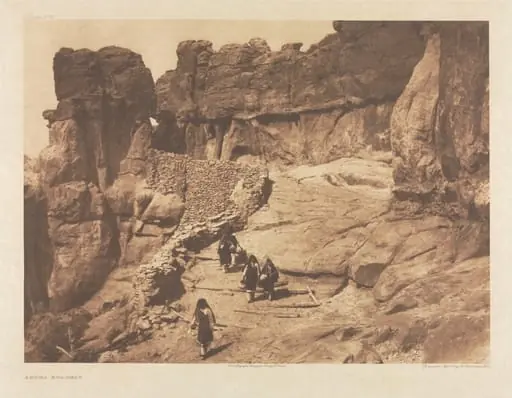 Portfolio XVI, Plate 570: Acoma Roadway
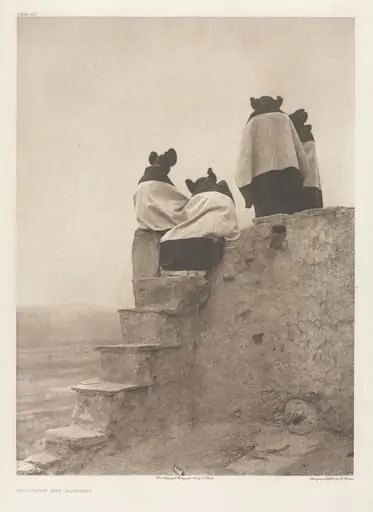 Portfolio XII, Plate 405: Watching the Dancers
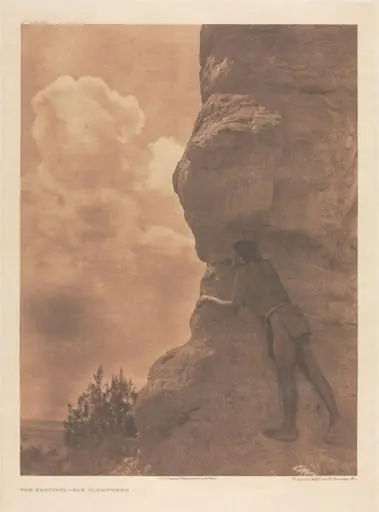 Portfolio XVII, Plates 580- 615
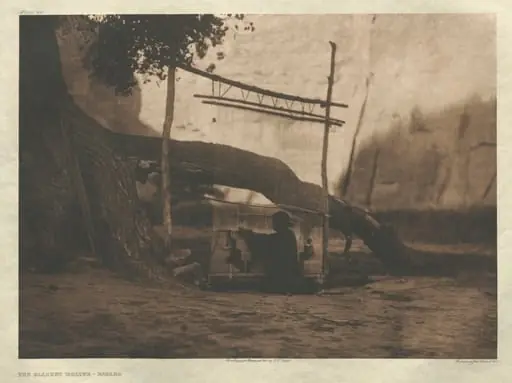 Portfolio I, Plate 34: The Blanket Weaver-Navaho
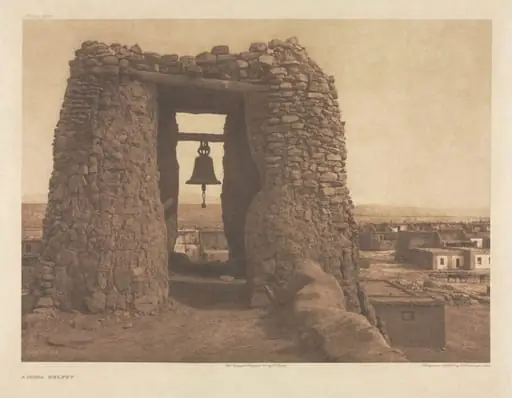 Portfolio XVI, Plate 564: Acoma Belfry
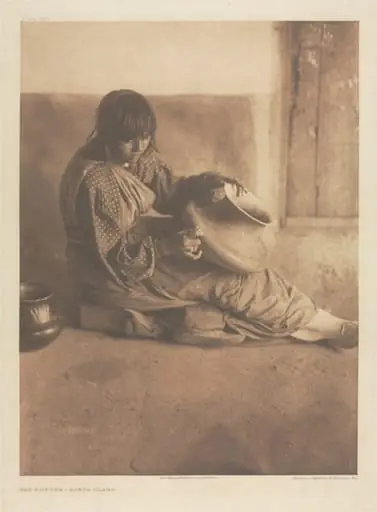 Portfolio XVII, Plate 602: The Potter - Santa Clara
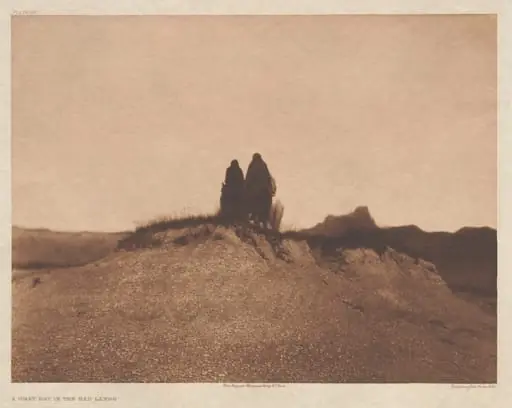 Portfolio III, Plate 86
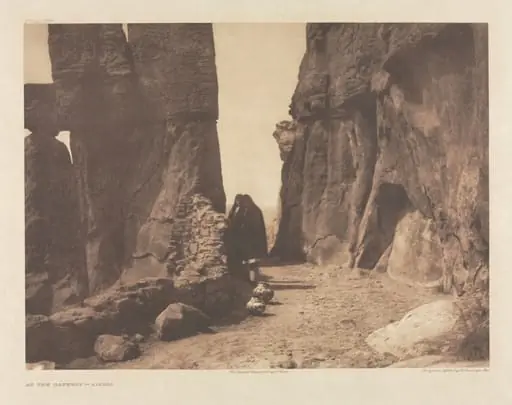 Portfolio XVI, Plate 569: At the Gateway - Acoma
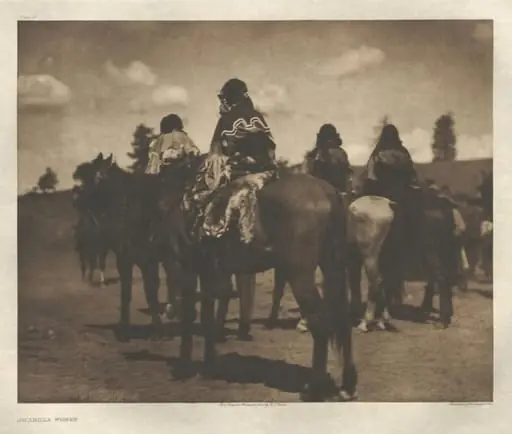 Portfolio I, Plate 25: Jicarilla Women