Artwork
Portfolio I, Plate 34: The Blanket Weaver-Navaho
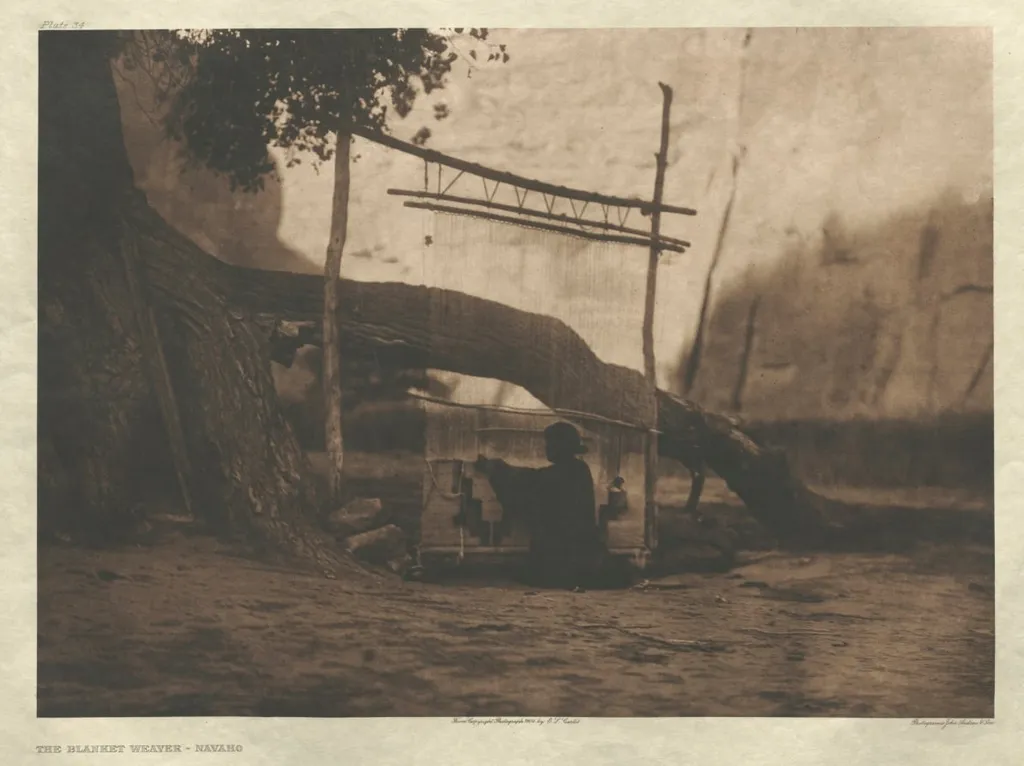
Portfolio I, Plate 34: The Blanket Weaver-Navaho is a work on paper by Edward S. Curtis. It dates from 1904 and is held in the collection of the Cleveland Museum of Art. Edward S.
About this work
The title says this is a "Blanket Weaver-Navaho," meaning the person is likely Navajo.
This photo shows a person sitting under a shelter made of wood and fabric. They’re weaving something on a loom, with a tree and a thatched roof behind them. The ground is dirt, and the whole scene looks quiet and still.
The title says this is a "Blanket Weaver-Navaho," meaning the person is likely Navajo. The photo was taken in 1904, so it captures a moment from over a century ago.
Check out Edward S. Curtis (American, 1868–1952) to see more of his work.
Overview
Edward S. Curtis’s photograph, catalogued as Portfolio I, Plate 34, records a Navajo individual engaged in blanket weaving in 1904. The image is part of Curtis’s extensive visual record of Indigenous peoples of the American West and is presently conserved by the Cleveland Museum of Art.
Subject & Meaning
The central figure is seated beneath a modest wooden shelter draped with fabric, operating a loom to produce a woven blanket. The surrounding elements—a thatched roof, a solitary tree, and a bare earth floor—convey a quiet, domestic environment, emphasizing the continuity of traditional craft within Navajo life at the turn of the twentieth century.
Technique & Style
Curtis employed early twentieth‑century photographic processes, likely glass‑plate negatives, to capture fine detail and tonal range. The composition balances the figure with surrounding architecture, using natural light to highlight textures of the loom, fabric, and surrounding foliage, characteristic of Curtis’s documentary yet aesthetically composed approach.
History & Provenance
Taken in 1904, the photograph entered the Cleveland Museum of Art’s collection as part of its holdings of early American photography. The work remains a documented piece within Curtis’s broader portfolio, which aimed to preserve visual records of Native American cultures during a period of rapid change.
Context
At the time of its creation, Navajo weaving was both a cultural practice and an economic activity, supplying blankets for local use and trade. Curtis’s documentation coincided with wider anthropological interest in Indigenous arts, situating the image within early ethnographic visual studies.
Artist & collection

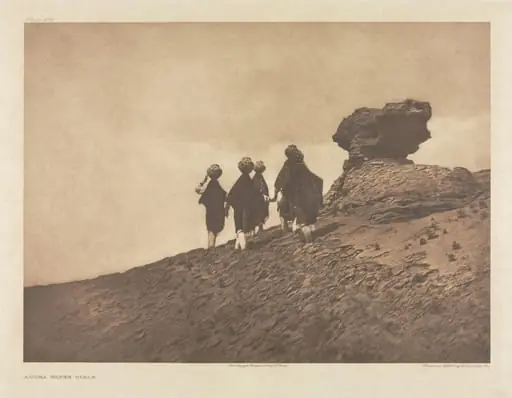 Portfolio XVI, Plate 573: Acoma Water Girls
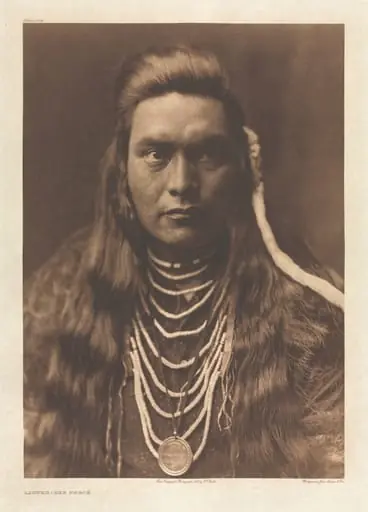 Portfolio VIII, Plate 264: Lawyer - Nez Percé
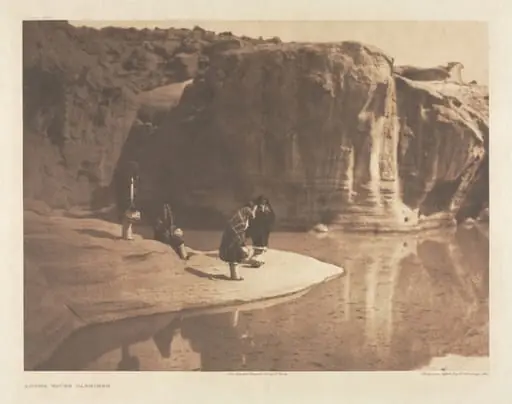 Portfolio XVI, Plate 568: Acoma Water Carriers
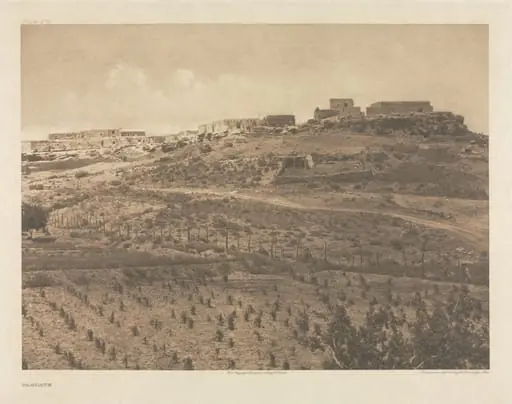 Portfolio XVI, Plate 574: Paguate
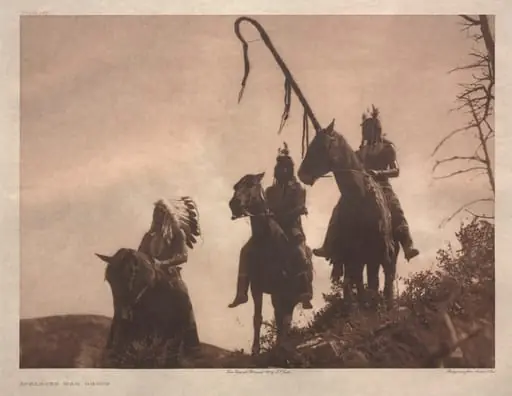 Portfolio IV, Plate 147: Apsaroke War Group
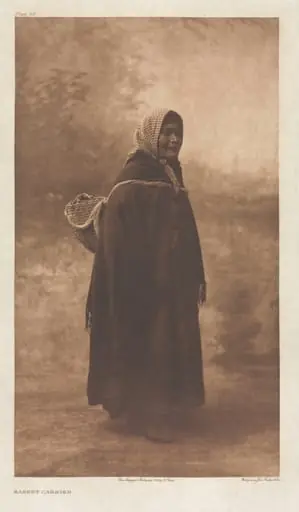 Portfolio IX, Plate 311: Basket Carrier
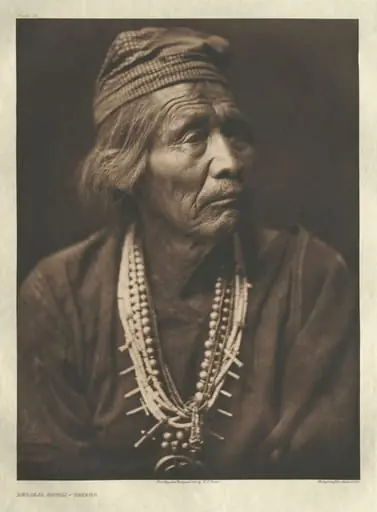 Portfolio I, Plate 31: Nesjája Hatáli-Navaho
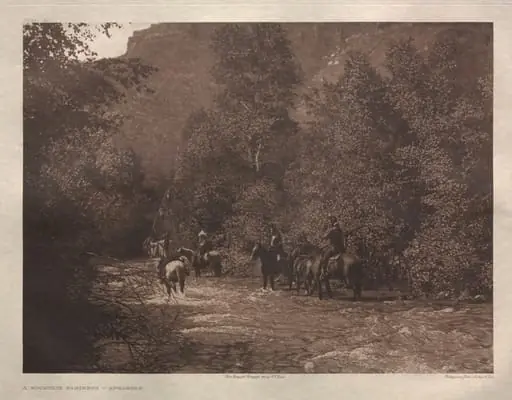 Portfolio IV, Plate 140: A Mountain Fastness--Apsaroke
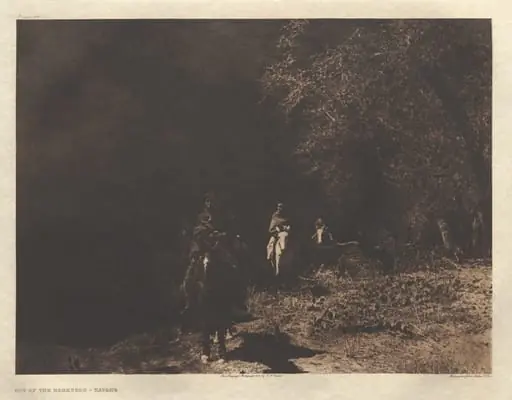 Portfolio I, Plate 37: Out of the Darkness-Navaho
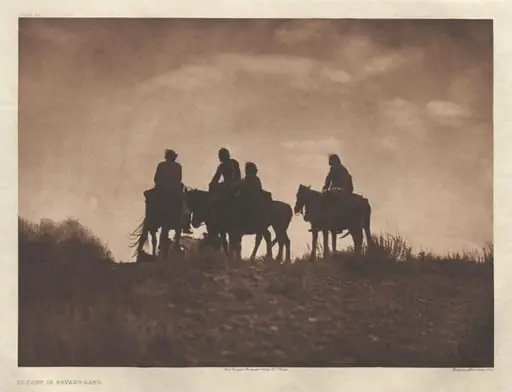 Portfolio I, Plate 38: Sunset in Navaho-Land
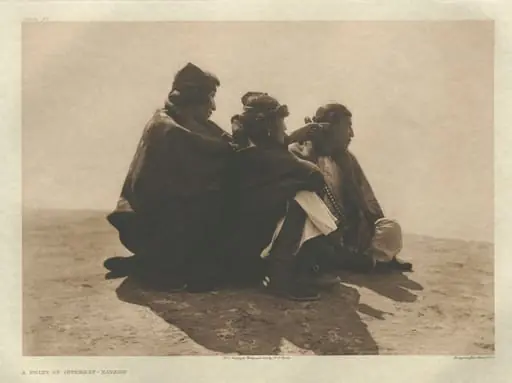 Portfolio I, Plate 36: A Point of Interest-Navaho
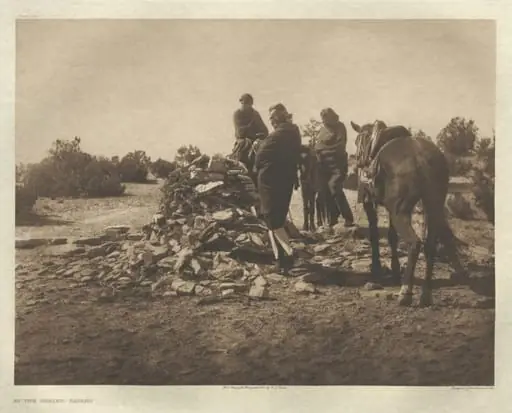 Portfolio I, Plate 30: At the Shrine-Navaho
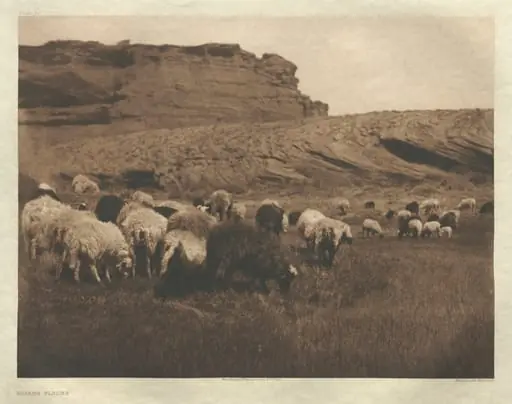 Portfolio I, Plate 33: Navaho Flocks
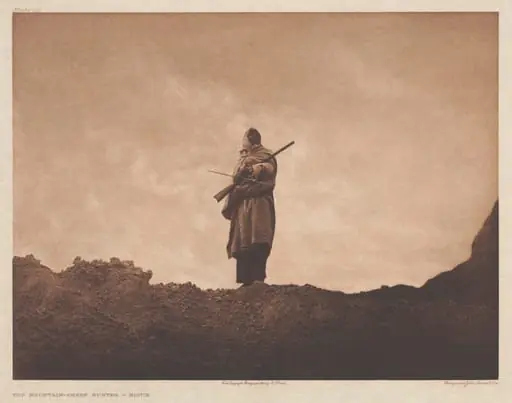 Portfolio III, Plate 110: The Mountain-Sheep Hunter
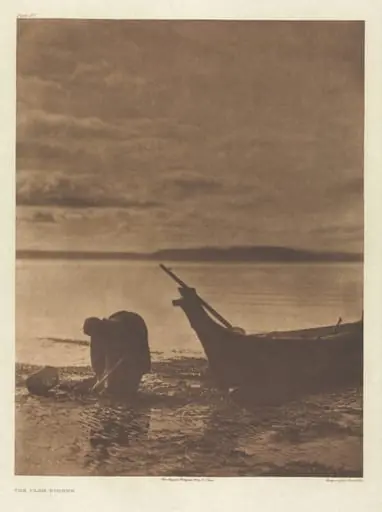 Portfolio IX, Plate 317: The Clam Digger